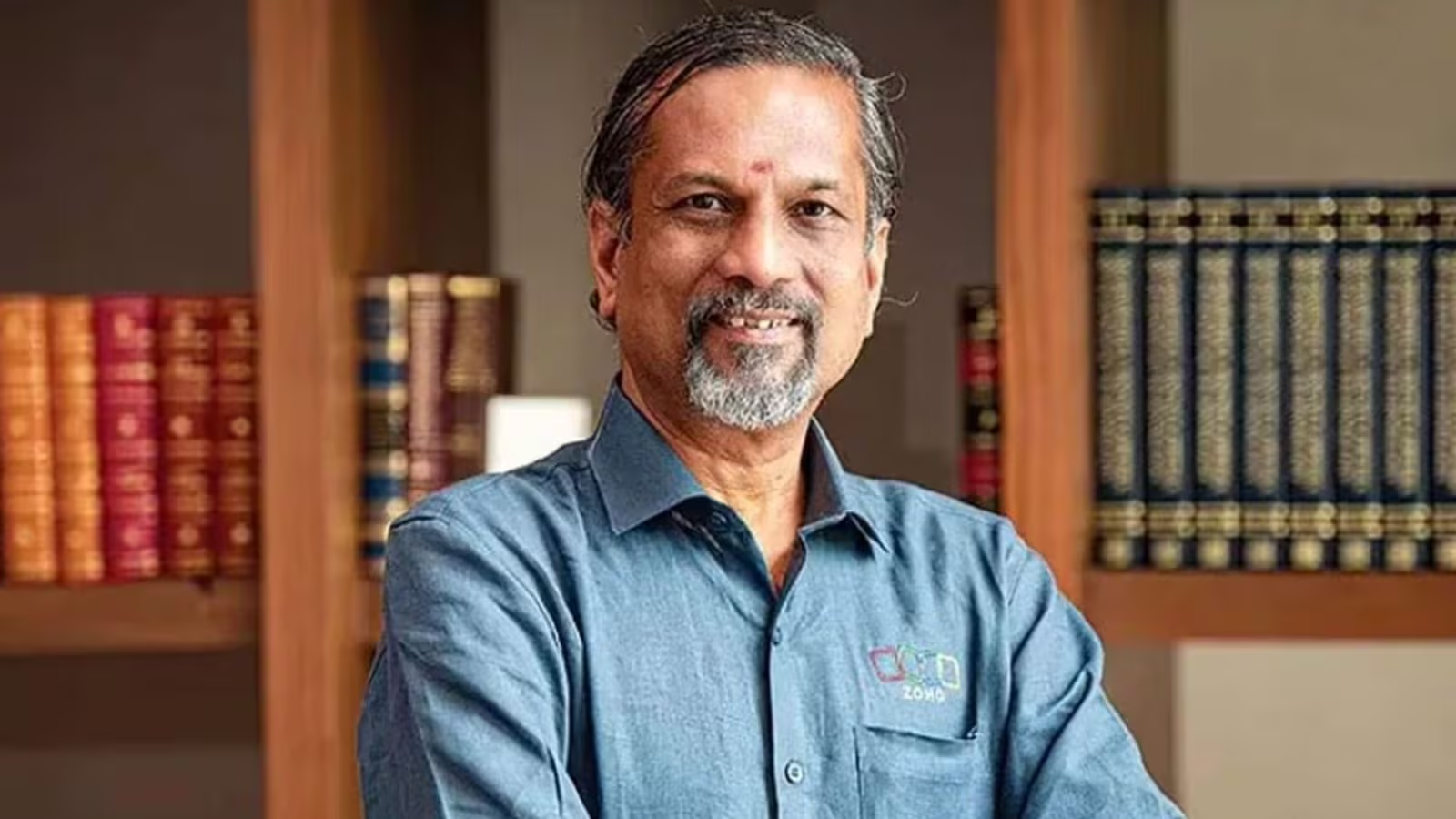
Zoho创始人斯里德哈·文布呼吁印度关闭商学院,转而专注于创业孵化器。但那位在《纽约时报》撰文引发其言论的剑桥大学教授表示,他从未主张彻底废除商学院。以下是双方的实际观点。
Zoho founder Sridhar Vembu wants India to shut business schools and focus on startup incubators. But the Cambridge professor whose New York Times essay sparked his remarks says he never called for outright abolition. Here's what each actually argued.
Zoho创始人斯里德哈·文布呼吁印度关闭商学院,将重心转向创业孵化器、大规模创业创建和实验,此举是对一篇质疑传统管理教育基础的评论文章的回应。
Zoho founder Sridhar Vembu has called for shutting down business schools in India and shifting the focus towards startup incubators, large-scale venture creation and experimentation, reacting to an opinion essay that questioned the foundations of conventional management education.
这篇题为《我在商学院任教。是时候关闭它们了》的文章,由剑桥大学贾奇商学院教授克里斯·马奎斯撰写,刊登于《纽约时报》。
The essay, titled "I Teach at a Business School. It's Time to Shut Them Down", was written by Chris Marquis, a professor at the University of Cambridge's Judge Business School, and published in The New York Times.
“我这么说已经20年了。印度最好关闭商学院,专注于创业孵化器。我们需要大规模创业和大量实验。”——ZOHO创始人 斯里德哈·文布然而,马奎斯后来在接受Poets&Quants采访时澄清,该文章的标题是由《纽约时报》编辑拟定的。他表示,自己的主张是对商业教育进行根本性改革,包括课程设置和教师激励机制,而非单纯取消商学院。克里斯·马奎斯关于商学院的观点在文中,马奎斯认为,商学院不仅反映当前的经济体系,更主动塑造其优先事项,并培养未来的企业领袖以延续这一体系。
I have been saying this for 2 decades. India would do well to close down business schools and focus on startup incubators. We need large scale startup formation and a lot of experimentation.SRIDHAR VEMBU, ZOHO FOUNDER, ON However, Marquis later clarified in an interview with Poets&Quants that a NYT editor chose the essay's headline. His argument, he said, was for a fundamental overhaul of business education, including curricula and faculty incentives, rather than simply eliminating business schools.
他质疑传统管理教育过分强调交易撮合、股东回报和利润最大化,认为这对商业决策更广泛的社会和环境后果关注不足。
What Chris Marquis argued about business schools In his essay, Marquis argued that business schools do more than reflect the prevailing economic system: they actively shape its priorities and train future corporate leaders to perpetuate them.
马奎斯还质疑,仅增加企业责任和道德方面的课程,能否充分解决他所认为的商业教育结构性问题。
He questioned the emphasis conventional management education places on dealmaking, shareholder returns and profit maximisation, arguing that it gives insufficient attention to the wider social and environmental consequences of business decisions.
他随后澄清,区分了自己呼吁进行大刀阔斧的制度改革与该文章标题所暗示的彻底废除之间的区别。
Marquis also questioned whether introducing additional courses on corporate responsibility and ethics could adequately address what he considers a structural problem with business education.
Vembu 长期批评商学院的思维方式。Vembu 最近的言论与他早前对美国商学院管理哲学的批评相一致,尤其是对股东价值和消费驱动的经济增长的强调。
His subsequent clarification distinguished his call for sweeping institutional reform from the outright abolition suggested by the essay's headline. Vembu's long-standing criticism of business-school thinking Vembu's latest remarks are consistent with his earlier criticism of management philosophies associated with American business schools, particularly their emphasis on shareholder value and consumption-led economic growth.
2025 年 7 月,他呼吁印度研究中国的工业转型,而不是遵循美国商学院所推广的理念。
In July 2025, he urged India to study China's industrial transformation rather than follow ideas promoted by American business schools.
“遗憾的是,主导印度企业界的思想仍主要来自美国商学院(以及常常是印度教授)!”他当时在 X 上写道。
“Unfortunately the ideas that dominate the Indian corporate world are still mostly from American business schools (and often Indian professors!),” he wrote on X then.
他认为,这些机构通过宣传他所谓的“虚假学说”,包括股东价值,导致了美国工业实力的衰退。
He argued that these institutions had contributed to the decline of American industrial prowess by promoting what he described as spurious doctrines, including shareholder value.
Vembu 还批评了通过向低收入消费者销售产品来创造财富的做法,认为经济发展应转向把社会中较贫困的群体培养为生产者。
Vembu also criticised the emphasis on creating wealth by selling products to low-income consumers, arguing that economic development should instead focus on turning poorer sections of society into producers.
“金字塔底层唯一的财富来自把最贫困的人先转变为生产者,而不是消费者,”他写道。他对传统商业思维的批评也延伸到印度所孕育的创业公司类型。
“The only wealth at the bottom of the pyramid comes from transforming the poorest people into producers, not consumers, first,” he wrote. His criticism of conventional business thinking has also extended to the kinds of startups India produces.
2025 年 4 月,在回应对印度和中国创业生态系统的比较时,Vembu 认为印度需要在深度技术上投入更多。
In April 2025, reacting to a comparison of Indian and Chinese startup ecosystems, Vembu argued that India needed to invest more in deep technology.
“中国做所有印度在做的事(金融科技、教育科技……),但中国也在投资深度技术。我们必须深化我们的技术,”他发布。他还主张在印度主要城市之外建立企业。
“China does all the things India does (Fintech, edtech..) but China also invests in deep tech. We have to deepen our tech,” he posted. He has also advocated building businesses outside India's major urban centres.
2025 年 2 月,他将农村印度描述为对愿意持长期视角的创业者具有吸引力的目的地,并指出其年轻人口和未被开发的人才。
In February 2025, he described rural India as an attractive destination for entrepreneurs willing to take a long-term view, citing its youthful population and untapped talent.
那么,如果不是商学院,文布想要的是什么?初创企业孵化器 文布对初创企业孵化器的支持体现在他与初创企业生态系统的公开互动中。
So, what does Vembu want if not B-schools? Startup incubators Vembu's support for startup incubators is reflected in his public engagement with the startup ecosystem.
2025年6月,在哥印拜陀孵化器Aalamaram举办的首个演示日上发言时,他呼吁支持该组织培育的23家初创企业,并将它们发展成大型企业。
In June 2025, speaking at the first demo day organised by Coimbatore-based incubator Aalamaram, he called for the 23 startups nurtured by the organisation to be supported and developed into large enterprises.
“并非每一家初创企业都能成功。初创企业的成功比例有多高并不重要。重要的是通过初创企业创造了多少就业机会,”他说。
“Not every startup may be successful. It is not important what percentage of startups succeed. What matters is how many jobs are created through startups,” he said.
他还主张,政府的角色应当是简化监管、许可程序和银行贷款的获取,而不是直接资助初创企业,并警告说政府资助可能会助长偏袒和腐败。
He also argued that the government's role should be to simplify regulations, licensing procedures and access to bank loans rather than directly fund startups, warning that government funding could encourage favouritism and corruption.