
凯(Kai)开始警告母亲自己可能回不了家时,年仅12岁。“如果我4点钟还没回家,你就知道我被绑走了,有人把我塞进车里绑架了,”他会这样对母亲说。
Kai was 12 years old when he began to warn his mother he might not make it home. "[If] I don't make it home by four o'clock, just know that I got snatched and somebody put me in their car and kidnapped me," he would tell her.
为了保护她的安全,加拿大广播公司(CBC)称她为阿里亚(Aria)。在凯还是个男孩的时候,她带着家人搬到了另一个城市,以切断与他父亲的联系,其父有着犯罪前科和街头帮派背景。
His mother, whom CBC's is calling Aria for her protection, moved her family to another city when Kai was a boy to disconnect from his father, who had a criminal past and street associations.
为了让凯忙碌起来并远离麻烦,她把凯——其名字也经过更改以受保护——送进了温尼伯的社区中心和临时活动场所,但阿里亚相信,正是这些场所让她的儿子接触到了会剥削他的人。
She enrolled Kai, whose name has also been changed for his protection, in community centres and drop-in spaces in Winnipeg to keep him busy and away from trouble But Aria believes those spaces exposed her son to people who would exploit him.
她相信一些员工滥用了职权,允许帮派分子操纵她的儿子并胁迫他涉足毒品交易——把他送到了数千公里之外的家乡以外。
She believes some staff abused their positions, allowing gang members to manipulate her son and coerce him into the drug trade — sending him thousands of kilometres away from home.
凯说,那些二十多岁和三十多岁的男子把自己伪装成他可以信任的人。
Kai said men in their 20s and 30s presented themselves as people he could trust.
“人们称之为诱导 grooming,人们称之为利用。这有很多说法,但这只是因为你天真而被占了便宜,”凯说。
"People call it grooming, people call it using. There's many words for it, but it's just being taken advantage of because you're innocent," Kai said.
在过去的两年里,……一直在调查来自大多伦多地区(GTA)的年轻黑人男孩的失踪事件,他们被诱导和诱骗加入安大略省城市的贩毒网络,远至萨尼亚(Sarnia)和桑德贝(Thunder Bay),并被进一步送往更北的原住民社区,例如第一民族吉努加明(Ginoogaming)。
For the last two years, has investigated the disappearances of young Black boys from the Greater Toronto Area (GTA) who are groomed and lured into drug trafficking networks in Ontario cities as far away as Sarnia and Thunder Bay, and sent further north into Indigenous communities like Ginoogaming, a First Nation.
现在,……直接听取了过着这种危险生活、并称自己被派往全国各地贩毒的男孩们的讲述,揭示了一个延伸得更远的网络。
Now, has heard directly from boys who live this dangerous life and say they were sent across the country to sell drugs, revealing a network that reaches even farther.
我们现在知道,这种活动将年仅12岁的男孩带到了西边的不列颠哥伦比亚省、北边的黄刀镇以及东边的哈利法克斯——在这些地方,毒品的售价呈指数级上涨——在某些情况下价格高达10倍。
We now know of this activity taking boys as young as 12 as far west as British Columbia, as far north as Yellowknife and as far east as Halifax — places where drugs are sold at exponentially higher prices — up to 10 times the price in some cases.
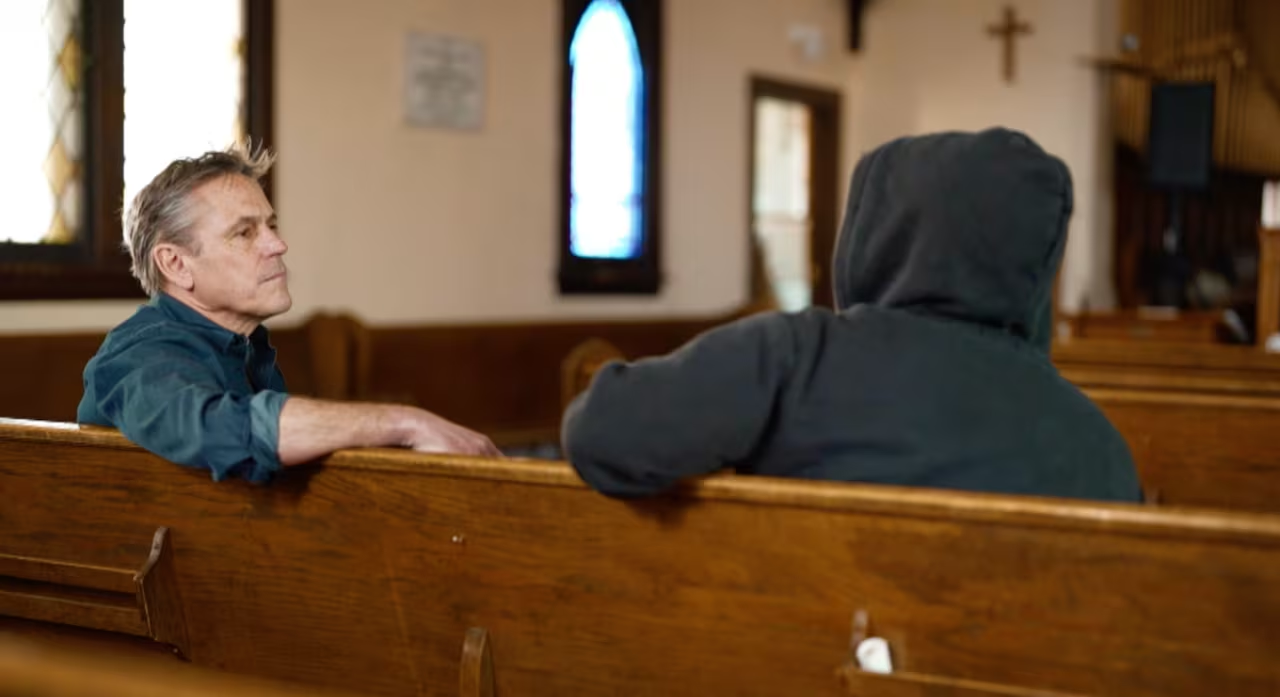
异地贩毒的生意 在接受CBC……采访时,凯回忆了他12岁时的第一次出城之旅,这也被称为“异地贩毒(going OT)”。
The business of going OT In an interview with CBC's , Kai recounts his first trip out of town, also known as “going OT,” when he was 12.
“你不知道那些袋子里装着什么。你不知道你在为别人运送什么……你只会想,‘我是在帮那个大哥,因为我想像他一样酷,’”他说。
"You don't know what's in those bags. You don't know what you're delivering for people … you just think, 'I'm helping the older guy, because I want to be cool like him,'" he said.
凯说,那些大哥把他接走,告诉他住在哪里,并指望他贩毒。他被留在了一个距离他在温尼伯的家向北八小时车程的偏远社区。
Kai said the older men picked him up, told him where he would stay and expected him to sell drugs. He was left in a remote community eight hours north of his home in Winnipeg.
收听:《失踪的男孩:一切是如何失控的》 凯说,他并不完全明白自己卷入了什么。他必须在一个谁都不认识、家人也联系不上的地方自己摸索。
LISTEN: The Missing Boys: When It All Went Wrong Kai said he did not fully understand what he was getting into. He had to figure it out in a place where he did not know anyone and his family was out of reach.
“你不会告诉家人,”他说。“因为不仅他们不知道你在哪,你自己也不知道你在哪。”第一趟行程让他更多地了解了他所谓的“游戏规则”,那里只有三种结局:自由、入狱或死亡。他说,他被迫为帮派冒险。
"You're not telling family members," he said. "Because not only do they not know where you are, you don't know where you are." The first trip taught him more about what he calls the rules of "the game," where the three outcomes are freedom, jail or death. And he says he was forced to gamble for the gangs.
“你不能就这样脱身……派你去的人指望你带着‘战利品’回来,”凯说。“要是你两手空空回来……但愿别出什么事。”现在14岁的凯,外出跑腿的次数已经数不清了。
"You can't just get out ... whoever sent you there is expecting you to come back with a prize," Kai said. "And if you don't come back with anything … God forbid something happens to you. Now 14, Kai has made more trips out of town than he can count.
另一名为安全起见化名的少年贾马尔,12岁时开始“外出跑腿”(OT)。他离家出走超过一周,母亲报了警。
Jamal, another teenager whose name has been changed for his safety, started going OT at 12. He had been away from home for more than a week and his mom reported him missing.
现年18岁、居住在多伦多地区的他说,他曾被派往萨斯喀彻温省、曼尼托巴省和安大略省的社区。
The now-18-year-old who lives in the Toronto area said he has been sent to communities in Saskatchewan, Manitoba and Ontario.
贾马尔最远的一趟行程到达了耶洛奈夫。他甚至被说服自掏腰包支付路费。
Jamal's farthest trip took him to Yellowknife. He was even convinced to pay his own way.
和凯一样,贾马尔说,他在七年级时首次被拉拢为帮派效力。他的家庭曾花了一年时间在不同房子间辗转,他与经常在堂表兄弟姐妹身边的社区里的大哥们关系变得亲密。“我一直很尊重他们,把他们当成大哥哥般的榜样,”他说。贾马尔说,那些榜样能给他提供一个逃离家庭动荡的出口。
Like Kai, Jamal said it was in Grade 7 when he was first approached to work for a gang. His family had spent a year bouncing between houses and he grew close to older people in his neighbourhood who were often around his cousins. "I always just had the respect and looked at them like an older role model," he said. Jamal said those role models could offer him an escape from the instability at home.
第五权 寻找安大略省失踪的黑人男孩 在基努加明(Ginoogaming)一名男子遭枪击身亡之际,各方呼吁遏制北部原住民社区的暴力事件“如果家里一切稳定,我其实没什么理由到外面去,”他说。
THE FIFTH ESTATE Searching for Ontario’s missing Black boys Calls to stem violence in northern First Nations as Ginoogaming man’s family mourns shooting death "If things were stable at home, I wouldn't really have a reason to go outside," he said.
贾马尔(Jamal)说,他为其工作的成年人贩卖从国际上购买的毒品,并与贩毒集团合作。
Jamal said the adults he worked for were selling drugs bought internationally — and worked with cartels.
接着,贾马尔讲述了这些男孩是如何跨越全国的——这是一条关键信息——许多家庭对此感到困惑:他们的男孩年纪太小,没有驾照也没有身份证,怎么能登机并驾车前往偏远地区。贾马尔说,有人为他们提供假名字和假身份证。
Then Jamal tells how the boys cross the country — a key piece of information — as many families are baffled as to how their boys are boarding planes and driving to remote locations when they are too young to have a driver's licence and don't have identification. Jamal said fake names and identification are provided for them.
“甚至不管你是谁,你有多年轻。你可以去加拿大的任何地方,”他说。“实际上相当容易。”幕后的成年人发现,成年贩毒者将这些男孩当作可随手丢弃的毒骡和法律挡箭牌,在警方打击毒品时,他们往往会代人受过。
"It doesn't even matter who you are, how young you are. You can go anywhere in Canada," he said. "It's actually quite easy." The adults behind the operation previously found adult traffickers use the boys as disposable mules and legal shields that often take the fall when police make drug busts.
联邦司法部2026年的一份报告发现,2019年至2024年期间,新斯科舍省、安大略省、艾伯塔省和不列颠哥伦比亚省接受惩教监管的黑人青少年比例保持在大约12%至13%。这几乎是这四个省份该年龄段人口合计占比的两倍。
A 2026 federal Justice Department report found that the proportion of Black youth in correctional supervision in Nova Scotia, Ontario, Alberta and British Columbia remained at around 12 to 13 per cent from 2019 to 2024. That's almost two times more than their combined share of the population for that age group, across all four provinces.
黑人男孩经常面临众所周知的社会经济挑战,包括高失业率,以及司法和教育系统内部的偏见,这可能使他们更容易受到有组织犯罪吸引力的影响。
Black boys often face well-known socio-economic challenges including high unemployment, and bias within justice and educational systems that can make them more vulnerable to the pull of organized crime.
温尼伯警察局督察乔什·埃瓦茨基(Josh Ewatski)说:“许多这样的青少年遭到剥削……在运营这些网络的人眼里,他们是可以被随意丢弃的。”
"Many of these youth[s] are exploited … they're seen as disposable to the people who are running these networks," said Winnipeg police Insp.
今年5月,埃瓦茨基带领一个团队参与了警方所称的马尼托巴省最大规模的缉毒行动。调查人员在温尼伯查获了525公斤可卡因、甲基苯丙胺(冰毒)和芬太尼。
Josh Ewatski. In May, Ewatski led a team involved in what police called Manitoba's largest drug bust. Investigators seized 525 kilograms of cocaine, methamphetamine and fentanyl in Winnipeg.
被捕者包括与加拿大最高层级有组织犯罪集团有关联的人员,其中包括“地狱天使”帮、“狼群联盟”以及一个墨西哥贩毒集团。
Those arrested included people associated with Canada's highest ranks of organized crime including the Hells Angels, Wolfpack Alliance and a Mexican cartel.

“大多数可卡因和冰毒将从墨西哥运往美国,再进入加拿大,”伊瓦茨基说。
"Most of the drugs of cocaine and methamphetamine will come from Mexico up to the U.S. and into Canada," Ewatski said.
他描述了一个复杂的网络,多个贩毒组织合作将毒品运往偏远社区。他说,是这些国际犯罪网络的成员在招募并利用男孩。
He described a sophisticated network where multiple drug trafficking organizations are working together to move drugs into remote communities. He says it's associates of these international criminal networks who are recruiting and using boys.
伊瓦茨基说,男孩被用于街头贩毒和在藏毒屋工作。他说,他们往往不知道自己在为谁工作。
Ewatski said boys are used for street-level dealing and to work in stash houses. He said they often don't know who they are working for.
“这些孩子被利用,是为了让[操控网络的人]不必暴露自己而面临被捕或被枪杀的风险。”退出帮派同样危险。伊瓦茨基说,一些男孩因被告知欠招募者的债务而陷入困境。
"These kids are used so [those running the networks] don't have to expose themselves to being arrested or being shot." Leaving a gang can be just as dangerous. Ewatski said some boys become trapped by debts they are told they owe their recruiters.
“如果他们想退出,只能以暴力的方式退出,”他说。“甚至可能丧命。”丹尼·希森在萨斯喀彻温省普林斯阿尔伯特的帮派中度过了他20多岁的大半时光。他说,一些招募者针对15至18岁的男孩,并告诉我们,被盯上的男孩眼神中透着绝望。“他们想要目标,”希森说。
“If they're out, they're going to be out in a violent way," he said. "Possibly even dead." Denny Heathen spent much of his 20s working for a gang in Prince Albert, Sask. He said some recruiters targeted boys between 15 to 18 and told us that the boys who were targeted had a look of desperation. "They wanted purpose," Heathen said.

招募者提供关注、金钱和保护的承诺,将自己包装成兄弟或年长的导师。
Recruiters offered attention, money and the promise of protection, presenting themselves as brothers or older mentors.
“这些都是傀儡,”他说。“你只需要让他们感觉受到重视,觉得会有人照顾他们。”凯对这种诱导过程记忆犹新。
"These are puppets," he said. "You just got to make them feel like they're appreciated, like they are going to be taken care of." Kai remembers the grooming process well.

“你是社区中心里想打篮球的小孩,然后你看到这些家伙……手里拿着巨额奖金晃悠。”奖金是钱——对一个连第一份工作都找不到的男孩来说,那是遥不可及的数目。
“You're a little kid in a community centre trying to play basketball and then you see these guys … walking around with the large prize in their hand." The prize was money — an amount that felt impossible to a boy too young to get his first job.
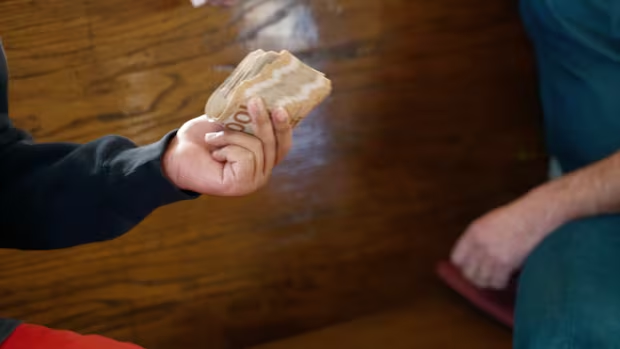
在接受采访时,凯掏出一叠厚厚的100美元钞票,演示金钱如何能迅速诱导男孩贩毒。
During his interview with , Kai pulled out a thick stack of $100 bills to demonstrate how quickly money could influence a boy to sell drugs.
“只要有这个,你就会受影响。”他说,在原住民社区,一颗羟考酮药片能卖到 200 加元,涉案金额可能巨大。
"All it takes is this and you're influenced." He said the amounts involved can be enormous in First Nations communities where an oxycodone pill can sell for $200.
“那种被塞进这些男孩口袋、塞进这些男孩手里、让他们跑遍全省去贩卖的东西……人们会为它不惜一切代价。”
"That substance that is being put in these boys' pockets and these boys' hands to go deal over the province … people will do anything for."
那个再也没回家的男孩 2025 年 3 月 27 日,Jay'siiah Webb-Long 拎着一个看起来几乎空空如也的单人行李袋,走出了他在安大略省布兰普顿的家门。
The boy who never came home On March 27, 2025, Jay'siiah Webb-Long walked out of his family's home in Brampton, Ont., carrying a single duffel bag that appeared nearly empty.
家人提供的门铃摄像头录像显示,这名 15 岁少年在自家门廊的回收箱里放进一个纸箱,环视街道后便消失在画面之外。他的故事登上了全国头条新闻。
Doorbell camera footage provided by the family to shows the 15-year-old placing a single box in the recycling bin on his front porch, scanning the street before disappearing out of frame. His story made national headlines.
“有人在他失踪后发给我照片,”他的母亲 Shenice Long 说。
"Somebody had sent me photos after his disappearance," said Shenice Long, his mother.
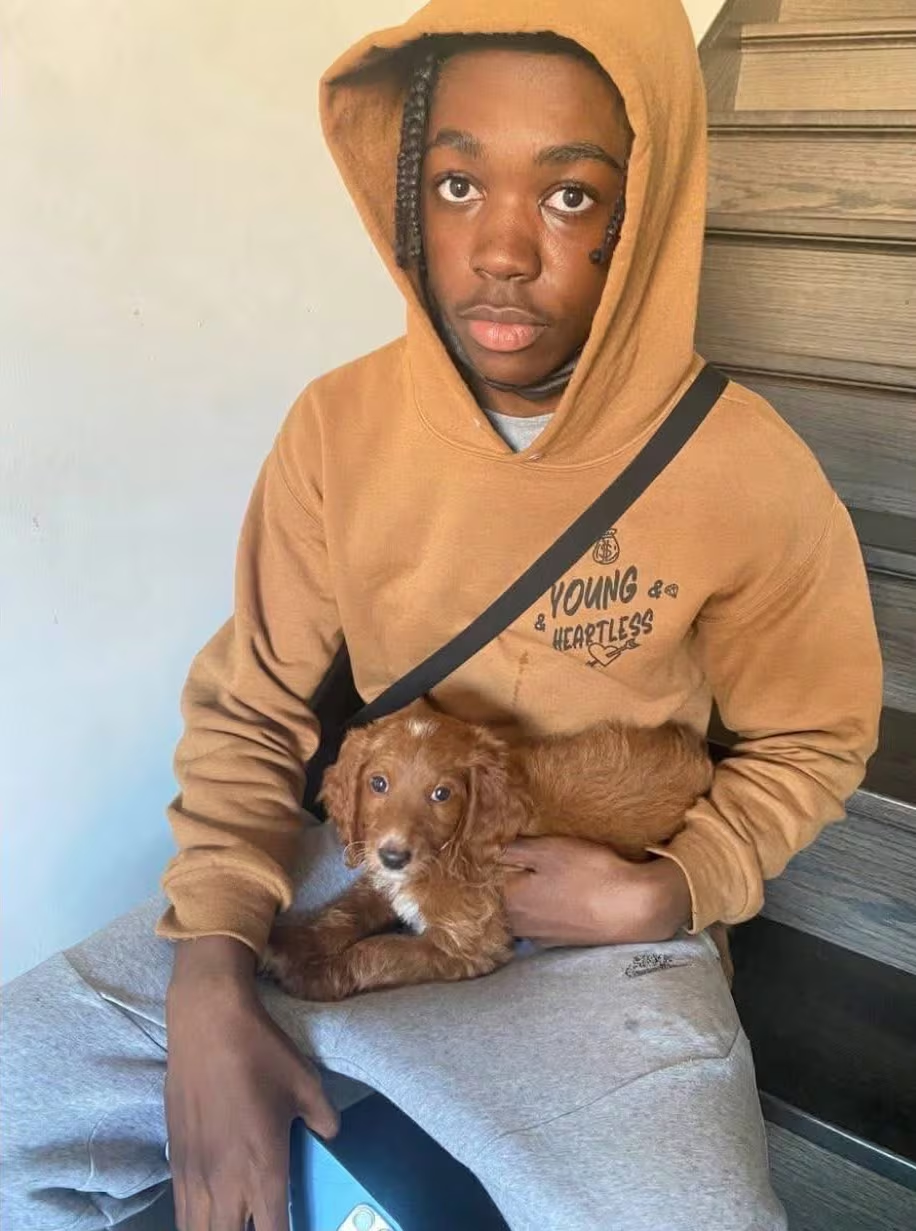
“她发来他拿着一沓沓现金的照片。所以那时我就想,‘好吧,有人把他送到很远的地方……去赚钱。’” Long 说,儿子离家后她与他保持了数周联系,但他始终不肯透露自己在哪里。
"She had sent photos of him holding stacks of money. So, at that point, I said, 'OK, somebody has sent him far out … to make money.'" Long said she remained in contact with her son for weeks after he left home. But he would not tell her where he was.
Jay'siiah 的家人告诉,他们对皮尔区警方和萨斯喀彻温省皇家骑警的行动感到沮丧,例如皮尔区警方花了八周时间才向公众发布 Jay'siiah 失踪的警报。
Jay'siiah's family told they are frustrated with action from Peel Regional Police and the RCMP in Saskatchewan, citing for example that it took Peel police eight weeks to alert the public that Jay'siiah was missing.
Long 说,警方用一个她从未给过儿子的电话号码,将他的位置追踪到萨斯喀彻温省北部的 Pelican Narrows 社区,那里距离他在布兰普顿的家约 3000 公里。这个号码只有在公众警报发布、一名年轻女性站出来提供线索后才浮出水面。
Long said police used a phone number she never had for her son to trace his location to Pelican Narrows, Sask., a northern community about 3,000 kilometres from his home in Brampton. This number only surfaced when the public alert came out and a young woman came forward.
“我听说过萨斯喀彻温省,但……我在那里没有亲戚,也不认识任何人,”Long 说。
"I heard of Saskatchewan, but … I don't have family there. I don't know anyone there," Long said.
2025 年 7 月,萨斯喀彻温省皇家骑警接手案件,将其作为凶杀案调查。直到 2025 年 9 月才向公众通报这一转变。
In July 2025, Saskatchewan RCMP took over the file as a homicide investigation. They didn't alert the public of this shift until September 2025.
警方告诉家人,搜寻工作因冬季天气而推迟。春天来临时,调查人员告诉家人,他们计划在 Pelican Narrows 附近展开搜寻——由尸体搜寻犬带队。
Police told the family a search was delayed by winter weather. In the spring, investigators told the family they planned to search near Pelican Narrows — led with cadaver dogs.
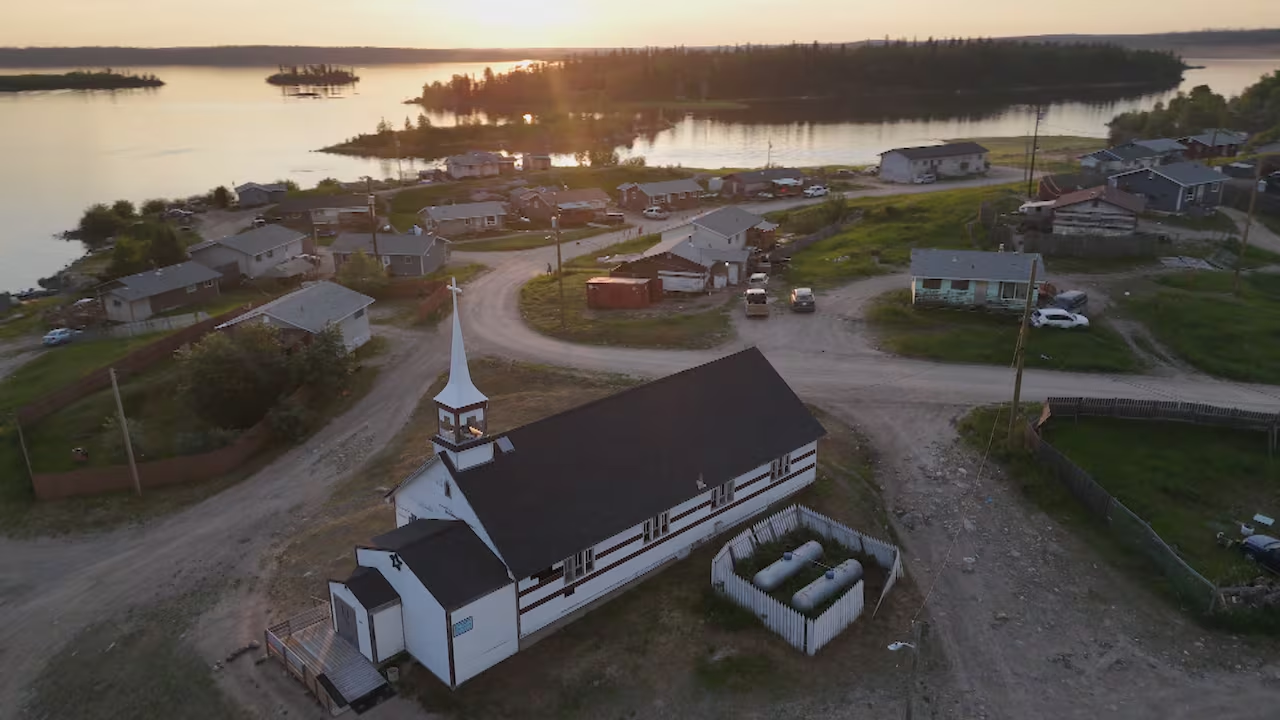
5月13日,在当地社区外的一处污水塘附近发现了人类遗骸。两天后的尸检证实,该遗骸属于韦布-朗。
On May 13, human remains were found near a sewage lagoon just outside the community. An autopsy confirmed two days later that the remains belonged to Webb-Long.
加拿大皇家骑警认为他的死是一起凶杀案。调查仍在进行中,目前尚未就他的死讯提出任何指控。
RCMP believe his death was a homicide. The investigation is ongoing and no charges have been laid in connection with his death.
失踪——且并非总被上报 2024年,有多达322名未成年男性向多伦多警方报案失踪。加拿大统计局的数据显示,黑人男孩几乎占了这些失踪人员的一半,尽管他们在该市该年龄段人口中占不到10%。
Missing — and not always reported In 2024, 322 male youth were reported missing to Toronto police. Statistics Canada data shows Black boys account for almost half of those missing, despite representing less than 10 per cent of the city's population of that age group.
调查发现,并非每个家庭都会上报其未成年子女失踪。就杰西亚·韦布-朗(Jay'siiah Webb-Long)而言,直到他离家三周后,他的母亲才提交正式报告。她表示,她在48小时后曾致电皮尔区警察局,但警方劝阻了她,因为她当时仍与他保持着联系。
has found not every family reports their youth missing. In the case of Jay'siiah Webb-Long, his mother didn't file a formal report until three weeks after he had left home. She told she had called Peel Regional Police after 48 hours but they dissuaded her because she was still in contact with him.
“哪怕有一个未成年人失踪也太多了,”多伦多及周边地区暴力干预专家兼家庭工作者克里斯蒂娜·刘易斯(Christene Lewis)说。她为许多有未成年子女失踪并“离家出走(OT)”的家庭提供支持。这是她所了解的生活,因为她曾亲历其中。
"One youth missing is too [many]," said Christene Lewis, who is a violence intervention specialist and works with families in Toronto and surrounding areas. She supports many families who have youth that go missing and go "OT." It's a life she knows because she lived it.

“我来自帮派文化,”刘易斯说,“我经历过孤立感,我曾觉得街头比我自己的家人对更忠诚。”刘易斯表示,一些父母迟迟不愿报告孩子失踪,是因为他们担心孩子们会被当作离家出走者对待,而不是面临风险的年轻人。其他人则感到羞耻和尴尬。刘易斯表示,边缘化社区与警察之间也存在信任破裂。
"I come from the gang culture," Lewis said. "I come from feeling isolated, I've come from feeling like the streets were more loyal to me than my own family was Lewis said some parents hesitate reporting their child missing because they fear their kids will be treated as runaways rather than young people at risk. Others feel shame and embarrassment. Lewis said there is also a breakdown of trust between marginalized communities and police.
“他们觉得警察根本不在乎。”刘易斯给父母的建议是:务必报告孩子失踪并持续跟进。
"They don't feel like the police even care." Lewis's advice to parents: Always report a missing kid and keep following up.
“如果他们第一天没理你,第二天就打,”她说,“不要放弃。”阿里亚(Aria)还记得,当明确得知自己的儿子去了某个原住民社区贩毒时,那是怎样的情况。“他讲着故事,就像刚从夏令营回来一样,”她说。他会不定期地离家出走,回来时身穿名牌服装、带着钱。阿里娅说,她家的窗户也曾三次遭人枪击。
"If they didn't hear you the first day, call the next day," she said. "Don't give up." Aria remembers when it first became clear her son had gone to a First Nations community to sell drugs. "He was telling stories like he came back from camp," she said. He would leave home sporadically, returning home with designer clothing and money. Aria said she has also had the windows of her home shot at three times.

现在,每当凯伊失踪,她都会报警,并收集可能有助于警方找到他的证据。“这不是你能跟它达成和解的事,”她说,“这是错事。”“没人会就这样放你走”贾马尔说,招募他的人至今仍在联系他,告诉他欠他们钱。
Now, when Kai goes missing, she reports him and collects evidence that might help police locate him. "This is not something you make peace with," she said. "This is something that's wrong." 'Nobody's just going to let you go' Jamal said the people who recruited him continue to contact him and tell him he owes them money.
“他们会一直发短信给你,告诉你有这个机会……没人会就这样放你走。”凯伊也曾试图离开。他去夏令营度过了一个夏天,回来时下定决心要摆脱帮派生活。
''They're going to keep texting you, telling you that they got this opportunity …nobody's just going to let you just go." Kai has also tried to leave. He spent the summer away at camp and returned determined to get out of gang life.
“现在我意识到人间地狱是什么样子了……我再也不想回去了,”他在8月份说。但阿里娅说,那些短信还在继续。
"Now that I realize what kind of hell on earth is like … I never want to go back there," he told in August. But Aria said the messages continued.
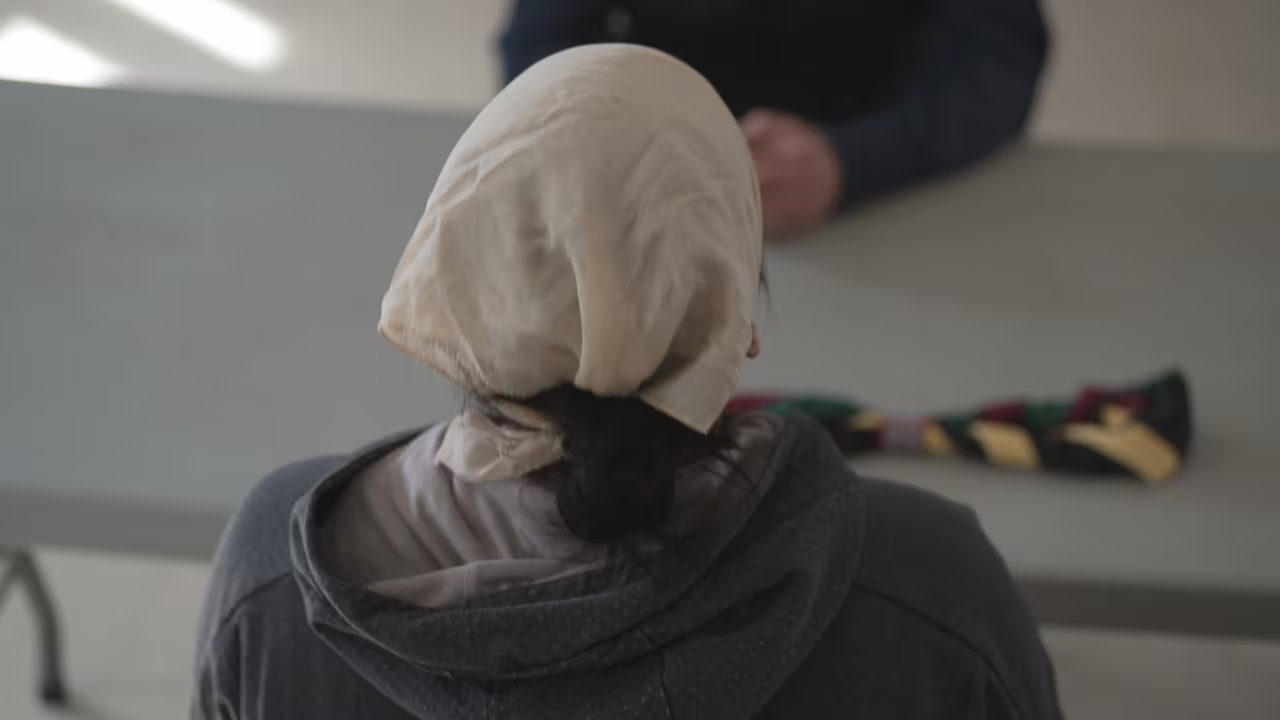
她在一个兄弟姐妹的手机里发现了关于凯伊的短信,内容写道:“我不会把你弟弟还给你”和“他是我的奴隶。”她相信这些短信证明她的儿子正在被贩运。
She found text messages about Kai from a sibling that read: "I will not be returning your little bro" and "he's my slave.”She believes the messages are proof her son is being trafficked.
在凯伊即将升读十年级的前一晚,他又离家出走。此后他多次回家又离家。
Kai left home again the night before he was set to start Grade 10. He returned home and left again several times.
阿里娅担心,即使凯伊设法摆脱帮派,他们仍会继续追逐、操控他,用金钱和归属感引诱他。凯伊正面临贩毒指控。
Aria fears that even if Kai manages to break free from the gangs, they will continue to chase and manipulate him, tempting him with money and a sense of belonging. Kai is facing drug trafficking charges.
“这个怪物存在,而且会一直存在于他作为青年、作为成年人的道路上,”阿里娅说,“我不认为这个怪物会永远消失。”
"This monster exists and it's going to exist on his path as a young man, as an adult," Aria said. "I don't think that this monster ever goes away."