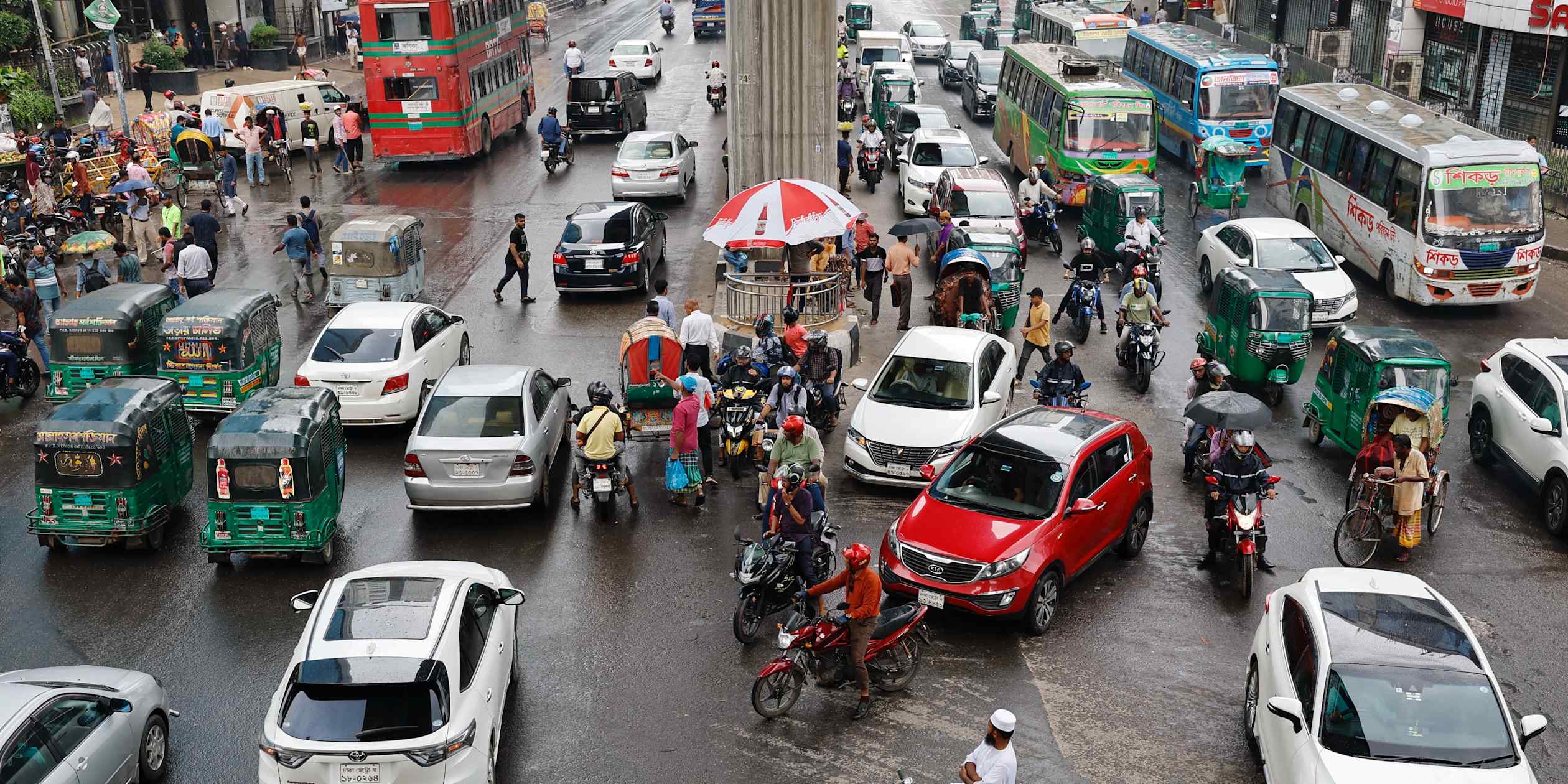
达卡——孟加拉国和尼泊尔这两个面临困境的南亚经济体获得了额外三年的过渡期,之后再从最不发达国家(LDC)名单中毕业。在经历了连续的内部和外部冲击后,此举缓解了它们的贸易准入压力,以便为重新分类做好进一步准备。
DHAKA -- Bangladesh and Nepal, two struggling South Asian economies, have been granted three more years before graduating from least developed country (LDC) status, easing their trade access as they make further preparations for reclassification after successive internal and external shocks.
此项决定是在周四举行的联合国大会会议上批准的,在此之前,根据大会三年前的决定,两国原本定于11月24日从最不发达国家类别中晋升。这两国于20世纪70年代被列为最不发达国家。
The move, granted at a meeting of the United Nations General Assembly on Thursday, came ahead of their scheduled move up from the LDC category on Nov. 24, in line with a decision by the assembly three years ago. The two were classified as LDCs in the 1970s.
*联合国经济及社会理事会(经社理事会)在建议中表示,两国退出的准备工作受到了新冠疫情挥之不去的影响、气候变化相关灾害、地缘政治冲突以及国际贸易和能源供应中断的阻碍。理事会称,围绕移民就业、侨汇和旅游业的不确定性增加了进一步的压力。
The United Nations Economic and Social Council (ECOSOC) said in its recommendation that the two countries' graduation preparations had been set back by the lingering effects of the COVID-19 pandemic, climate change-related disasters geopolitical conflicts and disruptions to international trade and energy supplies. Uncertainties around migrant employment, remittances and tourism had added further pressure, the council said.
这些外部冲击与国内动荡同时发生,例如两国均爆发了由青年领导的起义,并导致了政府更迭。2024年,孟加拉国的抗议活动导致当时的领导人谢赫·哈西娜逃往印度,直到今年2月才选出新政府取代过渡管理当局。今年3月,在去年秋天的广泛抗议之后,尼泊尔选举由说唱歌手出身的市长巴伦德拉·沙阿担任总理。
These external shocks have coincided with domestic upheaval, such as youth-led uprisings in both countries that led to changes of government. In 2024, protests in Bangladesh caused then-leader Sheikh Hasina to flee to India, and it was only in February that a new government was elected to replace an interim administration. In March, Nepal elected rapper-turned-mayor Balendra Shah as prime minister following widespread protests last fall.
经社理事会还呼吁两国推进国内改革,以解决长期的结构性脆弱问题,例如缺乏出口多元化、金融部门不稳定以及过度依赖境外侨汇和旅游业。它还强调了与双边、区域和多边发展及贸易伙伴合作的重要性。
ECOSOC also called for the two countries to move ahead with domestic reforms aimed at addressing persistent structural vulnerabilities, such as lack of export diversification, financial sector instability and overreliance on foreign remittances and tourism. It also emphasized the importance of cooperation with bilateral, regional and multilateral development and trade partners.
联合国大会主席哈利卢尔·拉赫曼表示:“最近发生的政治过渡加剧了外部冲击,并限制了政府的应对能力。”他补充说,这额外三年“不是从毕业中退缩”,而是“对其取得成功的一项投资”。
"The political transitions that took place recently have compounded external shocks and constrained the governments' capacity to respond," said General Assembly President Khalilur Rahman, adding that the three additional years are "not a retreat from graduation," but "an investment in making it succeed."
大会还鼓励孟加拉国推进结构性改革,并要求尼泊尔实施明确的有时间限制的计划,以调整和重新确定其过渡战略的优先顺序,因为这个喜马拉雅国家最近受到了与人类活动引起的气候变化相关的毁灭性洪水的打击。“私营部门和公共部门都必须做好充分准备,”孟加拉国工商联合会行政长官穆罕默德·法兹鲁尔·霍克表示,“因为未来我们不会再有这样的机会。”
The assembly also encouraged Bangladesh to advance structural reforms, and asked Nepal to implement a clear time-bound plan to adjust and reprioritize its transition strategy, as the Himalayan nation was recently hit by a devastating flood linked to human-induced climate change "The full preparations have to be taken by both the private and public sectors," said Md. Fazlul Hoque, administrator of the Federation of Bangladesh Chambers of Commerce and Industry, "because we won't get a further chance in the future."
作为最不发达国家集团的成员,孟加拉国和尼泊尔长期享有免关税、免配额的市场准入、低息信贷支持以及国际贸易中的特殊优惠。从该类别毕业可能会削弱或取消这些优惠,而两国政府坚称它们仍然依赖这些优惠。根据孟加拉国“RAPID”智库的分析,摆脱最不发达国家地位将导致其出口面临平均12.50%的关税。
As members of the LDC group, Bangladesh and Nepal have long enjoyed duty-free and quota-free market access, low-interest credit support and special preferences in international trade. Graduation from the category could have curtailed or eliminated these benefits, which their governments insist they still rely on. Moving up from LDC status would have resulted in an average tariff of 12.50% on their exports, according to analysis by the RAPID Bangladesh think tank.
穆斯塔菲祖尔·拉赫曼是总部位于达卡的智库“政策对话中心”的杰出研究员,曾任政府最不发达国家过渡战略顾问,他将这次延期称为孟加拉国和尼泊尔做准备的“绝佳机会”。但他指出,它们不能无限期地依赖最不发达国家的优惠。
Mustafizur Rahman, a distinguished fellow at the Dhaka-based Centre for Policy Dialogue think tank and previously a government adviser on LDC transition strategy, termed the extension a "golden opportunity" for both Bangladesh and Nepal to prepare. But he noted that they cannot rely on LDC benefits indefinitely.
他说:“我们必须摆脱依赖市场准入的竞争,转向依赖效率、生产力和投资的竞争。”他补充说,物流、基础设施和贸易机制都需要升级。
"We must shift away from market access-dependent competition and move toward efficiency-, productivity- and investment-dependent competition," he said, adding that logistics, infrastructure and trade mechanisms all need to be upgraded.
尽管孟加拉国已与日本和韩国签署了经济伙伴关系协定,且欧盟也曾提出在该国脱离最不发达国家地位后继续提供三年免关税准入,但达卡对过渡期的贸易准备工作被认为有所欠缺。
Although Bangladesh has signed economic partnership agreements with Japan and South Korea, and the European Union had offered to extend duty-free access for three years after it moved out of LDC status, Dhaka's trade preparations for the transition had been seen as lacking.
拉赫曼说:“我们还需要签署更多此类贸易协定,以便我们在2029年脱离最不发达国家地位时能够保持市场准入。我认为我们的区域合作也需要深化,以便我们能够利用它来摆脱最不发达国家地位。”
"We also need to sign more of these kinds of trade deals so that when we graduate from LDC status in 2029 we can maintain our market access," Rahman said. "I think our regional cooperation also needs to be deepened so that we can utilize it for our graduation from LDC [status]."
孟加拉国服装制造商和出口商协会前会长法鲁克·哈桑表示,延期将对孟加拉国和尼泊尔有所帮助,但它们应争取更长时间的延期,目标是六年,以进一步降低最不发达国家毕业的风险。他说:“许多国家在取消最不发达国家特权后陷入了中等收入陷阱。”
Faruque Hassan, a former president of the Bangladesh Garment Manufacturers and Exporters Association, said that the deferment would help Bangladesh and Nepal, but that they should push for a further extension, aiming for six years, to further reduce the risks of LDC graduation. "Many countries fell into the middle-income trap after the LDC privileges were removed," he said.
世界银行达卡办事处前首席经济学家扎希德·侯赛因表示,必须汲取以往准备不足的教训。他说:“如果这段延长的时期造成了一种虚假的安全感和松懈的模式,紧迫感就会消失,争取来的时间也将完全白费。”赛福尔·伊斯兰是特约撰稿人。
Zahid Hussain, a former lead economist at the World Bank's Dhaka office, said lessons need to be learned from the previous lack of preparation. "If this extended time creates a false sense of security and a relaxed mode, the urgency will be lost and the bought time will be completely useless," he said. Syful Islam is a contributing writer.