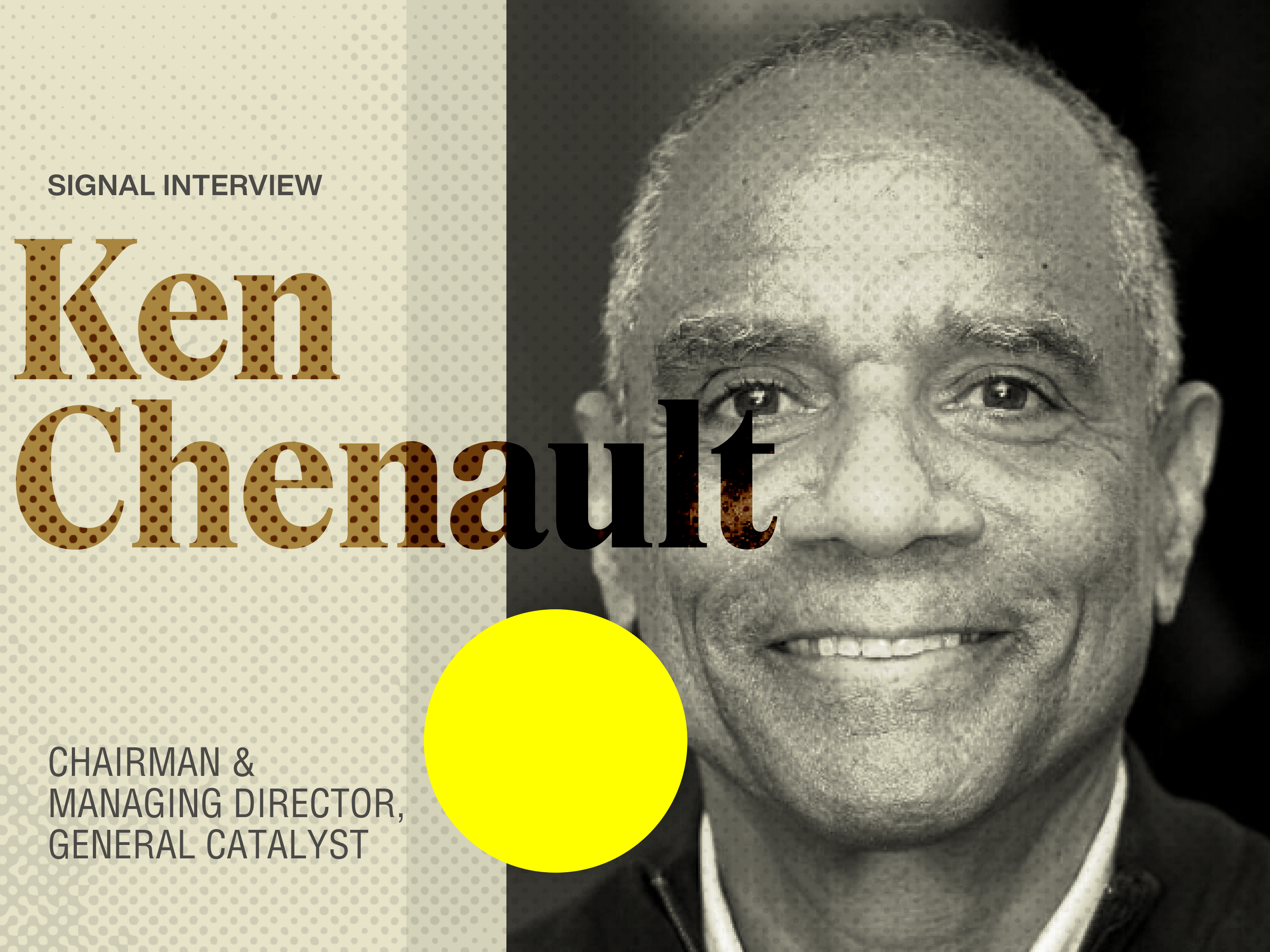
肯·切诺特向同行发出警告:对下周美国中期选举的任何干预都应是一条“红线”,企业领袖应当挺身而出,捍卫美国的民主规范。但这位风投公司General Catalyst颇具影响力的董事长担心,一些领袖已经看不清这条线该划在哪里,因为他们已经背离了就在几年前还公开倡导的社会责任议程。
The CEO Signal Any interference in next week’s US midterm elections should be a “red line” that prompts business leaders to rally behind American democratic norms, Ken Chenault is warning his peers. But the influential chairman of venture capital firm General Catalyst worries that some leaders have lost sight of where to draw such lines, as they’ve retreated from a social responsibility agenda they espoused just a few years ago.
切诺特是最早领导《财富》500强公司的黑人CEO之一,曾执掌美国运通17年。他说,那些担心周二选举遭到干预、或担心围绕选举结果出现破坏性争执的人一直在给他打电话,问他:“商界会站出来吗?”2021年,切诺特曾帮助动员数百名其他公司的高管反对限制投票权的法案。但他认为,如今要召集高管们做出同样的回应将“非常困难”。当年,在2020年大选前后以及随后美国国会大厦遭冲击之际,企业纷纷发表声明,支持权力的和平交接。
Chenault, who was one of the first Black CEOs to lead a Fortune 500 company and ran American Express for 17 years, says people concerned about meddling in Tuesday’s election or damaging disputes over the results have been calling him to ask: “Will business stand up?”In 2021, Chenault helped rally hundreds of executives in other companies to oppose restrictive voting bills. But he thinks it would be “very challenging” to muster the same response from executives now. Back then, businesses issued statements in favor of a peaceful transfer of power around the 2020 election and subsequent attack on the US Capitol.
但他指出,此后他们“退缩了”。“他们说,‘以下是我们不会做的事。’可后来,事实上,他们变了。再后来,大锤就落下来了。”眼看着唐纳德·特朗普在第二任期内对律师事务所、大学和企业下手,CEO们已经不再就那些他们担心会招致高昂反噬的议题公开发表评论。
But they’ve since “backed down,” he notes. “They said, ‘Here’s what we’re not going to do.’ And then, in fact, they changed. And then the hammer came down.”CEOs have pulled back from public comment on issues they fear will attract a costly backlash, having watched President Donald Trump go after law firms, universities, and corporations in his second term.
一些美国官员对中期选举公正性可能受到的威胁表示担忧,活动人士也呼吁CEO们公开支持自由、公正的选举。前财政部长罗伯特·鲁宾最近撰文称,对选举进程的任何操纵都将产生持久的经济影响。但美国大型公司中,极少有在任CEO公开附和这类担忧,投资者也一直保持平静。
Some US officials have raised concerns about possible threats to the integrity of the midterms and campaigners have called on CEOs to express support for free and fair elections. Robert Rubin, the former Treasury Secretary, wrote recently that any manipulation of the process would have lasting economic effects. But very few active CEOs of large US companies have echoed such concerns publicly, and investors have been calm.
“人们感到后果令人恐惧,”陈纳德说。一些高管认为投票权是一个过于政治化、不宜触碰的话题,但“它不是政治问题;我们谈论的是一项基本权利。我们不是在说共和党还是民主党。”在下周即将出版的回忆录中,陈纳德提出了一个许多首席执行官不愿提出的观点:企业保护民主进程“至关重要”。
“People feel threatened by consequences,” Chenault says. Some executives see voting rights as too political a topic to touch, but “it’s not political; we’re talking about a fundamental right here. We’re not saying Republican [or] Democrat.”In a memoir that will be published next week, Chenault argues a point many CEOs won’t: that it is “vitally important” for business to protect the democratic process.
他写道:“随着选举诚信受到损害,部分民众变得疏离,社区变得不那么稳定、不那么繁荣,个别企业也会遭受损失。”
“As the integrity of elections becomes compromised, segments of the population become alienated, communities become less stable and less prosperous, and individual businesses suffer,” he writes.
陈纳德的立场在美国企业界似乎日益孤立。他强调,并不认为每位首席执行官都必须对每一个社会或政治争议公开表态,“但我们需要几个人站出来。” 让企业走出旁观者角色 沃伦·巴菲特曾任命陈纳德进入伯克希尔·哈撒韦董事会,他称陈纳德为“企业领袖的黄金标准,也是我衡量他人的基准”。这位前律师因带领美国运通度过包括“9·11”袭击、2008年金融危机和美国反垄断调查在内的多重困境,赢得了美国商界高层的广泛尊敬。
Chenault’s stance seems an increasingly lonely one in corporate America. He does not believe that every CEO should have to take a public position on every social or political controversy, he stresses, “but we need a few people.”A call to get business off the sidelines Warren Buffett, who appointed Chenault to the board of Berkshire Hathaway, has called him “the gold standard for corporate leaders and the benchmark that I measure others against.”The onetime lawyer earned widespread respect in the upper reaches of US business for the way he led Amex through struggles including the September 11 attacks, the 2008 financial crisis, and a US antitrust probe.
“我认为我面对的重大挑战比坦白说,当今一些首席执行官面对的都要多,”他说。但他并不贬低这一代高管所面临环境的复杂性,表示“人工智能的变革性影响、地缘政治环境、以及向威权主义发展的日益增长的趋势,都是生存挑战。” 陈纳德的新书既是他“独特的美国故事”的个人叙述,也是试图引导继任者应对这些挑战。书的结尾呼吁更广泛地“重新平衡”企业与社会的关系,他暗示这将要求企业领袖在从民主到多元化等问题上采取更大胆的立场。
“I think I confronted more major challenges than frankly, some of the CEOs of today,” he says. But he does not belittle the complexity of the environment facing this generation of executives, saying that “the transforming impact of AI, the geopolitical environment, [and] the increasing movement to authoritarianism [are] existential challenges.”Chenault’s book is both a personal account of his “uniquely American story” and an attempt to guide his successors through those challenges. And it ends with a call for a broader “rebalancing” of the relationship between business and society, which he implies will require a bolder stance from business leaders on issues from democracy to diversity.
他写道:“我记不得有哪个时刻比今天更需要勇气。”他在采访中补充道:“企业不能只站在场边。”
“I can’t recall a moment that has called for greater courage than today,” he writes, adding in an interview: “Business can’t afford to just be on the sidelines.”Chenault, who has mentored founders including Airbnb’s Brian Chesky in his role at General Catalyst, says he often asks CEOs what their core beliefs are beyond their strategy and which “red lines” they would never cross in business. He has grown concerned that “people are increasingly uncomfortable with that question,” he says, adding that executives should see any election interference as one of those boundaries.
陈纳德在通用催化担任职务期间指导过包括Airbnb联合创始人布莱恩·切斯基在内的创始人。他说,他经常问首席执行官们,除了战略之外,他们的核心信念是什么,以及在商业中绝不会跨越哪些“红线”。他表示,自己越来越担忧“人们对这个问题感到越来越不自在”,并补充说,高管们应将任何选举干预视为这些底线之一。
Organizations that know what behavior they would find beyond the pale have the advantage of being able to prepare for how to respond if they encounter it, Chenault says. The Harvard Corporation, the university governing body on which he served until earlier this year, discussed its red lines “before things happened,” he says, referring to the Trump administration’s multi-front campaign against the institution.
陈纳德说,清楚知道何种行为不可接受的组织,拥有在遇到此类情况时准备好如何应对的优势。他曾任职于哈佛大学理事会(该校的管理机构),直到今年早些时候卸任。他说,理事会“在事情发生前”就讨论过其红线,指的是特朗普政府对该校发起的多方面攻势。
Some people told him privately that they agreed with how Harvard responded, but said, “I could never do that; I’ve got to be silent,” Chenault says. “I’ve said to people, you can’t be silent about principles.”
陈纳德说,有人私下告诉他,他们赞同哈佛的应对方式,但表示:“我绝做不到那一步;我必须保持沉默。”陈纳德说:“我对人们说过,你不能对原则保持沉默。”“自豪的资本家”为社会责任辩护陈纳德自称“自豪的资本家”,但他长期以来拒绝接受米尔顿·弗里德曼的观点,即企业唯一的社会责任就是在“游戏规则”范围内利用资源增加利润。陈纳德说:“我认为企业之所以存在,是因为社会允许它存在。对我来说,这赋予了一定程度的责任。”
A ‘proud capitalist’ makes the case for social responsibility Chenault calls himself a “proud capitalist,” but he has long rejected Milton Friedman’s argument that the only social responsibility a business has is to use its resources to increase its profits “within the rules of the game.”“I believe that business exists because society allows it to exist. And, to me, that confers a level of responsibility,” Chenault says.
作为需要改变的一个例子,他引用并改写了一句由Meta创始人推广的名言——陈纳德曾短暂担任其董事会成员,现在却说那“并不适合”他。“‘快速行事,打破常规’的时代已经结束,”他说。“显然这句话出自马克·扎克伯格之口,但我认为,商界总体上和科技界具体来说,都有一系列人已经忽视了他们的责任是什么。”
As an example of what needs to change, he adapts a line popularized by the founder of Meta, whose board Chenault briefly served on and now says was “not a fit” for him. “The era of ‘move fast and break things’ is over,” he says. “Obviously that line is attributed to Mark Zuckerberg, but I think there are a range of people in business generally and technology specifically that have lost sight of what their responsibilities are.”
他说,企业的社会经营许可正面临威胁,“其中一些是我们自己的过错。”一些商业领袖认为“比其他人更清楚社会需要什么,因为我聪明得多,所以最聪明的人应该统治”,他说。其他高管则认为,“我没空管这些生存层面的问题。我只需要专注于我的业务。”
Companies’ social license to operate has come under threat, he says, “and some of it is our fault.”Some business leaders think “I know better what society needs than the rest of the people because I’m far more intelligent, and so the most intelligent should rule,” he says. Other executives, he says, think, “I can’t be bothered with all these existential issues. I’ve just got to focus on my business.”
面对这种观点,陈纳德描述他所呼吁的“重新平衡”是“一种承认:要赢得开明社会的信任,你必须本着核心价值观、信念、品格和正直,为该社会服务的重新平衡。”《纽约时报》详细报道称,州和地方选举官员对联邦政府的介入日益感到焦虑。
Chenault describes the “rebalancing” he is calling for in the face of such views as “one that acknowledges that to earn the trust of an enlightened society, you must act in service to that society with core values, beliefs, character, and integrity.”Notable State and local elections officials are increasingly anxious about incursions from the federal government, The New York Times detailed.