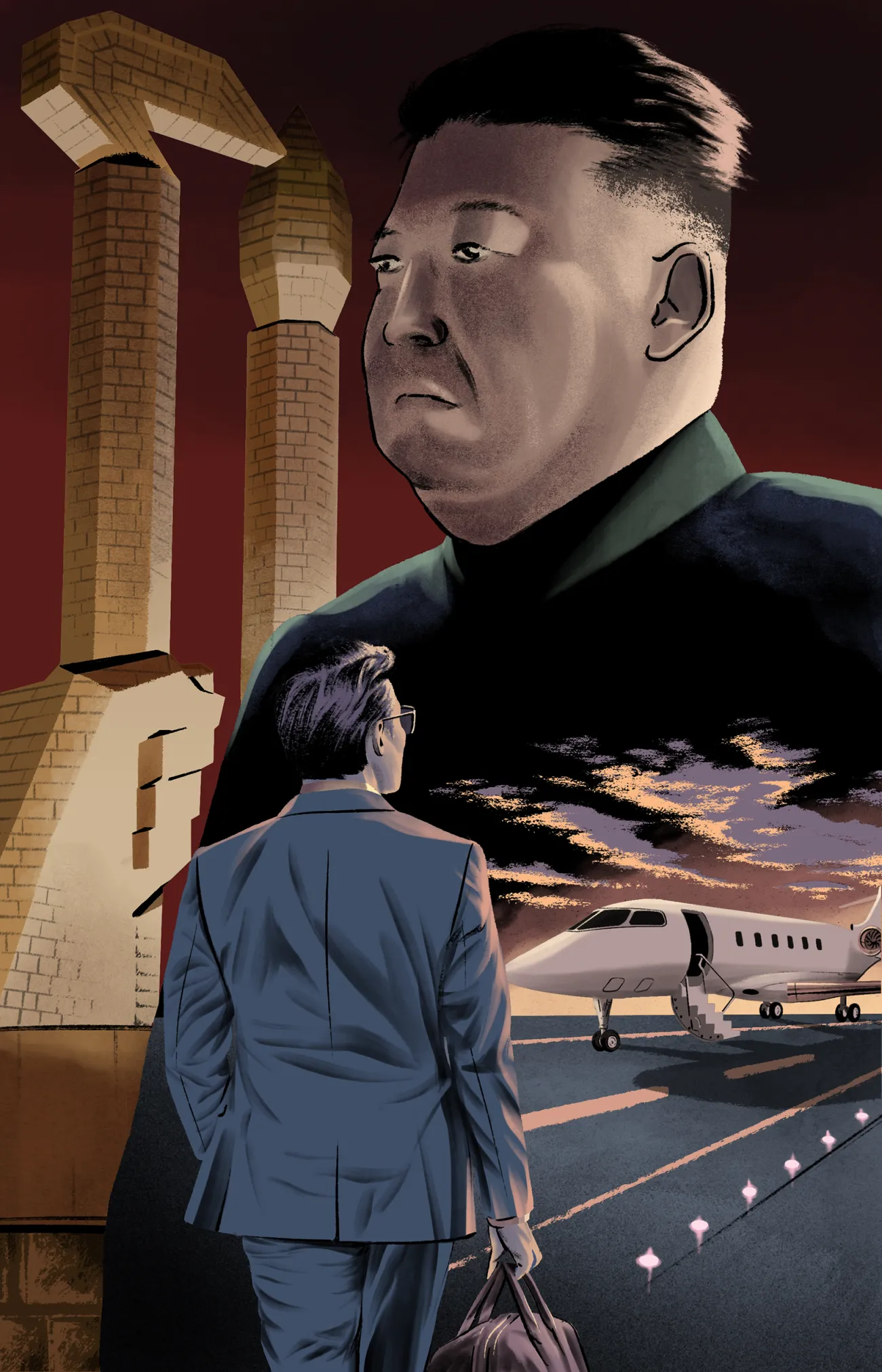
2015年,朝鲜外交官太永浩接到了一项不同寻常的任务。朝鲜领导人金正恩的哥哥金正哲要来伦敦参加埃里克·克莱普顿的演唱会,当时派驻伦敦的太永浩被指派负责接待他。为统治家族提供直接服务,对朝鲜官员及其家庭而言是一种荣誉,因此太永浩以为他的两个儿子会对此印象深刻。
In 2015, the North Korean diplomat Thae Yong Ho received an unusual assignment. Kim Jong Chol, the older brother of North Korean leader Kim Jong Un, was coming to London to attend an Eric Clapton concert, and Thae, who was then stationed in London, was assigned to look after him. Providing direct service to the ruling family confers honor onto North Korean officials and their households, so Thae expected his two sons to be impressed.
出乎太永浩意料的是,他的儿子们义愤填膺。他们告诉他,普通朝鲜人若收听西方音乐,可能会被开除出大学(甚至更糟)。而现在,金氏家族却在一个晚上花费数千美元,享受其他所有朝鲜人都被禁止的娱乐。太永浩后来在回忆录中写道,在他孩子们的眼中,他是一个被迫照顾监狱看守的囚犯。他们的反应让他感到羞愧。
To Thae’s surprise, his sons were outraged. Ordinary North Koreans could be expelled from university (or worse) for listening to Western music, they told him. And now the Kim family was spending thousands of dollars in a single evening to enjoy entertainment forbidden to all other North Koreans. In the eyes of his children, Thae later wrote in his memoir, , he was a prisoner forced to take care of a prison warden. Their reaction left him ashamed.
第二年,太永浩与妻子和儿子们逃往韩国。他的叛逃令国际社会感到意外。就在几周前,太永浩还在极力捍卫朝鲜政权。然而,对于那些了解朝鲜精英阶层生活的人来说,这种前后矛盾的行为并不陌生:官员们可以宣称对金氏家族忠心耿耿,直到他们出逃的那一天。公开行为与私下信念之间的差距,从外部很难观察到。
The next year, Thae, his wife, and their sons escaped to South Korea. His defection surprised the international community. Only weeks earlier, Thae had been defending the North Korean regime with great fervor. Yet this incongruous behavior is familiar to those who understand life among North Korea’s elite: officials can profess full devotion to the Kim family right until the day they run. The gap between public conduct and private belief is difficult to observe from the outside.
十多年来,我采访了数十位前外交官、朝鲜劳动党干部、军官、商人和技术人员,他们都曾在平壤生活、学习或工作过。这些人掌管着党、军队、使馆、外汇生意以及国家赖以生存的技术项目。他们享受着国家所能提供的最好的教育、住房、食物,并能进入有影响力的社交圈。有些人曾真心相信这个体制;另一些人则早早明白,忠诚只是他们必须在全国范围内、贯穿一生的表演中装模作样扮演的角色——如今这场表演的指挥是金正恩。几乎所有人都描述了一个承受着日益加剧压力的精英阶层。
For over a decade, I interviewed dozens of former diplomats, Korean Workers’ Party cadres, military officers, businesspeople, and technicians, all of whom had lived, studied, or worked in Pyongyang. These people ran the party, military, embassies, foreign-currency businesses, and technical programs on which the state depends for its survival. They received the best education, housing, food, and access to influential social networks their country could provide. Some once believed sincerely in the system; others learned early that loyalty was a role they had to pantomime in a nationwide, lifelong performance—now with Kim Jong Un as the maestro. Nearly all described an elite class under growing strain.
自2011年12月金正恩掌权以来,他通过对党内高级官员和军官中的老一代进行大规模清洗,并以轻微政治失误为由处决其他人,加强了对该国精英的掌控。许多朝鲜精英成员担心,自己或家人可能随时被处死。而他们的出逃途径正在收窄;自从金正恩在新冠疫情期间封锁边境以来,抵达韩国的脱北者人数骤降。
Since Kim Jong Un came to power in December 2011, he has tightened his grip on the country’s elites by carrying out sweeping purges of the old guard of senior party officials and military officers and executing others for minor political missteps. Many members of North Korea’s elite fear that they or their families can be killed at the drop of a hat. And their escape routes are narrowing; since Kim sealed off the borders during the COVID-19 pandemic, the number of North Korean defectors reaching South Korea has plummeted.
那些仍能设法逃出的朝鲜人越来越多地来自精英阶层。截至2024年8月,韩国国家情报院报告称,在金正恩执政时期记录在案的朝鲜上层阶级叛逃人数,是金日成(1948年至1994年)和金正日(1994年至2011年)执政时期合计观察到的总数的2.5倍。绝对数字仍然很小——只有数百人——而且将这一趋势解读为政权即将崩溃的先兆是错误的。朝鲜在防止个人不满演变为有组织反对方面极为有效。政权不需要每一位官员都信仰它。但它需要让怀疑者在自己的怀疑和幻灭中感到孤立无援。
Those North Koreans who still manage to escape increasingly come from the elite. As of August 2024, South Korea’s National Intelligence Service reported that the number of defections from North Korea’s upper class recorded under Kim Jong Un was two and a half times the combined total observed during the reigns of Kim Il Sung (1948 to 1994) and Kim Jong Il (1994 to 2011). The absolute number remains small—in the hundreds—and it would be a mistake to interpret this trend as a harbinger of imminent regime collapse. North Korea is remarkably effective at preventing private grievances from becoming organized opposition. The regime does not need every official to believe in it. But it needs its doubters to feel isolated and alone in their skepticism and disillusionment.
朝鲜长期以来被称为“隐士王国”,但这个说法给人对这个国家的错误印象。它并非完全与世界隔绝。它是一个拥有核武器的国家,与160多个国家有外交关系,并拥有世界第四大常备军和高技能的网络操作人员。绝大多数民众或许被灌输了大量国家宣传,但大多数精英都接触过朝鲜以外的生活。他们对世界如何运转以及自己国家在其中的位置有合理的认识。然而他们不得不忍受强烈的认知失调,一方面了解真实世界,另一方面又必须向本国同胞和外国人创造、执行并大肆宣扬国家的官方叙事。
North Korea has long been referred to as the “Hermit Kingdom,” but that term offers the wrong impression of the country. It is not totally isolated from the world. It is a nuclear-armed state with diplomatic relations with over 160 countries, and it has the world’s fourth-largest standing army and highly skilled cyber-operators. The vast majority of the population may be fed a robust diet of state propaganda, but most elites are exposed to life outside of North Korea. They have a reasonable sense of how the world works and their country’s place in it. And yet they have to live with intense cognitive dissonance, at once understanding the real world and having to create, enforce, and trumpet the state’s official narratives to their countrymen and foreigners.
许多朝鲜高层人士发现,维持这种平衡越来越难。特权可以换来顺从,恐怖手段可以强制服从,但国家不会给予精英阶层他们日益渴望的东西:他们和家人得到有保障的安全,子女拥有可期的未来。金正恩可以通过发放豪华公寓、提拔晋升和提供奢侈生活方式来缓解一些不满。但他无法在不放松那些保护家族统治免受权力挑战的控制手段的情况下,解决更深层的不满根源。
Many high-ranking North Koreans are finding it harder to sustain this balancing act. Access to privilege can purchase compliance—and terror can enforce it—but the state will not give elites what they increasingly want: guaranteed security for them and their families and a viable future for their children. Kim can allay some frustrations by doling out luxury apartments, promotions, and access to extravagant lifestyles. He cannot address the deeper sources of discontent without relaxing the very controls that protect his family’s rule from challenges to its power.
该政权仍有能力压制国内任何有组织的抵抗,但精英阶层日益增长的不满情绪有可能从内部削弱国家。金正恩所领导的体制日益充斥着怀疑、猜忌和普遍的不安。一旦危急关头来临,朝鲜面临真正的危机时,其最高层领导人可能不知道可以信任谁、可以求助于谁。
The regime remains capable of suppressing any organized resistance in the country, but the growing disaffection of the elite threatens to weaken the state from within. Kim presides over a system increasingly marked by doubt, suspicion, and pervasive anxiety. When the chips are down and North Korea faces a true crisis, its most powerful leaders may not know who they can trust and where they can turn.
离太阳太近。目前生活在韩国的3.4万多名朝鲜人中,大多数来自与中国接壤的贫困北方省份。他们中的许多人逃往南方是为了躲避饥荒和经济困难。他们很难接触到政权的内部运作,尽管他们对政权的残酷和掠夺有着深刻的体验。相比之下,精英脱北者来自一个完全不同的世界。他们是平壤的产物,这座约有三百万人口的首都对该国2500万公民中的大多数人封闭。
TOO CLOSE TO THE SUN Most of the more than 34,000 North Koreans now living in South Korea came from the poor northern provinces along the Chinese border. Many of them fled to the south to escape famine and economic hardship. They had little access to the regime’s inner workings, even if they had tremendous experience of its cruelty and depredations. In contrast, elite escapees come from a wholly different world. They are products of Pyongyang, a capital of roughly three million that is closed to most of the country’s 25 million citizens.
他们成长于电力 and 自来水相对可靠的条件下,就读于旨在培养下一代政权操作者的学校。他们受益于新建设的豪华住宅区、三池渊和元山-葛麻等奢华的度假城镇,以及该国在面临严厉国际制裁下持续的经济增长。朝鲜精英从事的职业范围不仅限于党的干部队伍、军队和安全部门;他们可以是艺术家、软件工程师、餐厅经理等等。政权从他们出生起就培养他们为党和金氏家族服务。
They grew up with relatively reliable electricity and running water, and attended schools designed to educate the next generation of regime operators. They benefited from the new construction of luxury residential districts, extravagant resort towns such as Samjiyon and Wonsan-Kalma, and the country’s sustained economic growth in the face of heavy international sanctions. North Korea’s elite serve in a range of occupations beyond just the party cadre ranks, the military, and the security services; they can be artists, software engineers, restaurant managers, and much else. The regime groomed them from birth to serve the party and the Kim family.
以李宗浩(Ri Jong Ho,音译)和他的儿子李贤胜(Hyunseung Lee,音译)一家为例。李宗浩在39号办公室度过了三十年,该机构为朝鲜领导层赚取并管理外汇。金正日任命他担任高级贸易和经济职务,2002年,朝鲜国家授予他劳动英雄勋章和金日成手表,这些是声誉卓著的荣誉,也是对其忠诚和爱国的表彰。李宗浩的儿子曾就读于该国一些最好的教育机构,包括金星学院和平壤外语学院,这些学校为高级干部的子女进入党内高层做准备。
Consider the family of Ri Jong Ho and his son Hyunseung Lee. Ri spent three decades in Office 39, which earns and manages foreign currency for the leadership. Kim Jong Il appointed him to senior trade and economic posts, and in 2002 the state awarded him a Hero of Labor medal and a Kim Il Sung watch, prestigious honors and a recognition of his loyalty and patriotism. Ri’s son attended some of the country’s finest educational institutions, including Kumsong Academy and Pyongyang Foreign Language Institute, which prepare the children of senior cadres to enter high positions in the party.
李贤胜和他的妹妹也是极少数被允许前往中国留学的朝鲜人之一。二十多岁时,李贤胜就已经是一名党员,在中国工作,并受到信任,担任金日成社会主义青年同盟一个分支机构的主席,同时协助促成中国企业与朝鲜之间数百万美元的贸易。这个家庭忠诚地为国效力,同时生活在他们社会的最高阶层并享受着最好的物质舒适。但他们优越的地位并没有让他们感到安全。
Hyunseung and his sister were also among the rare few North Koreans who were permitted to study abroad in China. By his mid-20s, Hyunseung was already a party member, working in China, and was trusted to chair a branch of the Kim Il Sung Youth League while helping to facilitate millions of dollars in trade between Chinese companies and North Korea. This family faithfully served their country while living at the highest echelons of their society and enjoying the best creature comforts. But their privileged positions did not make them safe.
2013年金正恩的姑父张成泽遭到令人震惊的处决,这让李宗浩感到不安。被处决的张成泽曾与金日成的女儿结婚,并曾为三代金氏领导人服务过。如果政权能够消灭这样一位功勋卓著的官员——而且还是统治家族的成员——并试图将他从国家的历史和记忆中抹去,那么就没有人是不可触碰的。2014年,李宗浩一家从他们在中国的任所逃往韩国,李贤胜和他的妹妹后来获得了哥伦比亚大学的硕士学位。
The shocking 2013 execution of Jang Song Thaek, Kim Jong Un’s uncle, unnerved Ri. The slain Jang had been married to Kim Il Sung’s daughter and had served all three Kims. If the regime could eliminate such a decorated official—and a member of the ruling family—and seek to erase him from the country’s history and memory, then no one was untouchable. Ri’s family escaped to South Korea from their posts in China in 2014, and Hyunseung and his sister later earned master’s degrees from Columbia University.
尽管他们的家族从政权获得了诸多特权,但他们还是逃走了,因为他们与权力的接近让他们感到深深的不安全感。
Despite the many privileges their family received from the regime, they fled because their proximity to power made them feel deeply vulnerable.
朝鲜人生活在旨在使独立组织成为不可能的体制之下。党委会在每一所学校、大使馆、农场、军事单位、办公室和工厂内部运作。安全部门执着地监控信息流动和政治行为,而居民单位监控每一个家庭。每一位公民从小就属于一个国家主导的组织。对于精英而言,亲近权力招致令人窒息的审视;这使他们更深地置于国家的掌控之中,而非从这个压迫性的体系中解脱出来。
North Koreans live under institutions designed to make independent organization impossible. Party committees operate inside every school, embassy, farm, military unit, office, and factory. Security bureaus obsessively police information flows and political conduct, while neighborhood units monitor every household. Every citizen, starting at a young age, belongs to a state-directed organization. For elites, closeness to power invites suffocating scrutiny; it places them more deeply within the grasp of the state rather than freeing them from the overbearing system.
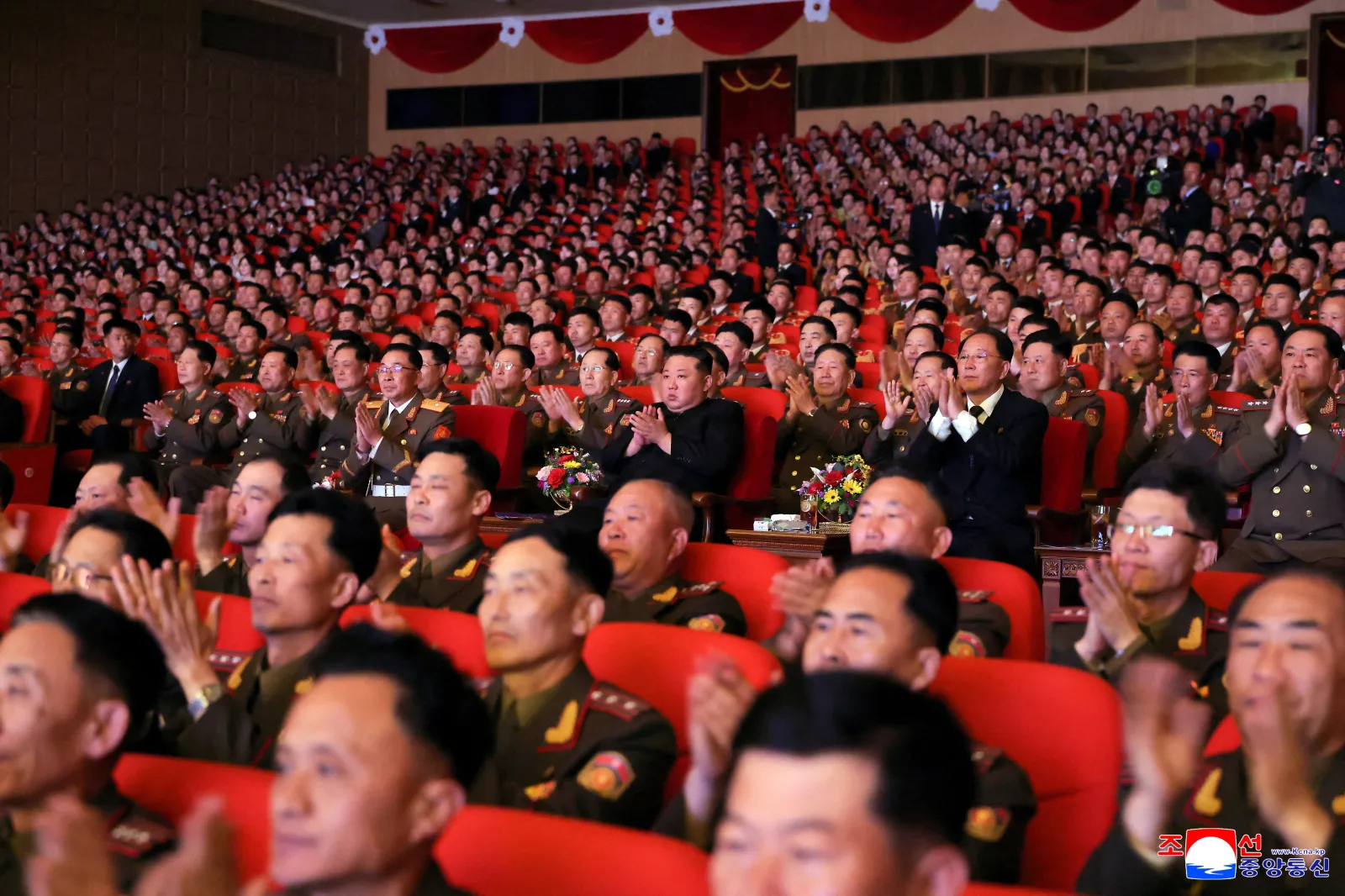
组织指导部是朝鲜劳动党最强大的机构,负责监督各地——无论是平壤还是农村——的任命、检查和纪律。没有已知的逃亡者来自组织指导部的中央级别,这表明该国最有影响力的官员受到何等严密的控制。被派往国外的外交官和工人必须上交护照,并将亲属留在朝鲜作为人质以防止叛逃。当他们回国时,必须交代在国外所见、所闻、所为,列举所犯的每一个政治错误,然后接受大规模的思想解构与重塑。
The Organization and Guidance Department, the party’s most powerful agency, oversees appointments, inspections, and discipline everywhere—in Pyongyang as well as rural villages. No escapee is known to have come from the OGD’s central ranks, an indication of the control imposed on the country’s most influential officials. Diplomats and workers sent abroad must surrender their passports and leave relatives in North Korea as collateral to deter defection. When they come home, they must account for what they saw, heard, and did abroad, enumerate every single political sin they committed, and then undergo extensive ideological deprogramming and reprogramming.
金世允(化名)是一名前高级党干部,曾出国。她描述了每次返回平壤都要经历的为期一个月的中央审查。官员必须“净化”自己在国外接触到的事物,并汇报哪怕微小的细节,包括晚餐后是否曾与同事外出饮酒。一次晚归可能需要写一份书面自我鞭挞,以交代这种不符合“忠诚的国家工作者”身份的失态。审查旨在将国外经历的影响降至最低:一个人可以看到别人如何生活,但回国后必须否定自己所见。金世允将在国外和国内时时刻刻遭受的监控描述为痛苦且令人彻底窒息。
Kim Se Yun (a pseudonym), a former senior party cadre who traveled overseas, described the monthlong central review she underwent every time she returned to Pyongyang. Officials have to “cleanse” themselves of what they have encountered and report even small details, including whether they had gone out drinking with colleagues after dinner. A late night out could require a written piece of self-flagellation to account for a lapse unbecoming of “a devoted worker for the state.”The review was meant to minimize the effects of foreign exposure: a person could see how others lived but, upon returning, had to renounce what she had seen. Kim Se Yun described the constant surveillance when abroad and at home as miserable and utterly asphyxiating.
享有精英地位会带来普通公民无法获得的物资、地位和影响力,但这也将一个人的职业生涯、亲属和生命置于领导者的掌控之中,领导者可以随时以任何理由将其毁灭。正如平壤的一句俗语所说:“离太阳越近,就越容易被灼伤。” 一粒尘埃没有什么比2013年张的倒台更能有力地向精英阶层灌输这一教训了。他突然被捕并被处决,在平壤引发了持久的恐惧。我交谈过的每一位精英都懂他被杀背后隐含的警告。
An elite position brings goods, status, and influence denied to ordinary citizens, but it also places a person’s career, relatives, and life within reach of the leader who can destroy them at any point for any reason. As one common saying in Pyongyang has it, “The closer you are to the sun, the more likely you will burn.”A SPECK OF DUST Nothing impressed this lesson upon the elite class more forcefully than the fall of Jang in 2013. His sudden arrest and execution sent lasting fear through Pyongyang. Every elite I spoke with understood the warning implicit in his killing.
张此前已经经历过三次“革命化”。这种鲜明的朝鲜惩罚方式专门用来管束和清洗高级官员,它会剥夺一个人的职务,并将其送往乡村等地进行体力劳动和政治再教育。这种惩罚会在他曾经统领的人民面前羞辱一名精英官员,尽管这并不排除他未来官复原职的可能性。张每一次都回到了权力核心,但最终却被他效力的第三位领袖处决。
Jang had already undergone “revolutionization” three times. This distinctly North Korean punishment, used especially to discipline and defenestrate high officials, strips a person of office and sends him to perform physical labor and political reeducation, often in the countryside. It humiliates an elite official in front of the people he once commanded, even if it does not foreclose the possibility of his future rehabilitation. Jang returned each time, only to be executed in the end by the third leader he served.
许康日(音)是一名曾在中国经营一家朝鲜餐厅、并于2016年携12名员工投奔韩国的精英叛逃者,他认识那些遭受过革命化惩罚的人,他自己也曾遭受过一次。他告诉我,许多人在恢复名誉后也从未真正恢复过来。有些人患上了心理疾病,或者在几年内因身体疾病而死亡。
Heo Kang Il, an elite defector who managed a North Korean restaurant in China and in 2016 brought 12 of his staff with him to South Korea, knew people subjected to revolutionization and was subjected to it once himself. He told me that many never recovered even after being rehabilitated. Some developed psychological illnesses or died within a few years from physical ailments.
金正恩于2011年12月成为该国领导人时,年近三十(其具体出生年份不详)。他通过对曾在其两位前任手下效力的党内高级干部和军事官员进行清洗,强力树立了自己的权威。外部观察人士将他这种残暴的权力巩固过程,形容为试图弥补其年轻、政治经验有限以及完全缺乏军事背景的缺陷。当新冠疫情来袭时,金正恩进一步加固了本已森严的边境,以消除任何未经许可的跨境流动,并通过了严苛的法律,将消费任何未经许可的外国媒体的行为进一步定为犯罪,这一切的目的都是为了“净化”该国的社会主义朝鲜文化。
When Kim Jong Un became the country’s leader in December 2011, he was in his late 20s (his exact birth year is unknown). He aggressively imposed his writ by carrying out purges of party senior cadres and military officials who had served under his two predecessors. Outside observers described his vicious consolidation of power as an attempt to compensate for his youth, his limited political experience, and his complete lack of a military background. When the COVID-19 pandemic hit, Kim Jong Un reinforced the country’s already hard borders to eliminate any unauthorized cross-border movement and passed draconian laws that further criminalized consumption of any unauthorized foreign media, all with the aim of “repurifying” the country’s socialist Korean culture.
尽管疫情已经过去,但信息环境比以往任何时候都受到更严密的控制,边境依然处于封锁状态。
Although the pandemic has passed, the information environment is more controlled than ever before and the borders remain sealed.
在朝鲜,忠诚度从童年开始就被进行评估和记录。一个人在学校的表现、在政治组织中的表现,以及身份地位(一种将朝鲜人粗略划分为“核心”、“动摇”和“敌对”三大群体的政权忠诚度世袭分类),决定着其能否进入大学、加入党组织以及获得晋升。成年人则需定期参加自我批评会议。在家里,金氏家族的肖像必须一尘不染地悬挂在最显眼的墙壁的最高处,其上方不得放置任何东西。
In North Korea, loyalty is evaluated and documented from childhood. A person’s conduct at school; performance in political organizations; and status (a hereditary classification of loyalty to the regime that breaks up North Koreans into three broad groups: “core,” “wavering,” and “hostile”), determine admission to universities, party membership, and promotion. Adults attend regular self-criticism sessions. At home, portraits of the Kims must hang spotless at the highest point of the most prominent wall, with nothing placed above them.
我采访过的一名女子回忆说,居住情况检查员会戴着白手套进行定期巡视,检查肖像上是否有灰尘。她一丝不苟地擦拭这些肖像,并非因为她崇敬其中的男子,而是因为哪怕是一粒灰尘都可能危及她的家人。
One woman I interviewed recalled habitation inspectors making regular visits in white gloves to check the portraits for dust. She cleaned the portraits meticulously, not because she revered the men in them but because a speck of dust could endanger her family.
官员们可以一直宣称对金氏家族绝对忠诚,直到他们逃跑的那一天。
Officials can profess full devotion to the Kim family right until the day they run.
即使是每周一次的公开自我批评会——要求个人公开分享自己犯下的政治错误,然后批评一名同事——也常常变成一场精心串通的表演。许多精英叛逃者告诉我,在自我批评会的前一天,同事们会互相通气,告知彼此计划在第二天会议上批评的内容。这种提前打招呼的做法既保护了友谊,又让所有人都能满足这场政治清洗仪式的要求。
Even a weekly public self-criticism session, which requires a person to publicly share a political transgression they have made and then criticize a colleague, often becomes a coordinated performance. Many elite defectors told me that the day before a self-criticism session, colleagues would warn one another about what they planned to criticize at the next day’s session. The advance notice protected friendships while allowing everyone to satisfy the requirements of the political cleansing ritual.
一个人可能会承认自己在前一周缺乏足够的革命热情,并激烈斥责一位朋友犯了类似的过错。其中的诀窍在于,要暴露那些足以受到指责、但又不至于给自己或同事惹上太大麻烦的过错。
A person might confess to lacking sufficient revolutionary zeal during the previous week and vehemently rebuke a friend for a similar offence. The trick was to disclose transgressions that were sufficiently blameworthy but not serious enough to get oneself or a colleague in too much trouble.
另一位前精英描述了2011年金正日死后的公开哀悼活动。她对这位领导人的死感到如释重负,毫无悲伤可言,但她知道自己必须装出哭泣的样子,于是她翻出自己最悲伤的记忆——祖母去世的记忆,以及一个表亲在叛逃失败后被强行遣返的记忆——来逼自己哭泣。当眼泪依然流不出来时,她低下头,夸张地耸动肩膀,并避免与情绪失控嚎啕大哭的人群中的任何人对视。她相信,她周围的许多人也都在进行同样的表演。
Another former elite described the public mourning after Kim Jong Il’s death in 2011. She felt relief at the leader’s death, much less any sorrow, but knew that she had to appear to cry, so she dredged up her saddest memories—those of her grandmother’s death and of a cousin who was forcibly repatriated after a failed defection—to force herself to weep. When tears still would not come, she bowed her head, dramatically shook her shoulders, and avoided eye contact with anyone in the hysterically wailing crowd. She believed that many people around her were giving the same performance.
学者将这种差距称为“伪装偏好”:人们公开歪曲其真实信仰,因为诚实是危险的。在平壤,伪装偏好是日常生活的重要组成部分。精英们不断校准自己的言辞,将内心最深处的私人思想隔离开来。有些人依然信奉体制,或怀有真挚的民族自豪感。另一些人则怨恨金正恩,却珍视其政权赋予他们的地位。信仰与愤世嫉俗可以存在于同一个办公室,甚至同一个人身上。这就是为什么一位高级外交官某天还能向英国官僚宣讲朝鲜的受害者形象,几周后却携全家逃离朝鲜。
Scholars refer to this gap as preference falsification: people publicly misrepresent their true beliefs because honesty is dangerous. In Pyongyang, preference falsification is an essential part of ordinary daily life. Elites constantly calibrate their speech and compartmentalize their innermost private thoughts. Some still believe in the system or feel genuine national pride. Others resent Kim while valuing the status his regime gives them. Belief and cynicism can exist in the same office and within the same person. This is how a senior diplomat can lecture British bureaucrats about North Korea’s victimhood one day and then flee North Korea with his entire family a few weeks later.
当精英们确实离开时,他们的离去会提醒其他怀有私人疑虑的人,他们并不孤单。这是平壤将重大叛逃视为安全紧急事件的原因之一。2016年,许某(餐厅经理)和12名员工从中国的一家朝鲜餐厅集体叛逃,国家随即召回中国所有其他工作人员进行审讯。在回忆录中,太永浩将这次集体叛逃比作城墙上的石块脱落:微小的损失最终可能导致整座城堡的崩塌。
When elites do leave, their departures remind others who harbor private doubts that they are not alone. This is one reason Pyongyang treats prominent defections as security emergencies. When Heo (the restaurant manager) and 12 workers left a North Korean restaurant in China in 2016, the state recalled all other workers in China for interrogation. In his memoir, Thae analogized this group defection to stones falling from a castle wall: small losses can eventually lead to the collapse of the entire castle.
精英想要什么 没人会轻易放弃自己在朝鲜社会等级体系中的显赫地位。金正恩并未忽视其统治阶层。他的政府在平壤为科学家、党干部及其他受青睐群体建起了崭新的住宅,并发放外国汽车、手表、珠宝、食品和公寓。精英地位还提供了一种不那么有形的东西:强烈的使命感和重要性。哪怕官僚再无权,在朝鲜社会也举足轻重。人们看重他的官衔,敬重他的家庭,认可其社会和政治关系的分量。
WHAT THE ELITE WANT Nobody lightly gives up their lofty place in the pecking order of North Korean society. Kim Jong Un has not neglected his ruling class. His government has built gleaming new housing in Pyongyang for scientists, party cadres, and other favored groups, and it distributes foreign cars, watches, jewelry, food, and apartments. An elite position also provides something less tangible: a strong sense of purpose and relevance. A bureaucrat, as powerless as he may be, matters in North Korean society. People appreciate his official title, defer to his family, and recognize the heft of his social and political connections.
失去这种地位的前景,甚至会让那些痛恨政权的人也不愿逃离。在首尔一家熙熙攘攘的烤肉店里,食客们吃着滋滋冒油的肉、喝着啤酒和烧酒的混合酒,一位前官员——我称他为金先生——回忆起另一处发生的一件事:他曾要求一桌吵闹的大学生安静些。那些比他年轻几十岁的学生连眼皮都没抬一下——“甚至没放下酒杯”。
The prospect of losing that status can make the thought of escape unpalatable even for people who detest the regime. Over dinner at a Seoul barbecue restaurant buzzing with customers eating sizzling meat and drinking , a mixture of beer and soju, a former official I call Mr. Kim recalled an incident elsewhere in which he had asked a table of loud college students to quiet down. Decades younger than him, they barely looked at him—they “didn’t even put their drinks down.”
有个学生让他换个地方吃饭。回忆起那番羞辱,金先生摘下眼镜揉了揉眼睛。他告诉我,在朝鲜,他一进餐馆,全场就会安静下来。他会挺直腰杆、昂首阔步,因为知道自己的家族姓氏和职位分量十足。而在韩国,他在仓库干活,只是“一个口音可疑的朝鲜脱北者而已”。金先生脱北后失去地位和目标的经历,有助于解释为何政权那套“恩威并施”的手段依然奏效。
One student told him to eat somewhere else. As he recalled the humiliation, Mr. Kim removed his glasses and rubbed his eyes. In North Korea, he told me, a restaurant would have gone silent when he entered. He would have walked with his shoulders straight and head held high, knowing that his family name and job carried weight. In South Korea, where he worked a warehouse job, he was “just a mere North Korean defector with a suspicious accent.”Mr. Kim’s experience of losing status and purpose after defection helps explain why the regime’s mixture of privilege and coercion still works.
精英们深知自己有太多东西要冒险、要失去,所以对大多数心怀不满的精英而言,理性的选择是留在体制内,余生表演忠诚,榨取职位所能提供的一切优势。
Elites know they have a lot to risk and lose, so for most aggrieved elites, the rational option is to remain in the system, perform loyalty for the rest of their lives, and extract all the advantages their positions still offer.
然而,这笔交易有保质期。退休后,高级军官和干部没有养老金。政府会收回配发的公车、住房和家电。为国家服务几十年后,退休将军和高级干部往往沦为保安或市场小贩。年轻精英们看在眼里,拼命积攒钱财,因为他们知道,索取他们一生奉献的国家,不会在晚年照顾他们。
Yet this bargain has an expiration date. After retirement, senior officers and cadres do not receive pensions. The government takes back state-provided cars, homes, and appliances. After serving the state for decades, retired generals and senior cadres are often reduced to working as guards or market vendors. Younger elites watch this happen and accumulate money as much as possible, knowing that the state that demands their whole lives will not care for them in their old age.
年轻精英和中年精英也不再愿意忍受国家过去视为光荣的职业和牺牲。许多受访者告诉我,精英阶层的父母不再希望儿子在军队服役十多年,或完全在党内建立职业生涯。他们更倾向于经商、从事技术工作、出国留学以及积累私人财富。他们渴望接触外部世界,并欢迎国内更大程度的经济自由化,即使他们不指望在不久的将来实现全面民主或半岛统一。最重要的是,他们希望子女能过上比自己少受束缚的生活。
Younger and middle-aged elites are also less inclined to put up with the careers and sacrifices the state has historically presented as honorable. Many interviewees told me that elite parents no longer want their sons to spend over a decade conscripted in the army or build careers entirely inside the party. They prefer business, technical work, study abroad, and amassing private wealth. They want access to the outside world and would welcome greater economic liberalization at home, even if they do not expect full democracy or the reunification of the peninsula in the near future. Above all, they want their children to have lives less constrained than their own.
金正恩所谓的“社会主义天堂”,因金钱而改变了旧秩序。一次采访中,一名逃亡者告诉我,他知道谁会接替金正恩成为朝鲜第四任统治者。我本以为他会说出金正恩的女儿或妹妹。“金钱,”他说。他在开玩笑,但也只开了一半玩笑。他拿出手机,念了一句《圣经》的警告:没有人能事奉两个主,即上帝和金钱;在他的比喻中,金正恩占据了上帝的位置。
Money has altered the old order in what Kim Jong Un calls a “socialist paradise.”During one interview, an escapee told me that he knew who would succeed Kim Jong Un to become North Korea’s fourth ruler. I expected him to name Kim Jong Un’s daughter or sister. “Money,” he said. He was being cheeky, but only partly. He pulled out his phone and read the biblical warning that no one can serve two masters, God and money; in his analogy, Kim occupied the place of God.
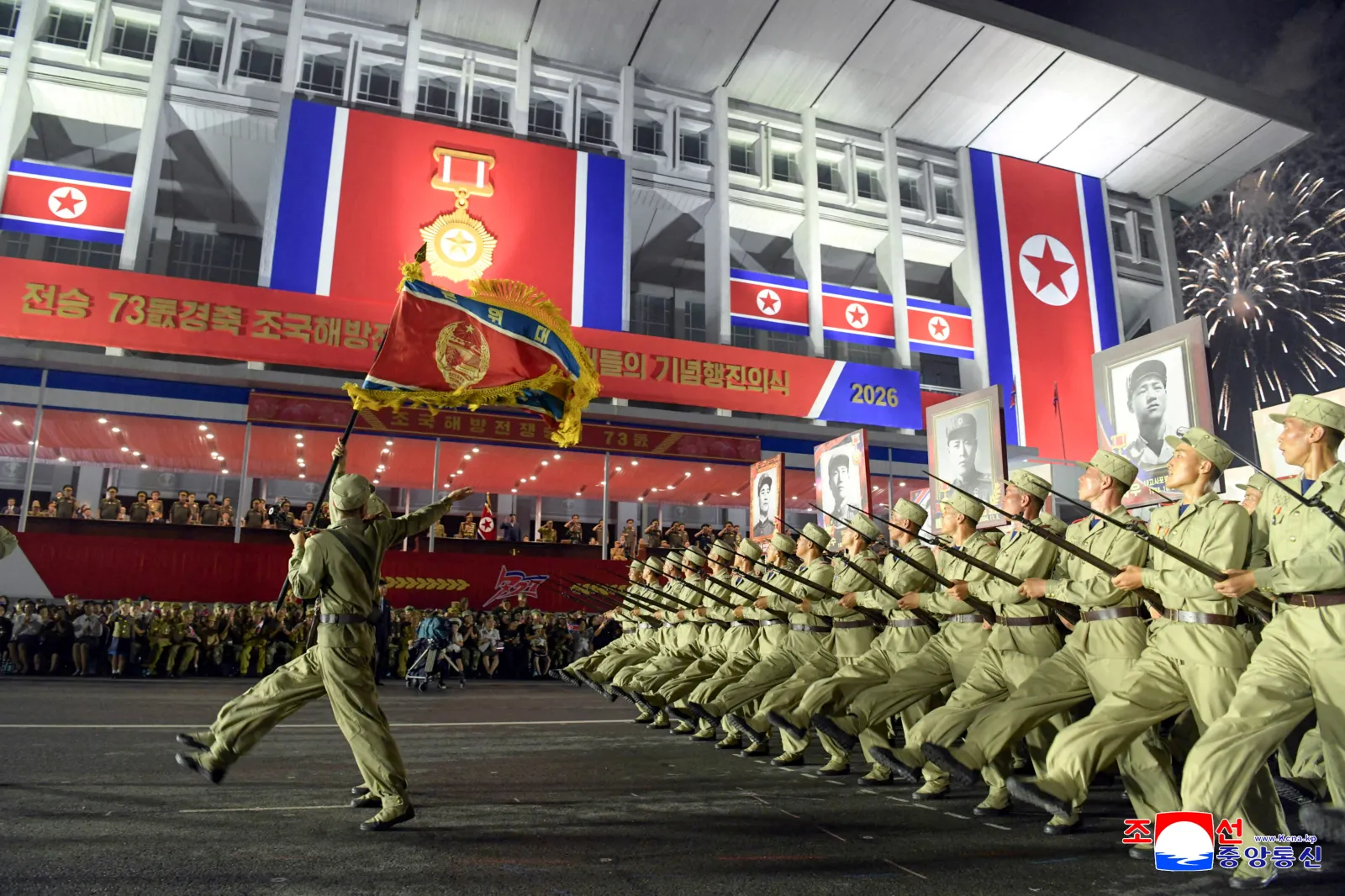
朝鲜人为食物、更好的教育和影响力而奔波,通过行贿和利用黑市,寻找在国家许可活动之外赚钱的途径。年轻精英越来越以一门好婚事、一份好工作、一条未来职业道路能否为他们提供获取现金和有用商业人脉的机会来衡量其优劣。头衔依然有用,往往是因为它可以转化为收入。国家公共分配体系的崩溃和1990年代毁灭性的饥荒,推动了国家基层的市场化进程,催生了国家监管的市场,其中一些规模大到容纳了超过1万名摊贩。
North Koreans jostle for food, better education, and influence, and search for ways to make money outside state-sanctioned activities by paying bribes and using black markets. Younger elites increasingly judge a good marriage, job, and future career path in terms of how it can offer them access to cash and useful business connections. A title remains useful, often because it can be converted into income. The collapse of the state’s public distribution system and devastating famine years of the 1990s drove the grassroot marketization of the country, with the development of state-regulated marketplaces, some so large that they’ve hosted over 10,000 vendors.
目前,在这个名义上的社会主义国家里,官方谴责资本主义,但市场和赚取硬通货的必要性却主宰着人们的日常生活。
Presently, in this de jure socialist country that officially condemns capitalism, markets and the imperative of earning hard cash shape people’s daily lives.
这种变化体现在日常的选择中。曾有一位商人钱包里揣着一张两美元的纸币作为护身符,以祈求招财进宝。其他受访者则回忆起这样一个时期:当时为女儿寻找夫家的家庭更青睐党政干部的儿子;如今,一个能接触到外汇或拥有盈利业务的男性要抢手得多。政治级别依然能打开通往机遇的大门,但金钱却能让大门长开不闭。
This change appears in ordinary choices. One former businessman carried a two-dollar bill in his wallet as a good-luck charm to attract prosperity and wealth. Other interviewees remembered a time when families seeking husbands for their daughters preferred sons of party cadres; today, a man with access to foreign currency or a profitable business can be much more desirable. Political rank still opens doors, but money can keep them open.
金正恩适应了其中的某些经济变化;曾经遭到禁止的市场如今受到国家的监管和征税。尽管外国媒体和互联网依然遭到严格禁止,但国家允许朝鲜人访问一个高度受控的内部网络,并使用装有本土软件和应用程序的智能手机。它向特定家庭分配公寓,并允许官员通过从事商业投机来让自己富裕起来,前提是他们继续出色地履行职责,并向国家缴纳强制性的“忠诚资金”。
Kim has accommodated some of these economic changes; once prohibited, markets are now regulated and taxed by the state. Although foreign media and the Internet remain strictly prohibited, the state allows North Koreans to access a highly controlled intranet and use smartphones with local software and applications. It grants apartments to selected families and permits officials to enrich themselves by engaging in business ventures, provided they continue to perform their jobs exquisitely and contribute mandatory “loyalty funds” to the state.
金正恩无法提供的是可靠且持久的安全。一切依然服从于领导人的需求和一时兴起。一名遵纪守法的官员仍可能因为触怒了背景更硬的家族而受到惩罚,一名得势的干部也可能因为他的靠山被清洗而遭殃。
What Kim cannot offer is dependable and lasting safety. Everything remains subordinate to the leader’s needs and whims. An official who follows the law may still be punished for crossing a better-connected family, and a successful cadre may be swept away because his patron was purged.
同舟共孤 日益加剧的精英不满并不意味着起义即将来临。心怀不满的精英有五种选择:保持沉默并维持现状;逃离国家;建立金钱与影响力的平行网络;抗议;或者推动渐进式改革。后三种选择在朝鲜极其危险。政权将扑灭异见、改革尝试,以及任何试图或甚至看起来试图在国家掌控之外运作的网络。对大多数人而言,选择随即缩小为将不满带进棺材,或是鼓起勇气和决心叛逃。
ALONE, TOGETHER Growing elite grievances do not mean an uprising is near. A disaffected elite has five options: remain silent and maintain the status quo; flee the country; build parallel networks of money and influence; protest; or push for incremental reform. The last three are extraordinarily dangerous in North Korea. The regime will extinguish dissent, bids for reform, and any networks that strive to operate or even seem to operate beyond the state’s control. For most, the choice then narrows to either carrying one’s grievances to the grave or mustering the courage and resolve to defect.
大多数人选择留下。朝鲜国家通过实行株连和集体惩罚,数十年来一直在削弱那些可能将私人愤怒转化为集体行动的关系。其监控体系鼓励同事、邻居乃至亲属互相监视和举报。未经批准的结社,甚至学校中参加人数超过几人的临时体育比赛,除非得到特别批准,否则一律禁止;国家严格控制有关清洗和抗议行动的信息,以防异议蔓延。在一些边境城市,如新义州,朝鲜劳动党最近禁止任何未经批准的三人或三人以上聚集。
Most people opt to stay. Through imposing guilt by association and collective punishments, the North Korean state has spent decades attenuating the relationships through which private anger might be converted into collective action. Its surveillance system encourages colleagues, neighbors, and even relatives to watch and report one another. Unapproved associations and even impromptu sports matches at schools that bring together more than a few people are forbidden unless they are specially approved, and the state tightly controls information about purges and acts of protest to prevent the spread of dissension. In some border cities, such as Sinuiju, the party has recently banned any unapproved gatherings of three or more people.
李哲恩是朝鲜国家安全保卫省前高级官员,2016年游了六公里叛逃至韩国。在我与他讨论集体行动的障碍时,他将国家安全机器描述为由安全特工、监视办公室、军事指挥部门和党组织构成的蜘蛛网。他告诉我,要挑战这样的制度,一个人得“完全疯了”才行。
When I discussed the obstacles to collective action with Lee Chul Eun, a former high-ranking official in the Ministry of State Security who defected in 2016 by swimming six kilometers to South Korea, he described the state’s security apparatus as a spiderweb of security agents, surveillance offices, military commands, and party bodies. A person would have to be “absolutely insane” to challenge such a system, he told me.
另一位前官员总结了这张网所产生的社会认知:“我们(精英)什么都知道,只是不说出来。”精英们能识别出周围的宣传、腐败和私人愤怒,却不知道该完全信任谁、可以向谁倾诉。
Another former official summarized the social knowledge produced by that web: “We [elites] know everything but just don’t express it.”Elites can recognize propaganda, corruption, and private anger around them while not knowing who they can fully trust to confide in.
该政权还有其他支撑其延续的来源。对华贸易、武器销售、从外国银行和企业进行网络盗窃,以及向海外派遣朝鲜劳工,都为政权的运作提供资金,包括其核武器计划、安全部门、全国政治监狱营网络,以及笼络精英所需的奢侈品。该政权挺过了饥荒、国际制裁和领导人更迭。不满情绪多年来不断积聚,却从未转化为任何形式的持续、有组织的反对。特权通道可以买来顺从——而恐怖手段则能强制推行顺从。
The regime has other sources of durability. Trade with China, weapons sales, cybertheft from foreign banks and companies, and sending North Korean laborers abroad all help fund the regime’s operations, including its nuclear weapons program, security services, national network of political prison camps, and luxuries necessary for managing elites. The regime has survived famine, international sanctions, and leadership successions. Discontent has been building for years without ever transforming into any form of sustained, organized opposition. Access to privilege can purchase compliance—and terror can enforce it.
这有助于解释我在访谈和研究中得出的另一个令人惊讶的发现。许多精英明白官方说法是假的。他们知道同事们在私下抱怨、索贿、观看外国媒体,并想方设法为子女留在国外工作编造安全的途径。但他们无法安全地确定,如果他们试图抗议并推动改革,谁会跟随他们、与他们站在一起。最先行动的人最容易遭到国家镇压,而其他人则可以否认自己持有同样的观点。
This helps explain another surprising finding from my interviews and research. Many elites understand that the official story is false. They know that colleagues complain in private, seek bribes, watch foreign media, and concoct safe ways for their children to remain and work abroad. What they cannot safely determine is who would follow and stand with them if they tried to protest and push for reform. First movers are the most vulnerable to state repression, while everyone else can deny sharing the same views.
朝鲜的政治体制依赖于原子化和让怀疑者感到彼此孤立。该政权明白,对其掌控国家权力最可信的有组织威胁将是平壤驱动的,而非民众驱动的;挑战或叛乱更可能从精英内部开始,而不是来自下方的群众起义。但就目前而言,精英们互不信任,也缺乏采取行动对抗政权所需的共同愿景。
North Korea’s political system depends on atomization and making doubters feel isolated from one another. The regime understands that the most plausible organized threat to its hold on the state would be Pyongyang powered, not people powered; a challenge or rebellion is more likely to start among elite insiders than as a mass revolt from below. But for now, elites don’t trust one another and lack the shared vision required to move against the regime.
脱北是个人无需先建立联盟就能选择的唯一选项。出逃的精英带走了专业知识,并向同侪发出信号:离开是可能的。然而,中国继续强制遣返越过其边境的朝鲜人。驻外官员若想叛逃,必须巧妙地避开驻扎在他们身边的国家安全官员,并接受国内亲人必将受到惩罚这一事实。
Defection is the one option an individual can choose without first building a coalition. Elite escapees take with them expertise and signal to peers that leaving is possible. Yet China continues to forcibly repatriate North Koreans who cross its border. Officials posted abroad wishing to defect must dexterously evade state security officials stationed alongside them and come to peace with the fact that loved ones back home will surely be punished.
2025年8月,一名随平壤社会科学院代表团出访的朝鲜翻译人员进入蒙古乌兰巴托的韩国大使馆,请求脱北。一年过去了,该请求仍未解决,这名翻译人员依然滞留在大使馆内,处于困境之中。蒙古与平壤保持外交关系,一直迟迟不予配合。朝鲜提出抗议,而首尔方面——现任政府倾向左翼、寻求改善对朝关系——甚至拒绝承认该案件的存在。对于考虑逃亡的官员而言,教训十分惨痛:即便设法进入一个名义上的民主国家的大使馆,也未必能摆脱祖国暴政的魔掌。
In August 2025, a North Korean interpreter traveling with a delegation from Pyongyang’s Academy of Social Sciences entered the South Korean embassy in Ulaanbaatar in Mongolia and asked to defect. A year later, the request is still unresolved and the interpreter remains in limbo in the embassy. Mongolia, which maintains relations with Pyongyang, has been slow to cooperate. North Korea objected, and Seoul, currently under a left-leaning administration that seeks warmer relations with the North, will not even confirm that the case existed. For officials considering escape, the lesson is stark: even reaching the embassy of an ostensibly democratic country may not deliver them from the tyranny of home.
我采访的几名精英脱北者已抵达美国并申请庇护。他们的申请要么拖延多年,要么遭到拒绝;其中一名申请人已等待超过九年。他们反复经历听证会和背景调查,案件却始终无果。前朝鲜官员确实可能构成反情报风险。但让他们长期处于这种炼狱般的状态,向外界传递的信息是:美国或许乐于获取他们手中的宝贵情报,却依然不愿给他们一个未来。
Several elite defectors I spoke to had reached the United States and applied for asylum. Their claims have languished for years or been rejected; one claimant has waited more than nine years. They cycle through hearings and background checks with no resolution to their cases. A former North Korean official could certainly pose a counterintelligence risk. But keeping them in this purgatory tells others that the United States may be happy to take their valuable intelligence while still not offering them a future.
美国庇护政策的反复无常并非金氏家族政权长期存续的原因,但华盛顿不愿接纳这些脱北者,可能会让平壤动摇的精英阶层觉得:留在原地或许更安全。
The vagaries of American asylum policy are not responsible for the persistence of the Kim family regime, but Washington’s reluctance to welcome these defectors could suggest to wavering elites in Pyongyang that it might just be safer to stay put.
金氏政权的最后时日 金正恩可以通过轮换、清洗、奖赏和监视那些日常维持其政权运转的人,来继续管控精英阶层的不满。但这种做法只能对总体的、无解的危机起到症状缓解的作用,而这场危机正是他的极权主义所造成的。要赢得精英阶层的信任,他就必须停止使用清洗和处决,终止因个人过失而对其家庭进行连坐惩罚,关闭政治犯收容所,允许信息更自由地流动,并允许自主的市场活动而不必担心不可预测的关停和没收。
KIM’S LAST DAYS Kim Jong Un can continue to manage elite disaffection by rotating, purging, rewarding, and surveilling the very people who keep his regime running on a daily basis. But this approach provides only symptomatic relief to the overarching and insoluble crisis produced by his totalitarianism. To gain the confidence of his elites, he would have to stop using purges and executions, end the collective punishment of families for the transgressions of an individual, close political prison camps, permit freer flows of information, and allow for autonomous market activity without the fear of unpredictable shutdowns and confiscations.
然而,每一项让步都会减少精英阶层的恐惧与孤立。对金正恩不利的是,这只会壮了精英阶层反叛他的胆量。
Each concession, however, reduces the fear and isolation of elites. To Kim’s detriment, that would only embolden elites to turn against him.
他很可能不会放松对权贵阶层的掌控。但这样做,他将削弱自己的政权。偏好伪装和表演性忠诚的代价将在政权运作者的最高层不断累积。这在权力继承斗争或严重经济冲击期间将变得最为危险。在平常时期,每名官员都可以继续假定所有同僚都会努力维持现状。但一场危机——例如军事政变、白头山再次火山喷发或经济崩溃——可以迅速改变这些假定。
He will likely not relax his grip on the ranks of the powerful. But in so doing, he will weaken his own regime. The costs of preference falsification and performative loyalty will accumulate among the highest echelons of the regime’s operators. That will become most dangerous during a succession struggle or severe economic shock. In ordinary times, each official can continue assuming that all his colleagues will strive to maintain the status quo. But a crisis—such as a military coup, another volcanic eruption of Mount Paektu, or an economic meltdown—can change those assumptions swiftly.
在动荡和不确定的时刻,本已心怀不满的官员可能会得出结论:顺从配合将不再能保护他们的职位或家人。今天看似忠诚的官员可能会对猝不及防的政权不予合作、卷入权力斗争或大规模叛逃。如果有足够多的政权运作者做出这些盘算,那么金正恩就会发现,他所依赖执行命令的人正将自身生存置于其政权存续之上。而他可能会失去对国家的控制。
In a moment of upheaval and uncertainty, already disaffected officials may conclude that obedient compliance will no longer protect their positions or their families. Officials who appear loyal today might withhold cooperation from a startled regime, engage in a power struggle, or defect en masse. If enough regime operators make these calculations, then Kim will find that the people he depends on to carry out his orders are prioritizing their own survival over that of his regime. And he could lose his hold on the country.
我对朝鲜昔日精英成员的采访并不表明该政权即将崩溃。相反,这些采访揭示出金氏家族一个更令人不安的脆弱之处:对政权存续至关重要的精英忠诚正变得越来越流于表面、越来越不真诚,其动机是自我保全,而非源于意识形态信念的源泉。该政权惯常诉诸极刑式惩罚和大规模清洗,很可能促使更多精英叛逃,或许更引人注目的是,还可能激起前所未有的集体行动表达。当足够多的朝鲜精英认定继续效忠不再是他们最安全、最理性的选择时,金氏政权就将面临末日。
My interviews with erstwhile members of North Korea’s elite do not point to imminent regime collapse. Rather, they suggest a more haunting vulnerability for the Kim family: the loyalty of the elites, which is critical for regime survival, is becoming more performative, less genuine, and motivated by self-preservation, not from a wellspring of ideological conviction. The regime’s habitual recourse to maximalist punishments and mass purges will likely drive more elites to defect and maybe, more strikingly, muster unprecedented expressions of collective action. Kim will face his last days when a large enough body of North Korean elites conclude that remaining loyal is no longer their safest and most rational choice.