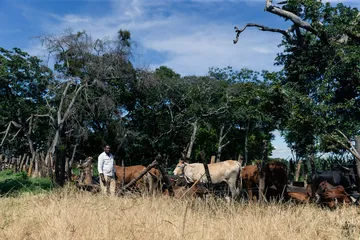
津巴布韦土地与农村发展部长表示,该国正在敲定一项新政策,将为26年前在从白人商业农场主手中没收的农场上被重新安置的人巩固产权。
Zimbabwe is finalizing a new policy that will entrench property rights for people who were resettled on farms seized from White commercial operators 26 years ago, according to the nation’s lands and rural development minister.
这项政策预计将在年底前获得内阁批准。万耶利斯·哈里塔托斯在津巴布韦第二大城市布拉瓦约接受采访时说,该政策“保证土地改革不可逆转,并让我们安全地迈入变革性的农村经济”。“我们已进入最终草案阶段。”2000年,时任津巴布韦总统罗伯特·穆加贝鼓励黑人自给农和青年侵占白人拥有的农场,他称这些没收行动是纠正殖民时代不公正所必需的。农业生产因此崩溃,而这些财产从未正式易手,新所有者无法将其用作抵押来筹集务农所需的资金。
The policy, which is expected to be approved by the cabinet by year-end, “guarantees that the land reform is irreversible and moves us safely into a transformative rural economy,” Vangelis Haritatos said in an interview in Bulawayo, the second-biggest city. “We are already on the final draft.”In 2000, then-Zimbabwean President Robert Mugabe encouraged Black subsistence farmers and youths to invade White-owned farms, seizures he said were necessary to address colonial-era injustices. Agricultural production collapsed as a result, with the property never formally changing hands and the new owners unable to use it as collateral to raise the money they needed to farm.
这些土地掠夺行为导致国际制裁。2020年,政府同意向白人农场主支付35亿美元赔偿,以寻求与国际社会建立关系。财政部长姆图利·恩库贝表示,迄今为止,政府已以现金和国库券的形式支付了8亿美元。
The land grabs led to international sanctions, and in 2020 the government agreed to pay the White farmers $3.5 billion in compensation as it sought to build relations with the international community. To date, the government has dispensed $800 million in the form of cash and treasury bills, according to Finance Minister Mthuli Ncube.
哈里塔托斯对议员们说,新政策将通过“推动一个包容、透明和公平的土地管理制度,保护合法的土地所有者,并扩大妇女、青年和弱势群体的机会”,来巩固政府土地改革举措的成果。
The new policy will consolidate the gains of the government’s land-reform initiatives by “promoting an inclusive, transparent and equitable land-administration system that protects legitimate landowners and expands opportunities for women, youth and vulnerable groups,” Haritatos told lawmakers.