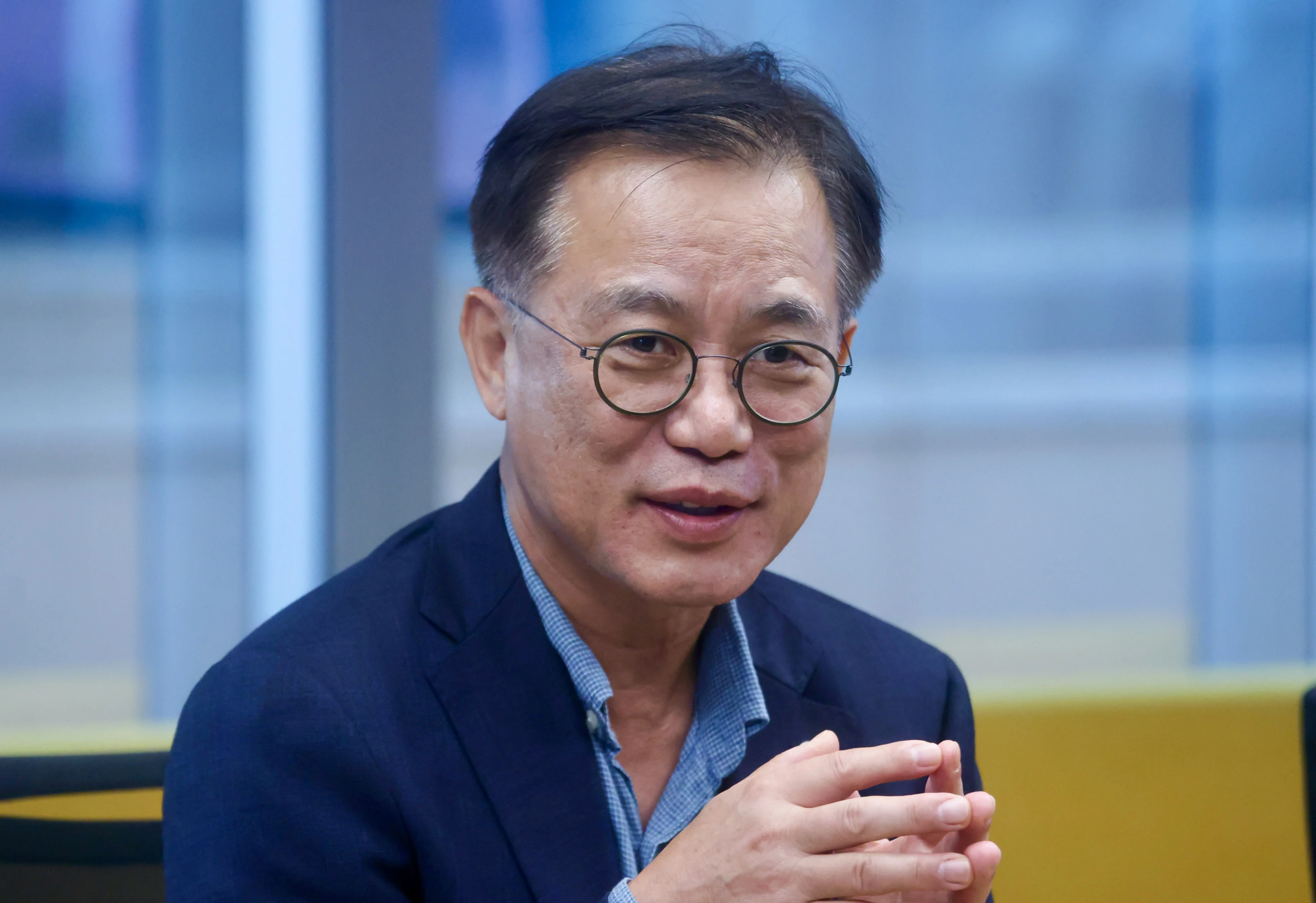
随着美国签证限制收紧以及地缘政治因素将亚洲研究人员挡在西方机构门外,韩国正崛起为顶尖人才的新学术避风港。
As tightening US visa restrictions and geopolitics lock out Asian researchers from Western institutions, South Korea is emerging as a new academic sanctuary for top talent.
首尔成均馆大学校长刘智范表示,这反映了一个更广泛的趋势:在西方主导数十年之后,亚洲正在取而代之——尤其是在中国、日本和韩国的应用技术领域。
According to Yoo Ji-beom, president of Sungkyunkwan University (SKKU) in Seoul, that reflects a broader trend that has seen the West giving way to Asia after decades of dominance – particularly in the field of applied technology in China, Japan and South Korea.
刘智范在香港接受采访时说:“技术竞争和全球人才流动正在重塑知识生态系统。吸引和留住最优秀研究人员的竞争比以往更加激烈。”
“Technological competition and global talent mobility are reshaping the knowledge ecosystem. Competition to attract and retain the very best researchers has become far more intense than before,” Yoo said during an interview in Hong Kong.
他说:“想要留在美国或赴美留学的(韩国)学生很难拿到签证,而且等待时间比以前更长。”他还补充说,中国学生也面临类似障碍。
“[South Korean] students who want to stay or study in the USA have a very hard time getting a visa and they have to wait longer than before,” he said, adding that Chinese students faced similar hurdles.
“他们不再选择出国,而是说‘就在我们自己国家学习吧’,”他说,并指出K文化在亚洲、美国及其他地区的流行也有助于吸引更多学生来到韩国。
“Instead of going abroad, they say ‘let’s study in our land’,” he said, noting that the popularity of K-culture in Asia, America and elsewhere was also helping to bring more students to South Korea.
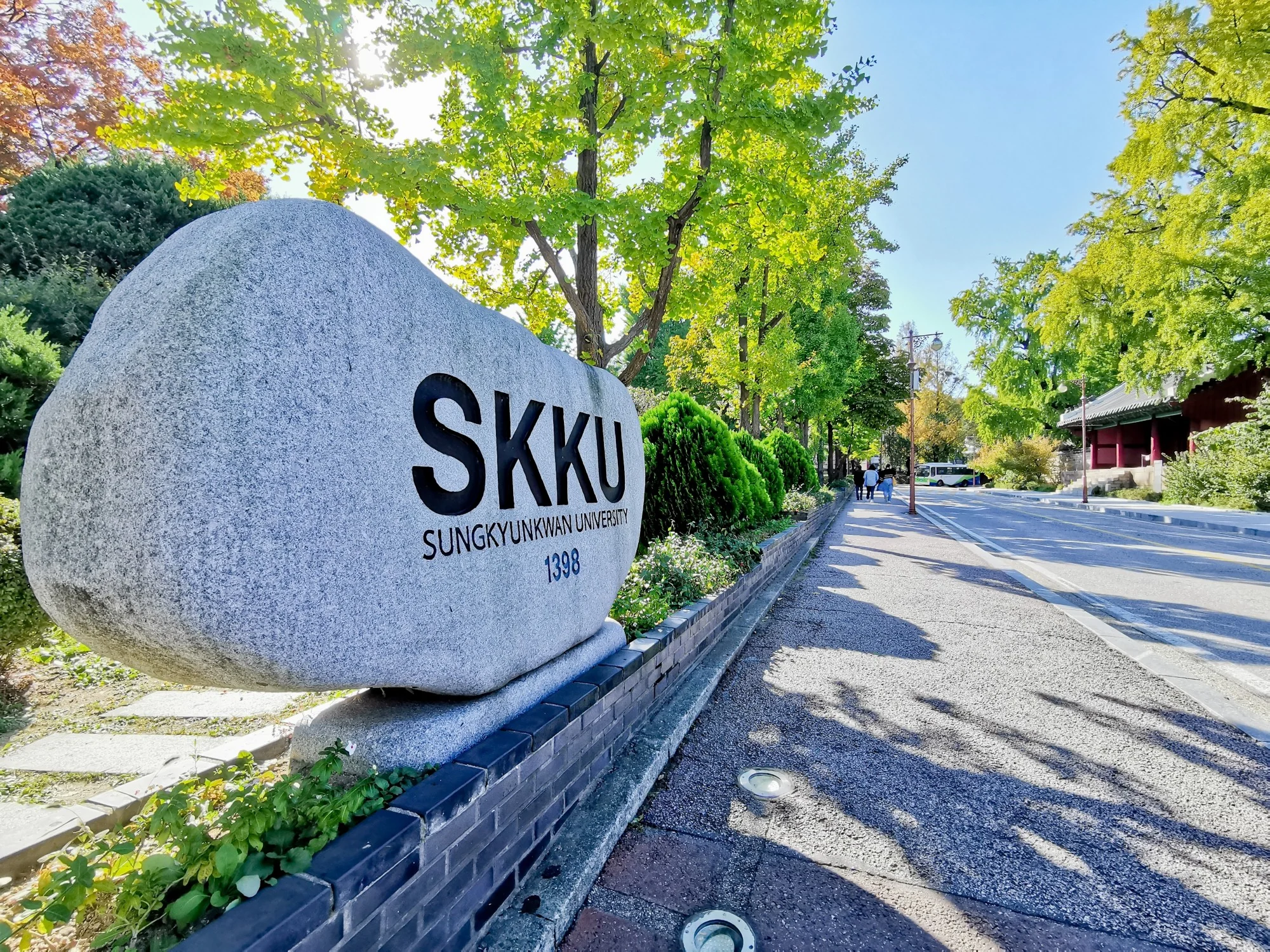
成均馆大学拥有628年历史,是东亚最古老的大学,该校正利用这一转变。
SKKU – the oldest university in East Asia with 628 years of history – is capitalising on that shift.
今年6月,该校通过韩国“脑池加”(Brain Pool Plus)项目获得政府五年期135亿韩元(1008万美元)资助,用于招募“来自海外的能源、生物医学、纳米技术和量子材料领域的杰出科学家”。
In June, the university secured 13.5 billion won (US$10.08 million) in government funding over five years to recruit “outstanding scientists from abroad in energy, biomedicine, nanotechnology and quantum materials” through South Korea’s Brain Pool Plus programme.
根据该计划,研究人员将以终身教职轨道聘用,每年可获得最高6亿韩元的个人和研究津贴。
Under the initiative, researchers will be employed on a tenure track and receive up to 600 million won annually in personal and research allowances.
该校表示,其目标是每次招募六名国际研究人员,主要来自美国和亚洲领先的科研中心。
The university said it aimed to recruit six international researchers at a time, mainly from the US and leading Asian research hubs.
成均馆大学表示,该校“今年已通过该项目迎来了数名研究人员,目前正在进行更多招募”。
SKKU said it had “already welcomed several researchers through the programme this year, with additional recruitment currently under way”.
在华盛顿去年提议对H-1B签证收取10万美元费用后,韩国各部委被赋予任务,设法利用美国更严格的移民政策,吸引海外科学家和工程师。
After Washington proposed a US$100,000 fee for the H-1B visa last year, South Korean ministries were tasked with finding ways to take advantage of the tougher US immigration policy and lure scientists and engineers from abroad.
柳说:“我们正在努力营造一个让他们能够安顿下来并专注于研究的环境。”他还表示,韩国应努力吸引更多国际研究人员进入其科学与工程研究生项目,并支持他们的职业发展。
“We are working to create an environment in which they can settle in and concentrate on their research,” Yoo said, adding that South Korea should try to attract more international researchers to its science and engineering graduate programmes and support their career development.
韩国教育部数据显示,今年韩国高等教育中的国际学生总数已超过30.7万人,较2025年增长21%。
Data from South Korea’s Ministry of Education shows that the total number of international students in higher education reached more than 307,000 this year, up 21 per cent from 2025.
根据8月发布的一份报告,其中约22.3万人就读学位项目,较一年前增长近25%,中国学生是最大群体,占总数的近三分之一。
Around 223,000 of them are enrolled in degree programmes – a rise of almost 25 per cent from a year ago – with Chinese students making up the largest group at nearly one-third of the total, according to a report released in August.
在学位项目和非学位项目(如韩语课程)中,亚洲学生占韩国国际学生总数的92%。
Asian students accounted for 92 per cent of South Korea’s international student population across both degree and non-degree programmes, such as Korean language courses.
越南以近10万名学生居首,占31.5%,其次是中国,占25.7%,乌兹别克斯坦占6.8%,尼泊尔占6.5%,蒙古占5.6%。
Vietnam led with almost 100,000 students at 31.5 per cent, followed by China at 25.7 per cent, and Uzbekistan at 6.8 per cent, Nepal at 6.5 per cent and Mongolia at 5.6 per cent.
柳是一名材料科学家,拥有首尔国立大学的学士和硕士学位。他于1989年在斯坦福大学完成材料工程博士学位。
Yoo, a materials scientist, has bachelor’s and master’s degrees from Seoul National University. He completed a PhD in materials engineering at Stanford University in 1989.
博士研究结束后,柳回到韩国,在大田的电子与电信研究院从事了五年研究,之后于1994年加入成均馆大学。
Following his doctoral studies, Yoo returned to South Korea and spent five years conducting research at the Electronics and Telecommunications Research Institute in Daejeon before joining SKKU in 1994.
他曾领导碳基材料(包括石墨烯)的研究。在2023年开始为期四年的校长任期之前,他曾担任成均馆大学高级纳米技术研究所副所长和工学院院长。他现在将连任第二个任期。
He has led research on carbon-based materials, including graphene. He served as vice-director of the SKKU Advanced Institute of Nanotechnology and as dean of the College of Engineering before beginning his four-year term as university president in 2023. He is now set to serve a second term.
柳荣夏(音译)形容中国大学和研究生态系统的变化速度“惊人”,几乎所有研究领域都取得了重大进展。
Yoo described the pace of change in China’s universities and research ecosystem as “remarkable” with significant advances in almost every field of research.
他说:“我认为这种增长是对研究长期持续投入、深厚的年轻研究人员储备以及将研究快速转化为工业应用的能力的结果。韩国大学可以从这一经验中学到很多。”
“I see this growth as the result of sustained, long-term investment in research, a deep pool of young researchers and the capacity to translate research quickly into industrial application,” he said. “There is much that Korean universities can learn from this experience.
他补充说:“我相信中国和韩国的大学可以成为共享知识生态系统中的合作伙伴——既竞争又合作,共同成长。”
“I believe Chinese and Korean universities can be partners in a shared knowledge ecosystem – competing and cooperating at the same time, and growing together,” he added.
柳荣夏认为,能源材料提供了最有前景的联合研究途径。他列举了下一代太阳能电池和电池、用于碳中和的环境材料、纳米医学和生物材料,以及二维材料等基础纳米科学作为例子。
According to Yoo, energy materials offered the most promising avenues for joint research. He listed as examples next-generation solar cells and batteries, environmental materials for carbon neutrality, nanomedicine and biomaterials, and fundamental nanoscience such as two-dimensional materials.
他说:“这些领域包含大量基础研究成分,当研究人员将互补优势结合起来时,它们会受益匪浅。”
“These fields have a large basic-research component, and they benefit greatly when researchers bring complementary strengths together,” he said.
尽管美中技术脱钩震动了半导体和可充电电池等全球产业,但柳荣夏表示,大学应保持中立,优先开展建立在信任、透明度和气候、能源和健康等共同挑战基础上的开放合作。
While US-China tech decoupling has rattled global industries such as semiconductors and rechargeable batteries, Yoo said universities should remain neutral and prioritise open collaboration built on trust, transparency and shared challenges such as climate, energy and health.
他说:“过去几年,即使地缘政治紧张局势加剧,成均馆大学与美国、中国和许多其他国家的国际联合研究和人员交流仍在扩大。”
“Over the past several years, even as geopolitical tensions have risen, SKKU’s international joint research and people-to-people exchanges with the United States, China and many other countries have expanded,” he said.
“《自然》指数数据显示,2024年韩中研究合作增长了80%以上,而同年韩美合作达到十年来的最高水平。”
“Nature Index data show that research collaboration between Korea and China grew by more than 80 per cent in 2024, while Korea-US collaboration reached its highest level in a decade that same year.
“对我而言,这表明科学合作不必是在不同伙伴之间做选择。”柳说,成均馆大学正专注于在香港、中国大陆、美国、日本、欧洲和东南亚发展联合研究伙伴关系与交流。
“To me, this suggests that scientific cooperation need not be a matter of choosing one partner over another.”Yoo said SKKU was focused on developing joint research partnerships and exchanges across Hong Kong, mainland China, the US, Japan, Europe and Southeast Asia.
在粤港澳大湾区,该校与香港城市大学、香港中文大学(深圳)以及广州的中山大学等院校签有协议。
In the Greater Bay Area, the university has agreements with institutions such as City University of Hong Kong, Chinese University of Hong Kong, Shenzhen, and Sun Yat-sen University in Guangzhou.
该校还与北京大学、清华大学、复旦大学和中国社会科学院建立了长期合作关系,包括过去20年来由其智库与中国伙伴共同举办的一个区域治理论坛。
It also has long-standing partnerships with Peking University, Tsinghua University, Fudan University and the Chinese Academy of Social Sciences, including a regional governance forum run by its think tank with Chinese partners for the past 20 years.
他说,大学关乎学术工作,而非政治。“与其聚焦深度科技或高科技,(我们更需要)专注于基础科学,努力发现新现象、新材料以及做事的新方法,”柳说。“基础研究需要10年以上,而这是避免冲突的途径之一。”
He said universities were about academic work, not politics. “Instead of deep tech or hi-tech [we need to] focus on fundamental science and try to find new phenomena, new materials and new ways to do something,” Yoo said. “Basic studies take more than 10 years, and that is one of the ways to avoid conflicts.”