
克里斯蒂娜·富勒是一名美国前军人配偶,目前在西班牙南部无合法居留身份生活,一场抚养权纠纷让她和儿子滞留当地多年。当她随家人奉美军命令抵达直布罗陀海峡附近时,儿子两岁;如今,他已近10岁。
Christina Fuller is an American former military spouse living without legal residency in southern Spain, where a custody fight has kept her and her son for years. When her family arrived near the Strait of Gibraltar on US military orders, her son was two. Now, he’s nearly 10.
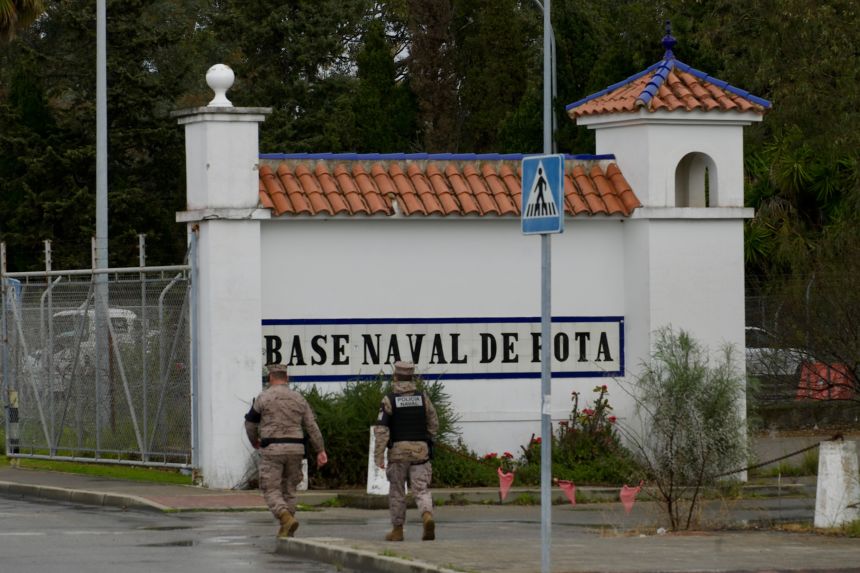
富勒与一名美国海军水手的婚姻在家人2019年抵达后不久破裂,该水手被派往罗塔海军基地的一艘导弹驱逐舰服役。
Fuller’s marriage to a US Navy sailor assigned to a guided-missile destroyer at Naval Station Rota fell apart soon after the family arrived in 2019.
2021年丈夫提起离婚诉讼时,西班牙法院裁定,未经另一方许可,任何一方不得带孩子离境。次年,随着离婚正式生效,海军下令丈夫返回美国,富勒对西班牙的抚养权裁决提出上诉。
When her husband filed for divorce in 2021, a Spanish court barred either parent from taking their child out of the country without the other’s permission. The next year, the Navy ordered her husband back to the US as the divorce was finalized and Fuller appealed a Spanish custody order.
她最终获得了孩子的实际抚养权,以及类似于美国法律抚养权的权利,但仍需获得法官或现任前夫的许可才能带儿子搬迁。届时儿子的美国护照也已过期,导致母子俩滞留西班牙。
She eventually won full physical custody and rights similar to legal custody in the US, but she still had to get permission from a judge or her now ex-husband to move their son. By then her son’s American passport had also expired, leaving them stuck in Spain.
富勒表示,她靠拼凑零工收入养家糊口,自称是“buscavida”,这是西班牙语中对“奋斗者/靠打拼谋生者”的称呼。
Fuller says she supports her family by scrapping together an income from this odd job and that – she’s a “buscavida,” she says, what the Spanish call a hustler.
“我来西班牙从未打算把这里当永久家园,”富勒对CNN说。“我不想仅仅因为奉军令前往海外,就再觉得像囚徒一样被困在另一个国家。”当婚姻破裂时,身处海外的军人配偶可能发现自己被困在国外,受制于当地法院的抚养权判决——即使当事人均为美国公民,且是奉美军命令移居海外。因频繁搬迁而本已经济脆弱的配偶,可能被迫在陌生的法院体系中周旋,在两国聘请律师,仅为把孩子带回家。
“I never came to Spain intending to make it my permanent home,” Fuller told CNN. “I don’t want to feel like a prisoner in another country any more simply because I followed military orders overseas.”When a marriage falls apart, military spouses living overseas can find themselves stranded in foreign countries and bound by foreign custody judgments in their courts — even when those involved are American citizens who moved abroad on US orders. Spouses already made financially vulnerable by years of relocations can be left navigating unfamiliar courts, hiring lawyers in two countries and fighting simply to bring their children home.
身陷外国法庭的军属长期以来在军方圈子里几乎对所有人都是隐形的,包括他们彼此之间。但8月,一名海军陆战队军官的妻子在网上发布求助视频并迅速走红,警告称她和孩子可能会被无限期滞留在德国,这一问题才冲入公众视野。
Spouses caught in foreign courts have been largely invisible to almost everyone in military circles, including each other. But in August the issue burst into public view when the wife of a Marine Corps officer went viral with an online plea, warning that she and her children could be trapped indefinitely in Germany.

杰米·莱尼奥表示,她的婚姻破裂部分原因是丈夫与一名上级军官——一位一星将军——有染,这一指控经美国非洲司令部监察长报告证实,该报告由CNN获得。
Jamie Lenio said her marriage was ending partly because her husband had an affair with a superior officer, a one-star general — a claim substantiated by a US Africa Command inspector general report obtained by CNN.
48小时内,该视频获得近50万次观看、超过3万个点赞和2300条评论。
Within 48 hours, the video had drawn nearly 500,000 views, more than 30,000 likes and 2,300 comments.
面临类似处境的军属联系上了莱尼奥,形成了一个非正式网络,成员包括多名女性和至少一名男性,他们分享各自经历,包括在社交媒体上发声,希望也能获得帮助。
Spouses facing similar circumstances contacted Lenio, leading to an informal network of women, and at least one man, who shared their stories, including on social media, in the hope they, too, can get some help.
不久后,军方下令莱尼奥的丈夫返回美国,为莱尼奥及其孩子在德国法院受理家庭案件前返回铺平了道路。本月初,莱尼奥带着孩子抵达南加利福尼亚。
Soon after, the military ordered Lenio’s husband to return to the US, paving the way for Lenio and her kids to return as well, before a German court could take up the family’s case. Earlier this month, Lenio arrived in Southern California with her children.
CNN采访了十多名现役军人、国防部雇员或美国政府承包商的现任或前任配偶,他们表示,婚姻结束后,他们被迫带着孩子滞留海外,或者独自返回美国、留下孩子。受访者中除一人外均为女性。
CNN spoke to more than a dozen current or former spouses of active-duty service members, Defense Department employees or US government contractors who said they were living overseas against their wishes with their children — or had returned to the United States without them — after their marriages ended. All but one of the spouses CNN spoke to were women.
她们都描述了在海外进行法律斗争时遭遇的毁灭性经济困境。许多人背负重债、信用受损,或不得不依靠食品银行勉强养活孩子。多名军属表示,为了生存不得不省吃俭用、甚至跳过餐食。
They all described debilitating financial hardship as they fought their legal battles overseas. Many racked up heavy debt, ruined their credit or relied on food banks just to feed their children. Multiple spouses said they skipped meals to get by.
“这令人心碎,但这不幸就是现实,”退役陆军军法官吉尔伯特·“乔伊”·康利说,他曾在涉及外国法院的监护权案件中代表军人和退伍军人。“总得有人对子女监护权拥有管辖权。”一旦孩子融入国外的日常生活,法院可能会根据1980年《国际儿童诱拐海牙公约》及其实施的美国法律,将该国视为孩子的“惯常居所”。
“It’s heartbreaking, but it’s unfortunately the reality,” said Gilbert “Joey” Comley, a retired Army judge advocate who has represented service members and veterans in custody cases involving foreign courts. “Someone always has to have jurisdiction over child custody.”Once a child becomes integrated into daily life abroad, courts may treat that country as the child’s “habitual residence” under the 1980 Hague Convention on international child abduction and the US law implementing it.
康利说,在法律上,这可能比公民身份或这个家庭仅因军事就业而搬迁的事实更重要。
Legally, that can outweigh citizenship or the fact that the family moved only because of military employment, Comley said.
CNN采访了驻扎在德国、西班牙、英国和日本的军人配偶,他们都表示,对于一项鲜为人知的国际条约在离婚期间和离婚后对子女监护权发挥作用感到惊讶。一些人说,无论身处哪个国家,他们都被外国法院的权力打了个措手不及。他们所有人都描述了美国军方官员给出的错误或相互矛盾的指导。
CNN spoke to military spouses based in Germany, Spain, the UK and Japan, all of whom expressed surprise at having an obscure, international treaty play a role in child custody during and after a divorce. Some said they were blindsided by the power of the foreign court — no matter the country they were in. And they all described incorrect or conflicting guidance from US military officials.
在部署或海外任职之前,军人家庭通常会在一份结构化的家庭应急计划中考虑可能改变生活的事件,包括军人死亡或配偶患病。
Ahead of deployments or overseas tours, military families often contemplate potential life-changing events, including the death of a service member or illness of a spouse in a structured Family Contingency Plan.
一些配偶表示,他们希望军方能让他们的家庭掌握更多信息,以便他们能够纳入一项协议,规定在海外离婚时他们将如何处理监护权问题。
A number of spouses said they wished the military had armed their families with more information so they could incorporate an agreement on how they would approach custody in the event of a divorce overseas.
就本文的提问,各军种最初让CNN向五角大楼询问有关军人在外国法院处理离婚和子女监护权时家属可获得指导的信息。随后,五角大楼一位发言人又将CNN转回各军种,并重点介绍了一个由国防部资助、面向军人和家属的网站“军人一站式资源”上的一系列网页。这些链接均未提供在外国法律体系中处理离婚或子女监护权的直接支持,这反映出家属在可能于危机之中自行摸索之前,可获得的官方信息十分匮乏。
In response to questions for this story, individual service branches initially directed CNN to the Pentagon for information about the guidance families receive from the military when navigating divorce and child custody in foreign courts. A Pentagon spokesperson then directed CNN back to the individual service branches before highlighting a series of webpages on Military OneSource, a DOD-funded website for military personnel and families. None of the links provide direct support for navigating divorce or child custody in foreign legal systems, a reflection of the dearth of official information available to families before they may be educating themselves in the middle of a crisis.
空军提到了一篇涉及海外军人离婚的文章,但仅指出“这可能比夫妻在美国某个州内提出申请更为复杂。美国法院可能不承认在海外办理的离婚,因此最好在美国国内办理。”该文章简要提及了实物财产,但未涉及子女监护权。
The Air Force flagged an article that mentioned military divorce overseas, but only that it “can be more complicated than if the couple filed within a state. A US court may not recognize a divorce filed overseas, so it’s best to file in the United States.”It briefly addressed physical property but not child custody.
与其它军种一样,海军表示其并不追踪有多少家庭正在外国法院进行离婚或子女监护权诉讼,但会在他们前往海外之前进行情况介绍,以“确保军人和家属清楚了解在东道国服役期间的司法管辖、法律保护和行政责任”。海军陆战队和空军的发言人列举了军人家庭可获得的若干资源,包括法律援助服务,但附带一个重要说明:他们需要聘请当地私人律师在法庭上代表自己。
The Navy, like other service branches, said it doesn’t track how many families are in divorce or child custody proceedings in foreign courts but that it does give them briefings before they go overseas to “ensure service members and their dependents clearly understand host-nation jurisdiction, legal protections, and administrative responsibilities while serving abroad.”Spokespeople for the Marine Corps and the Air Force outlined a number of resources available to military families, including legal-assistance services but with a significant caveat: they would need a private local lawyer to represent them in court.
在CNN查阅的这些案例中,浮现出一个共同模式:收入较高的一方有动机留在海外——无论是临近退役、觊觎军方合同工作的军人,还是能够在婚姻结束后很久仍延长有时颇为丰厚的驻外任期的文职雇员或承包商。这些就业机会为他们提供了在东道国工作的合法身份。
Across the cases CNN reviewed, a common pattern emerged: The higher-earning partner had an incentive to remain overseas — whether as a service member nearing retirement and eyeing a military contracting job, or as a civilian employee or contractor able to extend an at times lucrative posting long after the marriage ended. Those employment opportunities provide legal status to work in host countries.
被滞留在国外——或感到被迫在没有孩子的情况下离开——的随行配偶们一致描述,监护权诉讼程序偏向收入较高的一方,因为后者请得起更强的法律代理,并能辩称更稳定的收入使他们更有能力抚养孩子。
The accompanying spouses who were stranded abroad — or felt forced to leave without their children — uniformly described custody proceedings that favored the higher-earning partner, who could afford stronger legal representation and argue that a steadier income left them better positioned to provide for the children.

“费用会很高,”康利解释说,因为寻求公平的解决方案需要在美国聘请一名律师,并在外国再聘请一名律师。
“It gets expensive,” Comley explained, because finding a fair resolution requires retaining a lawyer in the US and another in the foreign country.
对许多军人配偶来说,经济独立难以实现,在海外更是如此——签证对工作地点的限制进一步压缩了他们的就业机会。每两到三年搬一次家,使得找工作或维持职业生涯变得困难,因为他们不得不围绕配偶的兵役要求来扭曲自己的生活。
For many military spouses, financial independence is elusive, even more so overseas where their job opportunities are further limited by visa restrictions on where they can work. Moving every two to three years makes finding a job or maintaining a career difficult as they contort their lives around their spouse’s military service demands.
根据锡拉丘兹大学达尼埃洛退伍军人和军人家庭研究所对美国人口普查局数据的分析,尽管半数现役军人配偶至少拥有学士学位,但军人配偶的失业率约为普通人的四倍,收入中位数比平民配偶低42%。
Though half of active-duty spouses have attained at least a bachelor’s degree, the military spouse unemployment rate is about four times higher and they have a median income 42% lower than civilian spouses, according to an analysis of U.S. Census Bureau data by D’Aniello Institute for Veterans and Military Families at Syracuse University.
在海外,随着配偶的合法身份依附于其与军方有关联的伴侣,就业障碍成倍增加。一旦失去这一保护,他们就必须在为争取监护权而斗争的同时,找到留在该国并工作的其他理由,而这是一项代价高昂的努力。
Overseas, employment obstacles multiply as a spouse’s legal status extends through their military-connected partner. Once they lose that protection, they have to find an alternate justification for remaining and working in the country while they fight for custodial rights, a costly endeavor.
军人配偶在外国法院离婚时,还可能失去一项重要的婚姻财产:美国军人退休福利。外国法院可以裁定离婚和子女监护权,但通常没有像美国法院那样的管辖权来分割这些福利,因此如果军人一方拒绝自愿分享,配偶几乎无计可施。
Military spouses divorcing in foreign courts can also lose out on a major marital asset: US military retirement benefits. Foreign courts may decide divorce and custody but generally do not have jurisdiction to divide those benefits as a US court can, leaving spouses little recourse if the service member refuses to share them voluntarily.
这场法律纠纷往往伴随着随行配偶失去那些让海外生活得以维持的实际支持:进入基地享受平价购物、使用邮政信箱,以及使用与担保配偶关联的银行账户或车辆。接受CNN采访的几位配偶都累积了可观的信用卡债务;其中一人有记录显示自己依赖食物银行和军方提供的旧货店代金券。
The legal fight often unfolds as an accompanying spouse loses practical support that made overseas life possible: base entry access to affordable shopping, post-office boxes and access to bank accounts or cars tied to the sponsoring spouse. Several CNN spoke with accrued significant credit card debt; one documented relying on a food bank and military-provided thrift-store vouchers.

何塞·“特雷”·冈萨雷斯的婚姻在2023年恶化,当时他的家庭刚搬到德国不久,他的妻子为国防部一家承包商工作。德国法院审理他们现年5岁儿子的监护权期间,冈萨雷斯与妻子挂钩的移民身份到期,他离开了德国。他在2024年斯图加特的一次庭审和探视中短暂见过儿子,但他说此后就再没见过。
Jose ‘Trey’ Gonzalez’s marriage deteriorated in 2023, soon after his family moved to Germany for his wife’s work with a Defense Department contractor. While a German court considered custody of their now-5-year-old son, Gonzalez’s immigration status linked to his wife expired and he left Germany. He saw his son briefly during a 2024 court hearing and visit in Stuttgart but says he has not seen him since.
“我觉得总该有某种变通办法,因为我们都是美国人,”冈萨雷斯在佛罗里达州接受CNN采访时说。
“I felt like there had to be some kind of workaround because we’re all American,” Gonzalez told CNN from Florida.
“太糟糕了。每一天都是噩梦。只要德国人拥有管辖权,我就毫无希望。”在英格兰,空军配偶布兰迪琳·科希亚在丈夫于英国提出离婚后,正纠结于留下还是离开。
“It’s been terrible. It’s been a nightmare every day. As long as the Germans have jurisdiction I have zero hope.”In England, Air Force spouse Brandylyn Cohea is torn between staying or going in the wake of her husband filing for a divorce in the United Kingdom.
她担心,如果失去在该国工作和居留的身份,自己会在没有十几岁儿子的情况下被驱逐出境。同时,她也担心如果自己离开,法院可能做出不利裁决。空军曾短暂批准她和儿子返回美国,但他们将不得不留下两只心爱的金毛寻回犬,这两只狗是从美国带来的。
She fears being deported without her teenage son if she loses her status to work and live in the country. Meanwhile, she worries a court could rule unfavorably if she leaves. The Air Force briefly authorized her and her son to return to the US but they would have had to leave without their two beloved golden retrievers, who came from the US.
她说,她每周工作长达55小时,同时独自抚养孩子,每月获得1300美元的子女和配偶抚养费。
She’s working up to 55 hours a week while parenting alone, she says, receiving $1300 in child and spousal support per month.
“看着”其他家庭离开“真的很难受”,她哽咽着说,“因为我想回家。”自从莱尼奥的故事受到全国关注以来,面临离婚的军人配偶越来越多地将公众压力视为迫使对方采取行动的唯一途径。
“It’s really difficult to watch” other families leave, she says, choking up, “because I want to go home.”Since Lenio’s story gained national attention, military spouses facing divorce have increasingly seen public pressure as the only way to force action.
一些人将自己的故事公之于众,其中一些还出现在社交媒体视频中。莱尼奥在8月发出的恳求迅速传到了海军部最高层。
A number have taken their stories public, some appearing in social media videos. Lenio’s viral plea in August quickly reached the highest levels of the Navy Department.
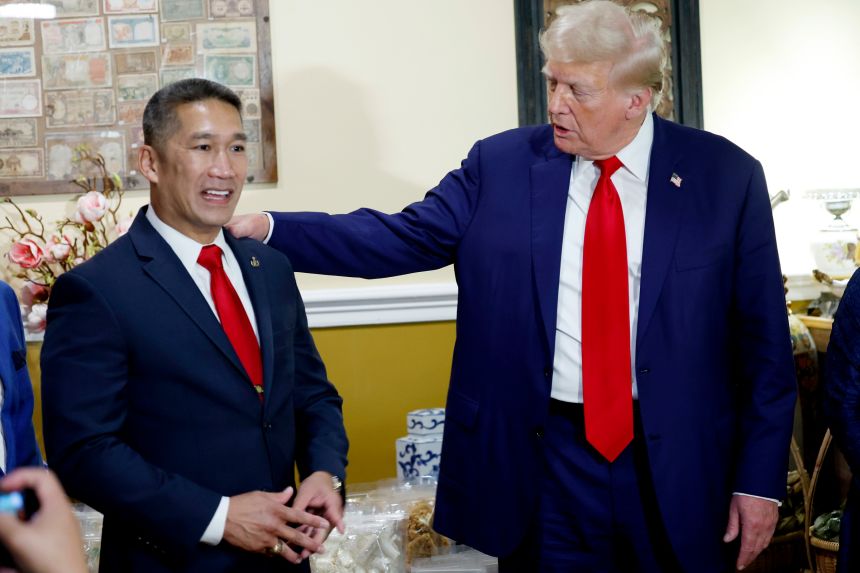
代理海军部长高雄(Hung Cao)负责监管海军陆战队,最近被总统唐纳德·特朗普提名正式出任该职。他公开回应道:“我们清楚地听到了你的声音。你和你的家人很快就会回家。”次月,大约在高雄获得提名前后,海军陆战队向莱尼奥的丈夫下达了新的命令,她带着孩子回到了美国。
Acting Navy Secretary Hung Cao, who oversees the Marine Corps and was recently nominated to permanently fill the role by President Donald Trump, responded publicly: “We hear you loud and clear. You and your family will be home soon.”The next month, around the time of Cao’s nomination, the Marine Corps issued Lenio’s husband new orders, and she returned to the US with her children.
莱尼奥告诉CNN,那段视频让她回了家。海军陆战队则表示,在她公开此事之前,这一调动已经在进行中,并告诉CNN,他们早已得出结论,认为此事“在美国解决最为妥当”。但没过多久,海军陆战队和海军在其他家庭的案件中也做出了类似的判定。
Lenio told CNN the video got her home. The Marine Corps said the move was underway before she went public, telling CNN it had already concluded the situation “would be best resolved in the US.”But in short order, the Marine Corps and Navy made similar determinations in the cases of other families.
多位消息人士——包括配偶、服役人员以及熟悉人事决定的前军方官员——表示,莱尼奥的视频显然起到了催化剂的作用。
Several sources – spouses, service members and former military officials familiar with personnel decisions – said Lenio’s video was a clear catalyst.
在CNN报道期间,另一个面临离婚、驻扎在德国的海军陆战队家庭也在CNN就他们的情况向五角大楼询问后,获得了允许他们返回美国的命令。
During CNN’s reporting, another Marine Corps family facing divorce in Germany also received orders allowing them to return to the US after CNN asked the Pentagon about their situation.
科琳娜·阿塞韦多育有四个孩子,丈夫是一名高级士官。她说,自己的案件是在莱尼奥的视频发布后才开始有进展的。此前,一家德国法院拒绝授予她带子女返回美国所需的权限。海军陆战队不愿讨论她的案件,但表示每个家庭的情况和时间线各不相同。外国家庭法院的命令也可能优先于美国军方的某些决定。
Corina Acevedo, mother of four and the wife of a senior enlisted Marine, said her case began moving only after Lenio’s video. Earlier, a German court denied her the authority necessary to return to the US with her children. The Marine Corps would not discuss her case, but said every family’s circumstances and timeline are different. Foreign family court orders can also trump certain decisions by the US military.
2025年夏天,阿什莉·甘布尔与一名海军水兵的婚姻破裂,当时这对夫妇带着两个孩子住在德国凯泽斯劳滕附近。甘布尔提出申请,要求获得决定孩子居住地的权利,但最终未能成功,随后一家德国法院明确了监护安排。“你会被卷入德国法院系统。而且整个过程全都是德语,”她说。
Ashlee Gamble’s marriage to a Navy sailor fell apart in the summer of 2025 while the couple were living near Kaiserslautern, Germany with their two children. A German court spelled out a custody arrangement after Gamble filed, ultimately unsuccessfully, for the right to determine where her children would reside. “You’re sucked into the German court system. And all of it is in German,” she said.
去年,尽管丈夫反对,军方仍批准了甘布尔带两个孩子返回美国的请求,但德国法院只允许她带着长子离开。她年幼的儿子将留在德国,与丈夫一起生活。
Last year, over her husband’s objections, the military granted a request for Gamble to return to the US with both children, but the German court would allow her to leave only with her eldest child. Her young son would remain in Germany with her husband.
《星条旗报》本月早些时候首次报道了这个家庭的情况。两天后,甘布尔由海军指派的法律顾问告知她,海军已下达命令,将她的丈夫和家人调回美国,而此时距军方提供的临床社工首次建议甘布尔带两个孩子返回美国已过去一年多。
Stars and Stripes first reported on the family earlier this month. Two days later, Gamble’s Navy-appointed legal advisor let her know the Navy had released orders to move her husband and family back to the US, more than a year after a military-provided clinical social worker first recommended Gamble return with the two children.
甘布尔的丈夫表示,这些命令在孩子们学年中途打乱了他家人的生活,他质疑海军为何要介入一桩私人家庭事务。
Gamble’s husband says the orders have upended his family’s lives in the middle of his children’s school year, and he questioned why the Navy would intervene in a private family matter.
“我认为民事事务应该由民事法院处理,不应让军方介入,”他告诉CNN,并列举了他所认为的德国法院系统对军人配偶的有利之处。
“I think that civil matters should be handled by the civil courts and not have the military involved,” he told CNN, outlining what he sees as advantages for military spouses in the German court system.
“在美国,这会让他们花费更多,因为在德国,如果他们找不到工作,可以在一桩民事案件中获得免费律师。在美国,你上哪儿去找免费的离婚律师?”但甘布尔说,她的法院指定律师除了她的案子外还处理许多案件,她很庆幸能离开德国返回美国。
“It’s going to cost them more in the US because here in Germany, if they can’t get a job, they’re provided access to a free lawyer for a civil case. Where in the US are you going to get a free divorce lawyer?”But Gamble says her court-appointed lawyer is managing many cases besides hers and she is relieved to be leaving Germany and heading back to the US.
“我觉得,除非有人违法,否则军人家属根本不该出现在德国法庭上。但涉及到监护权,这种事不能一再发生。”即便如此,德国法院的命令仍将随这家人跨越大西洋,决定他们的监护安排,除非德国法院放弃管辖权,或直到其放弃管辖权为止。
“I feel like military families have no business being in German courts unless someone broke a law. But when it comes to custody, this can’t keep happening.”Even so, the German court order will cross the Atlantic with the family, dictating their custody arrangement unless or until the German court relinquishes jurisdiction.
在没有条约修改或五角大楼层面政策的情况下,各司令部和承包商在军人家庭能否回国在美国法院办理离婚和监护权一事上仍拥有广泛的自由裁量权。这些家庭描述说,有些官员信息不足或不愿介入,另一些官员虽然支持并积极回应,但一旦外国法院介入,仍无法强行推动解决。
Without a treaty change or a Pentagon-wide policy, commands and contractors retain broad discretion over whether a family can return home to pursue divorce and custody in an American court. Families described officials who were ill-informed or unwilling to intervene and others who were supportive and responsive but still unable to force a resolution once a foreign court became involved.
推动关注这一具体问题的努力,恰逢在伊朗战争期间以及特朗普的军人配偶委员会成立初期,外界对军人家庭困境的广泛新政策关注。该委员会由国防部长皮特·赫格塞思的妻子詹妮弗·赫格塞思领导。
Efforts to bring attention to this specific issue have coincided with a broad new policy focus on military family struggles amid the Iran War and the early days of Trump’s Military Spouse Commission, a panel led by Jennifer Hegseth, wife of Defense Secretary Pete Hegseth. The commission’s membership includes almost all of the spouses of the military’s top brass.
该委员会的成员几乎包括军方最高层所有人的配偶。据白宫称,该委员会的任务包括制定“政策建议,以解决……与部署相关的支持问题”,并“在支持最高战备标准的同时,改善军人配偶的生活质量”。克里斯蒂娜·富勒从西班牙关注着对其他家庭的军方干预。
The commission is tasked with, among other things, developing “policy recommendations to address … deployment-related support” and “improve the quality of life for military spouses while supporting the highest standard of military readiness,” according to the White House. Christina Fuller watched military interventions for other families from Spain.

“当我看到杰米的故事出来,看到海军部长说‘在我的任内不会发生这种事’时,我想,‘好吧,部长先生,让我们看看在你的任内会发生什么’,因为这种事已经发生很久了,”她说。
“When I saw Jamie’s story come out and I saw the Secretary of the Navy saying ‘not on my watch,’ I thought, ‘OK, sir, let’s see what’s going to happen on your watch,’ because this has been happening for a long time,” she said.
她说,她的前夫去年因军方命令返回西班牙,现在与他们的儿子有简短的定期探视和通话。
Her ex-husband returned to Spain on military orders last year, she says, and now has brief regular visits and calls with their son.
然而,富勒已不再是军属,这限制了海军通过新命令或提前返岗计划解决其案件的能力。她的儿子仍是军属,但富勒表示,在其丈夫驻扎夏威夷的那些年里,儿子无法在基地内接受医疗服务。
However, Fuller is no longer a military dependent, limiting the Navy’s ability to resolve her case through new orders or an early return program. Her son remains a military dependent, though Fuller says he was unable to receive on-base health care for the years his father was in Hawaii.
富勒提供的一封来自罗塔海军医院的电子邮件显示,记录错误地将孩子登记为与父亲一起居住在夏威夷,而父亲告诉CNN,他已将儿子列入自己的军事命令中。
An email Fuller provided from the naval hospital in Rota showed records incorrectly identifying the child as living in Hawaii with his father, who told CNN he included his son on his military orders.
他说,与儿子分离“极其困难”,“在不同法律体系和军事义务之间周旋带来了巨大挑战”。富勒曾向三个国会议员办公室和美国领事馆寻求帮助,但表示在未获得孩子父亲同意的情况下,她无法为儿子办理美国护照。
He said it has been “extremely difficult” being separated from his son and “navigating different legal systems and military obligations presents significant challenges.”Fuller has sought help from three congressional offices and the US consulate, but says she has been unable to obtain a US passport for her son without his father’s consent.
虽然她仍希望返回美国,但目前她正为孩子们建立生活:安排聚会、篮球训练、舞蹈课和生日派对。她的儿子现在有了一个美国籍同母异父的弟弟,富勒在学习西班牙语的同时研习欧洲法律和《海牙公约》,致力于在社交媒体上为其他家庭提供信息。
While she still wants to return to the US, for now she is building a life for her children: play dates, basketball practice, dance classes and birthday parties. Her son now has an American half-brother, and Fuller has learned Spanish while studying European law and the Hague Convention as she works to provide other families information on social media.
“即使为时已晚,无法挽回我失去的那些岁月,但为确保其他人不再失去他们的岁月,永远不嫌晚。”
“Even if it’s too late to give me those years back, it is not too late to make sure somebody else doesn’t lose theirs.”