
好东西太多也是问题。这是一个简单易懂的见解,它曾经是许多经济思想的基础,但如今已被搁置一旁。在一个被对短缺和供应瓶颈的担忧所困扰的世界里,从石油到硅芯片,再到熟练劳动力,而且在人们对政府财政赤字的担忧日益加剧之际,供应过剩似乎是我们都希望拥有的问题。英国牧师托马斯•马尔萨斯认为人口增长将不可避免地导致稀缺,他的观点继续让我们感到恐惧;而“我们拥有太多”的观念不会引起这样的担忧。
You have too much of a good thing. It’s a simple enough insight, which at one point undergirded much economic thought, but it’s been allowed to fall by the wayside. In a world riven by fears of shortages and supply bottlenecks, from oil to silicon chips via skilled labor — and amid growing alarm about government fiscal deficits — a surplus seems a problem we would all like to have. The ideas of Thomas Malthus, the British clergyman who thought population growth would inevitably lead to scarcity, continue to scare us; the notion that we have too much does not cause any such concern.
但是,认为一切东西都太多、特别是资本太多的观点不应被轻易忽视。事实上,可以把当前世界上所有引发如此多不满的经济麻烦都视为供应过剩的结果。不仅如此,这个问题不是来自一个可以通过以经典资本主义方式调整价格来纠正的周期性过程。相反,越来越多的东西过剩可能是一个长期问题,将当前的经济模式推向危机点。
But the idea that there’s too much of everything, particularly capital, should not be lightly dismissed. Indeed, it’s possible to cast all the world’s current economic troubles, which are causing such discontent, as the result of a surplus. Not only that, but this problem doesn’t come from a cyclical process that can be corrected by adjusting prices in the classic capitalist fashion. Rather, a growing surplus of stuff might be a secular issue driving the current economic model toward crisis point.
至少,这是资深外汇分析师马克•钱德勒在他的新书《过剩的悖论》(The Paradox of Surplus)中提出的论点。他目前为班诺克本全球外汇公司工作。这是一项雄心勃勃的事业,值得广泛阅读。
That, at least, is the argument that Marc Chandler, a veteran foreign exchange analyst who these days plies his trade for Bannockburn Global Forex, makes in his new book, . It’s an ambitious undertaking that deserves a wide reading.
查尔斯·科南特·钱德勒最初关注的是要重新发掘已故的19世纪末思想家兼经济学家查尔斯·科南特。科南特在世时的影响力几乎无人能及;威廉·麦金莱、西奥多·罗斯福和威廉·霍华德·塔夫脱三位总统都曾就国际经济政策和货币改革向他请教。菲律宾是他通过经济外交活动提供咨询的众多国家之一,在那里,为取代旧西班牙银元而引入的新铸币甚至被称为“科南特币”。
Charles Conant Chandler’s initial concern is to resurrect the late-19th century thinker and economist Charles Conant. He could scarcely have been more influential in his lifetime; Presidents William McKinley, Theodore Roosevelt and William Howard Taft all sought his advice on international economic policy and currency reforms. In the Philippines, one of many countries that he counseled in his campaign of economic diplomacy, the new coinage that was introduced to replace the old Spanish silver dollars was even known as “Conants.”
在上个世纪之交镀金时代让位于进步时代、美国取代英国成为霸权经济力量的关键时期,科南特所扮演的角色,与约翰·梅纳德·凯恩斯和米尔顿·弗里德曼在后世所扮演的角色同样重要。与这两位巨擘不同,他基本上已被遗忘。如今,世界似乎正在摸索一种既非凯恩斯及战后时代所代表的混合经济、也非自1980年代以来一直占上风的弗里德曼式自由放任模式的模式,此时重新审视科南特是合情合理的。
For the crucial period at the turn of the last century when the Gilded Age gave way to the Progressive Era and America supplanted Great Britain as the hegemonic economic power, Conant played a role as important as John Maynard Keynes and Milton Friedman would in later generations. Unlike those two titans, he has been largely forgotten. And as the world seems to be groping for a model that is neither the mixed economy associated with Keynes and the postwar era, or the Friedman-inspired laissez-faire model that has been in the ascendant since the 1980s, it makes sense to return to Conant now.
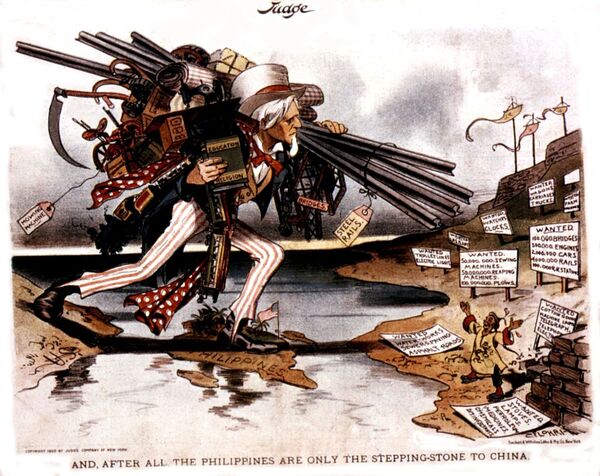
科南特的核心观点是,资本主义不仅会生产出过多的商品,还会产生过多的储蓄;而当过多的资本选择了过少的机会时,就可能使经济陷入不稳定——这正是美联储新任主席凯文·沃什今年8月在二十国集团会议上提出的观点。钱德勒本人认为,他是在“延续一场始于19世纪中叶但已不再流行的对话”。正因如此,科南特才走上了为外国政府提供咨询、试图让这些国家成为美国投资安全之地的职业道路。
Conant’s key points were that capitalism could produce excessive savings, and not just excessive goods, and that when too much capital chooses too few opportunities, it can destabilize the economy — exactly a point made by Kevin Warsh, the new chairman of the Federal Reserve, to a G20 conference in August. Chandler himself believes that he’s “carrying on a dialogue that began in the middle-19th century but has fallen out of fashion.”This was why Conant embarked on a career advising foreign governments and trying to get them to make their countries safe for American investment.
令他警觉的是,美国饱受他所谓的“毁灭性竞争”之苦,而资本主义无法通过当时许多思想家所关注的达尔文式适者生存过程来解决这一问题。
He was alarmed that the US suffered from what he called “ruinous competition” that capitalism couldn’t resolve through the Darwinian survival-of-the-fittest process that preoccupied many thinkers at the time.
钱德勒认为,最适者未必能生存,因为企业需要高固定成本来制造,也能借入大量资金——用钱德勒的话说,这“颠覆了古典范式”:如今,在经济衰退或供过于求时期能够存活下来的公司,不再是最有效率的、最具创新精神的,或最有能力满足消费者需求的公司。相反,是那些财力最雄厚、承受亏损能力最强的企业才能活下来,改日再战。
The fittest wouldn’t necessarily survive, he believed, because companies needed high fixed costs to manufacture and were also able to borrow high amounts — and this, to quote Chandler, “turned the classical paradigm on its head”: It is no longer the case that the companies that survive an economic downturn or a period of oversupply will be those that are the most efficient, or the most innovative, or those ones that are best placed to meet consumer demands. Instead, it is the businesses with the deepest pockets and the greatest ability to absorb losses that will live to fight another day.
好公司会被准备亏本生产的更大竞争对手挤出市场。资本过剩会在银行和制造商的资产负债表中不断积累,问题因此愈发严重。这些资本将继续以越来越低的生产率被使用,持续拖累经济,却不会引发一次清理性的崩溃——同时还会继续让富人更富。
Good companies would be forced out of business by bigger competitors prepared to produce at a loss. A surplus of capital would build up, both in the banks and in manufacturers’ balance sheets, and so the problem would grow ever worse. That capital would continue to be deployed ever less productively, steadily dragging down the economy but without triggering a purgative crash — and while continuing to make the rich richer.

内卷 距康纳特一个世纪之后,他所说的“毁灭性竞争”听起来很像中国人现在所说的“内卷”。应对大规模的无利可图生产是北京的首要任务,但在他们能够遏制电动汽车、太阳能电池板及其他领域巨大过剩产能之前,最好的解决办法就是将其倾销到世界其他地区,从而把问题进一步扩散。
Involution A century on from Conant, his “ruinous competition” sounds a lot like what the Chinese now call “involution.”Fighting massive unprofitable production is a priority for Beijing, but until they can curb the huge surplus in electric vehicles, solar panels and the rest, their best solution is to dump it on the rest of the world, spreading the problems still further.
中国正试图将其作为一个周期性的经济问题来处理,认为可以通过适当有力的经济政策加以遏制。而据钱德勒记述,康纳特的观点是,这是一种累积性现象,会持续向上棘轮式攀升。若市场体系内部没有纠正机制,就无法简单地加以阻止。
China is trying to deal with this as a cyclical economic problem that can be reined in with appropriately aggressive economic policy. Conant’s argument, as recounted by Chandler, is that it’s an accumulative phenomenon, which will continue to ratchet upward. Without a corrective within the market system, it cannot be thwarted simply.
虽然与科南特研究结果的类比在中国最为清晰,因为涉及制成品,但盈余在西方世界同样是个大问题。这一点被低估了。“我认为许多经济学家把盈余视为特例——中国,或汽车,或钢铁,”钱德勒说。“我则认为它提供了一种普遍的理论或解释。”他指出,寻找出路的资本过剩可以被视为推动1929年大崩盘乃至八十年后全球金融危机的因素。
And while the analogy with Conant’s findings is clearest for China because it involves manufactured goods, the surplus is as great an issue in the western world. That is under-appreciated. “I think many economists see surplus as a special case — China, or autos, or steel,” says Chandler. “I think of it as offering a general theory or explanation.”He points out that excesses of capital looking for something to do can be viewed as driving the Great Crash of 1929, and indeed the Global Financial Crisis eight decades later.
科南特的思想推动了如今看来相互对立的极为重要的趋势。新政和战后的凯恩斯主义福利国家是使用过剩资本的方式,而这正是科南特所鼓励的。美国帝国主义在拉丁美洲的扩张也是如此,这也得到了科南特的直接支持,他在一篇题为——这一观点至少在一定程度上有助于解释为什么这个人如此彻底地失宠。
Conant’s ideas drove profoundly important trends that now appear to be antithetical. The New Deal and the post-war Keynesian welfare states were ways to use surplus capital, which Conant encouraged. So was the growth of American imperialism in Latin America, also directly backed by Conant in an article called — a point of view that might at least in part help to explain why the man has fallen so completely from favor.
或许更令人不安的是,将过剩资本视为关键驱动经济力量的模型与20世纪的总体历史完美契合:两次世界大战的破坏为新的增长创造了条件,而1945年后资金的再度过剩催生了美国消费主义,这一模式如今被许多人想要效仿作为增长手段。盈余现在在哪里?
And perhaps even more disturbingly, the model of surplus capital as the critical driving economic force fits beautifully with the overarching history of the 20th century: The destruction of world wars twice allowed for new growth to commence, and then a resumed surfeit of money launched American consumerism after 1945 in a model that many now want to copy as a means to growth. Where Is the Surplus Now?
当世界各地的福利国家体系都处于赤字状态时,这一切似乎有悖直觉。法国街头的抗议者不认为有任何盈余。但这些症状早已体现在低债券收益率和不断增多的融资形式中,使资本越来越容易获得,破产越来越容易避免。这让投资者得以获利,而整体经济增长在许多看来远未达到可接受的水平。
All of this seems counterintuitive when welfare-state systems around the world are in deficit. Protesters on the streets of France don’t think there is a surplus of anything. But the symptoms have long been there in low bond yields and proliferating forms of financing, making capital ever easier to come by and bankruptcy far easier to avoid. That has allowed investors to prosper, with overall economic growth that many find far short of acceptable.
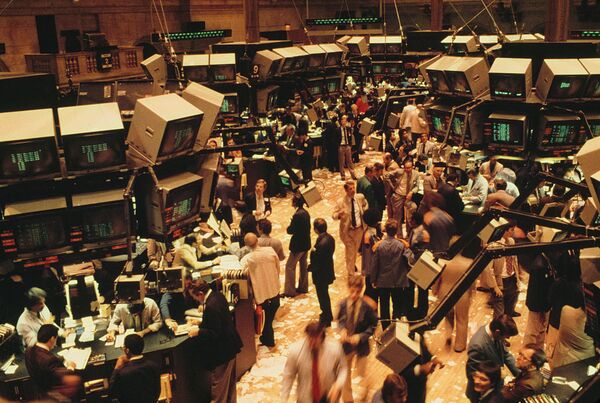
钱德勒将此解读为应对过剩的新手段,而这种过剩本身已以自身方式取得了成功。将资本盈余导入金融工具,充当了经济的“压力阀”,使企业和工人免受其负面影响。因此,经济的大规模金融化或许不应被视为一种强制施加,也不应被视为对不明智放松监管的回应,而应被视为对寻求归宿的资本过剩的自然反应。
Chandler reads this as a new means to deal with the excess that has been successful in its own way. Channeling the capital surplus into financial instruments acted as an economic “pressure valve” shielding business and workers from its negative effects. Thus the great financialization of the economy should perhaps not be viewed as an imposition, or a response to unwise deregulation, but as a natural response to the surplus of capital seeking a home.
里根时代的全球化模式——唐纳德·特朗普总统所反叛的对象——也可以这样看待:一些评论员将一项非正式协定称为“布雷顿森林体系II”:盈余国家将为美国出口提供市场,并为美国资本提供安全的目的地;美国则反过来吸收它们的制成品,并为其储蓄提供安全的流动性市场。
The Reagan-era model of globalization, against which President Donald Trump has rebelled, can also be viewed this way: An informal pact…was dubbed Bretton Woods II by some commentators: Surplus countries would provide markets for American exports and safe destinations for American capital; America, in turn, would absorb their manufactured goods and provide secure liquid markets for their savings.
从世界各地回收所有这些资金的特权落到了美国及其金融体系头上。在此过程中,失衡加剧,工作岗位流失国外,最终民众走到了反抗的地步。特朗普及其关税——无论实施得多么随意——一直是政治上的回应。正式的国际安排正受到攻击,钱德勒所描述的非正式里根式协议也同样如此。
To the US and its financial system fell the privilege of recycling all this money from around the world. As it did this, imbalances grew, jobs left the country, and eventually the population came to the point of revolt. Trump and his tariffs, however haphazardly applied, have been the political response. Formal international arrangements are under attack, as is the informal Reaganite deal that Chandler describes.
特朗普的做法是否有任何明确思路来应对过剩资本,目前尚不确定,但市场或许正在人工智能领域找到一种办法。互联网曾迫使企业发生剧烈变革,使许多商业模式被淘汰,但也让资本在少数大赢家手中不断累积。这种资金过剩的影响,曾体现在人们对不平等现象的广泛抱怨,以及外界对社交媒体扭曲性力量日益增长的不安之中。
It’s not certain that the Trump approach has any clear idea of how to deal with the surplus, but the market may be finding one in AI. The internet forced drastic change, rendering many business models obsolete, but also allowed capital to pile up among the few companies that won big. The effects of that excess of funding could be seen in widespread complaints about inequality, and growing unrest about the distorting power of social media.
如今,这一点则体现在最大的互联网赢家为建设人工智能而能够投入的惊人金额上。就在本周,可以说是上一轮技术革命最大赢家的亚马逊公司宣布,仅第三季度就在主要用于数据中心的投资上花费了770亿美元。
It’s now visible in the breathtaking sums that the biggest internet winners are able to spend to build out artificial intelligence. Just this week Amazon.com Inc., arguably the single greatest champion of the last technological revolution, announced that it had spent $77 billion on largely data-center-related investments in the third quarter alone.
一场规模巨大的过剩资本正被投入到人工智能热潮之中。它或许能让这套机器再多运转一段时间,也可能只会造成那种科南特本会乐见其成的资本毁灭。
An immense excess of capital is being deployed in the AI boom. It might succeed in keeping the machinery running for a little longer, or it might just result in the kind of capital destruction that Conant would have welcomed.
读完钱德勒的书之后,很难不把经济看作是一笔膨胀的、正在寻找用途的过剩资金。近年来出现了一波试图诊断资本主义问题的书籍,而这是一部重要的补充之作。这些并不是人们通常预期会从一位华尔街金融家那里听到的论点,但它们令人不安地有道理。
After reading Chandler’s book, it’s very hard not to view the economy in terms of a bloated surplus of money seeking a purpose. There’s been a wave of books attempting to diagnose the problems of capitalism in recent years, and this is an important addition. These aren’t arguments that would normally be expected from a Wall Street financier, but they make frightening sense.