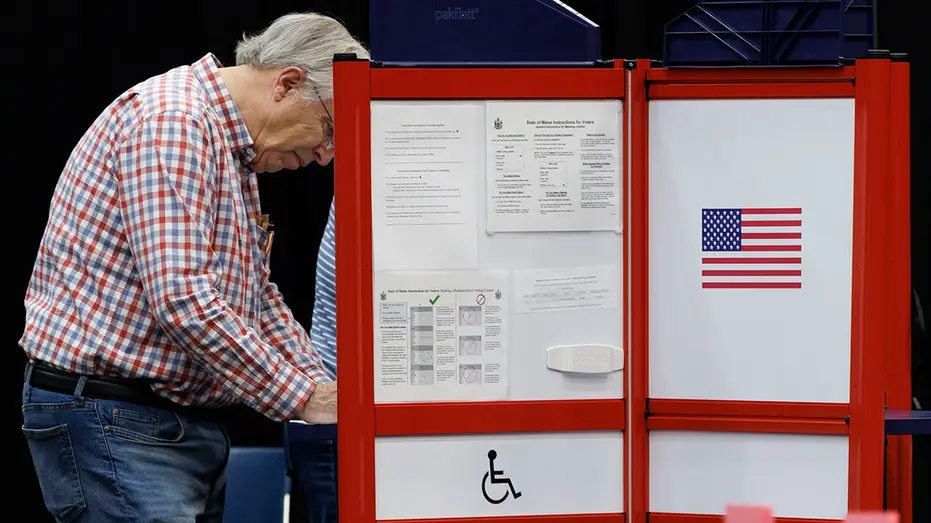
九十年前,1936年10月31日,《文学文摘》预测阿尔夫·兰登将在即将到来的大选中击败富兰克林·德拉诺·罗斯福。此前,《文学文摘》自1916年以来曾连续准确预测总统大选获胜者。
Ninety years ago, on Oct. 31, 1936, Literary Digest, which had correctly forecast presidential election winners since 1916, predicted that Alf Landon would beat Franklin Delano Roosevelt in the upcoming election.
罗斯福大获全胜。《文学文摘》的民调通过明信片调查了1000万人,名单来源于电话簿和汽车登记册。尽管近240万人作出回应——回复率令人印象深刻——但有偏差的样本导致结果不准。《文学文摘》不久后倒闭。
Roosevelt won handily. The Digest’s poll surveyed 10 million people via postcard, using telephone books and car registration lists for the information. Even though almost 2.4 million people responded — an impressive response rate — the misleading sample provided inaccurate results. Literary Digest folded shortly afterward.
两年后,1938年,盖洛普开始追踪总统支持率。即便如此,民调仍远非完美。1948年,《芝加哥每日论坛报》尴尬地在头版刊出“杜威击败杜鲁门”的宣言,部分源于民调的误用。该报依据未能反映选举日真实情况的早期民调做出预测。
Two years later, in 1938, Gallup started tracking presidential approval ratings. Even so, polls remained far from perfect. In 1948, the Chicago Daily Tribune’s embarrassing front-page declaration "Dewey Defeats Truman" stemmed in part from a misuse of polling. The paper relied on earlier polls that did not reflect the Election Day reality in making its prediction.
随着民调科学随时间改进,竞选专业人士开始依赖民调专家。约翰·F·肯尼迪是首位与民调公司紧密关联的总统,他在1960年竞选总统时使用了卢·哈里斯及哈里斯机构的民调。
As the science of polling improved over time, campaign pros began to rely on pollsters. John F. Kennedy was the first president to be strongly associated with a polling firm, as he used Lou Harris and the Harris organization's polls in his 1960 campaign for president.
李·卡特:美国人对所有人都感到愤怒——但究竟谁会真正去投票?
LEE CARTER: AMERICA IS ANGRY AT EVERYONE — BUT WHO WILL ACTUALLY VOTE?
20世纪70年代,我们见证了明星民调专家的崛起:吉米·卡特的帕特·卡德尔、罗纳德·里根的理查德·沃思林,以及比尔·克林顿的斯坦·格林伯格和迪克·莫里斯。这些民调专家虽取得成功,却非万无一失。
In the 1970s, we witnessed the rise of the celebrity pollsters: Pat Caddell for Jimmy Carter, Richard Wirthlin for Ronald Reagan, and Stan Greeberg and Dick Morris for Bill Clinton. These pollsters were successful but not infallible.
例如,卡德尔在很大程度上应对卡特1979年“信心危机”演讲负责。他误判了公众情绪,卡特的“萎靡演讲”成为史上最灾难性的总统演讲之一。
Caddell, for instance, was largely responsible for Carter's 1979 "Crisis of Confidence" speech. He misjudged the public mood, and Carter’s "malaise speech" became one of the most disastrous presidential speeches of all time.
莫里斯方面,他与比尔·克林顿关系动荡。据报道,莫里斯在担任阿肯色州州长期间担任克林顿顾问时,两人曾发生肢体冲突。
Morris, for his part, had a tempestuous relationship with Bill Clinton. They once reportedly came to blows while Morris was advising Clinton during his time as governor of Arkansas.
克林顿在1992年大选获胜时,莫里斯最初处于边缘地位,而格林伯格负责民调工作。但在民主党在1994年“共和党革命”中失去国会控制权后,莫里斯秘密回归,开始为克林顿提供建议。莫里斯甚至有一个代号——“查理”,以便向更倾向自由派的白宫工作人员隐瞒身份,这些工作人员对莫里斯推动克林顿向中间靠拢感到不满。
Morris was initially on the outs and Greenberg in charge of polls when Clinton won the 1992 election. But Morris secretly came back and started advising Clinton after the Democrats lost control of Congress in the 1994 "Republican Revolution." Morris even had a code name — "Charlie" — to keep his identity secret from the more liberal White House staff, which resented Morris’ pushing of Clinton to the center.
莫里斯会对所有事情进行民调,甚至包括克林顿去哪里度假。克林顿于2000年卸任,历经两届任期,虽经历莫妮卡·莱温斯基丑闻,但民调显示美国人强烈不赞成克林顿的行为,他仍然挺了过来。对克林顿而言,最重要的数字是盖洛普支持率。他以66%的支持率卸任,是历史上离任支持率最高的总统之一。
Morris would poll everything, even where Clinton should go on vacation. When Clinton left office after two terms in 2000, he had survived the Monica Lewinsky scandal — despite polls showing that Americans strongly disapproved of Clinton's behavior. The most important number for Clinton was the Gallup approval rating. He left office at 66%, one of the highest outgoing figures in history.
21世纪的总统要是能获得接近克林顿离任时的支持率,恐怕会欣喜若狂。小布什在“9·11”恐怖袭击后支持率曾飙升至86%,但这并未持久。总体而言,“低位平稳”现象意味着本世纪的总统一直难以将支持率维持在50%左右。
21st-century presidents would be thrilled to get approval ratings anywhere near Clinton's final number. George W. Bush hit 86% after the 9/11 terror attacks, but that did not last. For the most part, the "low and steady" phenomenon has meant that presidents in this century have struggled to get about 50% approval.
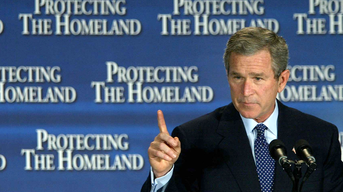
尽管如此,民调失误仍在继续。2004年,出口民调预测约翰·克里将击败小布什。竞选顾问鲍勃·施拉姆甚至在选举日对克里说:“我能不能第一个称呼你为‘总统先生’?”出口民调错了,小布什赢得了第二个任期。
Still, the polling mishaps have continued. In 2004, exit polls predicted a win for John Kerry over George W. Bush. Campaign adviser Bob Shrum even said to Kerry on Election Day, "Can I be the first to call you, Mr. President?" The exit polls were wrong, and Bush won a second term.
2012年,米特·罗姆尼的竞选团队错误地认为胜券在握,因为其民调专家做出了过于乐观的加权假设。投票率模型错误地假设,奥巴马不会像2008年那样激发同等水平的青年和少数族裔投票热情。
In 2012, Mitt Romney’s campaign wrongly thought it was headed for victory when its pollster made overly optimistic weighting assumptions. The turnout model incorrectly assumed that Barack Obama would not generate the same level of youth and minority turnout that he had in 2008.
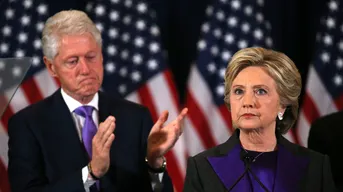
2016年,民调再次遭受重创,当时民调专家自信预测希拉里·克林顿将击败唐纳德·特朗普。结果并非如此,民调专家辩称他们预测普选票结果正确,只是选举结果预测错误,这并未平息事态。
Polling took another big hit in 2016, when pollsters confidently predicted that Hillary Clinton would defeat Donald Trump. She didn't, and the pollsters’ justification that they had the popular vote right but got the election result wrong did not help matters.
在当前的中期选举中,我们看到了一个新的变数。党派民调在初选中高估了进步派的支持率,扭曲了结果,并导致一些候选人因不准确的数据而退选。这一最新失误再次印证了一个教训:民调往往失准,尽管很少以同样的方式失准两次。
In our current midterm elections, we have seen a new wrinkle. Partisan polls overstated progressive support in the primaries, skewing the results and causing some candidates to drop out in the face of the inaccurate data. This latest mishap reinforces the lesson that polling often fails, although rarely in the same way twice.
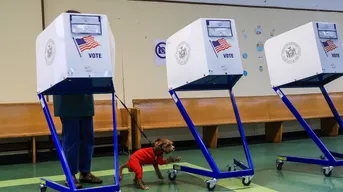
虽然如今的技术和民调科学远比1936年先进,但这些改进反而使问题更加复杂。虽然几乎人人都有电话,但也都有来电显示,不接听陌生号码。回应率下降,扩大了“沉默多数”的规模。在这种新环境下,人为建模决策反而变得更重要,而非不那么重要。民调误差并非源于新技术或新手段,而是源于如何部署这些新技术的人为决策不完美。在做这些决策时,民调专家可能会对之前出错的地方过度反应。在这方面,民调专家就像将领,往往在打上一仗。
While technology and the science of polling are much better today than in 1936, the improvements complicate matters further. While nearly everyone has a phone, they also have caller ID and don't answer calls from unfamiliar numbers. Response rates shrink, increasing the size of the "silent majority." In this new environment, human modeling decisions ironically become more, not less, important. Polling errors come not from new techniques or technologies but from imperfect human decisions about how to deploy the new technologies. In making those decisions, pollsters can overreact to what went wrong beforehand. In this, pollsters are like generals, often fighting the last war.
归根结底,民调作为舆论快照比作为行为预测工具——具体来说是预测谁真会投出选票——更准确。这意味着,无论民调显示什么,公众都应保持警惕。借用《诗篇》的话说:不要倚靠民调,走出去投票吧。
In the end, polls are more accurate as snapshots of opinion rather than predictors of behavior, specifically, who will actually submit a ballot. This means that whatever the polls say, the public should be wary. To borrow from the psalms, put not your trust in polls, and get out and vote.