又是一天,又是一种经济基础构件——从内存芯片到柴油燃料——出现惊人的短缺。许多拖累这些供应链的因素也影响着食品,特别是现代生活的另一种必需品:巧克力。
Another day, another dramatic shortage of an economic building block, from memory chips to diesel fuel. Many of the factors weighing on those supply chains also affect food, and in particular that other necessity of modern life: chocolate.
根据劳工统计局的数据,自2021年以来,糖果价格上涨了44%。但也有好消息,只要你能接受食用在罐中培育的巧克力——或者用非可可豆原料制成的巧克力。
Candy prices are up 44% since 2021, according to data from the Bureau of Labor Statistics. But there’s good news, as long as you’re OK with eating chocolate grown in a vat—or made from something that isn’t a cocoa bean.
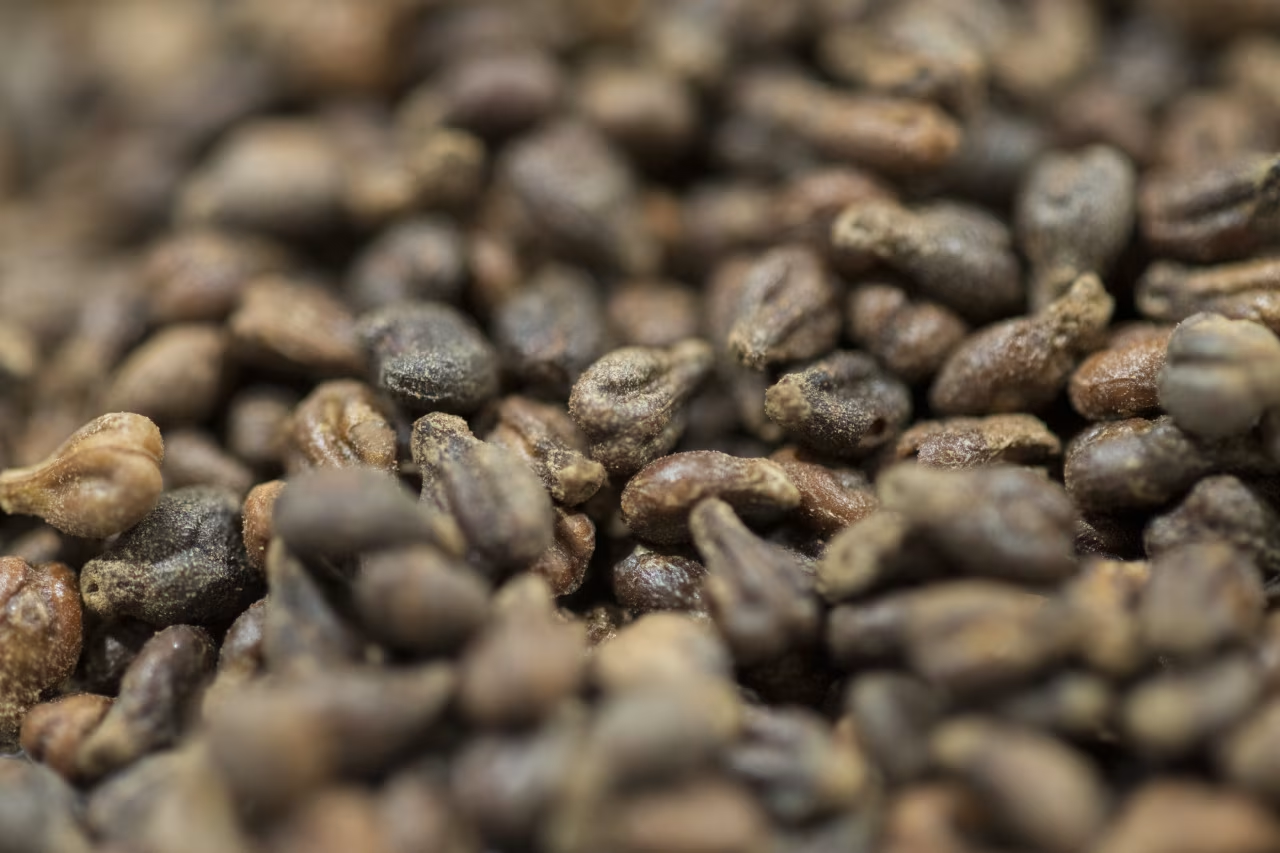
创新者正利用制药行业改良的技术制造“生物同源”的可可豆细胞,从而生产出首批由实验性实验室培育巧克力制成的巧克力棒。其他公司则在扩大烘烤或发酵农业废弃物的工艺规模,使其成为巧克力主要成分的合格替代品。
Innovators are using techniques refined by the pharmaceutical industry to create “bioidentical” cocoa-bean cells, leading to the first bars made from experimental, lab-grown chocolate. Other companies are scaling up processes for roasting or fermenting agricultural waste products, to make them good-enough substitutes for the primary ingredients in chocolate.
在美国、欧洲、以色列和亚洲,有近十家初创公司正在研发实验室培育巧克力和巧克力风味替代品。
There are close to a dozen startups working on lab-grown chocolate and chocolate-flavored substitutes, in the U.S., Europe, Israel and Asia.
如果这些听起来不太诱人,巧克力供应链专家的回应是:“我向消费者发起挑战,让他们分辨出区别,”为一些最大糖果制造商提供咨询、并担任一家巧克力替代品初创公司董事会成员的Raphaël Felenbok说。
If these sound less than appetizing, experts in the chocolate-supply chain have a response: “I would challenge consumers to tell the difference,” says Raphaël Felenbok, who advises some of the biggest candy makers and sits on the board of a chocolate-substitute startup.
你可能已经在不知不觉中成为了该行业实验的一部分。好时公司更改了杏仁喜悦、古德巴和乐乐等部分热门产品的标签,将“牛奶巧克力”改为“巧克力糖果”,因为在其中掺入了除奶脂和可可脂以外的其他脂肪。“我们使用的每一种成分都有其特定用途,无论是有助于风味、产品性能、保鲜还是整体食用体验,”一位公司女发言人说。
You might already be a part of the industry’s experimentation without realizing it. The Hershey Company switched the labeling on some favorites such as Almond Joy, Mr. Goodbar and Rolo to say “chocolate candy” rather than “milk chocolate,” after incorporating fats other than milk fat and cocoa butter. “Every ingredient we use serves a specific purpose, whether it contributes to flavor, product performance, freshness or the overall eating experience,” a company spokeswoman said.
在实验室培育的可可投入市场之前,目前已有的不含真正可可的替代品恐怕很难在巧克力制作比赛中获奖。我试吃了名为 Voyage Foods 的一家公司的样品,发现它的长处在于给蛋糕和糖果增添巧克力风味,而非取代固体牛奶巧克力,更别提黑巧克力了。
Before lab-grown cocoa hits the market, the already available alternatives that contain no actual cocoa probably won’t win any chocolatiering competitions. I tried a sample from a company called Voyage Foods, and I realized its strength is adding chocolaty vibes to cakes and confections, not replacing solid bars of milk chocolate, much less dark chocolate.
但那些真正的巧克力棒本身可能不久就会成为奢侈品,因为全球可可豆供应正处于危机之中。推手包括极端天气——干旱之后紧接着洪水——以及让种植者陷入贫困、无力改良农业实践的经济危机。
But those bars of real chocolate might themselves be luxury items before long, since the world’s supply of cocoa beans is in crisis. The drivers include extreme weather—drought followed by flooding—and the economic crises that have impoverished growers and left them unable to upgrade their agricultural practices.
“在可可领域,活动非常频繁,”全球最大农产品贸易公司嘉吉公司的首席技术官弗洛里安·沙滕曼说。“极端天气事件随时可能发生,”他补充道。
“In the cocoa space, there is a lot of activity,” says Florian Schattenmann, chief technology officer at Cargill, the world’s largest agricultural-commodities company. “Weather events can happen anytime,” he adds.
关于一个建立在全球最贫困地区自给自足农业基础上的体系的可持续性,也存在真实的疑问。
There are also real questions about the sustainability of a system built on subsistence farming in some of the poorest regions on earth.
2024 年,可可豆价格一度飙升至每公吨 1.2 万美元以上,而前十年每公吨仅售 2000 美元至 3000 美元。价格此后稳定在每公吨 5000 美元至 6000 美元左右,但可能很快再次上涨。
In 2024, the price for cocoa beans peaked at more than $12,000 for a metric ton, compared with the $2,000 to $3,000 a ton it had fetched in the decade prior. Prices have since stabilized to around $5,000 to $6,000 a ton, but could rise again soon.
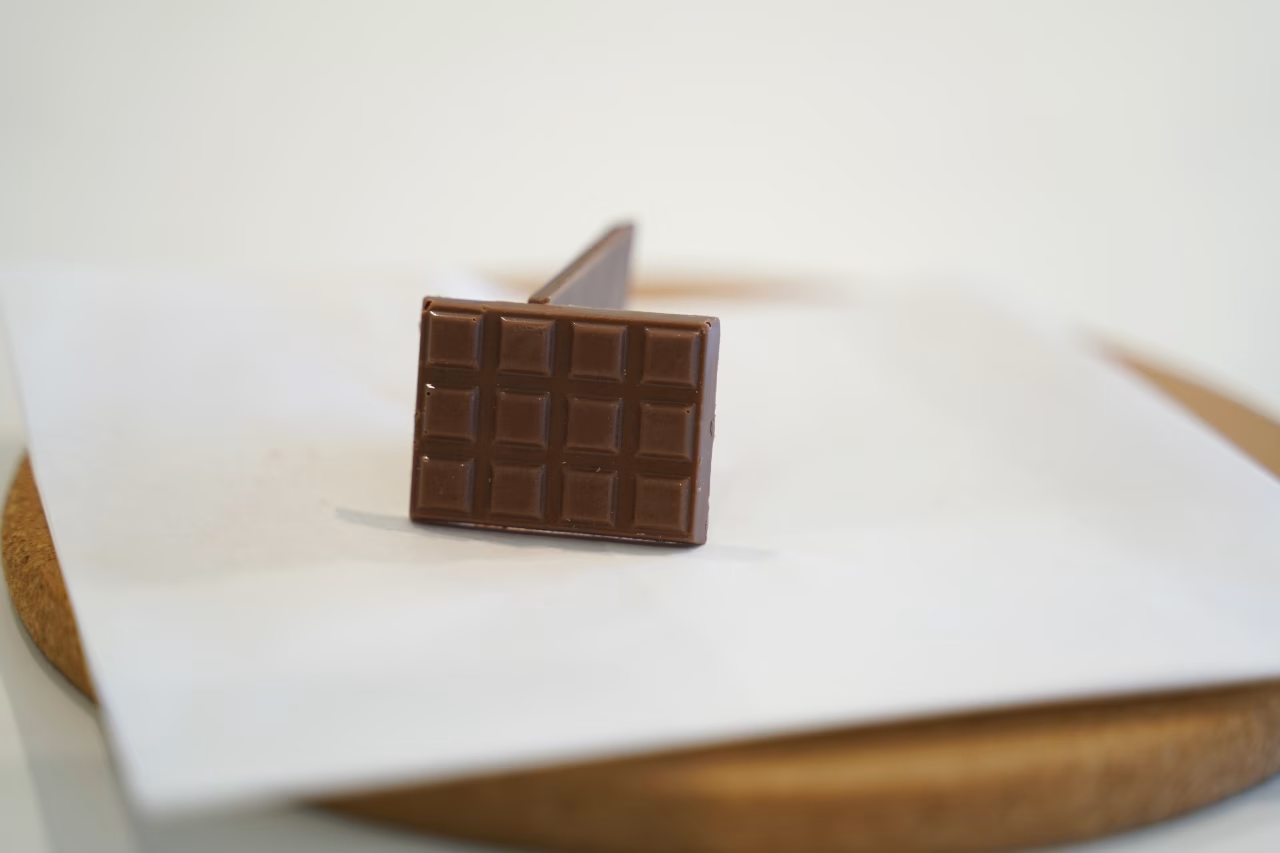
当首席执行官米哈尔·贝雷西·戈隆布首次展示其初创公司 Celleste 早期批次培育的可可豆巧克力棒时,她手头的量不够让投资者品尝。“别碰它,”她回忆道,“那些是我的宝贝。” 那些首批巧克力棒——在巧克力巨头亿滋国际位于伦敦以西的研发设施合作生产——之所以如此珍贵,是因为工艺仍极其棘手。
When Chief Executive Michal Beressi Golomb first showed off an early batch of cultured cocoa-bean chocolate bars made by her startup Celleste, she didn’t have enough for investors to taste. “Don’t touch it,” she recalls saying. “Those are my babies.”Those first bars—made in collaboration with Mondelez at the chocolate giant’s R&D facility west of London—were so precious because the process was still very tricky.
制药业通过在细胞内培育物质来生产胰岛素、癌症治疗药物和部分疫苗。它们使用超洁净钢制容器,这增加了工艺的高昂成本。
The pharmaceutical industry creates drugs such as insulin, cancer treatments and some vaccines by growing substances within cells. They use ultrasterilized steel vessels, which adds to the high cost of the process.
史蒂文·朗表示,将这项技术应用于种植食品而非药物的挑战在于,成本必须降低10倍或更多。他是加州培养公司(California Cultured)的科学技术副总裁,该公司是Celleste的竞争对手,也在研究可可豆细胞。他主张转向更便宜的食品级系统,如塑料桶。
The challenge in applying this technology to growing food instead of drugs is that the costs must come down by a factor of 10 or more, says Steven Lang. He is vice president of science and technology at California Cultured, a competitor to Celleste that is also working with cocoa-bean cells. He advocates shifting to cheaper, food-grade systems like plastic tubs.
加州培养公司希望种植富含黄烷醇且不含有时常在黑巧克力中发现的重金属的豆类细胞,以吸引那些希望获得可可健康益处的人。
California Cultured wants to grow bean cells high in flavanols and absent the heavy metals sometimes found in dark chocolate, to appeal to those who want to reap the health benefits of cocoa.
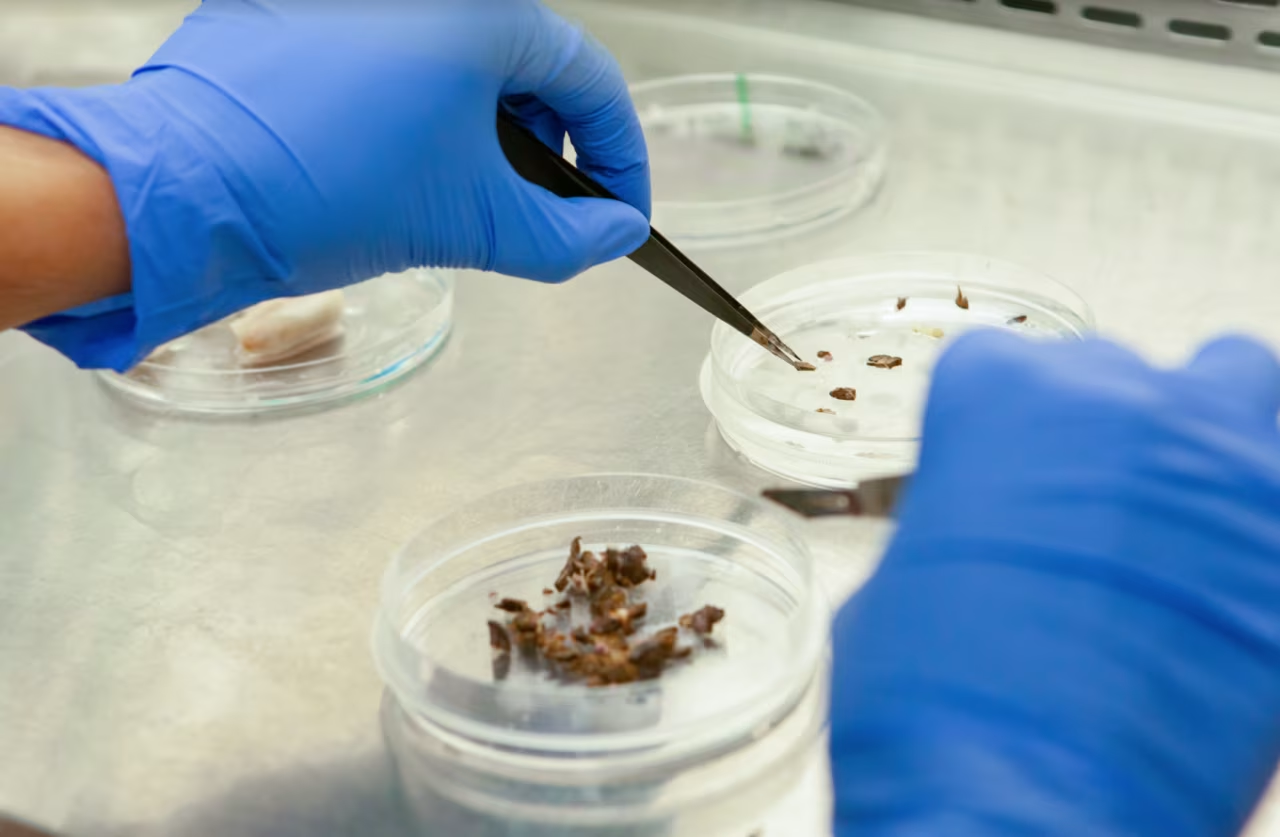
Celleste的初步目标是使用1000升的生物反应器进行生产,每个反应器年产量为一吨可可。通常,需要大约5英亩的树木才能生产一吨;而这只需要两颗豆子。该公司目前正在使用较小的容器开发其工艺。
Celleste’s initial goal is to manufacture using 1,000-liter bioreactors, each with a yearly output of a metric ton of cocoa. Typically, it takes about 5 acres of trees to make a ton; this would be done with just two beans. The company is currently developing its process using smaller vessels.
戈隆布和朗都强调,他们的公司创造的不是巧克力替代品。他们创造的就是巧克力,与树上长出的巧克力无法区分。
Both Golomb and Lang emphasize that what their companies are creating isn’t a chocolate substitute. It’s chocolate, full stop, indistinguishable from what comes from trees.
加州培养公司希望在2028年前将产品推向市场,而Celleste的目标是届时获得美国监管部门的批准。Celleste计划将可可脂和可可粉作为补充供应出售给因传统豆类价格上涨而陷入困境的巧克力制造商和食品公司。
California Cultured hopes to take products to market by 2028, while Celleste is aiming for U.S. regulatory approval by then. Celleste plans to sell cocoa butter and powder as a supplemental supply to chocolate manufacturers and food companies besieged by rising traditional-bean prices.
食品科学家喜欢指出,从感官上讲,巧克力更多的是一种体验,而不是实际的物质。
Food scientists like to point out that, sensorily, chocolate is more about the experience than the actual substance.
负责食品标签的监管机构也倾向于同意这一点。食品公司被允许在其产品中用一种足够接近的替代品替换一部分实际巧克力。Voyage Foods的创始人兼首席执行官亚当·麦克斯韦尔表示,这被称为“静默替换”。
Regulators in charge of food labeling tend to agree. Companies are allowed to replace some portion of actual chocolate in their treats with a close-enough substitute. This is known as a “silent swap,” says Adam Maxwell, founder and CEO of Voyage Foods.
上次我与他的公司接触时,他们给我品尝了人造咖啡。(味道比听起来要好。)如今,他们全力投入可可替代品。Voyage Foods的产品由酿酒业剩余的烤制研磨葡萄籽制成,混合葵花蛋白粉、棕榈油和乳木果油、糖以及天然香料。该公司的大部分制造工艺与传统巧克力生产相似。
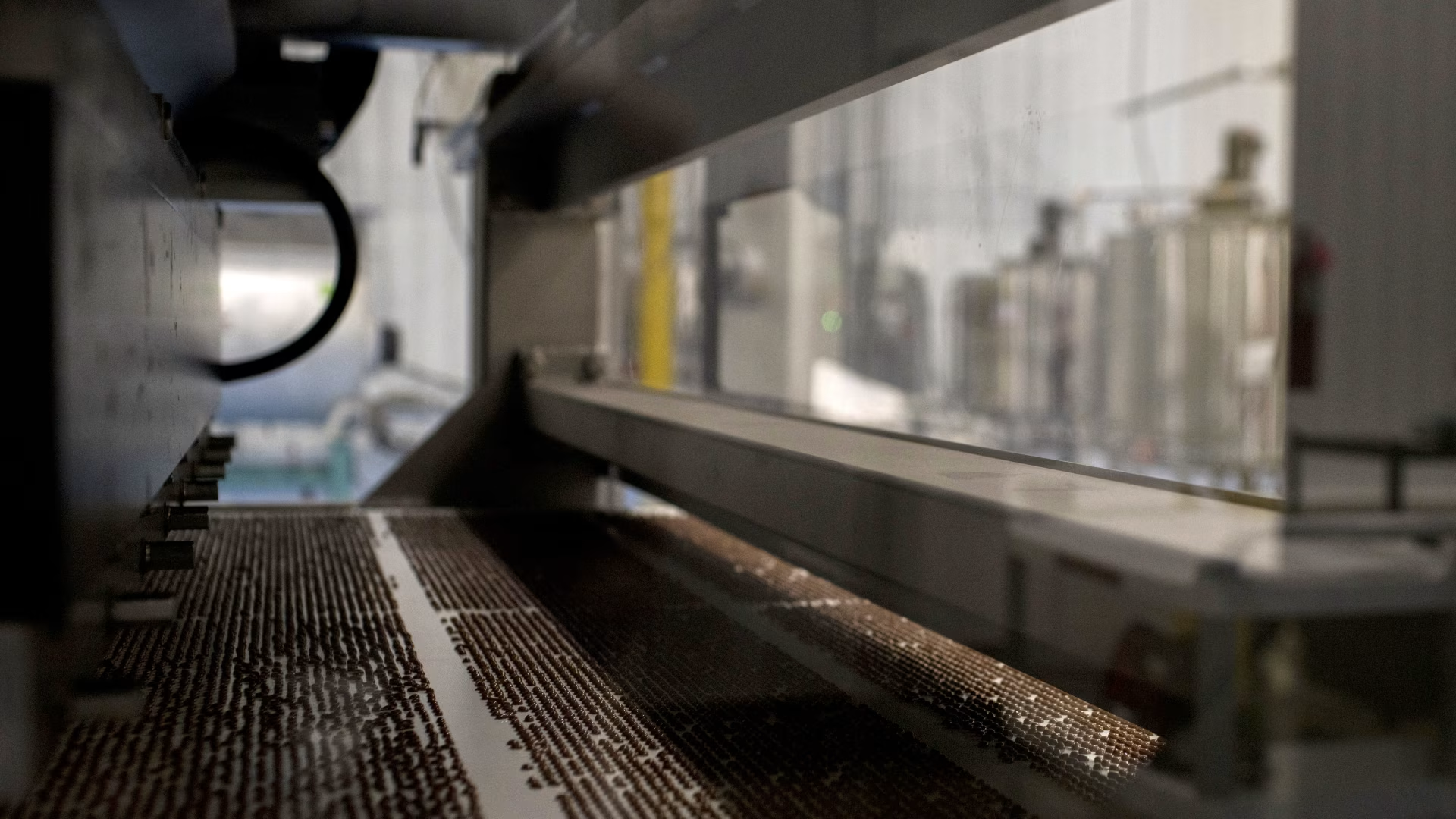
When I last caught up with his company, it plied me with artificial coffee. (It’s better than it sounds.) Now, it’s all in on cocoa substitutes. Voyage Foods’ product is made from roasted and ground grapeseeds left over from the winemaking industry, blended with sunflower protein flour, palm and shea oils, sugar and natural flavors. Much of the company’s manufacturing process mirrors that of traditional chocolate production.
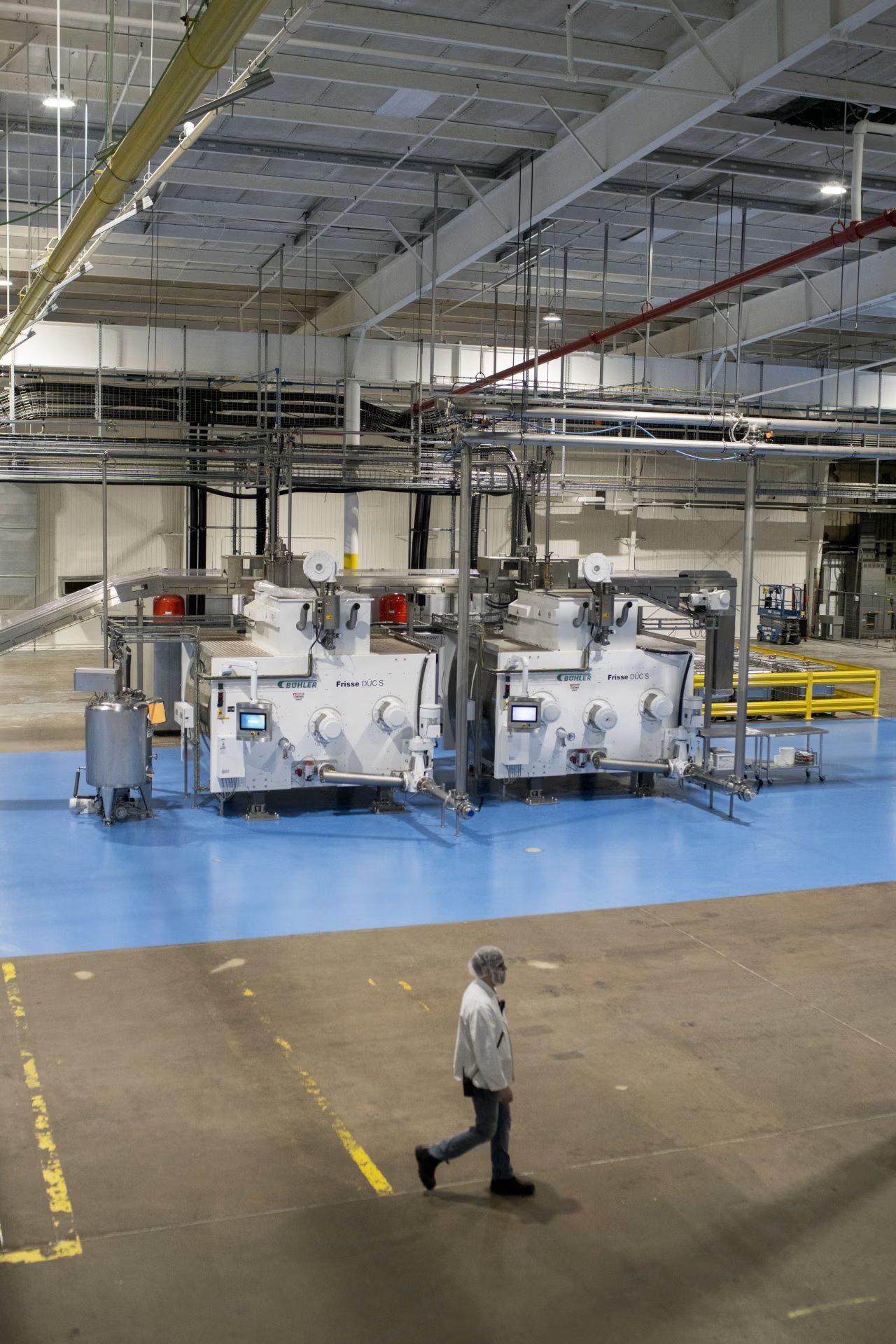
麦克斯韦尔表示,Voyage Foods位于俄亥俄州、占地28.4万平方英尺的新工厂已投入运营,每年可生产1万吨可可替代品。嘉吉公司是投资者,也是其巧克力产品的全球分销商。
Voyage Foods’ new, 284,000-square-foot factory in Ohio is operational and able to produce 10,000 metric tons of cocoa substitute yearly, says Maxwell. Cargill is an investor, and the global distributor of its chocolate product.
采取这种做法的其他公司还包括英国的Win-Win,该公司在可可替代品中使用混合烤谷物;新加坡的Prefer则使用混合种子和谷物。(好时公司表示,该公司目前没有开展可可替代品或实验室培育可可的相关工作。)麦克斯韦尔坚称,这一切都不是为了欺骗消费者。相反,这是为了让巧克力——或至少能唤起巧克力本质的东西——保持价格亲民且供应充足。“对我来说,问题始终是:我们如何让所有人都能永远享用这些备受喜爱的食物,”他补充道。
Other companies taking this approach include Win-Win in the U.K., which uses a mix of roasted grains in its cocoa substitute, and Prefer in Singapore, which uses a mix of seeds and grains. (For its part, Hershey says it has no active work in either cocoa substitutes or lab-grown cocoa.) None of this is meant to trick the consumer, insists Maxwell. Rather, it’s about keeping chocolate—or at least something that evokes its essence—affordable and available. “For me, it was always about, how can we have these beloved foods for everyone, forever,” he adds.
为Win-Win团队提供咨询的费伦博克表示,全球不断增长的巧克力爱好者群体将产生的需求,不仅仅依靠这些技术就能满足。例如,目前正在努力在拉丁美洲等可可树非原产地种植可可树。
The world’s ever-growing population of chocoholics will create a need for more than just these technologies, says Felenbok, who advises the Win-Win team. For instance, efforts are under way to grow cocoa trees in places to which they’re not native, like Latin America.
但随着世界变得更暖、更易受极端天气影响,巧克力替代品将获得更大发展空间。麦克斯韦尔说,如果这让你感到不安,那就想想你可能享用的所有香草味美食吧。那种味道几乎都不是来自真正的香草植物。
But as the world gets warmer and more subject to extreme weather, chocolate substitutes will gain ground. If that troubles you, just think about all the vanilla-flavored treats you might enjoy, says Maxwell. Almost none of that taste comes from the actual plant.