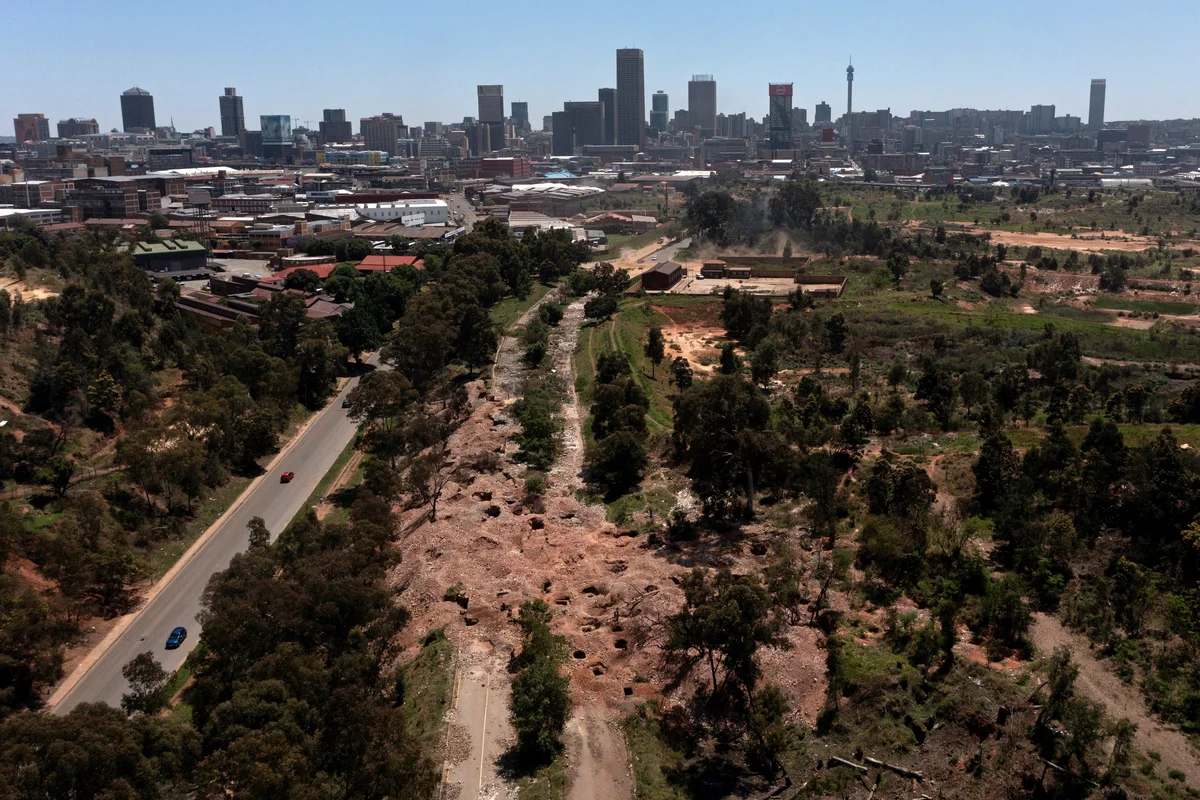
自1991年在约翰内斯堡以西的鲁德波特周边城镇开始救治受伤动物以来,Cora Bailey一直在接触非法矿工。但随着金价飙升,该地区废弃矿井的活动也随之激增。
Cora Bailey has been encountering illegal miners ever since she first started treating injured animals in the townships around Roodepoort, west of Johannesburg, in 1991. But as the price of gold has soared, so too has activity in the abandoned mine shafts that mark the area.
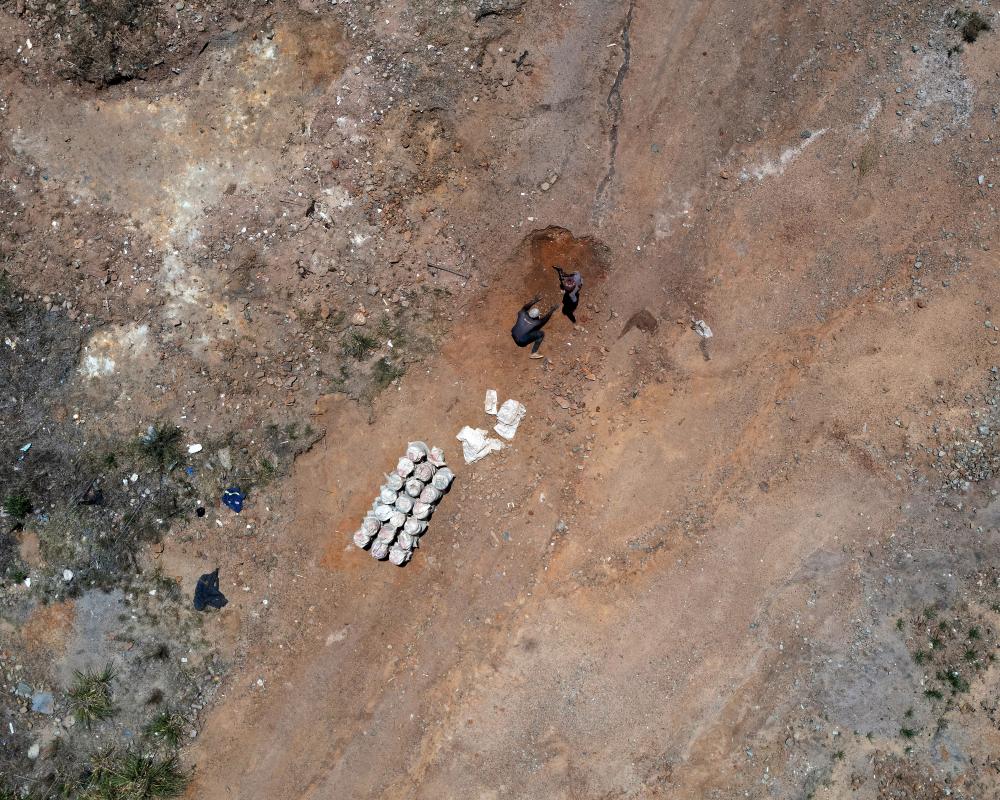
9月下旬,数十名“扎马扎马”——南非对非法矿工的称呼,在祖鲁语中大意为“碰运气”——来到她的慈善机构Claw(社区主导动物福利)对面的土路旁挖掘黄金。
In late September, dozens of – the name given to illegal miners in South Africa, meaning roughly “to take a chance” in Zulu – arrived to dig for gold across the dirt road from her charity, Claw (Community Led Animal Welfare).
不久,他们开始从该组织的两个25000升水箱取水用于淘洗和加工,这些水箱由市政府不定期注水,供现场约100只获救和受伤动物使用。
Soon, they were taking water for their panning and processing from the organisation’s two 25,000-litre water tanks, which are filled irregularly by the city government for the 100 or so rescued and injured animals on site.
“我们曾非常客气地请求过,也从未拒绝给他们喝水……但这是有史以来第一次,我们在中午12点关上了大门,因为我们实际上只剩下约两桶水了,”Bailey在10月中旬表示。
“We’ve asked them really nicely and haven’t ever refused them water to drink … But, for the first time ever, we closed the gate at 12 [midday], because we literally had about two buckets of water left,” Bailey said in mid-October.
她当时说,警方告诉她,非法采矿的规模太大,他们无能为力。大约一周后,警官们铲除了部分遮挡“扎马扎马”的草丛。但几天内,一小群人又返回了,不过Bailey说,他们现在只取Claw的水用于饮用。
Police told her that the scale of the illegal mining was too big for them to do anything about, she said at the time. About a week later, officers sheared away the grass that had partly hidden the . But within a few days a smaller group had returned, although Bailey said they were now taking Claw’s water only for drinking.

南非警方经常宣扬他们在打击非法采矿方面取得的成功。10月19日,他们称在前一周全国共逮捕了71名涉嫌“扎马扎马”。
South Africa’s police regularly trumpet their success in tackling illegal mining. On 19 October, they said they had arrested 71 suspected across the country in the previous week.
然而,研究人员估计非法矿工数量达数万。2019年,“全球打击跨国有组织犯罪倡议”研究员Marcena Hunter估计,南非十分之一的黄金产量(价值约10亿美元)被非法出口。
However, researchers put the number of illegal miners in the tens of thousands. In 2019, Marcena Hunter, a researcher at the Global Initiative against Transnational Organised Crime, estimated that a tenth of South Africa’s gold production, worth about $1bn, was being exported illegally.
警方行动也导致了悲剧。2025年,在Stilfontein的一个矿井中,警方阻止食物和水被送入井下后,共拉出了93具尸体。
Police operations have also led to tragedy. In 2025, 93 bodies were pulled from a mine shaft in Stilfontein, after officers blocked food and water from being delivered underground.
与此同时,推动非法采矿的各种因素仍看不到尽头,包括金价高企、贫困、失业、腐败的政客和从中获利的警察,以及采矿公司未能在停止运营时履行封堵矿井的法律义务。
Meanwhile, there is no end in sight to the dynamics driving illegal mining, including the high price of gold, poverty, unemployment, corrupt politicians and police profiting, and the failure of mining companies to fulfil their legal obligation to seal mining shafts when they cease operating.
南非的现代史与采矿密不可分。1884年,在一个农场发现了黄金,引发淘金热,促成了约翰内斯堡的建立。黄金产量在20世纪70年代达到顶峰,南非保持世界最大产金国地位逾一个世纪,直到2007年。
South Africa’s modern history is tied to mining. In 1884, gold was found on a farm, sparking a gold rush that led to the creation of Johannesburg. Gold production peaked in the 1970s, but South Africa was the world’s largest producer, a title it held for more than a century, until 2007.
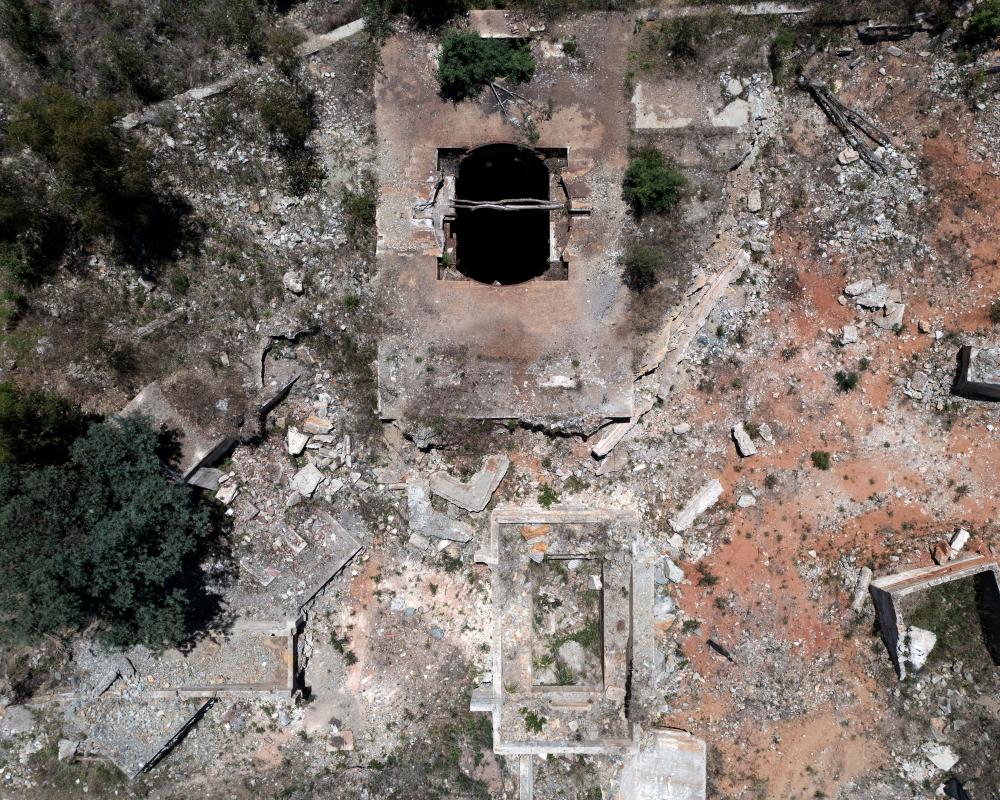
2009年,金山大学地质学教授莫里斯·维尔容估计,那条让大学得名的矿脉产出了全球有史以来开采黄金总量的三分之一以上。克劳设在德班深矿的旧办公室里,该矿于世纪之交关闭,其名字曾被埃尔顿·约翰用在一首歌中。
In 2009, Morris Viljoen, a geology professor at the University of the Witwatersrand, estimated that the reef that gave the university its name had produced more than a third of the gold ever mined globally. Claw is housed in the old offices of the Durban Deep mine, which shut at the turn of the century, having once lent its name to an Elton John song.
市政府声称,该地区地下仍有4万吨黄金。但由于剩余部分埋藏得越来越深,开采这些黄金的成本已经上升。
The city government claims there is still 40,000 tonnes of gold underground in the region. But, with the remainder lying ever deeper, the costs of recovering it have risen.
采矿公司应当封堵旧矿井,并恢复矿井周边的环境。然而,矿业部长格韦德·曼塔谢在回答议会质询时表示,2025年有“6100座废弃且无主的矿山和1170处不安全的矿井口”。
Mining companies are supposed to seal up old mine shafts and rehabilitate the environment around them. However, in 2025 there were “6,100 derelict and ownerless mines and 1,170 unsafe mine openings”, the mining minister, Gwede Mantashe, said in response to a parliamentary question.
他们进入了这些留在地下的空洞。虽然没有关于他们的全面数据,但专家们一致认为,其中大多数来自邻国,主要是莱索托、莫桑比克和津巴布韦。
have stepped into those voids left in the earth. While there is no comprehensive data on them, experts agree that a majority are from neighbouring countries, principally Lesotho, Mozambique and Zimbabwe.
约翰内斯堡南部的天际线被矿渣堆淡黄色的山脊所点缀。地面也越来越多地塌陷开裂。
The skyline south of Johannesburg is punctuated by the pale yellow ridges of mine dumps. Increasingly, the ground is also caving open.
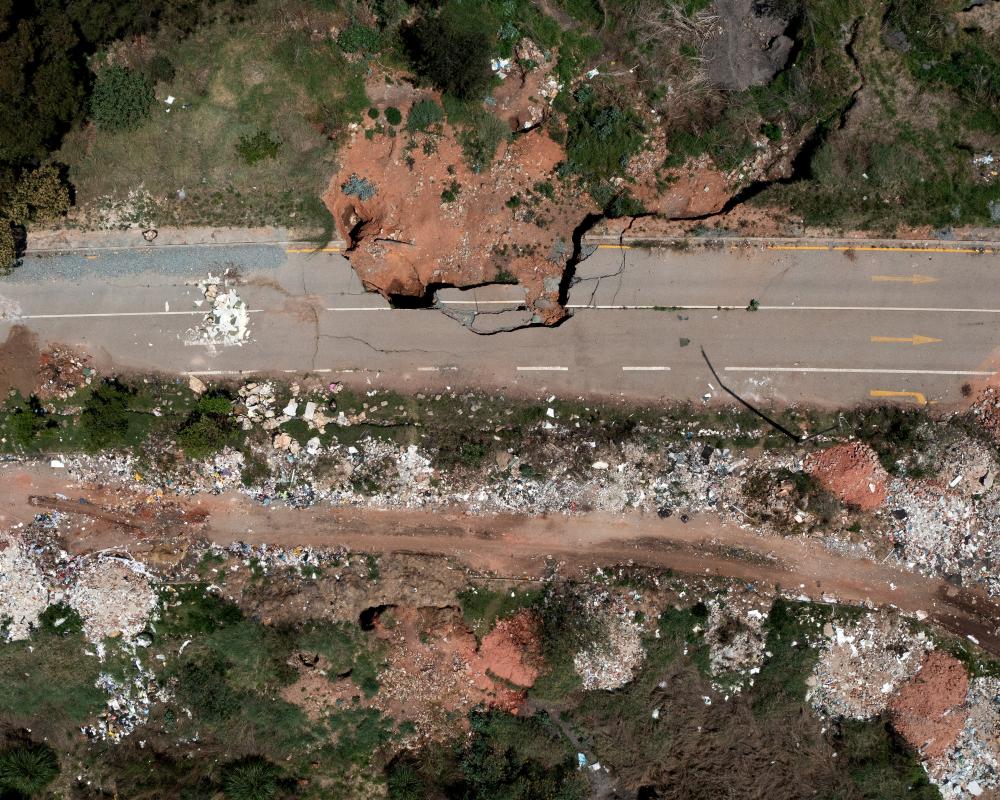
在11月4日地方选举中争取选票的政客们,罪魁祸首很明确:非法矿工。今年5月,约翰内斯堡负责交通的市议员肯尼·库内内带着记者参观了一些天坑,他声称这些天坑是非法采矿者造成的,其中包括韦默潘路一段完全坍塌的路面。
For politicians seeking votes in local elections on 4 November, the culprit is clear: illegal miners. In May, Kenny Kunene, the Johannesburg council member responsible for transport, took journalists on a tour of sinkholes that he claimed were the fault of , including a section of Wemmer Pan Road that had completely collapsed.
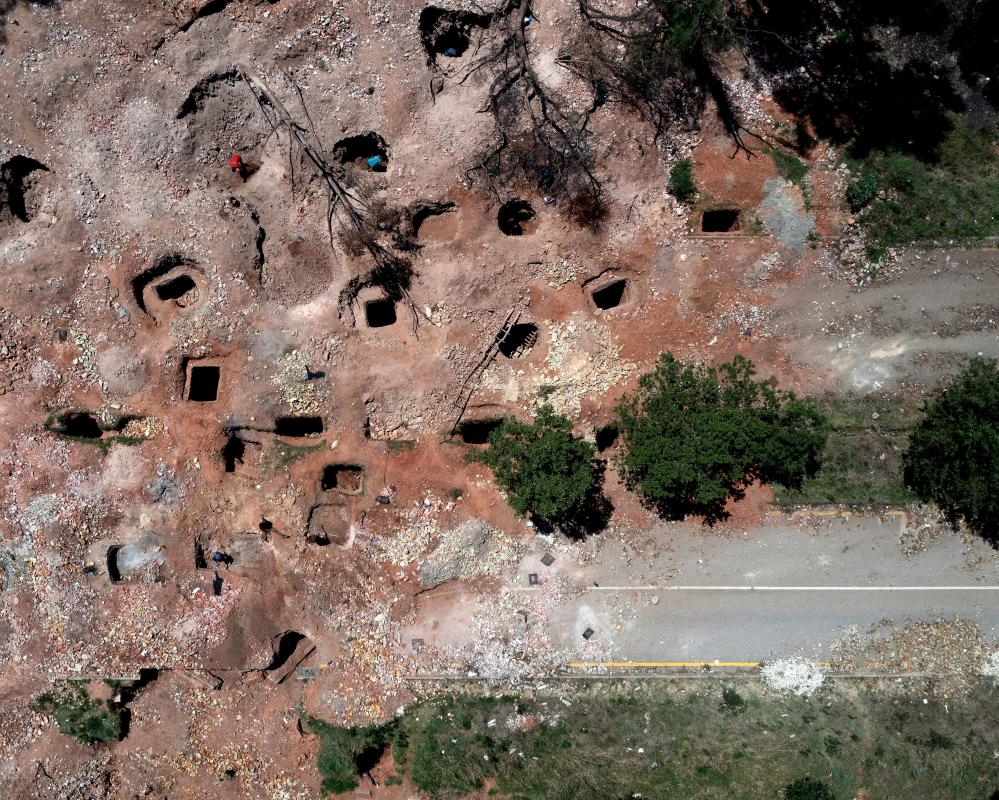
这条路曾是连接该市中央商务区与东南郊区的主动脉。其中一段已完全消失,如今只剩裸露的泥土,上面布满了非法矿工挖掘留下的坑洞。然而,说到天坑,专家表示非法矿工正在成为替罪羊。
The road was once the main artery linking the city’s central business district to the south-eastern suburbs. In one section it has completely disappeared, now raw earth pitted with the holes where illegal miners have been digging. However, when it comes to sinkholes, experts say are being scapegoated.
哥伦比亚大学人类学教授罗莎琳德·莫里斯曾与非法矿工有过广泛合作,她指出,约翰内斯堡南部和西部多孔的白云岩在水分被抽走后会变得不稳定。
Rosalind Morris, an anthropology professor at Columbia University, who has worked extensively with illegal miners, noted that the porous dolomitic rock to Johannesburg’s south and west becomes unstable when water is removed.
“南非天坑最大的罪魁祸首是正规工业采矿,其抽水规模达到每天从地下抽取数亿加仑水,”她说。
“The biggest culprit of sinkholes in South Africa is formal industrial mining, which dewaters at a scale of hundreds of millions of gallons of water removed from underground every day,” she said.
“有些地区残留大量黄金,非法矿工正在那里进行非常密集的开采,其中一些开采确实造成了结构性坍塌,这一点毫无疑问。但认为天坑是由非法矿工发明或首次造成的想法是完全错误的。”非法矿工也经常被指责应对矿区暴力事件负责,包括9月约翰内斯堡以西韦德拉镇发生的一起大规模枪击事件。然而,基准标记基金会首席研究员戴维·范维克表示,责任在于那些经常互相争斗、控制矿井通道的帮派。
“There are areas where there is a lot of residual gold, which are being very intensely mined by , and some of that definitely causes structural collapse, there’s no doubt about it. But the idea that this was invented or caused for the first time by is completely fallacious.” are also frequently blamed for violence in mining areas, including a September mass shooting in Wedela township, west of Johannesburg. However, David van Wyk, the lead researcher at Bench Marks Foundation, said culpability laid with the often-feuding gangs that controlled access to the shafts.
他说:“在矿井里干活的人实际上是遭到超级剥削的廉价劳动力……持枪的人才是拿走黄金的人。他们不下井。”位于约翰内斯堡以西约50英里(80公里)的胡措恩,非法矿工——本地人和外国人——养活了这座小镇,采矿受影响社区联合行动组织当地分会青年书记武西·塞莱说。该组织是一个倡导为“手工采矿者”发放采矿许可证的运动团体。“没有这些租金,这里就是一座鬼城,”他说。
“The guys working in the mine are actually super-exploited cheap labour … The guys with the guns are the guys who take the gold,” he said. “They don’t go underground.”In Khutsong, about 50 miles (80km) west of Johannesburg, illegal miners, local and foreign, kept the township afloat, said Vusi Cele, the youth secretary for the local branch of Mining Affected Communities United in Action, a campaign group that advocates for “artisanal miners” to be granted mining licences. “Without those rents, it’s a ghost town,” he said.
33岁的塞莱目前在地面上兜售手机壳和屏幕保护膜,但他说,如果能拿到许可证,他也会去采矿。“地面上只能挣点花生米,”他说。“地下才有钱。”
While Cele, 33, currently hustles above ground selling mobile phone covers and screen protectors, he said he too would mine if he could get a licence. “On the surface there’s peanuts,” he said. “Underground there’s money.”