
Rama Afullo 自然地做出了第一反应:“冲啊(Let’s GOOOO)”,他说。他的公司 Satlyt 正在开发软件,将现有卫星转变为数据处理网络,类似于轨道数据中心的概念。而他刚刚又向这一目标迈进了一步。
Naturally, Rama Afullo’s first reaction was, “Let’s GOOOO,” he said. His company, Satlyt, is building software to turn existing satellites into data processing networks, similar to the orbital data center concept. And he just took another step closer to that.
经过 13 个月的工作,公司在本月初完成了一次成功测试。Satlyt 与休斯顿大学合作,在一项 NASA 资助的研究项目中进行了测试,展示了该初创公司的软件如何根据通信状况和可用算力,在轨道上将任务分配到各台计算机上。
After 13 months of work, the company had a successful test earlier this month. Working with the University of Houston on a NASA-funded research project, the test showed how the startup’s software can spread out tasks among computers while in orbit based on communication and available compute.
Afullo 告诉《TechCrunch》,目标是创建一种能连接多颗卫星以共享计算任务的软件。系统用户“只需定义权限、优先级和运行限制”,软件将在这些限制内自主做出决策。其软件已部署在轨道上的三颗卫星上,而这次测试是实现该愿景的第一步。虽然测试使用了 NASA 资助的研究成果,但该机构尚未将其选入任何特定任务,也未选择部署其技术。
He said the goal is to create software that connects to multiple satellites to share computing assignments. Users of the system “will only need to define permissions, priorities, and operating limits,” while the software will make decisions within those limits, Afullo told TechCrunch. Its software is already on three satellites in orbit and the first step to that vision was this test. While the test used NASA-funded research, the agency has not yet selected it for any particular mission or chosen it to deploy its technology.
Afullo 表示,NASA 的任务面临着 Satlyt 希望解决的相同制约——“有限的计算资源、间歇性通信,以及将有用信息传回地面的需求”。在此次测试中,公司构建了一个包含四台计算机、四个用户和八项服务的模拟网络。软件随后评估如何在这些计算机上分配和运行任务,同时考虑算力和通信可用性。一台搭载在航天器上的物理计算机运行了实验,评估了由四个计算主机组成的模拟网络,然后将结果传回地球。
Afullo said NASA missions face the same constraints that Satlyt hopes to address — “limited computing resources, intermittent communication, and the need to get useful information back to people.”In this test, the company created a simulated network with four computers, four users, and eight services. The software then assessed how to assign and run tasks on those computers, accounting for compute and communication availability. One physical computer aboard a spacecraft ran the experiment, evaluating a simulated network of four computing hosts, then returned the results to Earth.
测试证明,Satlyt 的软件能在轨道硬件上生成执行计划,但仍需进一步测试,以观察当使用多台物理计算机时,这些计算机在实际中如何相互传输信息。
The test proved that Satlyt’s software can generate plans on hardware in orbit, but more testing will be done to see how those computers transfer information amongst each other in practice when multiple physical computers are used.
“这是一个权衡,”他说。其中一种方法效果最好,但比其他方法需要更多的计算能力。
“The finding is a trade-off,” he said. One approach worked best, though it required more computing power than the others.
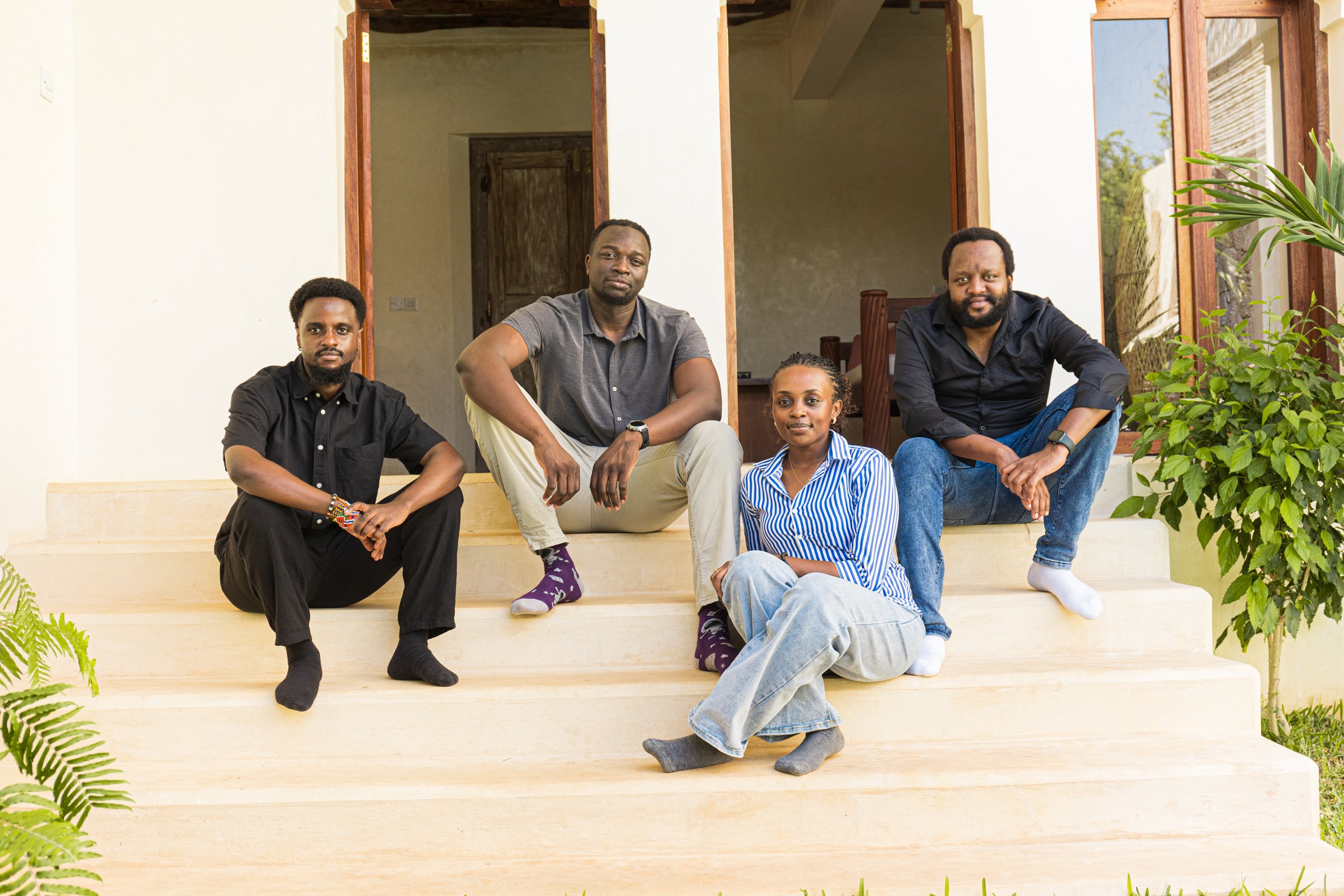
尽管如此,今年入围 TechCrunch Disrupt Battlefield 前五名的 Satlyt 仍将此视为一次胜利。“这是迈向卫星共享计算任务的一个基石,”他说。
Still, Satlyt which was in the top five of TechCrunch Disrupt Battlefield this year, calls this a win. “It’s a building block toward satellites sharing computing work,” he said.
美国国家航空航天局(NASA)已拥有一个技术网络,旨在即使通信链路面临延迟时也能在太空中传输数据。该局今年早些时候开始使用这项技术,并已在飞机上进行了测试。
NASA already has a technology network designed to move data through space even when communication links face delays. It started using this tech earlier this year and has already tested it on aircraft.
此前曾在谷歌和 SpaceX 工作的 Afullo 于 2024 年创立了 Satlyt,旨在将航天器变为虚拟数据中心。其软件帮助运营商在星上运行 AI 及其他应用,在数据采集地附近进行处理,减少对下行链路(即卫星将数据传回地球)和地面分析的依赖。
Afullo, who previously worked at Google and SpaceX, founded Satlyt in 2024 to turn spacecraft into virtual data centers. Its software helps operators run AI and other applications onboard, processing data closer to where it is collected and reducing dependence on downlinks, where satellites send data back to Earth, and ground-based analysis.
例如,如果航天器在太空发现地球上的野火,此类软件可帮助其更快传输相关信息。“目标是更早把有用的答案传给人们,并更好地利用有限的通信窗口,”他说。“这次实验测试了这一更广泛能力中的一个规划组件。”Satlyt 表示,仍需在各种工作负载、硬件和连接条件下测试其自有软件。Afullo 说,他们还发现软件在时间引用延迟方面存在一个问题——它标记的是到达时间(数据到达的时间),而不是经过延迟(数据传输耗时),这是两个不同的指标。
For example, if a spacecraft sees a wildfire on Earth, such software can help it transmit relevant information much faster. “The goal is to get useful answers to people sooner and make better use of limited communication windows,” he said. “This experiment tested one planning component of that broader capability.”Satlyt said it still needs to test its own software under various workloads, hardware, and connectivity conditions. They also found an issue in how their software was time-referencing delays, Afullo said — it was stamping it as arrival time (the time it arrived) rather than elapsed delay (how long it took to arrive), which is a different metric.
但这并不意味着实验失败。“软件开发、星上执行和输出返回均已成功,”他说。
It doesn’t mean the experiment failed, however. “The software development, onboard execution, and return of outputs succeeded,” he said.
但 Afullo 表示,仍有大量工作要做。“我们还需要可用的通信链路、参与运营商的许可、安全传输、资源调度,以及当计算机连接不可用时的恢复机制。”Satlyt 还在研究近地轨道以外的应用,包括通过其获得 NASA 资助的工作,支持从月球进行 4K 视频流传输。
But Afullo said much work remains. “We also need usable communication links, permission from participating operators, secure transfers, resource scheduling, and recovery when a connection of computers becomes unavailable.”Satlyt is also researching applications beyond low Earth orbit, including supporting 4K video streaming from the Moon through its NASA-funded work.
“我们接下来的技术步骤是更广泛的验证和集成,随后演示跨不同航天器共享计算任务,”他说。“从长远来看,我们希望开发者能为太空构建应用,而无需为每次任务都重新搭建基础设施。这对我们而言,就是太空虚拟 AI 数据中心的意义。”
“Our next technical steps are broader validation and integration, followed by demonstrations of computing work shared across separate spacecraft,” he said. “Longer term, we want developers to build applications for space without having to rebuild the infrastructure for every mission. That’s what virtual AI data centers in space mean to us.”