日本京都 -- 日本村田制作所将在未来五年投资1万亿日元(约合63亿美元),以满足人工智能服务器和设备对其尖端电子元件日益增长的需求。
KYOTO, Japan -- Japan's Murata Manufacturing will invest 1 trillion yen ($6.3 billion) over five years to meet growing demand for its cutting-edge electronic components for artificial intelligence servers and devices.
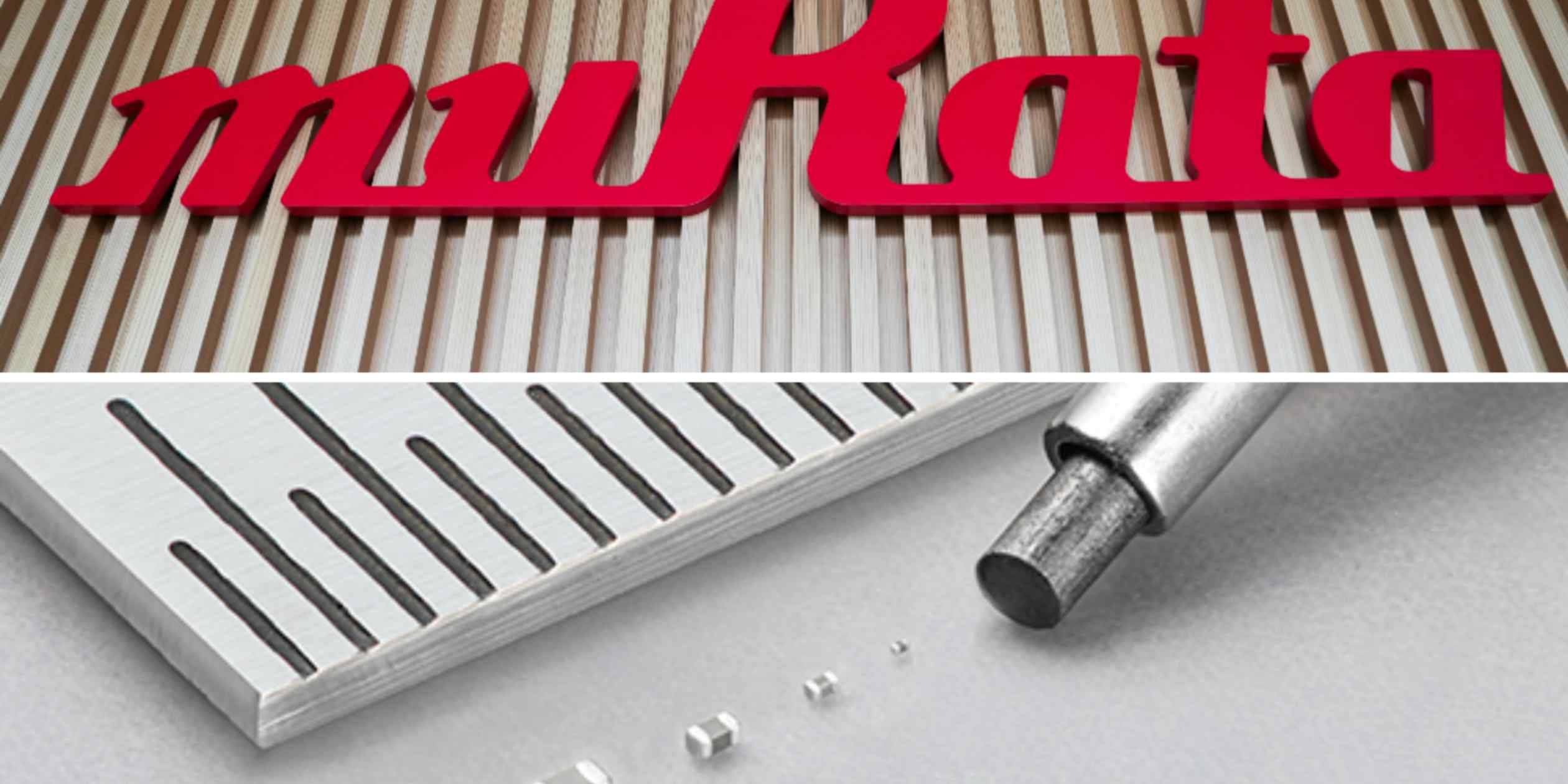
村田制作所周五宣布的投资计划旨在扩大多层陶瓷电容器(MLCC)的供应能力,以应对当前的人工智能服务器需求,并为预期中更长远的AI设备普及做准备。公司将每年投入约2000亿日元,约为以往投资额的两倍。
Murata's investment plan announced Friday is aimed at increasing supply capacity of multilayer ceramic capacitors (MLCCs) to meet current AI server demand and prepare for the anticipated spread of AI-equipped devices in the longer term. The company will lay out roughly 200 billion yen annually, about double previous outlays.
“我们决定投资的最大原因是MLCC供应不足,无法满足数据中心的需求,”村田制作所社长中岛规巨在周五的业绩说明会上表示。MLCC用于稳定电流,是所有电子设备不可或缺的元件。
"The biggest reason for our decision to invest is an insufficient supply of MLCCs to meet data center demand," said Murata President Norio Nakajima in an earnings call, also on Friday. MLCCs are used to stabilize electrical flows and are essential in all electronic devices.
一台AI服务器使用的MLCC数量在1.5万至2.5万个之间,约为智能手机所需数量的10倍。随着全球数据中心建设热潮,MLCC需求激增。
A single AI server uses between 15,000 and 25,000 MLCCs, about 10 times the number needed for a smartphone. Demand for MLCCs is surging amid the global data center build-out.
AI服务器用MLCC面临额外的技术挑战。据中岛规巨介绍,村田制作所在MLCC领域拥有40%的全球市场份额,在AI服务器用先进产品方面的份额超过50%。公司工厂的产能利用率一直维持在95%左右。
MLCCs for AI servers present extra technical challenges. Murata holds a 40% global market share for MLCCs, and more than 50% for advanced products for AI servers, according to Nakajima. The company's factory utilization rate has stayed near 95%.
约3500亿日元将用于厂房建设,其中包括1500亿日元用于在日本西部冈山县建设两座新工厂,分别生产MLCC和陶瓷原材料,预计将于2028年和2030年完工。村田制作所还将在邻近的岛根县建设新工厂。
Roughly 350 billion yen will be put toward buildings, including 150 billion yen for the construction of two new facilities in western Japan's Okayama prefecture to produce MLCCs and ceramic raw materials, with completion expected in 2028 and 2030, respectively. Murata will also build a new facility in nearby Shimane prefecture.
公司还将加强海外生产基地,包括计划于2030年在泰国工厂增建新厂房。菲律宾工厂的闲置部分也将引入新的生产设备。
The company will also bolster its overseas production bases, including adding a new building at its Thai operations in 2030. New production equipment will also be installed in an unused part of its Philippine factory.
剩余的6500亿日元将用于日本、中国和东盟国家现有工厂的生产设备。通过这项投资,公司目标是到2031年3月结束的财年,将MLCC(多层陶瓷电容器)销售额从2026年3月结束的财年的9000亿日元提高一倍以上。
The remaining 650 billion yen will be spent on production equipment at existing plants in Japan, China and ASEAN countries. Through this investment, the company aims to more than double MLCC sales by the fiscal year ending March 2031, from 900 billion yen in the fiscal year ended March 2026.
受MLCC热潮提振,村田制作所的业绩稳健。周五,该公司预测,截至2027年3月的财年合并净利润将同比增长69%,达到3960亿日元。此次上调在原本已预计创纪录的利润基础上再增加580亿日元。根据QUICK Consensus的数据,这一指引超过了近期市场预测平均值3689亿日元。
Murata's earnings are solid, boosted by the MLCC boom. On Friday, the company forecast that consolidated net profit will rise 69% on the year to 396 billion yen in the fiscal year ending March 2027. The upward revision adds 58 billion yen to what was already projected to be a record year for profit. The guidance exceeds the 368.9 billion-yen average of recent market forecasts, according to QUICK Consensus.
预计营收将同比增长23%至2.26万亿日元,营业利润将增长85%至5200亿日元,两者均创历史新高,分别较此前预测上调1500亿日元和900亿日元。截至9月的季度中,村田制作所的订单出货比(book-to-bill ratio)为1.28,高于1的临界值,显示需求强劲。
Revenue is expected to increase 23% on the year to 2.26 trillion yen, with operating profit rising 85% to 520 billion yen, new highs for both constituting upward revisions of 150 billion yen and 90 billion yen, respectively. Murata's book-to-bill ratio for the quarter through September was 1.28, over the threshold of 1, suggesting strong demand.
该公司的资本投资旨在不仅满足近期数据中心的需求,也满足中长期设备的元器件需求。“从2030年起,随着数据中心投资增长放缓,边缘设备和人形机器人的需求将扩大,电子元器件市场将增长,”中岛(Nakajima)表示。
The company's capital investment is aimed at meeting not only near-term data center needs but also component demand for devices in the medium to long term. "When data center investment growth slows down from 2030 on, demand for edge devices and humanoid robots will expand and the market for electronic components will grow," Nakajima said.
随着终端产品变得更加复杂,对更小、高性能元器件的需求预计将攀升,推高每台设备使用的元器件数量。公司认为,扩大MLCC产能在机器人等新兴领域将具有价值。
Demand for smaller, high-performance components is expected to climb as end products become more sophisticated, pushing up the number of components used per device. The company believes expanded MLCC capacity will be valuable in newer fields like robotics.
尽管如此,一些分析师仍质疑AI热潮的可持续性。随着美国大规模云服务商投入巨资建设数据中心,人们担忧过度投资导致财务负担加重,尤其是在利率上升使融资成本更高的背景下。
Still, some analysts question the sustainability of the AI boom. With U.S. hyperscalers committing huge sums to data centers, concerns are growing about overinvestment leading to mounting financial burdens, especially as higher interest rates make fundraising more costly.