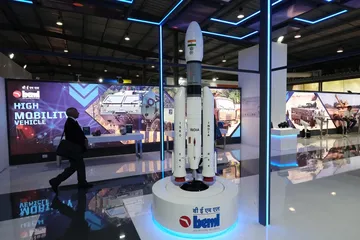
印度航天机构发射了一颗导航卫星,以增强该国的定位追踪系统。据印度空间研究组织的发射直播,地球同步卫星运载火箭于当地时间周五晚上11时50分左右从印度南部的萨蒂什·达万航天中心升空。
India’s space agency launched a navigation satellite to bolster the nation’s location-tracking system. The Geosynchronous Satellite Launch Vehicle lifted off about 11:50 p.m. local time Friday from the Satish Dhawan Space Centre in southern India, according to the Indian Space Research Organisation’s launch broadcast.
重达2250公斤(4960磅)的NVS-03载荷是部署在地球同步轨道上的系列导航系统中的第三颗。在地球同步轨道上,卫星与地球自转同步运行,可对同一区域进行持续监测。
The NVS-03 payload, weighing 2,250-kilogram (4,960 pounds), is the third in a series of navigation systems deployed in geosynchronous orbit, where satellites move in sync with Earth’s rotation and can monitor the same region continuously.
印度空间研究组织在一份声明中表示,火箭成功将卫星送入预定轨道。此次发射延续了GSLV火箭的成功纪录,此前该火箭曾部署一颗美国国家航空航天局与印度空间研究组织联合研制的卫星以及一个地球观测载荷。这些飞行增强了人们对印度发射节奏的信心,目前印度空间研究组织正从其主力极地卫星运载火箭接连遭遇的挫折中恢复。
The rocket successfully placed the satellite in its intended orbit, ISRO said in a statement on The launch continues GSLV’s run of successes after it deployed a joint NASA-ISRO satellite and an Earth observation payload. The flights bolsters confidence in India’s launch cadence as ISRO recovers from successive setbacks involving its workhorse Polar Satellite Launch Vehicle.
该航天机构表示,这颗导航卫星搭载了国产和采购的原子钟,其信号系统设计覆盖印度大陆及边界以外1500公里(932英里)的范围。
The navigation satellite is carrying indigenous and procured atomic clocks, with signal systems engineered to cover the Indian mainland and a 1,500-kilometer (932 miles) perimeter beyond its borders, the space agency said.