如果爱丽丝·布朗在二手店淘货时发现一件毛衣有个洞,那也不会阻止她买下它。
If Alice Brown is browsing in second-hand shops and finds a jumper with a hole, that won't stop her buying it.
“我把它看作一种挑战,”这位来自林肯郡、27岁的森林护林员说。她是那种引人注目的修补时尚的倡导者,这种风潮正日益盛行。
"I see it as challenge," says the 27-year-old forest ranger from Lincolnshire. She is a champion of the growing fashion for eye-catching repairs.
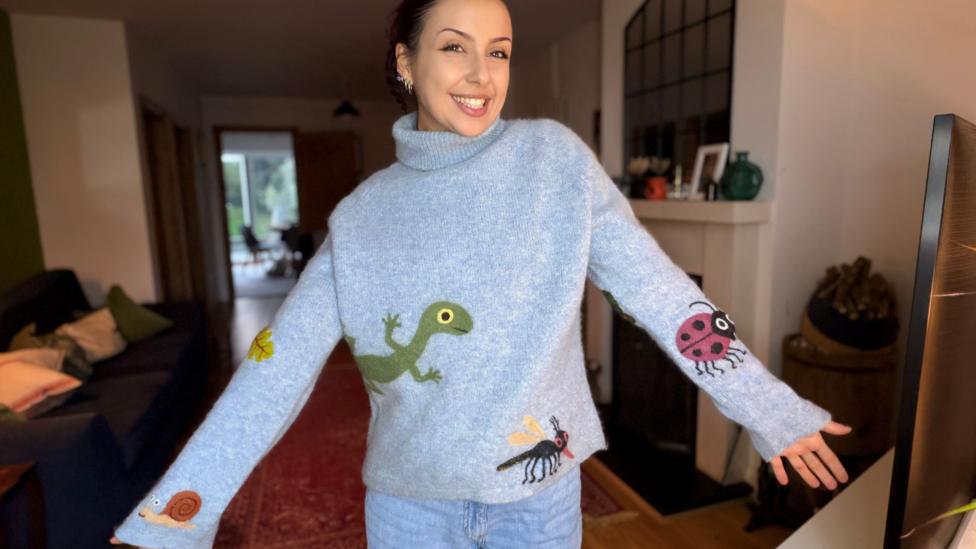
过去一年里,她发展出了自己独特的风格,用针刺毡工艺制作可爱的动物和昆虫图案,来遮盖蛀虫咬出的洞、污渍和其他瑕疵,因此在网上赢得了大量追随者。
Over the last year she has developed her own unique style, needle-felting cute animals and insects to cover moth holes, stains and other imperfections, winning her a huge following online. "The natural place for decoration is in the centre at the front.
“天然的装饰位置是在正面中央。如果洞在腋下或肩膀上,就会迫使你思考设计,”她说。
If the hole is under the arm or on the shoulder, it forces you to think about the design," she says.
这种常被称为“显性修补”的潮流,正从业余手工爱好者和社区工作坊蔓延开来,甚至吸引了快时尚品牌的关注,今年还登上了设计师的T台。
Often dubbed "visible mending" the trend is spreading from hobby crafters and community workshops, even drawing in fast-fashion brands and reaching the designer catwalks this year.
在布莱顿一个周六上午的工作坊里,杰恩·伊格尔教学员如何在撕裂处的背面缝上一块补丁,让猫脸图案若隐若现地透出来。
At one Saturday morning workshop in Brighton, Jayne Eagle shows her students how to attach a patch of fabric behind a tear so the cat-face design peeps through.
接着,她传授受日本传统方法“褴褛”和“刺子”启发的缝纫技法。他们不把线色与衣物颜色匹配,而是用几何图案和粗大的白色针脚,让修补处变得极具装饰性。
Then she instructs them in stitching techniques inspired by the traditional Japanese methods Boro and Sashiko. Instead of matching the thread colour to the garment, they make the mend highly decorative using geometric patterns in large white stitching.
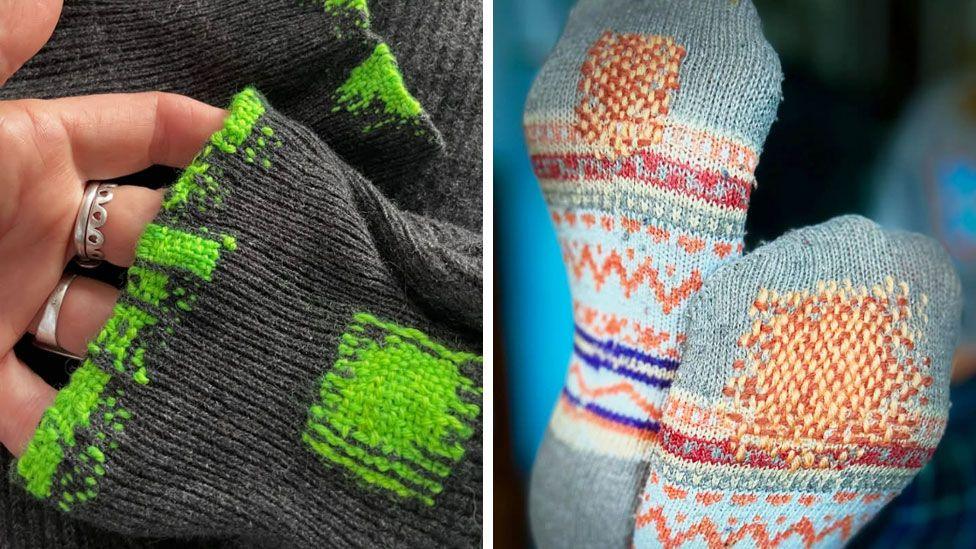
她还开设了挑线补织课程,使用对比鲜明的鲜艳色彩,以庆祝而非掩饰修补痕迹。
She also offers classes in darning using contrasting vibrant colours that celebrate, rather than disguise, the repair.
一位名叫妮可拉的学员已经运用新学的技能,在T恤上的防晒霜印记上缝出了图案,“把它变成了一个亮点”,她很高兴地发现,人们“不再盯着污渍看,只看到装饰了”。
One student, Nicola, has already used her newfound skills to stitch over sunscreen marks on a T-shirt "making a feature of it" and is now delighted that people "stop seeing the stains and just see the decoration".
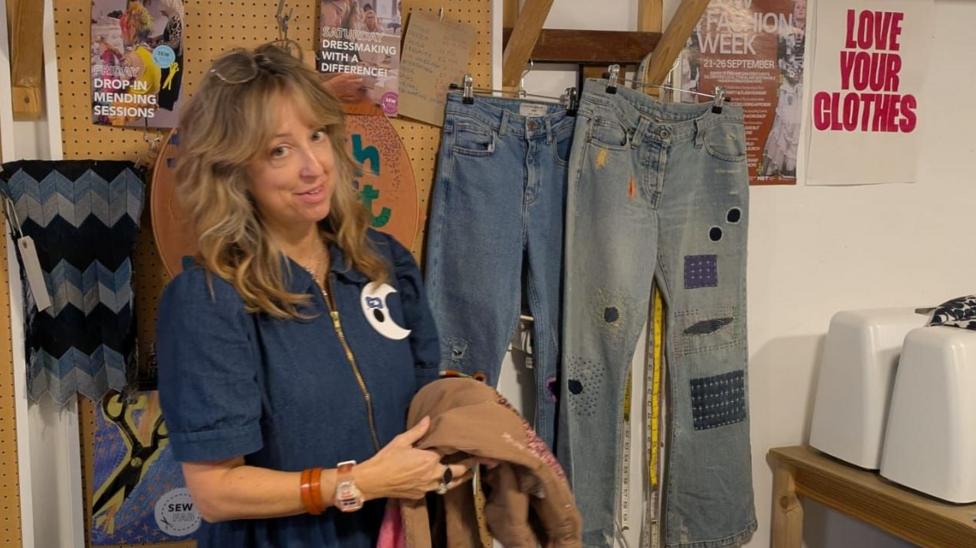
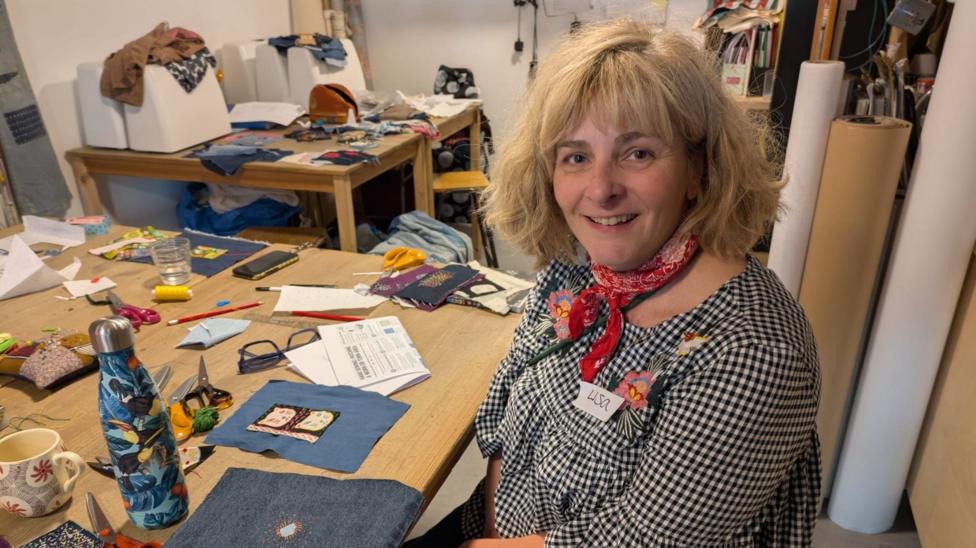
另一位学员丽莎说,她母亲那一代人绝不会想让补丁露出来。“现在部分心态是为自己做成的事感到自豪,”她说。
Another student, Lisa, says her mother's generation would never have wanted the mends to show. "Now part of it is being proud of what you've done," she says.
丽莎在网上买了一件二手夹克,拆包裹时用剪刀不小心剪坏了面料。她设法补好了,效果“看起来像是故意设计的”。“我其实还特意指给别人看呢,”她笑着说。
Lisa bought a second-hand jacket online, but snipped the fabric with the scissors when she was opening the package. She managed to patch it in a way that "looks intentional". "I was actually pointing it out to people," she laughs.
过去,修补衣物主要是为了省钱,通过延长穿着时间,而不是购买新衣。但“显性修补”则是对这种选择的赞美。Jayne 表示,这一潮流大约在六年前兴起,此后迅速发展。
In the past mending was primarily about saving money, by wearing clothes for longer, rather than buying new. But visible mending is about celebrating that choice. The trend took off about six years ago, Jayne says, and has boomed since.
她说,自 20 世纪 80 年代起,“一次性”快时尚时代的到来破坏了爱护和修补衣物的传统,人们也随之失去了这些技能。
An era of "throwaway" fast fashion from the 1980s onwards undermined the tradition of looking after and mending your clothes and people lost the skills, she says.
她认为,人们重燃兴趣,像是对时尚产业过度生产及其造成的破坏——污染、碳排放、用水量以及恶劣的劳动条件——的一种反弹。
The revival of interest feels to her like a backlash against overproduction in the fashion industry and the damage it causes: the pollution, carbon emissions, water use, and poor labour conditions.
因此,修补风格在零售商中如此受欢迎,或许令人惊讶。从 Ralph Lauren 到超快时尚企业 Shein,品牌纷纷推出带有缝补痕迹的成衣,尽管在这两个案例中,这些衣服都是全新的现货。
So perhaps it is surprising just how popular mended style is proving among retailers, with brands from Ralph Lauren to ultra-fast-fashion firm Shein currently selling stitched and patched garments, albeit in both of those cases brand new off the peg.
其他主流连锁店则采取了更真实的做法,提供店内维修服务和工作坊。
Other High Street chains are adopting a more authentic approach, offering in-house repairs and workshops.
优衣库可持续发展负责人 Maria Ledous 表示:“我们希望给顾客提供切实可行的方法,延长他们已钟爱衣物的寿命,而不仅仅是替换它们。”
"We want to give customers practical ways to extend the life of the clothes they already love, rather than simply replacing them," says Uniqlo's head of sustainability, Maria Ledous.
因低价常被视为快时尚零售商的 Primark 也加入了这一趋势。
Primark, often seen as a fast-fashion retailer due to its lower prices, has also joined the trend.
该品牌的耐久性负责人 Vicki Swain 表示:“我们不认为价格亲民和耐用性应该是对立的。”
"We don't think that affordability and durability should be opposites," says Vicki Swain, the brand's longevity lead.
户外品牌 Finisterre 表示,其为顾客提供的修补服务中,约有五分之一是设计得醒目夺目的;高端手工服装店 Toast 则称,约有三分之一的顾客选择这种方案。
Outdoor brand Finisterre says around a fifth of the mends it provides for customers are designed to be eye-catching, while premium artisan clothing store Toast says around a third of customers go for that option.
Toast 首席执行官 Suzie de Rohan Willner 说,部分“魔力”在于顾客可以带来一件衣物,“选择他们希望它下一步变成什么样”。
Part of the "magic" is that customers can bring in a garment and "choose what they'd like it to become next", says Toast chief executive Suzie de Rohan Willner.
Toast 的维修服务免费,但现货“翻新”单品的售价高于原版,以体现其独特个性。
Toast's repair services are free, but off-the-peg "renewed" pieces fetch higher prices than the originals to reflect their unique character.
拥有悠久传统、深受粉丝喜爱并常被用水钻、流苏袖口等装饰改造的 Levi's(李维斯),今年推出了一个工作坊计划。
Levi's, which boasts probably the longest tradition of being fixed up by its fans using anything from rhinestones to fringed cuffs, is rolling out a workshop programme this year.
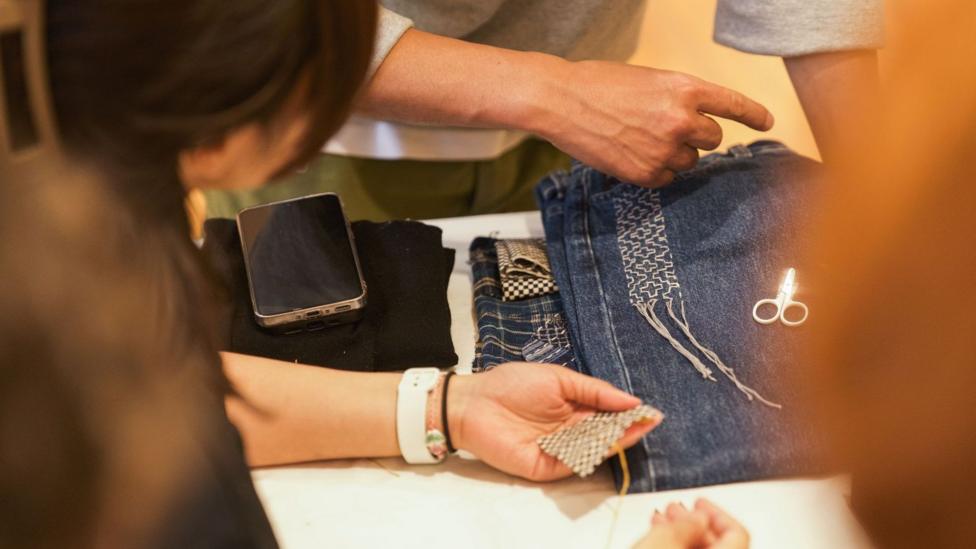
该公司表示,其研究显示,年轻顾客尤其希望多修补衣物,但不知道如何下手。
The firm says its research shows younger customers in particular want to repair more but don't know how.
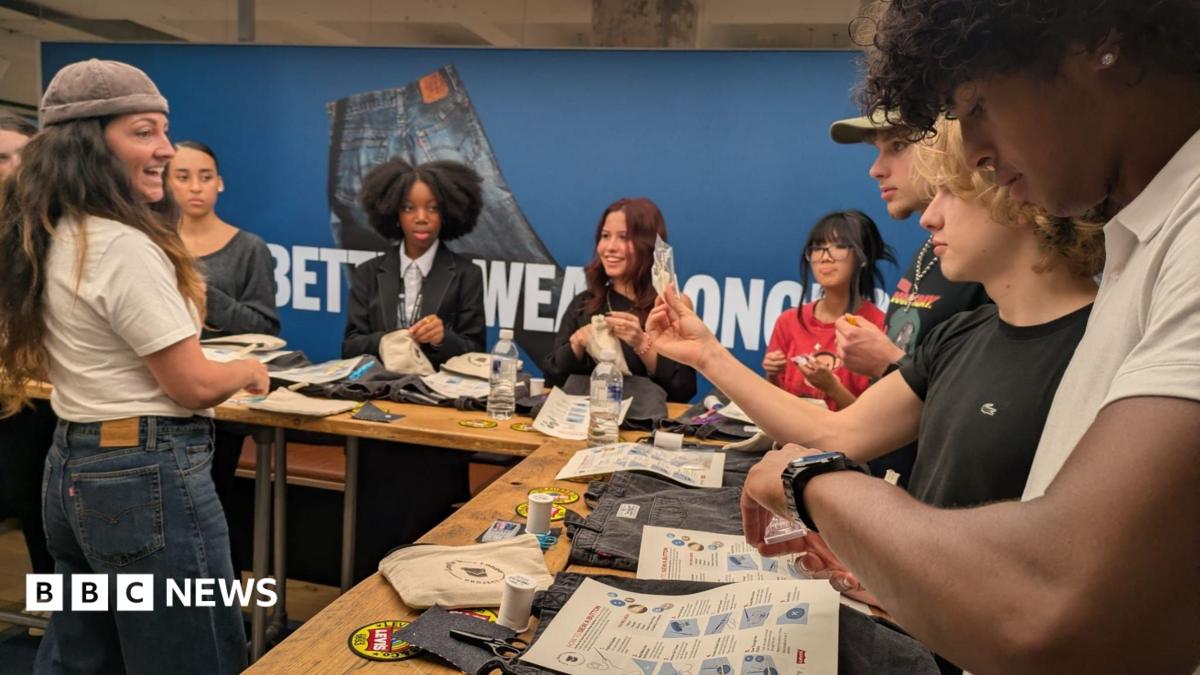
目前,Levi's 的工作坊侧重于传统修补技能,如缝扣子、改裤脚,而非显性修补(即故意让修补痕迹可见)。在最近于伦敦举办的启动活动中,这似乎正是其 Z 世代参与者所期待的。
For now, Levi's' workshops focus on traditional mending skills, such as sewing on a button and hemming, rather than visible mends, and at a recent launch event in London, that seemed to be what its Gen Z participants were looking for. "I'm from East London.
来自东伦敦的 16 岁中学生 Bianca 说:“如果你衣服上有洞,人们会说‘哈哈!你很穷!’”19 岁的 Theo 表示,他更愿意学习不留痕迹的修补方法。他说:“我希望牛仔裤看起来像我刚买时那样。”
If you have holes in your clothes people are like 'Ha ha! You're poor!'," says 16-year-old school student Bianca. Theo, 19, says he'd rather learn how to mend without it showing. "I would want [the jeans] to look how I originally bought them," he says.
他靠在跳蚤市场卖衣服赚外快,认为传统修补技能能让这份副业更赚钱。
He has a side hustle selling clothes at car boot sales and thinks traditional repair skills would make it more lucrative.
他 19 岁的朋友 Nicholas 说,大多数人想看起来“帅气/崭新”。“没人想看起来像从垃圾桶里捡出来的,”他说。
His friend Nicholas, also 19, says most people want to look "fresh". "No-one wants to look like they came out of a dumpster," he says.
尽管如此,Levi's 全球设计创新主管 Paul Dillinger 认为,随着他们掌握更多技能,更具创意的修补方式会赢得他们的青睐。
Still, Paul Dillinger, Levi's head of global design innovation, thinks more creative repairs will win them over as they pick up more skills.
他说:“没人有时间追求那种完美的‘刚从店里买来’的感觉。那不酷。
"No-one has time for that perfect 'straight from the shop' thing. That's not cool.
“人们渴望掌控感,”他说。“修补是人性的体现:那不是一块芥末渍,那是在棒球场度过美好一天的回忆。”
"People crave agency," he says. "Mending is a demonstration of humanity: it's not a mustard stain, it's a memory of a great day in the ballpark."