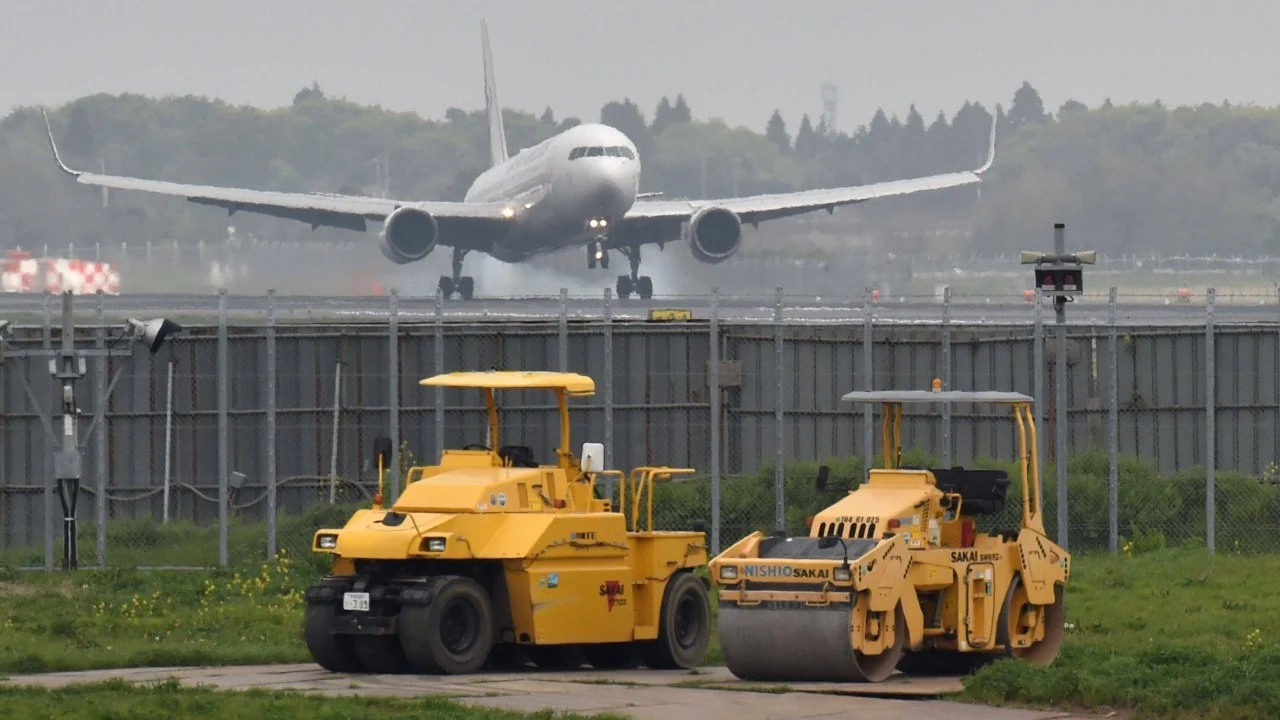
一个曾向日本帝国最臭名昭著的战时部队之一输送数百名男子的村庄,正在被拆除,以便为东京成田国际机场的一条跑道让路。
A village that sent hundreds of men to one of imperial Japan’s most notorious wartime units is being demolished to make way for a runway at Tokyo’s Narita International Airport.
731部队在第二次世界大战期间,对俘虏(其中许多是中国人)实施致命实验,以研发生物武器。其约3000名人员中,约有300人来自首都以东的千叶县芝山町加茂地区。该部队的创始人兼指挥官、中将石井四郎在那里长大。
Unit 731 carried out lethal experiments on captives, many of them Chinese, to develop biological weapons during the second world war. Around 300 of its roughly 3,000 personnel came from Kamo, a neighbourhood in Shibayama town, Chiba prefecture, east of the capital. Its founder and commander, Lieutenant General Shiro Ishii, grew up there.
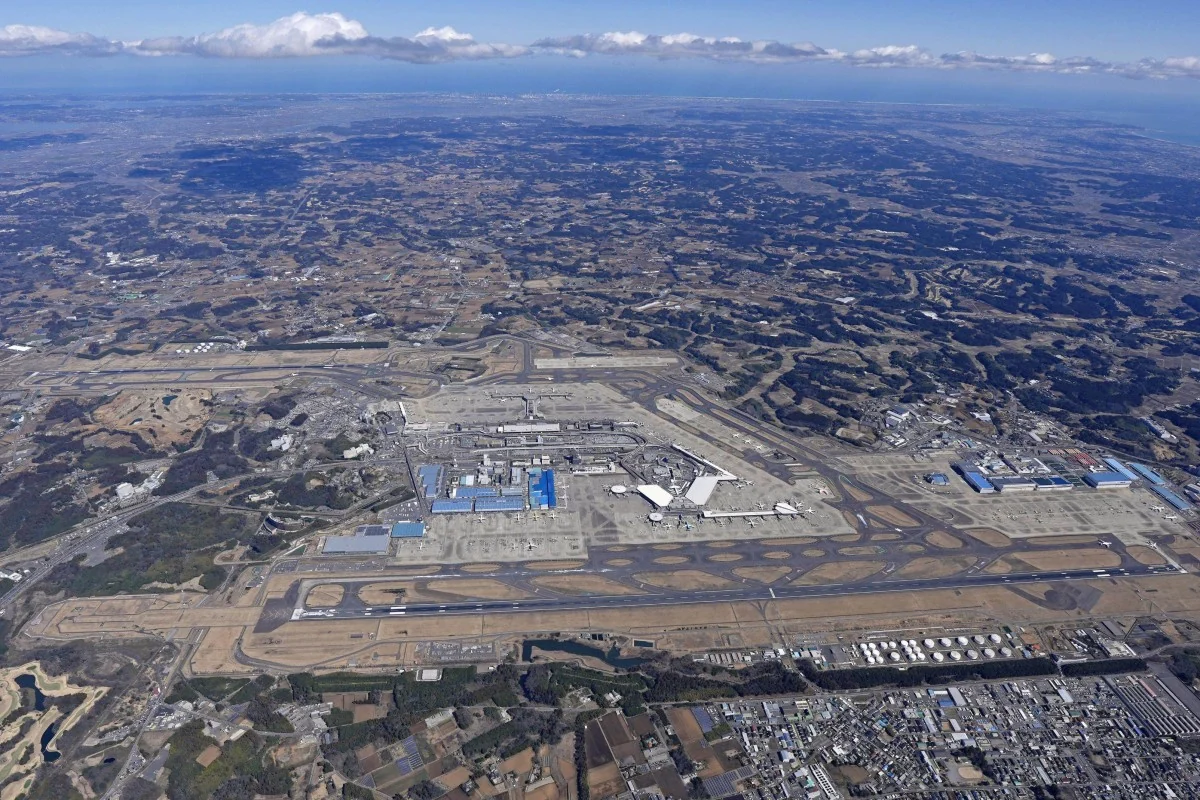
拆除工作于8月开始,地点距离成田主跑道南侧围栏约5公里(3英里)。石井家族的住宅已在被夷为平地的建筑之列。
Demolition began in August, about 5km (three miles) from the southern perimeter fence of Narita’s main runway. Ishii’s family home is among the buildings that have already been flattened.
芝山町官员证实,加茂地区约651公顷(1606英亩)土地因机场扩建被强制收购,部分居民搬迁至芝山町其他地方,另一些则彻底离开。
Around 651 hectares (1,606 acres) of the neighbourhood were compulsorily purchased for the airport expansion, town officials confirmed, with some residents moving elsewhere in Shibayama and others leaving altogether.
据《朝日新闻》周二报道,搬迁者中至少有一名男子的父亲曾在石井麾下服役。
Among them was at least one man whose father served under Ishii, the Asahi newspaper reported on Tuesday.
731部队名义上肩负“防疫给水”任务,暗示为部队提供卫生服务,但其真实目的要黑暗得多。
Unit 731 was supposedly tasked with “epidemic prevention and water supply”, suggesting a sanitation service for troops, but its true purpose was much darker.
该部队以占领时期中国东北哈尔滨郊外的平房为基地,通过在未经同意的情况下对囚犯和平民进行残酷人体实验,研究、开发和测试生物和化学武器。
From its base in Pingfang on the outskirts of Harbin, in occupied northeast China, the unit researched, developed and tested biological and chemical weapons by conducting gruesome human experiments on prisoners and civilians without their consent.
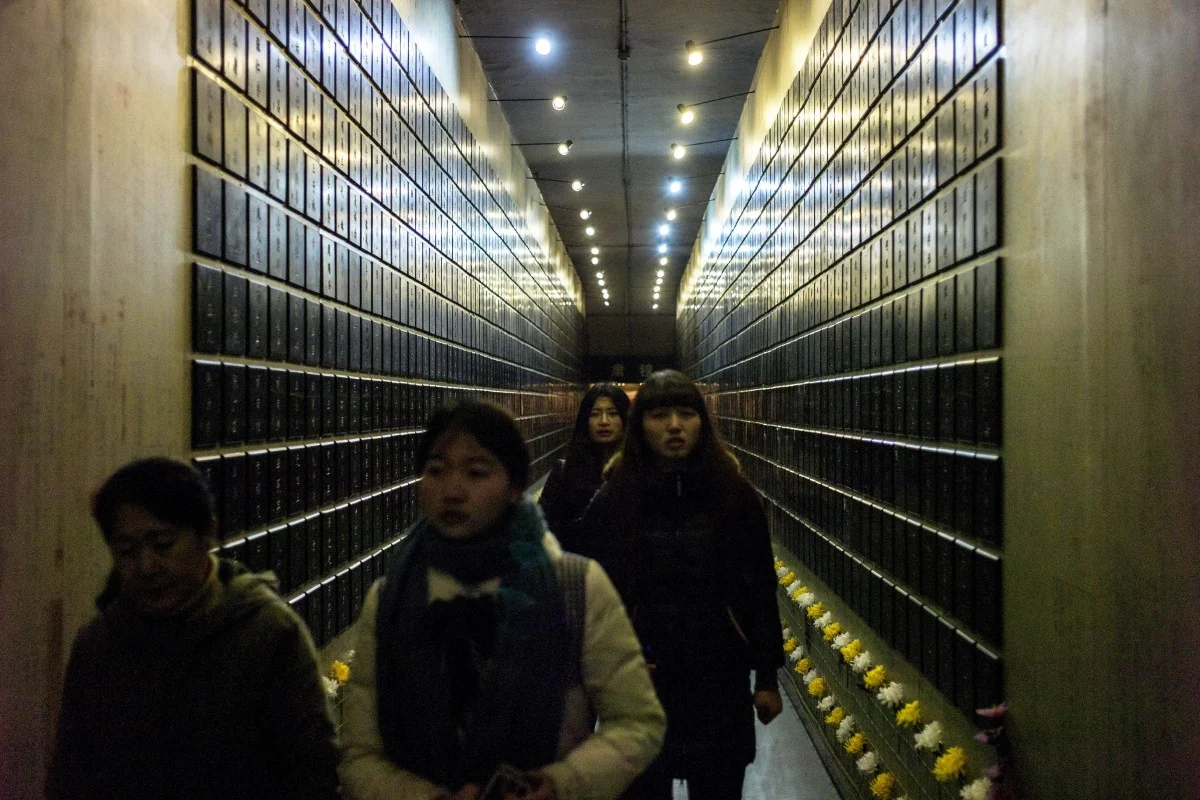
历史学家估计,多达3000人死于其哈尔滨总部。在亚洲其他实验地点,数千人因实验丧生,数万名主要为平民的人员则死于该部队的武器之下。
Historians estimate that as many as 3,000 died at its Harbin headquarters. Thousands more lost their lives in experiments at other sites across Asia and tens of thousands, mostly civilians, were killed by the unit’s weapons.
石井四郎大量从加茂招募人员,显然认为来自自己社区的男子会对他保持忠诚。历史学家表示,他的判断是正确的。
Ishii recruited heavily from Kamo, apparently in the belief that men from his own community would stay loyal to him. Historians say he was correct.
“日本没有其他任何单一地区能产出如此集中且数量庞大的部队成员,”曾任静冈大学历史学教授、多年研究该部队的森正隆(Masataka Mori)说。“石井有时会把731部队称为‘加茂部队’,以他的家乡命名。”几乎所有芝山居民都知道石井指挥该部队,但只有部队成员清楚工作的真实内容。“因为从事人体实验和生物战,违反国际法,部队的真实性质被严格保密,”森正隆说。
“No other single region in Japan produced such a concentrated and large number of unit members,” said Masataka Mori, a former history professor at Shizuoka University who spent many years studying the unit. “Ishii sometimes referred to Unit 731 as the ‘Kamo Unit’, after his hometown.”Almost everyone in Shibayama knew Ishii was in command, but only unit members were aware of what the work truly involved. “The unit’s true nature was kept strictly confidential because it was engaged in human experimentation and biological warfare, acts that violated international law,” Mori said.
随着日本战败临近,石井和几乎所有高级军官试图销毁证据并逃回国内。据森正隆说,石井给成员下达了三条命令:绝不透露曾在该部队服役、不竞选公职、把发生的一切带进坟墓。
As Japan’s defeat drew near, Ishii and nearly all of his senior officers tried to destroy the evidence and fled back home. Ishii gave members three orders, according to Mori: never reveal you served in the unit, do not run for public office and take what happened to your grave.
他说,许多人回到加茂后被“置于监视之下”,以确保他们遵守命令。
Many returned to Kamo and were “placed under surveillance” to ensure they complied, he said.
美军占领部队1945年抵达后不久便将石井拘押,但随后却提出以免予起诉换取其研究数据——这些数据美国科学家无法合法获取。
American occupation forces took Ishii into custody soon after their arrival in 1945 – but went on to offer him and his senior colleagues immunity from prosecution in return for their research data, which US scientists could not have gathered legally.
因此,在历时两年审判日本战时领导人的东京战犯法庭上,该部队几乎未被提及,极少成员受到审判。
The unit was consequently barely mentioned at the Tokyo War Crimes Trials, the Allied tribunal that tried Japan’s wartime leaders over a two-year period, and few of its members ever faced justice.
结果,日本国内外公众长期对其恐怖行径知之甚少,直到1981年作家森村诚一出版《恶魔的饱食》(The Devil's Gluttony,暂译),这部两卷本著作记述了该部队的罪行。
As a result, the public abroad and in Japan remained largely ignorant of its horrific work until 1981, when the writer Seiichi Morimura published , a two-volume account of the unit’s crimes.
在加茂,和战前其他小社区一样,许多居民同姓且有远亲关系。其中就有在部队服役的石井真一郎。他的儿子石井纯一郎告诉《朝日新闻》(Asahi),父亲“不爱谈论”他在被占领中国的战时经历。
In Kamo, as in other small pre-war communities, many residents shared a surname and were distantly related. Among them was Shinichiro Ishii, who served in the unit. His son Junichiro told the Asahi that his father “didn’t like to talk about” his wartime experiences in occupied China.
森村的书出版后, reportedly,新一郎 reportedly 把自己关在卧室里,拒绝与记者交谈,对其他老兵透露内情感到愤怒。纯一郎的母亲曾与丈夫一起生活在中国,她描述说,那里有不错的薪水、配有冲水马桶的房子——那是当时的奢侈品——以及石井在战争结束前夕帮助一家人撤回日本的帮助。她说,她丈夫经常做噩梦。
After Morimura’s book appeared, Shinichiro reportedly shut himself in his bedroom and refused to speak with journalists, angry that other veterans had talked. Junichiro’s mother, who had lived in China with her husband, described good pay, homes with flush toilets – a luxury at the time – as well as help from Ishii in evacuating the family to Japan near the war’s end. Her husband often had nightmares, she said.
“这不是我特别想讲述的故事,我自己也不知道全部真相,”纯一郎对《朝日新闻》说。他拒绝接受《本周亚洲》的采访。
“It’s not a story I particularly want to tell, and I don’t know the whole truth myself,” Junichiro told the Asahi. He declined an interview with This Week in Asia.
一位柴山町官员确认,机场扩建区域内有“几处历史遗迹”,但表示没有完整名单。该官员补充说,该镇希望推进该项目,预计该项目将带来商业机会和就业。
A Shibayama town official confirmed there were “several historical sites” in the airport expansion area, but said there was no complete list. The town wanted to promote the project, which it expected to bring business opportunities and jobs, the official added.
东京对731部队也同样讳莫如深。2003年,时任首相小泉纯一郎在向日本议会提交的书面声明中承认了该部队的存在,但表示“没有证据”表明该部队进行过细菌战。
Tokyo has been equally cagey about Unit 731. In a written statement to Japan’s parliament in 2003, then prime minister Junichiro Koizumi acknowledged the unit’s existence but said “no evidence” had been found that it conducted biological warfare.
政府确认该部队在平房设有基地,但表示描述其在那里工作的文件“本质上是私人记录”,其内容无法客观核实。政府表示,这些文件均不存放在政府档案中,并且考虑到时间已久,进一步调查将“极其困难”。
The government confirmed the unit had a base at Pingfang, but said the documents describing its work there were “essentially private records”, whose contents it could not objectively verify. It said none were held in government archives and that, given the passage of time, further investigation would be “extremely difficult”.
福岛医科大学历史学教授末永圭子研究过该部队,她说,许多日本人可能“隐约听说过石井中将”,但学校课程并没有充分教授他的行为。
Keiko Suenaga, a history professor at Fukushima Medical University who has researched the unit, said many Japanese might “have vaguely heard of Lieutenant General Ishii” but the school curriculum did not sufficiently teach about his actions.
她说,互联网上“充斥着历史修正主义信息”以及否认该部队罪行的阴谋论,包括声称该部队从未存在过,或者它“字面上就是一个疾病预防和供水部队”的说法。
She said the internet was “awash with historical revisionist information” and conspiracy theories denying the unit’s crimes, including claims that it never existed or that it was “literally a unit for disease prevention and water supply”.
末永说,这种改写历史让人们无法准确了解自己的过去,随着公众认知的淡化,历届日本政府面临的审查也日益减少。
Such rewriting of history left people without accurate knowledge of their past, Suenaga said, with successive Japanese governments facing dwindling amounts of scrutiny as public awareness had waned.
她还说,华盛顿决定给予豁免权,也让许多责任人逃脱了起诉,这使得日本更难批评美国的战时空袭或原子弹轰炸。
Washington’s decision to grant immunity had also allowed many of those responsible to escape prosecution, she said, making it harder for Japan to criticise American wartime air raids or the atomic bombings.
末永说:“结果可以说是,日美两国统治精英中的战争罪责人彼此建立了一种‘双赢’关系。”
“As a result, it can be said that those responsible for war crimes within the ruling elites of both Japan and the US entered into a ‘win-win’ relationship with one another,” Suenaga said.
如今,石井家族故居的旧址已被封锁线围起,立着警示牌称即将动工建设。战后回到加茂的那些男子现在已基本被遗忘,他们的社区很快将被厚厚的一层跑道沥青覆盖。
Today, the site of the Ishii family home is taped off, with signs warning that construction work will begin soon. The men who came home to Kamo after the war are now largely forgotten and their community will soon lie under a thick layer of runway asphalt.