向风投机构提供资金的有限合伙人——即“资金背后的资金”——目前心情大好。他们在许多方面都处于未知领域,但也可能身处极其丰厚的利润领地。
The limited partners who provide the capital to venture firms — the “money behind the money” — are feeling great right now. They’re in uncharted territory in many ways, but also potentially exceedingly lucrative territory.
正如长期观察该行业的人所知,有限合伙人通常会将赌注分散在许多机构中,以实现自身投资组合的多元化。他们向新兴管理人和资深管理人、综合型机构和专业型机构开出支票。目标是获得强劲回报,同时将风险降至最低。
As longtime industry observers know, LPs typically spread their bets across many firms to diversify their own portfolios. They write checks to emerging managers and established ones, to generalist firms and specialists. The goal is a strong return, but also to minimize risk.
这是典型的操作手册。但典型做法已不复存在。OpenAI和Anthropic的估值飙升得如此之快,以至于几乎所有人都在上升途中涌入这同两家公司,往往还是在同一家风投机构内部,这违背了长期以来避免相互冲突投资的风投惯例。也没有人抱怨。我交谈的有限合伙人似乎不介意这场大赌注,鉴于潜在回报,他们正期待一场丰收。
That’s the typical playbook. But typical is out the window. OpenAI and Anthropic’s valuations have shot up so quickly that nearly everyone has piled into the same two companies on the way up, often inside the same venture firm, despite the longstanding venture convention of avoiding investments that conflict with one another. No one is complaining, either. The LPs I speak with seem unbothered by this big gamble, given the potential returns; they’re expecting a bonanza.
但他们确实看到了前方的危险,即便他们将其描述为“黄灯”状况,他们也对风投机构回笼募集新基金的速度感到不安。
But they do see danger ahead, even if they describe this as a “yellow light” situation, and they’re uneasy about how quickly VCs are coming back to raise new funds.
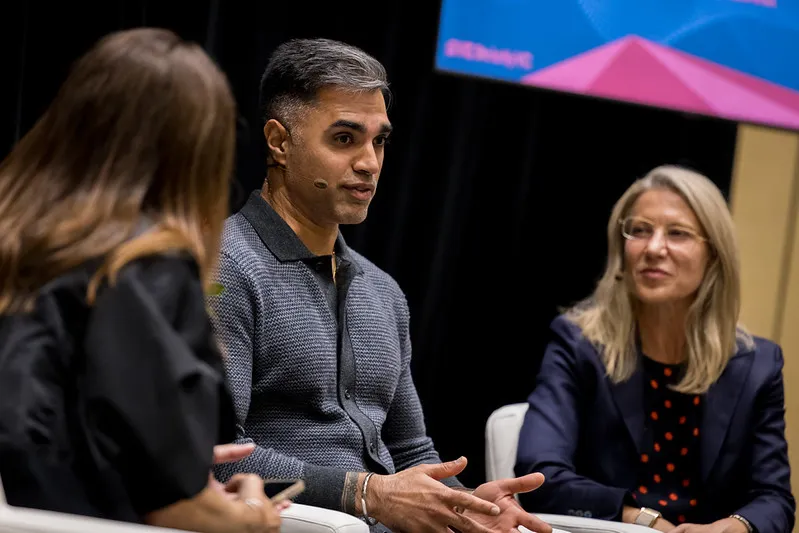
我最近就上述所有话题与LGT Capital Partners的Beezer Clarkson、TrueBridge的Amit Bhatti进行了交谈。LGT Capital Partners是一家总部位于苏黎世的多元化资产管理公司,TrueBridge则是一家总部位于教堂山、专注于风险投资的公司。本次对话经编辑删减。
I talked about all of it recently with Beezer Clarkson of LGT Capital Partners, a Zurich-based diversified asset manager, and Amit Bhatti of TrueBridge, a Chapel Hill firm that focuses solely on venture. This conversation has been edited for length.
这些日子很不寻常——令人兴奋但也令人害怕。你们目前如何看待自己的角色,以及自己在创业生态系统中的定位?
These are strange days — exciting but also scary. How are you feeling about your roles right now, and your place in this startup ecosystem?
Beezer Clarkson:非常忙碌,但我不会说这很可怕。有很多变化,也有很多变量在起作用。我热爱风投,所以觉得这种混乱很有趣。我做这行有二十多年了,见过周期,所以不那么害怕。你会体会到这些事情会发生,我们应该享受上行期,因为有时会有下行期,上行比下行有趣得多。
Beezer Clarkson: It’s very busy, but I wouldn’t say it’s scary. There’s a lot of change and a lot of variables at play. I love venture, so I find the chaos fun. I’ve been doing this for a couple of decades, so seeing the cycles makes it less scary. You appreciate that these things happen, and that we should enjoy the upside, because sometimes there’s downside, and the up is a lot more fun than the down.
阿米特·巴蒂:如果非要说有什么感觉,那就是令人兴奋。风险投资有时被视为一个小众领域,而现在人工智能无所不在,所有的目光都聚焦在风险投资上。这感觉更像是属于我们的时刻,而不是“天哪,会发生什么?”。投资节奏和估值可能会有所不同,但真正有意义的事情正在发生,所有的关注都集中在私募股权的这个角落里。
Amit Bhatti: If anything, it’s exciting. Venture is sometimes looked at as a niche, and now that AI is all-consuming, all the attention is on venture. This feels like our moment more than it is like, “Oh gosh, what’s going to happen?”The pace of investing and the valuations may be different, but really meaningful stuff is happening, and all the attention is focused on this corner of private equity.
你们的基金现在都持有同一个品牌,OpenAI 和 Anthropic,乘以你们支持的基金数量,而你们的工作是让机构保持多元化。你们怎么看待这一点?显然现在很棒,但如果形势逆转,就不那么好了。
Your funds all hold the same brands now, OpenAI and Anthropic, multiplied across however many funds you back, and your job is to keep your institutions diversified. How do you think about that? Obviously it’s great right now, but if things turned, it would be less great.
阿米特·巴蒂:风险投资一直是一个幂律分布的生意,所以我实际上认为这种集中度是一件好事。如果我们的某只基金到了成熟期,里面还有很多微小的仓位,那说明出问题了。我们那些 10 年以上的老基金开始向少数几个名字集中。里面有很多 Databricks,很多 SpaceX,很多 Stripe。在这一代基金里,我希望有很多 Anthropic 和很多 OpenAI。这是特性,不是缺陷。并非每一家公司都会成功,但这种集中是典型的。不同之处在于它发生得有多快。我不把它视为一个直接的恐慌信号。
Amit Bhatti: Venture has always been a power law business, so I actually view the concentration as a good thing. If we were getting to the maturity of one of our funds and there were still lots of tiny positions, something’s gone wrong. Our funds that are 10-plus years old are starting to consolidate into a few names. There’s a lot of Databricks, a lot of SpaceX, a lot of Stripe. In this generation of funds, I would hope there’s a lot of Anthropic and a lot of OpenAI. That’s a feature, not a bug. Not every one of these companies is going to work out, but that consolidation is typical. What’s different is how quickly it’s happened. I don’t view it as an immediate panic signal.
比泽·克拉克森:在早期阶段,你仍然能看到相当多元化的机会组合,而且投资金额较小。这些最终会汇聚到同一批公司,但早期基金显然不做大额的后期投资,所以如果你在找多元化,那里会有更多选择。
Beezer Clarkson: At the early stage, you still see quite a diversity of opportunity sets, and the dollars are smaller. It aggregates up into the same companies, but early-stage funds obviously aren’t doing the big late-stage stuff, so you have more diversity there, if that’s what you’re looking for.
原本按四年周期投资的基金,将周期压缩到了三年,然后两年,再到 18 个月。这样的节奏可以接受,还是令人担忧?
Funds that invested on four-year cycles have shrunk that to three, then two, then 18 months. Is the pacing okay, or is it concerning?
Beezer Clarkson:我们看到基金以一年一个周期的速度回归募资,这非常快。常态大概是两年到两年半。有些基金部署速度快得多,因为它们采取高度集中、大额领投的策略。这可能是一个令人担忧的信号。结果可能不错,我们不知道,但通常要在一年一个周期里做对,难度更大。
Beezer Clarkson: We’re seeing funds come back on one-year pacing, which is fast. The norm was probably two to two and a half years. Some funds are deploying much faster because they’re taking concentrated, big-check positions. That could be a worrisome sign. It could work out, we don’t know, but it’s typically harder to do a one-year vintage and get it right.
Amit Bhatti:我们这边情况类似。我原本会说 24 到 36 个月左右属于常态。现在 12 到 18 个月对于一些进度极快的基金来说也不算疯狂。许多基金在周期中途扩大基金规模,这绝对罕见。部分原因是融资轮次变得如此巨大。如果 Anthropic 融资规模巨大,而你投入了基金 20% 的资金,显然就会超前于原定进度。种子轮融资规模也几乎翻了一倍,所以如果你想领投,就得开出 2 倍的支票。这绝对是一个黄灯预警,让我们有点心烦意乱。
Amit Bhatti: Similar for us. I would have said 24 to 36 months was roughly normal. Now 12 to 18 is not crazy for some of the funds going really quickly. A lot of funds are bumping up their fund sizes mid-cycle, which is definitely unusual. That’s partly because rounds have gotten so large. If Anthropic is raising a giant quantum of capital and you put 20% of the fund into it, you’re obviously going to be ahead of pace. Seed round sizes have gone up almost 2x, too, so if you want to lead, you’re writing 2x the check. It’s definitely a yellow light. It gives us a little bit of heartburn.
但当我们看这些管理人实际买了什么时,数字却不一样。上一次出现加速部署时,大量资金涌入零营收的加密货币“登月”项目。现在我们看到许多公司从零营收做到 1 亿美元营收,这在以前完全闻所未闻。
But when we look at what these managers actually bought, the numbers are different. The last time we had accelerated pacing, there was a lot of investing in zero-revenue crypto moonshots. Now we’re seeing a lot of companies go from zero to $100 million in revenue, which was totally unheard of before.
如果一位优秀的管理人每年都回来募资,但回报仍停留在账面上,你能说“下次再联系我”,还是会失去座次?
If you’ve got a great manager who comes back every year but the returns are still on paper, can you say “call me next time,” or do you lose your seat at the table?
Beezer Clarkson:离开一位管理人然后再回来,非常难。会发生,但更典型的做法是缩减出资额。2021 年,许多 LP 表示:“如果我原本打算给你 1000 万美元,我会只给 500 万美元,因为 1000 万美元是给两年用的。”在我们的投资组合里,部署节奏会传导过来,所以我们考虑节奏时,既要想我们自己的,也要想你们的。
Beezer Clarkson: It’s very hard to leave a manager and then come back. It happens, but it’s more typical to downsize your check. In 2021, a lot of LPs said, “If I was going to give you $10 million, I’ll do $5 million, because $10 million was for two years.”In our portfolios, the pacing gets pulled through, so we think about our pacing as well as yours.
阿米特·巴蒂:我这边也是。我们正在制定一个日历,标明我们预计何时做出承诺,所以如果有人严重偏离这个计划,我们需要确保资金到位。你会看到有人缩减规模或提前沟通。很难说你完全不参与了,因为那样你就不是可靠的资本来源。这也是为什么你会看到扩募;管理人不想回来宣布募集一只全新的基金,所以他们把旧基金的规模扩大。
Amit Bhatti: Same here. We’re building out a calendar of when we expect to make commitments, so if someone goes way off that map, we need to make sure the capital is there. You see people downsize or communicate it up front. It’s hard to say you’re sitting it out altogether, because then you’re not reliable capital. That’s also why you’re seeing upsizes; managers don’t want to come back and say they’re raising a whole new fund, so they bump up the old one.
比泽·克拉克森:有时人们也会退出风投,因为资本认缴不断,却没有分配回笼,而他们仍须履行运营承诺,无论是大学基金、医院还是基金会。这给那些情况带来了很大压力。
Beezer Clarkson: People also rotate out of venture sometimes because capital calls keep running with no distributions coming back, and they still have to meet operating commitments, whether it’s the endowment, the hospital, or the foundation. That puts a lot of strain on those situations.
有限合伙人喜欢时间分散,但近几年募集了大量基金,包括那些在疫情期间以高估值支持初创企业的基金。那些基金表现如何,你如何描述截至目前的2026年情况?
LPs like time diversification, yet a of funds were raised in recent years, including that backed startups at high valuations during the pandemic. How are those funds doing, and how would you describe 2026 so far?
比泽·克拉克森:2021年年份的基金还处于早期,成立五年了,但它们反对设立一年期基金。有些会捕捉到一家AI公司的一角而表现优异,但你在一年内选对的概率就是更难,而且当时的估值极高。
Beezer Clarkson: The 2021 vintages are still early, five years in, but they argue against doing one-year funds. Some will catch a piece of an AI company and look excellent, but your odds of getting it right in one year are just tougher, and the valuations were extreme.
阿米特·巴蒂:如果我看过去15年我们的投资组合,我不会押注疫情年份会是最好的一个。但会有几个超预期的项目从中诞生。OpenAI那时就已经存在,Cursor也开始得相当早,所以它们在其中一些基金里。流动性已经开始回笼。过去两年肯定较慢,但SpaceX是头条,Cerebras今年是一个大退出,还有几个IPO,以及大量并购。我们看到100亿美元以上的并购退出,还有一个600亿美元的并购[指Cursor]。流动性正超越单纯的IPO。
Amit Bhatti: If I look at the last 15 years of our portfolio, I wouldn’t bet on the COVID vintage being the best one. But a couple of breakouts will come from it. OpenAI was around in that era, and Cursor started pretty far back, so they’re in some of those funds. And liquidity has started flowing. The past two years were definitely slower, but SpaceX is the headline, Cerebras was a big exit this year, there have been a couple of other IPOs, and a lot of M&A. We’re seeing $10 billion-plus M&A exits, a $60 billion one [with Cursor]. Liquidity is going beyond just IPOs.
你们的风投基金管理人如何看待二级市场交易?如果我是VC,我会很想在OpenAI或Anthropic兑现一些收益。
How are your venture fund managers thinking about secondaries? If I were a VC, I’d have been tempted to take money off the table in OpenAI or Anthropic.
Beezer Clarkson:过去大约五年里,风投领域的二级市场交易变得复杂得多。这主要集中在少数头部公司,但比以前普遍得多,我认为这是好事,因为生态系统需要流动性选择。风投的前提就在于此,如果要等20年才能IPO,那并非我们在结构上所预想的样子。这类交易现在也发生在多个层面。LP出售其持有的GP股份、投资组合的一部分,围绕此的禁忌感在减弱。
Beezer Clarkson: Secondaries have become much more sophisticated in venture over the last, call it, five years. It’s localized in the top handful of companies, but it’s much more prevalent than before, which I think is good, because the ecosystem needs liquidity options. Venture is predicated on that, and if you wait 20 years for an IPO, that is not what structurally we all thought it could be. They’re also happening at multiple levels now. LPs sell stakes of their GPs, a strip of their portfolio, and the taboo around it is less.
Amit Bhatti:这已成为第三条流动性路径:IPO、并购、二级市场。私募股权一直拥有成熟的二级市场,而风投没有。这曾有点像“脏话”。只有在困境中才会出售。随后人们在2021年被套牢,心想“我早该卖掉”。现在更多管理人将其作为工具,且更审慎地使用。如果你仍相信这是幂律分布中的头部公司,你大概率不会清仓离场。但如果卖出20%的仓位就能返还基金,你大概率应该这么做。
Amit Bhatti: It’s the third leg of liquidity now: IPOs, M&A, secondaries. Private equity has always had a well-developed secondaries market, and venture didn’t. It was kind of a dirty word. You were only selling if you were distressed. Then people were holding the bag in 2021 and thought, “I should have sold.”Now more managers use it as a tool, and more judiciously. If you still believe it’s the power law company, you’re probably not exiting the whole position. But if you can sell 20% of your position and return your fund, you should probably do it.
现在有大量创始人抛售和员工要约收购 —— 往往发生在公司“发展历程”非常早期。你怎么看?
There’s a lot of founder selling and employee tenders — often very early into the company’s “journey.”How do you feel about that?
Amit Bhatti:我们之前在讨论加密货币的类比,当时情况变得非常棘手,部分原因是员工以代币形式获得薪酬,且这些代币可以立即变现。当困难来临时,是什么激励你留下来?所以我认为员工要约收购是件好事,特别是对于那些存在已久、财务状况非常清晰的公司,比如 Stripe 和 Databricks。它们为员工提供部分流动性完全合理。
Amit Bhatti: We were talking before about the analogy to crypto, where things got very difficult in part because employees were paid in tokens that were liquid immediately. What’s your motivation to stick around when things get hard? So I think it’s great that there are employee tenders, especially for companies that have been around a long time, like Stripe and Databricks, with a very clear financial picture. For them to offer partial liquidity to employees is totally reasonable.
但很多执行层面的压力落在领投方身上。我们支持的投资人曾告诉公司:“我们不希望你们现在进行员工要约收购。”这些对话都在幕后进行,大家都从上一轮吸取了一些教训。但一切都基于杠杆。如果创始人拥有不可思议的杠杆……算了。Amit Bhatti:是啊。
But a lot of the enforcement falls on the lead investors. Investors we back have told companies, “We don’t want you to do an employee tender right now.”Those conversations are happening behind the scenes, and people have learned some lessons from last time. It’s all based on leverage, though. If the founder has incredible leverage . . . Forget it. Amit Bhatti: Yeah.
当这些公司上市、员工获得流动性时,他们会成为你们风投管理人的合伙人,还是竞争对手?这些人拥有惊人的网络。
When these companies go public and employees get liquid, will they become partners or competitors to your venture managers? These employees have amazing networks.
Beezer Clarkson:我们多次见过这种情况:当一家公司变得非常高产,员工自己可能会成为 LP(有限合伙人)或 GP(普通合伙人)。完全有可能会出现一批全新的新兴管理人,由从 OpenAI 和 Anthropic 走出来的人资助支持。谷歌时代就发生过这种情况。但成为 LP 意味着要承担数百万美元的出资,并经营一个跨越数十年的事业。
Beezer Clarkson: We’ve seen it multiple times: when a company becomes very productive, employees can become LPs or GPs themselves. It’s entirely possible there’ll be a whole new raft of emerging managers backed by people coming out of OpenAI and Anthropic. It happened in the Google days. But being an LP meansg up for many millions of dollars and a multi-decade business.
Amit Bhatti:考虑到旧金山房价飙升,房地产这块会很棘手。但这些人会留在生态系统里,投资他人、创办新公司、成立新机构。这就是为什么短期内没有其他地方能取代旧金山的地位。
Amit Bhatti: The real estate part [given the soaring cost of home prices in San Francisco] is going to be tough. But those people stay in the ecosystem, investing in others, building new companies, starting new firms. That’s why no other place is taking SF’s place anytime soon.
旧金山的住房成本涨得如此之快。我们会把下一代创始人挡在门外吗?下一个中心会最终落在纽约还是别的什么地方?
Housing costs here in San Francisco have shot up so fast. Do we price out the next generation of founders, and does the next hub end up in New York or somewhere else?
Beezer Clarkson:历史表明,湾区的密度效应极具吸引力。也许这种密度会从旧金山转移回郊区。早些时候,YC 还在山景城。纽约显然拥有自己非常深厚的科技圈,但这里的密度如此之高,以至于很难抗拒。
Beezer Clarkson: History would argue that the density effect in the Bay Area is a great pull. Maybe it moves out of San Francisco and back into the suburbs. Back in the day, YC was in Mountain View. New York obviously has its own very deep tech scene, but there’s such a density here that it’s been really hard to push back against.
少数风投基金现在锁定了有限合伙人(LP)承诺出资的大部分。新晋基金经理还有切入点吗?
A handful of venture funds now lock down most of the committed capital from limited partners. Is there a wedge in for emerging managers?
Beezer Clarkson:今年、去年、前年,仍有首次募资和新晋基金经理(一期至三期基金)在募资。你依然需要一个差异化的观点、一个存在的理由。募资变难了,但我们看到他们仍能融到资,只是基金规模变小了。50% 的资金可能流向大基金,但如果你的平均一期基金是 2500 万到 5000 万美元,仍有足够多的此类基金加起来达到 10 亿美元。
Beezer Clarkson: There are still first-time and emerging managers, funds one through three, being raised this year, last year, the year before. You still need a differentiated point of view, a reason for being. Fundraising has gotten harder, but we see them being funded, and the fund sizes are just smaller. Fifty percent of the money might go to the big funds, but if your average first fund is $25 million to $50 million, there can still be enough of those to add up to $1 billion.
Amit Bhatti:就在旧金山,有人正在募集 500 万或 1000 万美元,也许是将其天使投资正规化。许多知名大基金最初也是从 500 万美元起家的。对新晋基金经理而言,利用手头的任何资金建立履历、验证投资论点、获取渠道和判断力要好得多,这样二期基金会更容易募集。如果第一天就试图募集 5000 万或 1 亿美元,就是给自己制造一座大山。
Amit Bhatti: There are people raising $5 million or $10 million right here in SF, maybe formalizing their angel investing. A lot of really well-known funds started with a $5 million fund. It’s much better for an emerging manager to build the track record, prove out the thesis, your access and your judgment with whatever capital you have, and then fund two will be easier to raise. If you try to raise $50 million or $100 million on day one, you’re creating a giant hill to climb.
Beezer Clarkson:如果你只做过天使投资,那与从拥有现成 LP 基础、LP 已认识你的平台型机构分拆出来是两码事。后者通常能募到更多资金。
Beezer Clarkson: If you’ve only angel invested, that’s a different story from spinning out of a platform where you have an installed base of LPs who know you. Those managers typically raise more.
能谈谈你们投过哪些具体类型的新晋基金经理,是什么让你们决定出资吗?
Can you talk about specific kinds of emerging managers you’ve backed, and what made you write the check?
阿米特·巴蒂(Amit Bhatti):人们对“新兴”的定义截然不同。我们支持过仍在经营自己公司并兼职投资的创始人。我们支持过离开大型机构去做早期投资的人。我们还支持过极年轻的普通合伙人(GP),年仅 22、23 岁,但他们与新一代 AI 原生创始人有着非常紧密的联系。他们在麻省理工学院(MIT)、哈佛大学和斯坦福大学发起了一个加速器项目,前几期就孵化出了 Cursor 和 Mercor。
Amit Bhatti: People define “emerging” very differently. We’ve backed founders who are still running their companies and investing on the side. We’ve backed people leaving a bigger firm for something earlier. And we’ve backed extremely young GPs, 22 and 23 years old, who have really close access to the next generation of AI-native founders. They started an accelerator program at MIT, Harvard, and Stanford, and the first couple of batches had Cursor and Mercor in them.
他们很年轻,但身处极高密度的人才圈层中。风投的工作是寻找项目、筛选项目、赢得配额,在没有资金介入的情况下,他们做得相当不错。风投圈成功会滋生成功,所以我们很乐意给他们一个机会。
They’re young, but they’re around an incredible density of talent. The VC job is sourcing, picking, winning, and they did a pretty decent job of picking when there was no money involved. Success begets success in venture, so we were happy to give them a shot.
比泽·克拉克森(Beezer Clarkson):现在灵活得多了。我记得曾有过一段时间,有限合伙人(LP)不会资助既有全职工作又在投资的人,而现在大家对此持开放态度。我投资新兴基金管理人已有 14 年,连同成熟管理人一起,他们形形色色,从转型做投资的操盘手募集 1000 万美元,到分拆出来募集数亿美元的团队都有。他们还在亲自操盘业务时投资,这很有意思,因为这能给他们带来洞见。关键在于他们是否在做必要的事,以赢得进入最优质资本表(cap table)的资格。
Beezer Clarkson: There’s much more flexibility now. I remember a time when an LP wouldn’t fund somebody who had a job and was also investing, and people are open to that now. I’ve been investing in emerging managers, along with established ones, for 14 years, and they run the whole gamut, from an operator-turned-investor raising $10 million, to a spinout raising a few hundred million [dollars]. It’s interesting when they’re still operating, because it gives them insights. The trick is whether they’re doing what they need to do to win the right to be on the best cap tables.
阿米特·巴蒂:尤其是早期阶段,没有放之四海而皆准的模式。你可以兼职,可以分散投资,也可以集中投资。如果打个比方,牌堆里留给小规模、实验性基金回报的“出路”更多了。你们给基金写的最小支票是多少?最多占基金规模的多少比例?
Amit Bhatti: Especially early stage, there’s no one-size-fits-all. You can be part-time, you can be diversified, you can be concentrated. There are more outs in the deck, if you will, for returning something that’s small and experimental. What’s the smallest check you’ll write to a fund, and how much of a fund will you take? Beezer Clarkson: Given our program, it’s hard to do less than $5 million.
比泽·克拉克森:考虑到我们的项目设定,很难低于 500 万美元。我一贯认为,如果占基金比例过高,会给 GP 后续发展带来挑战,所以我希望不超过 20%。当然也有我会考虑更高比例的情况。
I’ve generally taken the view that if you’re [representing] too much of a fund, there are challenges for the GP going forward, so I’d want to be no more than 20%. There are situations where I’d consider more. Amit Bhatti: Three to five million for us, and on occasion smaller in very specific scenarios. We don’t really care about concentration if it’s the right scenario.
阿米特·巴蒂:“对我们来说是300万到500万美元,偶尔在非常特定的场景下金额会更小。如果场景合适,我们并不真正在意集中度问题。我们会出资一半或全部。但比泽说得没错,这对GP(普通合伙人)来说并不理想,我们会提前告诉他们要让LP(有限合伙人)基础多元化。我们做过一个基金,当时我们出了半数资本,而下一只基金我们的出资比例更接近20%,因为他们表现很好。”
We’ll do half or all of it. But Beezer’s right that it’s not ideal for the GP, and we tell them up front to diversify their LP base. We’ve done a fund where we were half the capital, and the next fund we were closer to 20%, because they did well.