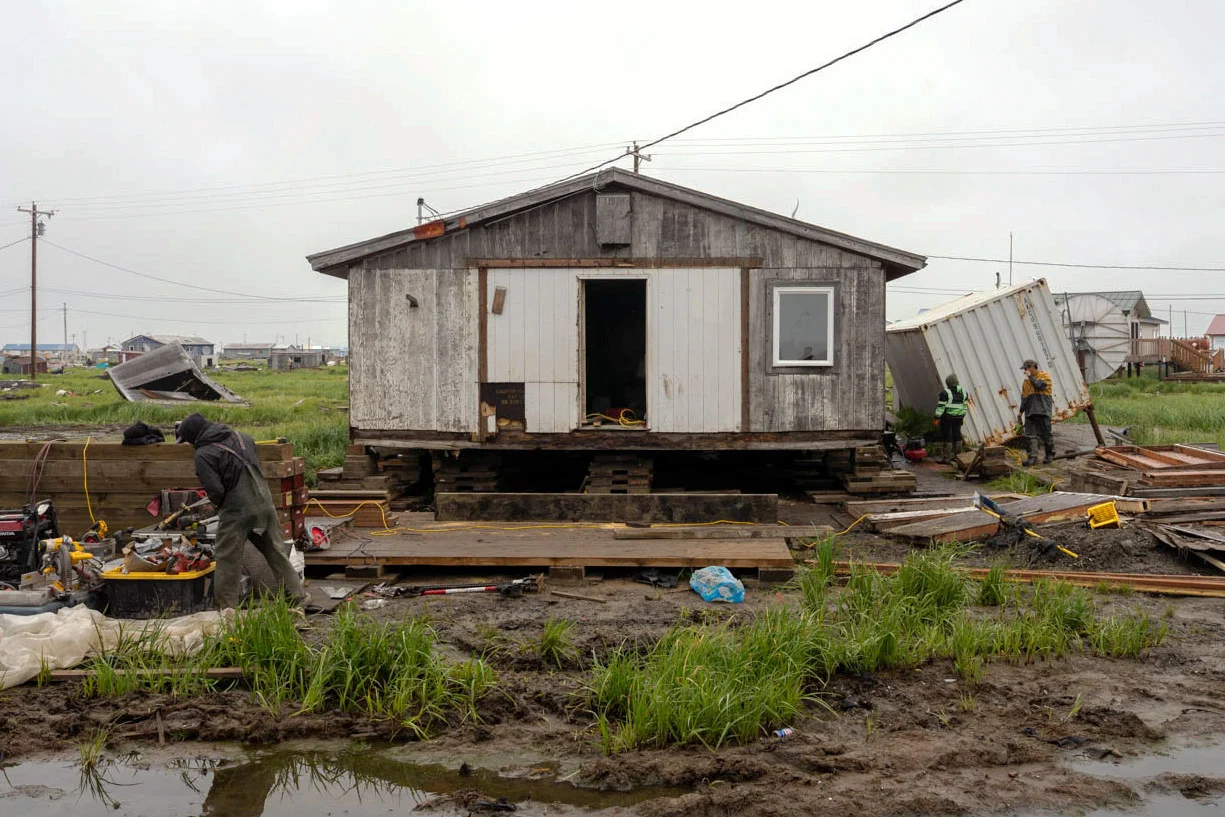
2025年10月台风残余“海龙”袭击阿拉斯加海岸后,施工人员在基普努克各地对房屋和其他建筑进行施工。
Construction crews work on houses and other building throughout Kipnuk after ex-typhoon Halong hit Alaska's coast in October of 2025.
加比·海斯泰尔·萨尔加多/KYUK去年秋天,台风“海龙”的残余横扫了阿拉斯加西部公路网以外的许多阿拉斯加原住民村庄。这场风暴摧毁了基础设施,将房屋从地基上冲离,并导致1,000多人流离失所。一年之后,随着该州偏远地区缓慢的修复工作仍在继续,数百人依然流离失所。在受灾最严重的社区之一——小镇基普努克,人们仍不确定他们何时能搬回。“以最快速度工作”这个拥有不到200栋房屋的村庄坐落在开阔的苔原上,只能乘飞机稳定抵达。
Gabby Hiestand Salgado/KYUK Last fall the remnants of Typhoon Halong tore through numerous small Alaska Native villages off the road system in Western Alaska. The storm destroyed infrastructure, floated homes off their foundations, and displaced over a thousand people. A year later, hundreds remain displaced as the slow work of repair in a remote part of the state continues. And in one of the hardest hit communities – the small town of Kipnuk – people still aren't sure when they'll be moving back. 'Working as fast as we can' The village of under 200 homes is situated on the wide open tundra and only consistently accessible by plane.
根据阿拉斯加州紧急行动中心的数据,一年前,这里90%的住宅遭到台风“海龙”残余的破坏。数十栋房屋被冲离地基,其中一些房屋里还有家人滞留。目前,这个社区的大部分居民散落在了阿拉斯加各地——有些人离开了他们祖先生活了数千年的地区。
A year ago, 90% of the residences here were damaged by the remnants of Typhoon Halong, according to the State of Alaska's Emergency Operations Center. Dozens were swept off their foundations, some with families still inside The community is now largely scattered across Alaska – some outside the region their ancestors have lived in for thousands of years.
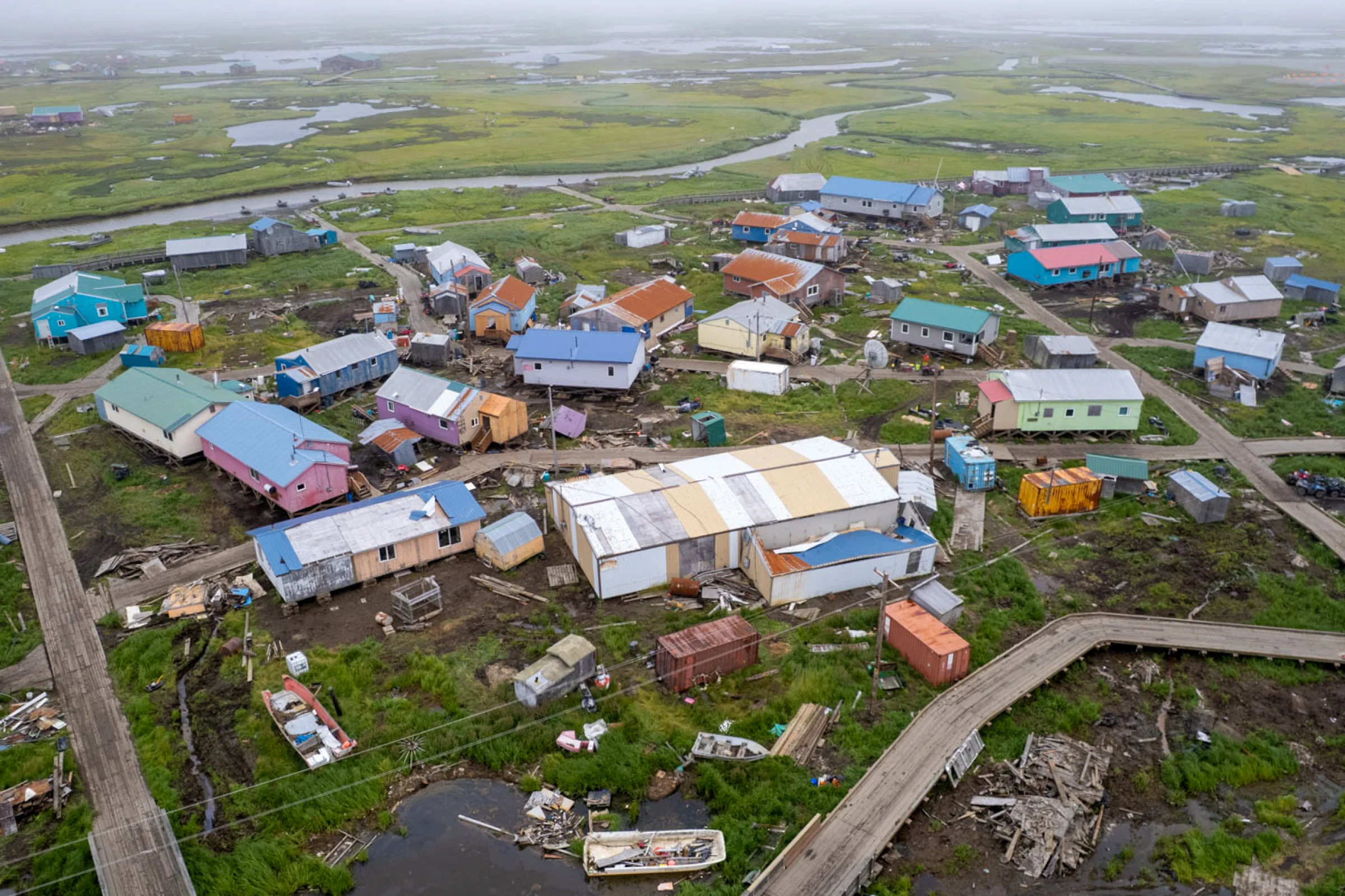
在2025年10月前台风“海龙”袭击阿拉斯加海岸10个月后的基普努克。在过去的一年里,施工人员一直在进行修复工作。
Kipnuk 10 months after ex-typhoon Halong hit Alaska's coast in October of 2025. Throughout the past year, crews have been working on repairs.
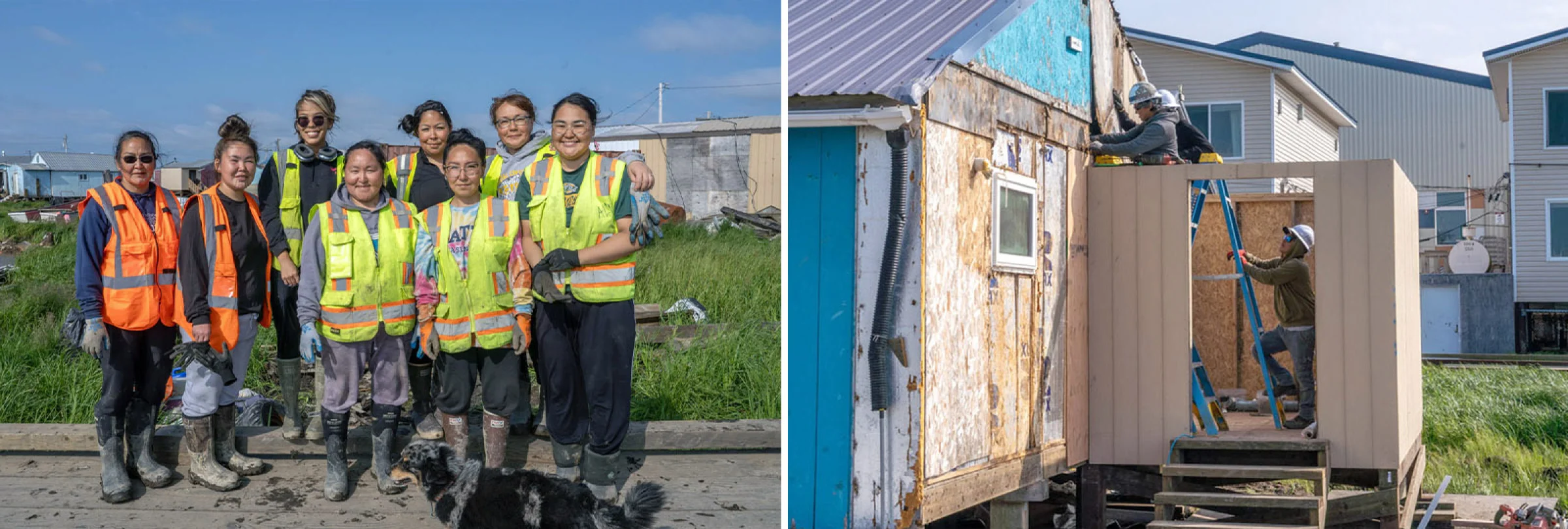
在8月的一个晴天,埃迪·楚克乌克的施工队尝试了一件听起来像魔术的事情:用空气压缩机将一栋建筑重新抬升回到地基上。楚克乌克是数十名长时间工作以重建他成长之地的工人之一。
On a clear day in August, Eddie Chuckwuk's construction crew attempted what sounded like magic: raising a building back onto its foundations using air compressors. Chuckwuk is one of several dozen people who have been working long days to rebuild the place where he grew up.
“我们正在以尽可能快的速度工作,让人们回到镇上,”楚克乌克说。“我只想看到这一点——让每个人都回来,享受他们成长的地方,而不是被安置到一个他们不习惯的……不同的地方。这挺不容易的。”在2025年10月前台风“海龙”袭击阿拉斯加海岸10个月后,工人们在基普努克周边的苔原上清理废墟,施工人员在房屋上作业。搬回面临挑战这项工作对于让基普努克的房屋恢复宜居状态至关重要,但该镇距离全面恢复还差得很远。
We're working as fast as possible as we can to get the people back in town," Chuckwuk says. "That's what I just want to see – for everybody to come back and enjoy where they grew up instead of being placed in a different place … where they're not used to. It's pretty hard." Workers helping clear debris from the tundra around Kipnuk and construction crews working on houses 10 months after ex-typhoon Halong hit Alaska's coast in October of 2025. Challenges remain in moving back This work is critical to getting Kipnuk's homes in shape to live in again, but the town is far from being fully restored.
据该州称,基普努克的大多数人没有房屋或洪水保险。他们估计,联邦紧急事务管理局的资金将使大多数房屋在感恩节前达到宜居状态——这意味着更换受潮的绝缘材料,并修复门窗和屋顶。但这些资金不足以将一些严重受损的房屋恢复到风暴前的样子。该州目前正在呼吁提供额外资金来建造替代住房。学校何时重新开放也没有具体时间表。
According to the state, most people in Kipnuk didn't have home or flood insurance. They estimate that funds from the Federal Emergency Management Agency will make most of the homes livable by Thanksgiving – meaning replacing wet insulation and repairing windows, doors and roofs. But the funds won't be enough to return some severely damaged homes to how they were before the storm. The state is currently appealing for additional funding to build replacement housing. There's also no estimate on when the school will reopen.
一直担任厨师为施工队做饭的利昂娜·保罗表示,即使房屋适宜居住,一些人也因风暴受到过度创伤而无法返回。
Leona Paul, who has been working as a cook to feed the construction teams, says even if the houses are habitable, some people were too traumatized by the storm to return.
“我认为这让他们难以承受,”她说,“尤其是老年人。”而气候变化正使基普努克这样的小镇更容易受到未来风暴的袭击。镇上的大多数人都希望在更安全的地方重建村庄,但他们迄今从联邦紧急事务管理局获得的资金只能用于恢复受损设施。基普努克尚未找到搬迁的资金。
"I think it's too overwhelming for them," she says, "especially the older people." And climate change is making towns like Kipnuk more vulnerable to future storms Most people in town want to rebuild the village somewhere safer but the funding they have received so far from FEMA can only go towards restoring what was damaged Kipnuk hasn't yet found the money to move.
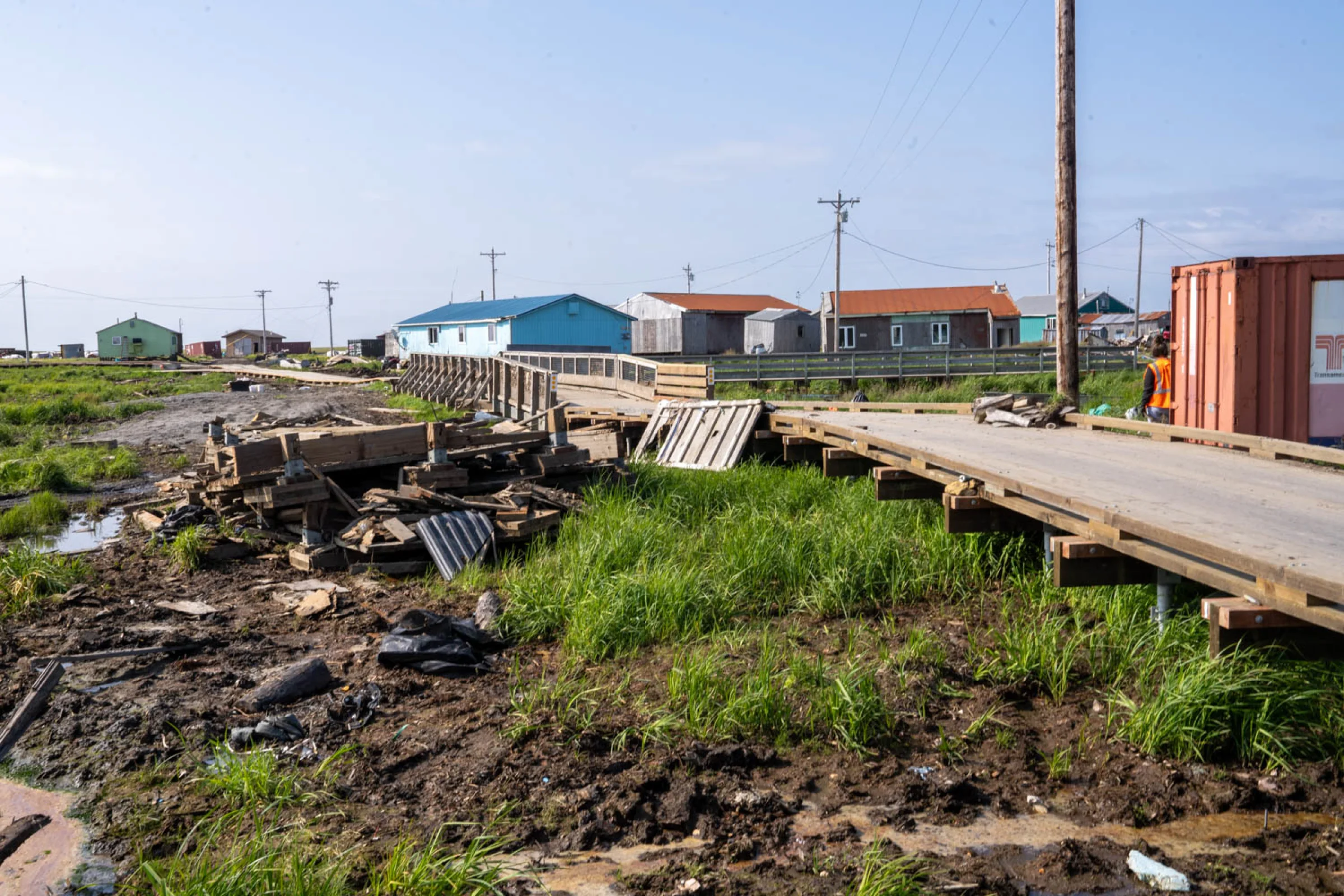
8月时,2025年10月风暴造成的破坏在基普努克仍然清晰可见。远离家园代价沉重目前,居民除了搬回来之外可能没有更好的选择。许多人表示,在较大的城镇或安克雷奇这样的城市生活很艰难。人们说尤格通语(当地原住民语言)的机会变少了。他们距离亲人更远了。他们的孩子习惯了在整个镇上玩耍,现在却不得不防范汽车。
In August, damage from the October 2025 storm was still visible in Kipnuk. Living away from home takes a toll Right now residents may not have a better option other than moving back. Many say living in bigger towns, or cities like Anchorage, has been tough. People aren't speaking as much Yugtun – the native language. They're farther from loved ones. Their kids, who are used to playing all over town, have to watch out for cars.
夏天曾在基普努克度过一部分时间的利昂娜·保罗说,她喜欢待在那里。“你可以自由做任何你想做的事,”她说。“在城市里,你就是无法随心所欲。”流离失所也意味着无法进行在土地上狩猎和采集传统食物的阿拉斯加原住民文化习俗。
Leona Paul, who spent part of the summer in Kipnuk, says she likes being there "You're free to do anything you want," she says. "In a city you just can't do whatever you want." Being displaced from the village has also meant separation from the Alaska Native cultural practices of hunting and gathering traditional food on the land.
一些居民,如伯特·保罗的家人,在夏天回到了家乡,以实践自给自足的生活并团聚在一起。
Some residents, like Burt Paul's family, traveled home for the summer to practice subsistence and be together.
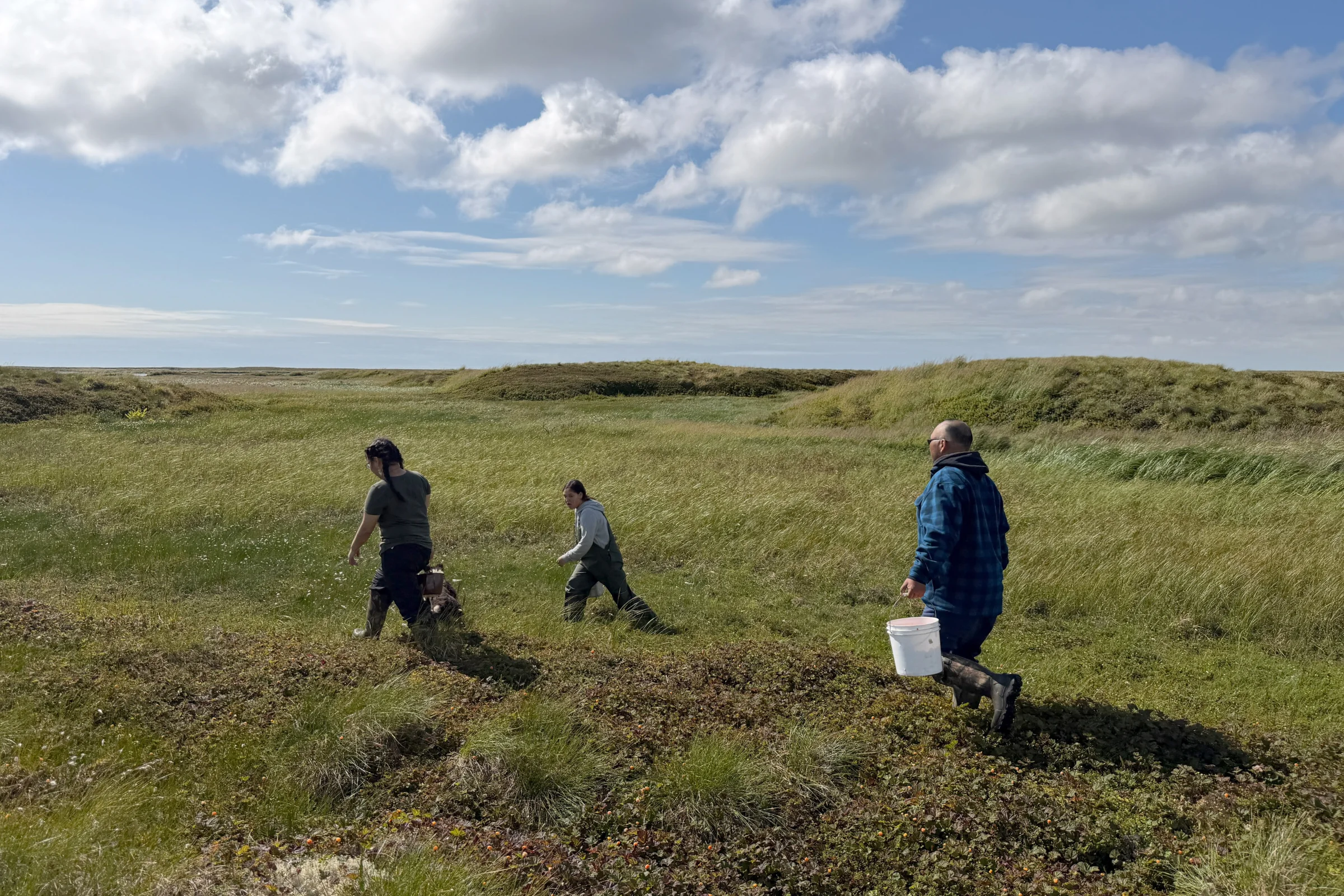
在基普努克上游郁郁葱葱的苔原峭壁上,他的家人用桶装满了甜美的橙色鲑鱼莓,在沿海尤格通语中称为纳恩拉克。他说,在去年秋天的破坏之后——他不知道自己什么时候能再次看到这些本土植物生长。
Upriver from Kipnuk on a lush tundra bluff, his family filled buckets with sweet, orange salmonberries, or naunraqs as they are called in coastal Yugtun. He says after last fall's destruction – he didn't know when he'd see these native plants growing again.
“看到食物在生长、草在生长、鱼在洄游,这让我感到震撼,”他说。
"It beats my mind that I see food growing, grass growing, fish coming in," he says.
伯特·保罗的家人在夏天回到了家乡,以实践自给自足的生活并团聚在一起。2026年8月12日,他们在基普努克上游采摘浆果。
Burt Paul's family traveled home for the summer to practice subsistence and be together. On August 12, 2026, they went berry-picking upriver from Kipnuk.
萨曼莎·沃森/KYUK保罗的家人在风暴后撤离了,但他留在了基普努克,在灾后余波中担任社区领头人。通常情况下,他的家人会去露营和采摘浆果数天。今年夏天,他们的行程缩短了——仅限于大家都在镇上的时间。尽管这些行程可能很短,但他说这很重要:“无论我们经历什么情况,我们都必须以某种方式、某种途径让事情继续下去,”他说。他并不确定他的家人——或者他的村庄——何时能再次完全团聚。
Samantha Watson/KYUK Paul's family evacuated after the storm, but he stayed behind in Kipnuk, acting as a community leader through the aftermath. Usually, his family goes camping and berry picking for days. This summer, their trips were shorter – confined to when everyone was in town. Short as those trips may have been, he says they were important: We have to keep things going some way, somehow, no matter what situation we go through," he says. He's not sure when his family – or his village – will all be back together again.