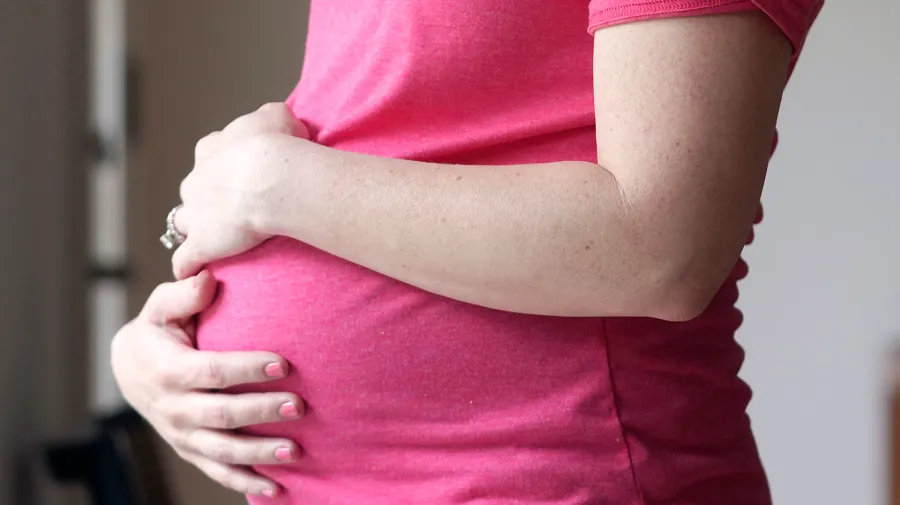
一项近期发表的研究发现,孕期某些孕妇健康状况与不同种族和族裔群体的自闭症诊断之间存在关联,这凸显了在特朗普政府寻找自闭症病因之际,仍有多少未知领域。纽约大学格罗斯曼医学院和凯撒医学院的研究人员本月早些时候发表了一项研究,纳入了2010年至2017年间在凯撒北加利福尼亚医院出生的224,353名儿童。
A recently published found associations between certain maternal health conditions during pregnancy and autism diagnoses across racial and ethnic groups, underscoring how much remains unknown as the Trump administration searches for a cause of autism. Researchers from the New York University Grossman School of Medicine and the Kaiser Permanente School of Medicine published a study earlier this month that included 224 ,353 children born at Kaiser Permanente Northern California hospitals between 2010 and 2017.
在超过20万名儿童中,2.4%被诊断患有自闭症——这一比例与疾病控制与预防中心(CDC)报告的3.2%患病率相差不大。在不同种族和族裔群体中,自闭症患病率普遍徘徊在2%至3%左右。但其他发现引人注目:在25种孕妇健康状况中,有四种——肥胖、抑郁发作、哮喘以及其他妊娠并发症——与白人母亲所生孩子的自闭症诊断关联性较高,而非黑人、西班牙裔或亚裔和太平洋岛民母亲。
Out of the more than 200,000 children, 2.4 percent were diagnosed with autism — not too far off from the 3.2 percentage rate reported by the Centers for Disease Control and Prevention (CDC). Across different racial and ethnic groups, autism rates generally hovered around 2 and 3 percent. But other findings stood out: Four out of 25 maternal health conditions — obesity, depressive episode, asthma and other maternal diseases complicating pregnancy — had a higher association with autism diagnoses when it came to white mothers than mothers who were Black, Hispanic or Asian and Pacific Islander.
格罗斯曼医学院儿童与青少年精神病学系副教授、该研究合著者Magdalena Janecka表示,该研究凸显了进一步考察环境因素的必要性。Janecka在给《国会山报》的书面回复中说:“我认为这项研究凸显了某些环境因素与自闭症(及其他疾病)之间的联系,很可能因不同人群而异:不是因为基本生物学机制不同,而是因为这些环境因素所包含的内容在不同个体间可能有所差异。”
Magdalena Janecka, associate professor at the Grossman School of Medicine's department of child and adolescent psychiatry and co-author of the study, said the research highlighted the need to further examine environmental factors. "I think this study highlights that the link between certain environmental factors and autism (and other conditions) is likely to be heterogeneous across different population groups: not because the fundamental biology differs, but because what these environmental factors entail may differ among different individuals," Janecka said in written responses to The Hill.
她强调,这些发现“绝对不”表明“这些孕妇状况导致自闭症”。“相反,这可能表明与这些孕妇状况相关的某些因素(例如遗传因素)也与自闭症有关。”
She emphasized that these findings are "definitely not" indicative that "these maternal conditions cause autism." "Instead, it may indicate that some factors related to this maternal condition (e.g., genetic factors) are also implicated in autism.
“我们仍需要做更多研究,以了解究竟是什么驱动了这些效应,”她补充道。这一结论不太可能让特朗普政府满意,因为一些人已致力于寻找自闭症的病因。卫生与公众服务部(HHS)部长小罗伯特·F·肯尼迪于2025年4月表示,政府将在当年9月前确定自闭症发病率上升的原因。截止日期到来时,他和特朗普总统在椭圆形办公室推测,孕期服用常见非处方止痛药对乙酰氨基酚可能与自闭症有关,但并未提出新证据。
We still need to do more research to understand what exactly drives these effects," she added. That conclusion is unlikely to satisfy the Trump administration, as some have set out on a mission to find the cause of autism. Health and Human Services (HHS) Secretary Robert F. Kennedy Jr. in April 2025 said the administration would determine the cause of rising autism rates by September of that year. When the deadline came around, he and President Trump speculated from the Oval Office that the common over-the-counter pain reliever acetaminophen taken during pregnancy could be linked to autism, without presenting new evidence.
这一说法遭到母胎医学团体和自闭症倡导者的一致谴责。一个月后,肯尼迪在一定程度上收回了这一说法,称“没有足够证据表明它肯定导致了自闭症,但非常有暗示性。”肯尼迪长期以来也拒绝排除疫苗接种可能与自闭症有关的理论,尽管未发现免疫接种与后来确诊之间存在关联的证据。美国疾病控制与预防中心(CDC)今年早些时候发布的一份页面声称,“支持存在关联的研究被卫生当局忽视了。”
This claim was denounced by maternal medicine groups and autism advocates alike. A month later, Kennedy walked back this claim somewhat, saying there "is not sufficient to say it definitely caused autism, but it is very suggestive." Kennedy has also long refused to discount the theory that vaccinations could be linked to autism, despite no evidence being found linking immunizations to later diagnoses. A CDC page published earlier this year claims "studies supporting a link have been ignored by health authorities."
非营利组织“自闭症之声”等团体的总体立场是,自闭症谱系障碍是遗传和环境因素共同作用的结果。简内卡认同这一立场。“我们的研究既不支持也不反驳这一点,”简内卡说。“我们不知道究竟是什么驱动了我们报告的观察结果,因此很难将其归因于遗传或非遗传因素。”在讨论研究结果时,研究人员承认,医疗获取差异、保险连续性、临床随访和治疗模式的不同可能影响了他们的观察结果。
The overarching position of groups like the nonprofit Autism Speaks is that autism spectrum disorder develops as a result of both genetic and environmental influences. This is a position that Janecka shares. "Our study neither supports nor challenges this," said Janecka. "We don’t know what exactly drove the observations we reported, and so it is difficult to attribute them to either genetic or non-genetic factors." In discussing their findings, researchers acknowledged that differences in access to care, insurance continuity, clinical follow-up and treatment patterns could have affected what they observed.
简内卡合著、发表于去年的一篇评论文章指出,儿童神经精神疾病潜在病因的差异“常被忽视”,社会决定因素常被排除在分析之外。
An opinion piece published last year, co-authored by Janecka, argued differences in potential causes of childhood neuropsychiatric outcomes are "often overlooked," with social determinants often filtered out of analyses.
“由于种族/族裔主要是一种社会建构——与结构性不平等、种族主义和环境不公的经历相关——且与遗传血统的吻合度很低,我们强调,不同种族/族裔之间在暴露-结果关联上的差异主要源于社会原因,而非生物原因,”作者写道。
"As race/ethnicity is primarily a social construct—associated with experiences of structural inequities, racism, and environmental injustice—that aligns poorly with genetic ancestry, we emphasize that the differences in the exposure–outcome associations across race/ethnic strata would arise largely because of societal, rather than biological, causes," the authors wrote.
本月发表的这项研究考虑到了某些群体既往诊断不足的情况,例如黑人母亲的孩子即使在测试中自闭症相关特征得分很高,获得诊断的可能性也较低。专家表示,自闭症在不同种族和族裔中的发生率并无差异。
The study published this month took into account the history of underdiagnosis among certain groups, like the children of Black mothers being less likely to receive a diagnosis even when scoring high for autism-related traits in testing. According to experts, autism does not occur at different rates across different races and ethnicities.
“我们没有证据表明自闭症诊断在不同种族/族裔之间存在任何差异,”自闭症之声首席科学官安迪·施说。“我们确实看到……例如白人与亚裔、非裔美国人和西语裔儿童之间在诊断方面存在种族、族裔差异,”施补充道。”但你知道,这些差距正在缩小。所以,我认为我们掌握的最新报告——实际上显示,至少在全国层面,我们已经缩小了部分基于族裔的评估方面的差距。”
"We don't have any evidence that shows that there's any difference across race ethnicity in terms of autism diagnosis," said Andy Shih, chief science officer of Autism Speaks. "We do see ... racial, ethnic differences in terms of diagnosis between white kids and Asian kids and African American kids, Hispanic kids for example," Shih added. "But you know those gaps have been closing. So, I think the latest report that we have — it actually shows that at least at national level that we have closed the gap in terms of some ethnicity-based assessment."
施希望这项研究的发现能让人们更加关注“为孕妇提供最佳医疗可及性”的必要性。雅内茨卡补充说:“我希望我们的研究能够凸显的是,我们需要更多像我们这样的研究,按母亲种族/族裔对观察到的效应进行分层,并考虑以其他方式对总人口进行分层,例如基于保险状况。我认为,与其将某些差异从模型中回归掉,不如努力更好地理解它们。”《国会山报》已联系美国卫生与公众服务部寻求置评。
Shih hopes that the findings from the study bring more attention to the need for "the best healthcare access for expectant mothers." Janecka added, "What I would hope our study highlights is the need for more studies like ours stratifying the observed effects by maternal race/ethnicity, as well as considering other ways to stratify the total population: based on e.g., insurance status. I think rather than regress some differences out of our models, we should strive to better understand them." The Hill has reached out to HHS for comment.