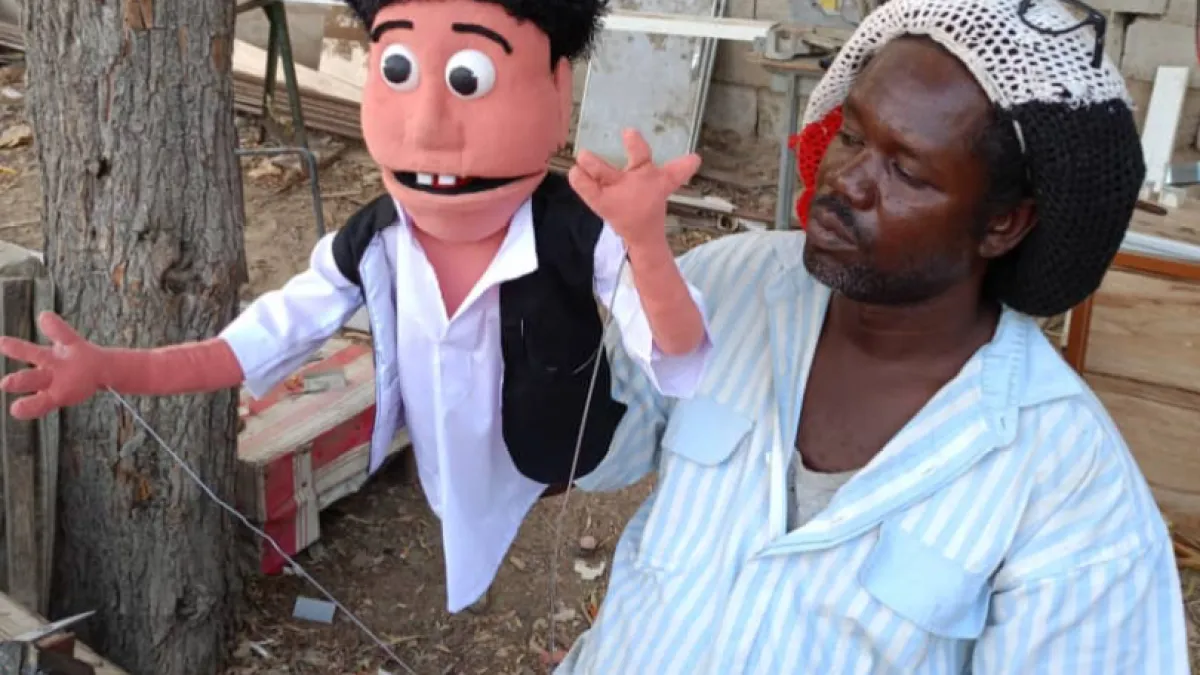
视觉艺术家兼戏剧导演阿瓦德·哈伦(Awad Haroun),45岁,在战争摧毁了他在首都辛苦建立的生活后,被迫逃离位于喀土穆北部哈勒法耶(Al-Halfaya)的家园。
Awad Haroun, 45, a visual artist and theatre director, fled his home in Al-Halfaya, Khartoum North, after war destroyed a life he had worked hard to build in the capital.
2023年4月,苏丹武装部队(SAF)与快速支援部队(RSF)准军事组织爆发冲突后不久,他便携妻儿前往苏丹港,留下了家园、艺术工作室以及赖以工作的工具。
He moved to Port Sudan with his wife and son, leaving behind his home, artistic workspace and the tools he needed to work, shortly after fighting erupted between the Sudanese Armed Forces (SAF) and Rapid Support Forces (RSF) paramilitary in April 2023.
逃离时,他仅带走少量物品:两件衬衫、两条裤子、两本书和几张破损的绘画纸,原本指望很快就能返回。然而,他不得不在远离家乡的地方重建生活。他不仅失去了家园,还失去了赖以工作和谋生的工具与材料。
When he fled, he carried little: Two shirts, two pairs of trousers, two books and a few torn drawing papers, expecting to return soon. Instead, he has been forced to rebuild his life far from home. He lost not only his home but also the tools and materials he relied on to work and make a living.
在苏丹港,他试图利用自己在雕塑、设计和装饰方面的技能谋生。此后,他参与了由阿哈利纳文化团体(Ahalina Cultural Group)与联合国教科文组织(UNESCO)合作举办的瓦塞尔艺术节(Wasel Festival)戏剧演出,并与文化团体共同主持传统艺术工作坊。
In Port Sudan, he looked to use his skills in sculpture, design and decoration for some money. He has since participated in theatrical performances at Wasel Festival, organised by Ahalina Cultural Group in partnership with UNESCO, and led traditional arts workshops with cultural groups.
阿瓦德于2013年与一群青年共同创立了阿哈利纳文化团体,运用戏剧、视觉艺术、音乐和木偶戏与青年群体互动,推动和平与社会凝聚力。
Awad founded Ahalina cultural group in 2013 with a group of young people, using theatre, visual arts, music and puppetry to engage with young people and promote peace and social cohesion.
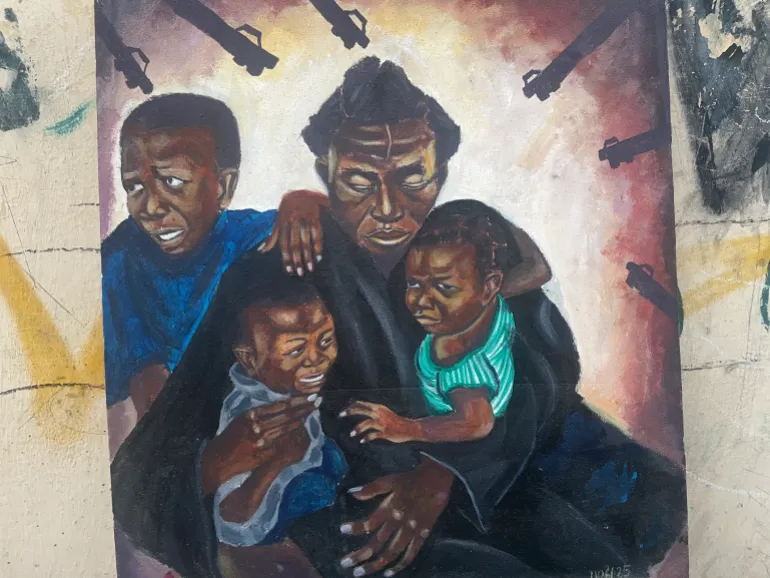
受苏丹武装部队与快速支援部队战争启发的绘画作品 [法蒂玛·伊达姆/半岛电视台] 绘画、讲故事、音乐和游戏也让孩子们获得了表达自我、与他人建立联系的机会。
Paintings inspired by the war in Sudan between the SAF and RSF [Fatime Edam/Al Jazeera] Drawing, storytelling, music and play have also given children opportunities to express themselves and connect with others.
“失去工具不代表我失去了技能,失去工作室不代表我失去了创作能力,”阿瓦德对半岛电视台表示。
“Losing my tools does not mean I have lost my skills, and losing my workspace does not mean I have lost my ability to create,” Awad told Al Jazeera.
阿瓦德和其他流离失所的艺术家在苏丹港一所旧学校找到了庇护所,他们帮忙清理并整修了这栋建筑,以安置被迫逃离家园的家庭。
Awad and other displaced artists found shelter at an old school in Port Sudan, where they helped clean and prepare the building for families forced from their homes.
“如今,面临被驱逐的可能性,我们对下一步该去向感到迷茫,”他说。
“Now, concerns about the possibility of eviction have left us uncertain about where we will go next,” he said.
虽然艺术无法弥补失去的家园,也无法结束战争,但阿瓦德相信,它能够保存记忆、凝聚社区,并为孩子们提供玩耍和表达自我的空间。
While art cannot replace a lost home or end the war, Awad believes it can preserve memories, bring communities together and offer children space to play and express themselves.
“从灰烬中,我们将崛起”是阿哈利纳文化团体的座右铭。对阿瓦德而言,这不仅仅是一句口号,更是提醒自己尽管战争夺走了一切,仍要坚持创作。
“From the ashes, we will rise” is the motto of Ahalina cultural group. This is more than a slogan for Awad; it is a reminder to keep creating, despite everything the war has taken from him.
战争对苏丹的文化生活造成了沉重打击,破坏了遗产遗址,并扰乱了全国艺术家的生计。
The war has taken a heavy toll on Sudan’s cultural life, damaging heritage sites and disrupting the livelihoods of artists across the country.
2026年6月,联合国教科文组织估计,苏丹文化部门面临3000万美元的资金缺口。但在这一数字背后,是深刻的个人损失:艺术家在战争中丧生,或被迫抛弃工作室、画廊、艺术品以及创作所需的工具。
In June 2026, UNESCO estimated that Sudan’s cultural sector faced a $30m funding gap. But behind this figure are deeply personal losses: Artists killed by the war or forced to leave behind studios, galleries, artworks and the tools they need to create.
2024年4月,联合国教科文组织报告称,苏丹港的艺术家和作家工会为112多名流离失所的艺术家和其他文化专业人士提供了庇护。
In April 2024, UNESCO reported that the Artists and Writers Union in Port Sudan had provided shelter to more than 112 displaced artists and other cultural professionals.
挑战依然严峻,但文化倡议仍在持续。2026年4月,联合国教科文组织表示,其在苏丹港的倡议已惠及350多名艺术家、妇女、女童和境内流离失所的文化专业人士,支持在冲突中维系苏丹文化生活的努力。
The challenges remain significant, but cultural initiatives have continued. In April 2026, UNESCO said its initiatives in Port Sudan had benefitted more than 350 artists, women, girls and internally displaced cultural professionals, supporting efforts to sustain Sudan’s cultural life amid the conflict.
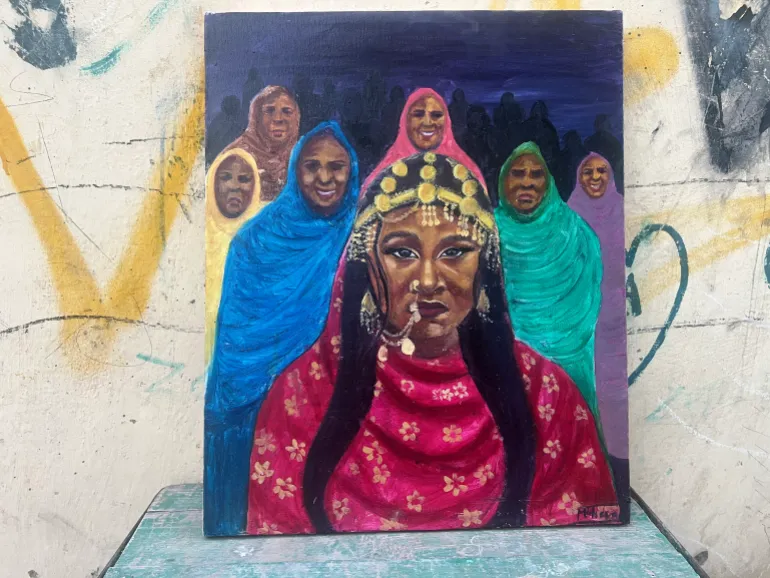
苏丹流离失所者的绘画作品 [法蒂梅·埃达姆/半岛电视台] 音乐家兼电影制作人阿西姆·阿卜杜勒阿齐兹,31岁,因战事升级和反复的无人机袭击,离开了北科尔多凡州首府埃尔奥贝德。他于2023年11月抵达苏丹港,希望能找到安全和工作。
Paintings from the displaced in Sudan [Fatime Edam/Al Jazeera] Asim Abdelaziz, 31, a musician and filmmaker, left El Obeid, the capital of North Kordofan state, amid escalating fighting and repeated drone attacks. He arrived in Port Sudan in November 2023, hoping to find safety and work.
与分散在恩图曼和埃尔奥贝德的家人分离后,阿西姆独自生活在一所流离失所艺术家收容所里。战争连根拔起了他的生活,打断了他的事业,但他仍继续用音乐保存苏丹的文化遗产,凝聚社区。
Separated from his family, who are scattered between Omdurman and El Obeid, Asim lives alone in a shelter for displaced artists. The war has uprooted his life and disrupted his career, but he continues to use music to preserve Sudan’s cultural heritage and bring communities together.
在苏丹港,他与当地的艺术家和作家联盟、联合国教科文组织以及社区组织合作。他还与文化和新闻部及其他艺术家在音乐项目上合作,以解决仇恨言论和种族主义等社会问题。
In Port Sudan, he has worked with the local Artists and Writers Union, UNESCO and community organisations. He has also collaborated with the Ministry of Culture and Information and other artists on music programmes to address social issues, including hate speech and racism.
阿西姆表示,战争助长了仇恨言论,加深了苏丹不同社区之间的分歧。他认为艺术可以通过促进多样性、相互接纳和和平共处来弥合这些分歧。
Asim said the war has spurred hate speech and deepened divisions between Sudan’s different communities. He believes art can counter these differences by promoting diversity, mutual acceptance and peaceful coexistence.
“我亲眼目睹了仇恨言论如何影响人们的生活,”阿西姆告诉半岛电视台。“通过音乐,我试图提醒苏丹人民,我们都是兄弟姐妹,战争不代表我们是谁。”一年前他创立的“莫哈拉亚”项目,旨在记录和存档全国各地的传统音乐和节奏,是实现这一目标的途径之一。
“I have seen firsthand how hate speech affects people’s lives,” Asim told Al Jazeera. “Through music, I try to remind Sudanese people that we are all brothers and sisters, and that war does not represent who we are.”Mokhalaya, a project he founded to document and archive traditional music and rhythms from across the country a year ago, is one avenue for this.
“我希望将该项目带到国际音乐节,向海外观众展示苏丹丰富的音乐传统和文化多样性,”他说。
“I hope to take the project to international festivals, introducing audiences abroad to [showcase] Sudan’s rich musical traditions and cultural diversity,” he said.
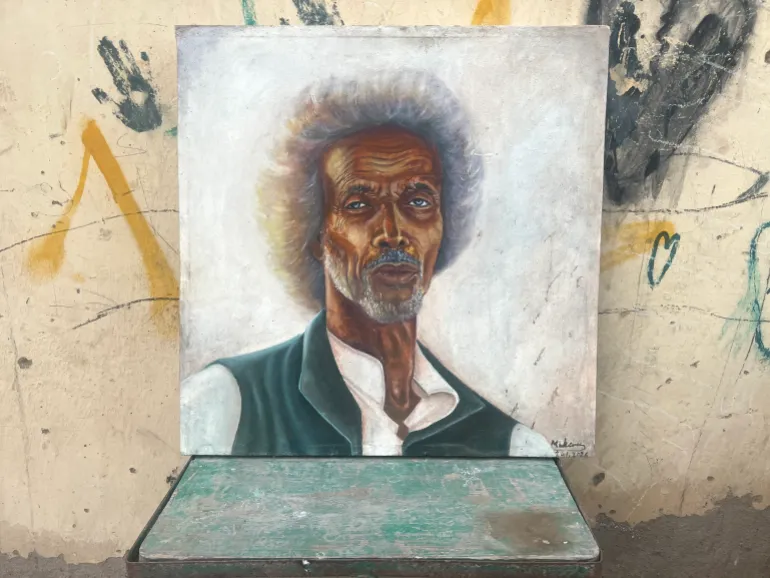
苏丹港一处流离失所艺术家收容所内的绘画作品,反映了苏丹东部和西部的文化多样性 [法蒂玛·伊达姆/半岛电视台] 他说,保护遗产不仅关乎守护过去,也关乎在一场导致社区流离失所、生活被打乱的战争中,让苏丹的文化认同得以延续。
Paintings at a shelter for displaced artists in Port Sudan reflect the cultural diversity of eastern and western Sudan [Fatime Edam/Al Jazeera] Preserving heritage is not just about safeguarding the past, but also about keeping Sudan’s cultural identity alive during a war that has displaced communities and disrupted lives, he said.
红海州作家和艺术家联盟秘书长阿卜杜勒卡德尔·哈希姆告诉半岛电视台,自2023年4月15日战争爆发以来,该联盟一直支持从苏丹其他地区逃离战火的艺术家及其家属。
Abdelqader Hashem, secretary of the Red Sea State Writers and Artists Union, told Al Jazeera the union has supported artists and their families who fled fighting in other parts of Sudan since the war began on April 15, 2023.
“我们致力于在苏丹港的一所学校建立流离失所艺术家收容所,并寻求当地和国际组织的支持,以满足他们的基本需求,”他说。
“We worked to establish a shelter for displaced artists in a school in Port Sudan and sought support from local and international organisations to provide for their basic needs,” he said.
除了提供庇护之外,工会还帮助流离失所的艺术家参与城市的文化活动,贡献于社区意识项目,针对诸如药物使用危险等在苏丹日益受到关注的重要社会议题。
Beyond providing shelter, the union has helped displaced artists take part in the city’s cultural activities, contributing to community awareness programmes that address important societal issues such as the dangers of drug use, a growing concern in Sudan.
哈希姆说:“我们还与联合国教科文组织合作开展项目,培训流离失所营地的儿童进行手工艺制作,包括混凝土工艺。”
“We have also implemented projects in partnership with UNESCO to train children in displacement camps in handicrafts, including concrete crafts,” Hashem said.
“随着苏丹军队重新夺回首都,绝大多数流离失所的艺术家已返回喀土穆的家园。”
“Most of the displaced artists have since returned to their homes in Khartoum following the Sudanese army’s recapture of the capital.”