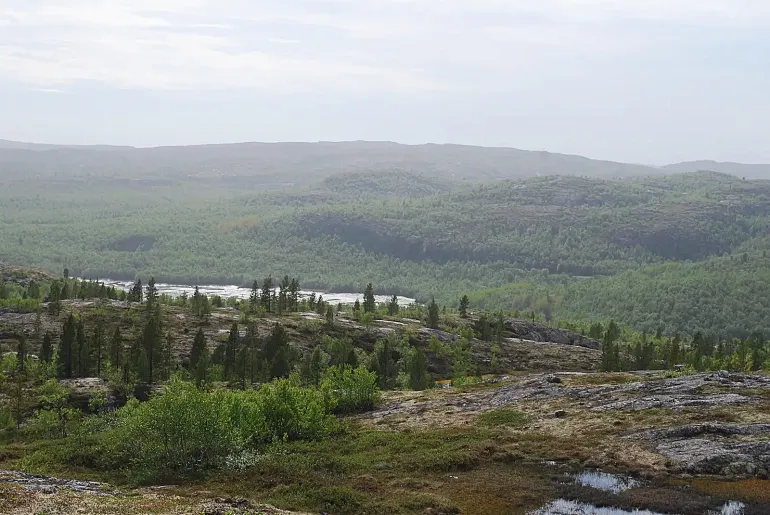
在挪威最北端的芬马克郡,沿着奈登峡湾的海岸,尼尔斯·博伊内*眺望着水面。地平线上,奈登河在崎岖的斯科格勒岛周围分流,但水面之下潜藏着渔民的丰收:数百只帝王蟹。
Along the shores of the Neiden Fjord, in Norway’s northernmost county Finnmark, Nils Boine* gazes out across the water. On the horizon, the Neiden River splits around the craggy island of Skogerøya, but lurking beneath its surface is a fisherman’s bounty: hundreds of king crabs.
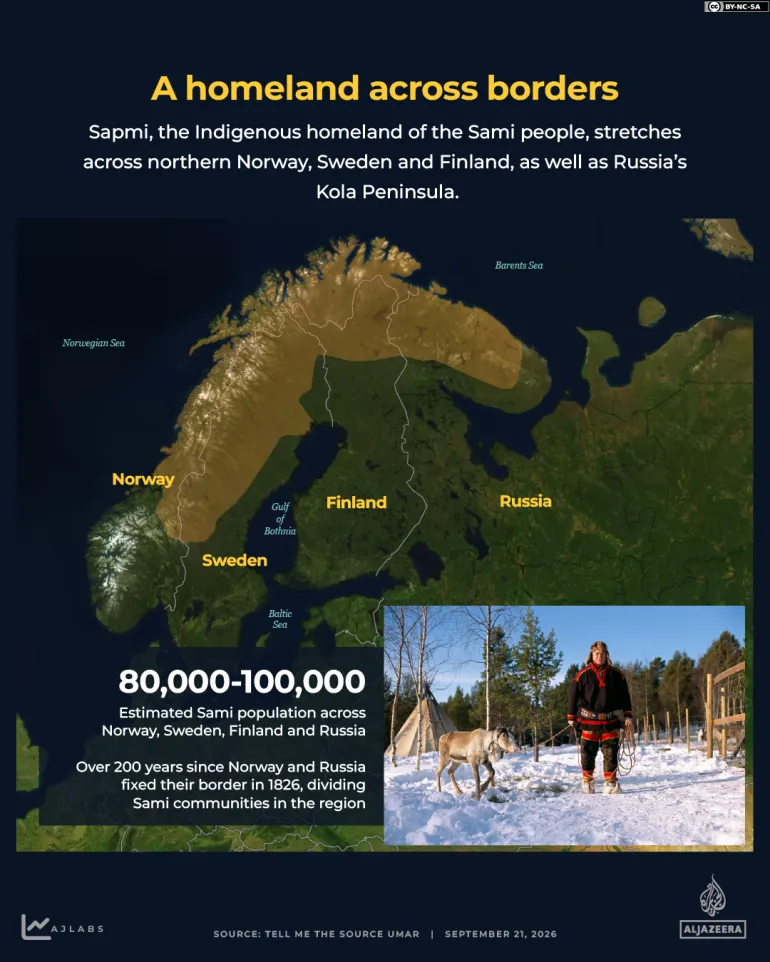
他的祖母是海岸萨米人,属于一个土著沿海民族,他们的家园萨普米横跨挪威北部、瑞典、芬兰以及俄罗斯重兵把守的科拉半岛。在芬马克的峡湾里,海岸萨米家庭世代以捕鱼为生。但这些水域不仅被洋流和鱼群分割。自1826年挪威与俄罗斯划定边界以来,该地区的萨米社区就被一条国界线一分为二。
His grandmother was Sea Sámi, from an Indigenous coastal people whose homeland, Sápmi, stretches across northern Norway, Sweden, Finland and Russia’s heavily militarised Kola Peninsula. In Finnmark’s fjords, Sea Sámi families have fished for generations. But these waters are dissected by more than currents and shoals. Since Norway and Russia fixed their border in 1826, Sámi communities in the region have been divided by a national boundary.
两百年后,这个北极社区由萨米人、挪威人、芬兰人、乌克兰人、俄罗斯人以及国际季节性工人共同组成。大多数萨米人口生活在挪威,约有2%居住在俄罗斯。
Two hundred years later, this Arctic community is a combination of Sámi, Norwegians, Finns, Ukrainians, Russians, and international seasonal workers. Most of the Sámi population lives in Norway, with roughly 2 percent residing in Russia.
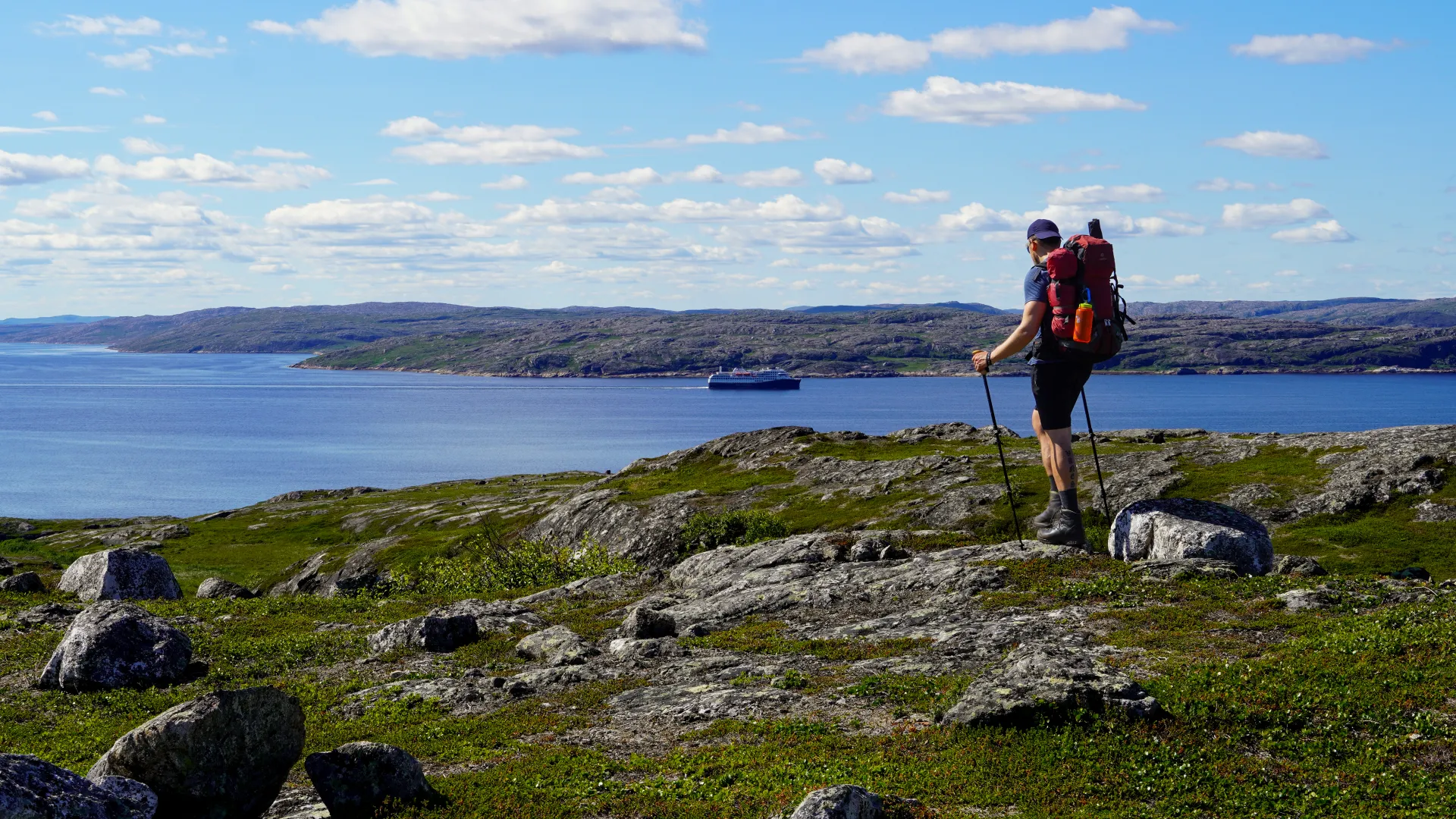
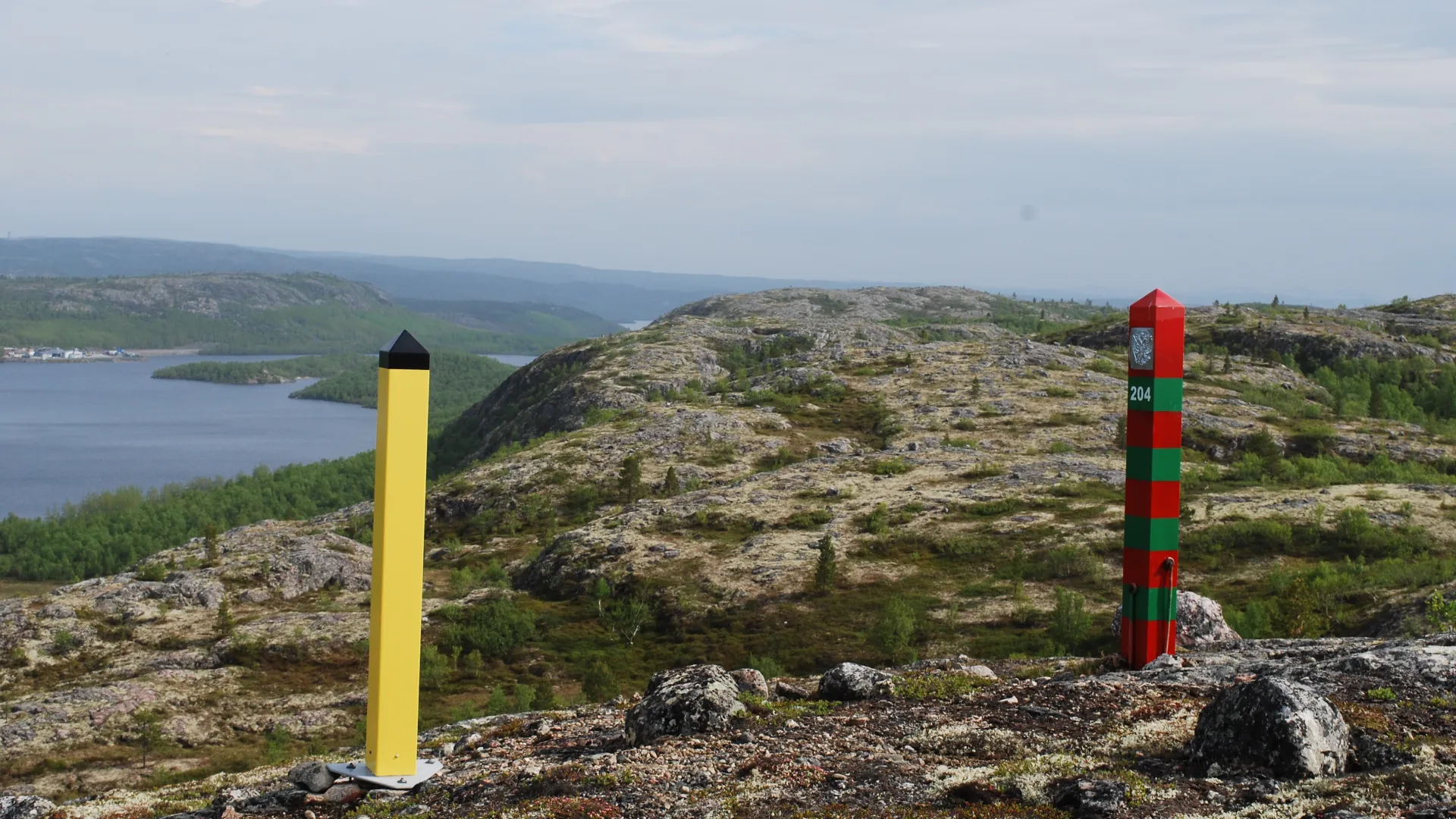
萨米人建立了一种跨境生活方式,并得到了灵活政策的支持,其中包括一项挪俄协议,允许居住在边境30公里(18.5英里)范围内的人员免签通行。
The Sámi have established a cross-border lifestyle, supported by flexible policies, including a Norwegian-Russian agreement allowing visa-free travel for those living within 30km (18.5 miles) of the border.
然而,自俄罗斯对乌克兰发动全面战争以来,安全管控开始收紧。西方视芬马克为北约暴露在北方的侧翼,因为它正对着俄罗斯重兵把守的科拉半岛。挪威边境城镇基尔克内斯陷入了与俄罗斯的间谍战,多名俄罗斯特工乔装成游客和渔民试图从事间谍活动,并被抓获。
Security, however, has begun to tighten since the onset of Russia's full-scale war on Ukraine. The West sees Finnmark as part of NATO’s exposed northern flank, as it is directly opposite Russia’s heavily armed Kola Peninsula. The Norwegian border town of Kirkenes has been caught in a spy war with Russia, with multiple Russian operatives having been caught posing as tourists and fishermen while trying to engage in espionage.
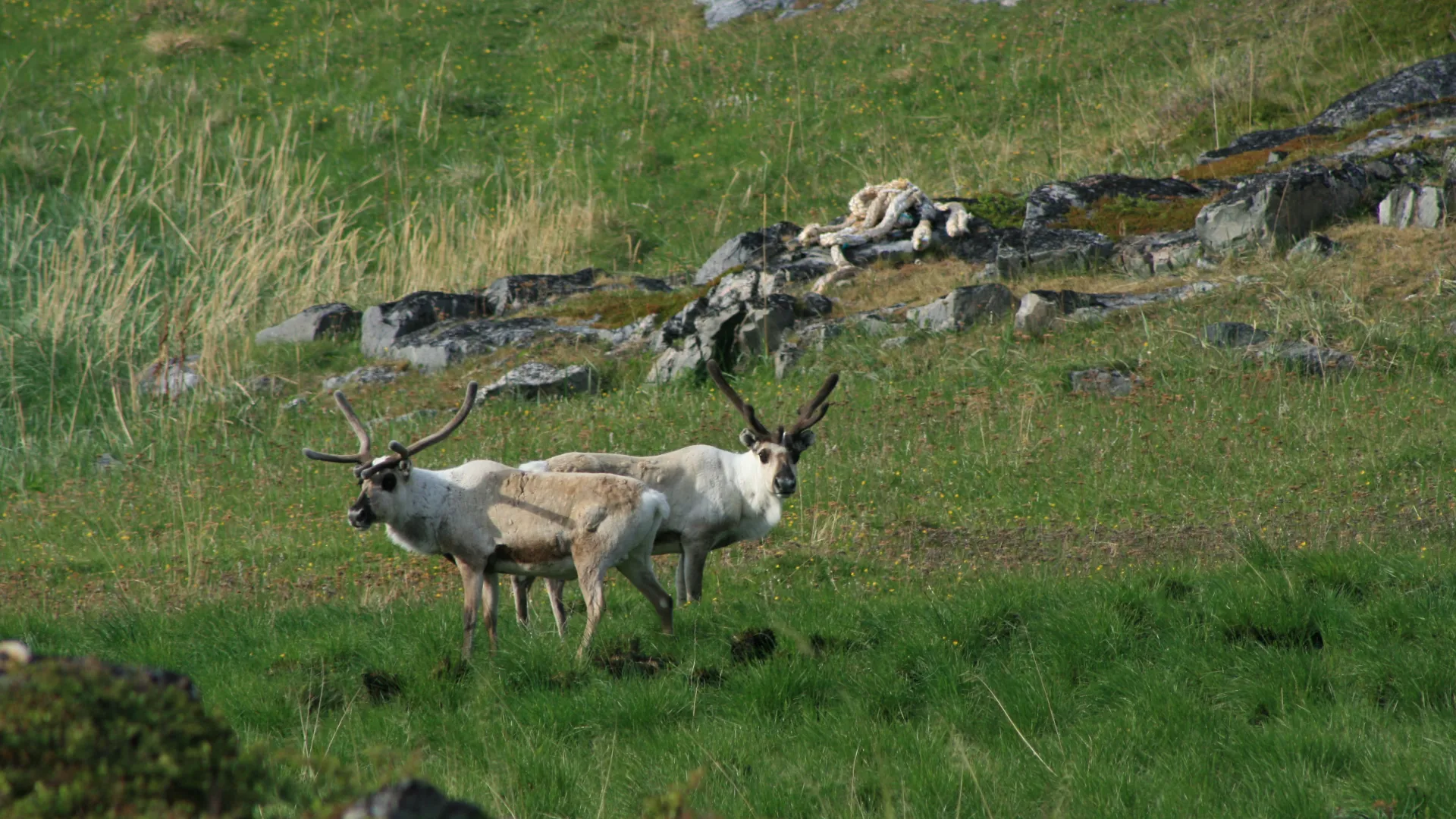
如今,边境繁文缛节成了日常现实,驯鹿放牧、语言复兴和狩猎传统越来越多地需要通过许可证和法规来应对,让更广泛的北极基础设施显得支离破碎。
Now, border bureaucracy is a daily reality, and reindeer herding, language revitalisation and hunting traditions are increasingly being navigated through permits and regulations, making the wider Arctic infrastructure feel fractured.
“我在俄罗斯有朋友,”博伊内说。“我们过去常去俄罗斯购物,周末也去那边。”自俄罗斯总统弗拉基米尔·普京于2022年2月全面入侵乌克兰以来,这些跨境往来已停止——部分是出于对乌克兰的声援,部分则是出于安全担忧。
“I have friends in Russia,” Boine says. “We used to go shopping in Russia, and go there for weekends.”Since Russian President Vladimir Putin's full-scale invasion of Ukraine in February 2022, those crossings have stopped — partly as a display of solidarity with Ukraine, and partly due to safety concerns.
“刚有个当地人在俄罗斯被捕,所以大家都不敢过境了,”博伊内解释道。“传闻说他车里装着违禁物品,但他被捕了,挪威外交部试图采取行动,当然这非常困难,因为我们在俄罗斯没有任何外交官。”他指的是据报6月发生的一起基尔克内斯商人被捕事件。律师约翰·克里斯蒂安·埃尔登向《世界报》(VG)表示,该男子因涉嫌“持有武器或弹药”被羁押了两个月。这一消息让一些基尔克内斯居民感到震惊,因为休闲狩猎在该地区很常见。他们担心不小心带着遗留在车里的狩猎弹药误入俄罗斯边境。
“A local person was just arrested in Russia, so people are afraid to cross the border,” Boine explains. “The rumours say that he had some illegal things in his car, but he was arrested, and the [Ministry of] Foreign Affairs in Norway tried to do something, but it’s very difficult, of course, because we don’t have any diplomats in Russia.”He is referring to the reported June arrest of a Kirkenes businessman. Lawyer John Christian Elden told the daily newspaper Verdens Gang (VG) that the man was in custody for two months under alleged “possession of weapons or ammunition". Some Kirkenes residents were left shaken by the news, as recreational hunting is common in the region. They fear accidentally crossing the Russian border with forgotten hunting ammunition that might be left in their cars.
到访挪威的俄罗斯游客人数也从2019年的25万骤降至去年的5.2万。
The number of Russian tourists visiting Norway has also declined from 250,000 in 2019 to 52,000 last year.
“以前我们有俄罗斯客人,现在没有了,”博伊内说。所幸他的家族经营旅游公司,80%的客源来自亚洲或芬兰。他们的生意受影响相对较小,但其他公司没这么幸运。
“Before, we had Russian guests, but not now,” Boine says. Fortunately for his family, who run a tourism company, 80 percent of customers come from Asia or Finland. Their business has emerged relatively unscathed, but other companies have not been as lucky.
“该地区的商店因失去俄罗斯游客而损失大量收入,”博伊内说。“有好几家店不得不关门。”在一个传统上相连几个世纪的地域里,社区的破碎化让人深感忧虑,无论是对区域经济还是萨米文化而言。跨境联系深植于当地人的心理之中。
“Shops in the area have lost a lot of income without Russian [tourists],” says Boine. “Several shops have had to close.”In a landscape traditionally connected for centuries, the fragmentation of communities is deeply concerning for both the regional economy and Sámi culture. Cross-border connections are deeply rooted in the regional psyche.
对博伊内来说,乌克兰战争让他与俄罗斯朋友的友谊按下了暂停键。
For Boine, the war in Ukraine has put his friendships with people in Russia on hold.
“他们怕做错事、写错字,”他低声说道。“你永远不知道,如果他们接触太密切会发生什么,”他说。“我想小心为上。”
“They are afraid to do something wrong or write something wrong,” he says quietly. “You never know what might happen if they have too close contact,” he says. “I want to be careful.”