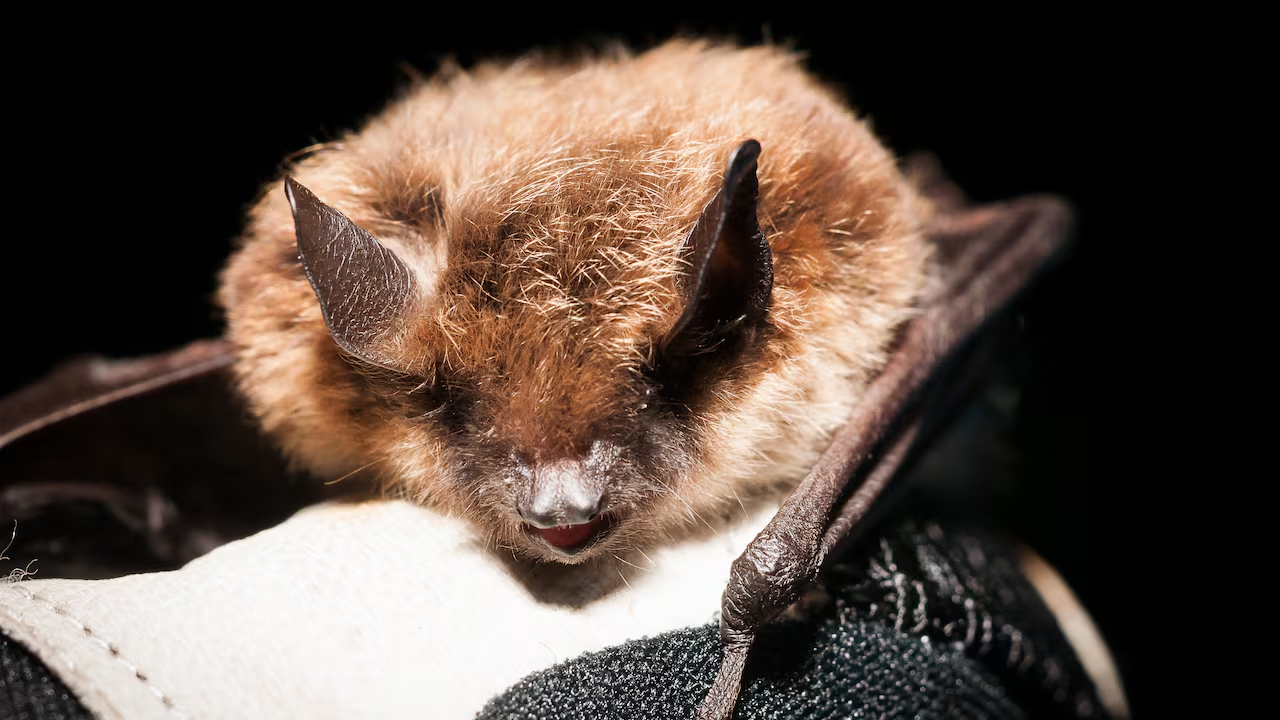
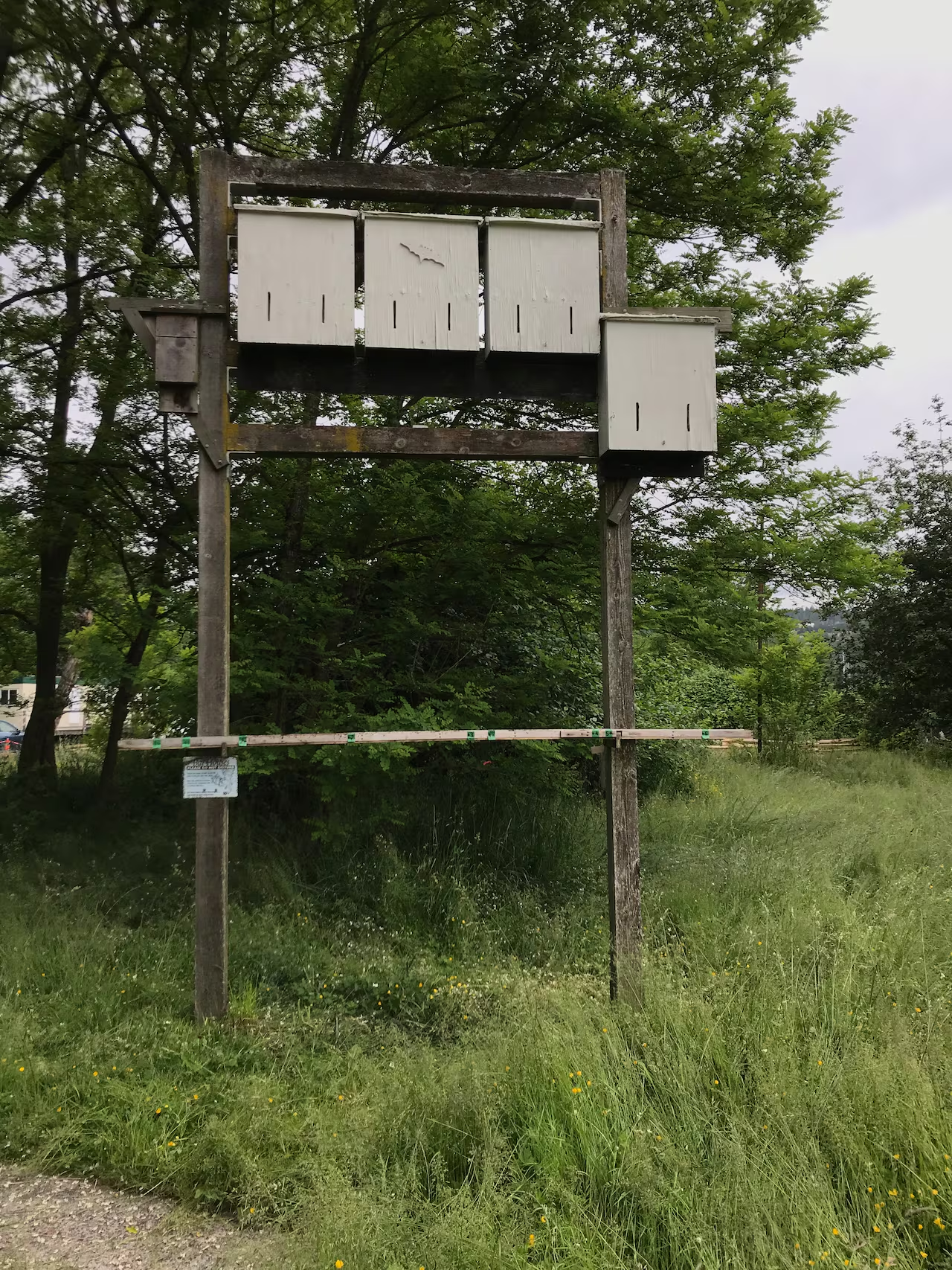
在温哥华郊外的高贵林港,位于ƛ̓éxətəm区域公园内,矗立着一组不同寻常的“住宅楼”:高耸的木质结构,带着狭窄的小孔。唯一的住户?大约800只雌性蝙蝠。
At ƛ̓éxətəm Regional Park in Port Coquitlam, just outside Vancouver, sits an unusual housing complex of tall wooden structures, with narrow little openings. The sole tenants? Roughly 800 female bats.
母亲、女儿和祖母们夏复一夏地回到这些蝙蝠箱产仔、抚育幼崽。十多年来,蝙蝠爱好者约翰·萨伦巴一直协助照料这群蝙蝠,维护这些旨在保护动物免受环境威胁的人工栖息地。
Mothers, daughters and grandmothers return to the bat boxes summer after summer to give birth and raise the young. For more than a decade, bat enthusiast John Saremba has helped care for the colony, maintaining the artificial roosts designed to shelter the animals from environmental threats.

“它们是极其温柔、美好的母亲,”萨伦巴告诉加拿大广播公司(CBC)主持人约翰娜·瓦格斯塔夫。“事实上,如果一只雌蝙蝠怀孕出现问题,其他蝙蝠会摩挲它的肚子。” 这种温情让他在2018年7月的发现更加令人心碎;他例行来到蝙蝠箱查看,却发现了65具蝙蝠尸体。
“They’re incredibly tender, wonderful mothers,” Saremba told CBC’s host, Johanna Wagstaffe. “In fact, if a female bat is having problems with pregnancy, the other bats will rub her tummy.”That show of tenderness made his discovery in July 2018 all the more heartbreaking; he arrived at the boxes for a routine check and found 65 dead bats.
“我们来到这里,我彻底崩溃了,”他说。“我真的不知道该怎么办。” 科学家表示,本意是保护蝙蝠的蝙蝠箱可能变成致命陷阱,因为气候变化导致热浪更频繁、更强烈。蝙蝠箱随后会锁住热量,让动物暴露在极端高温中。
“We came out here and I was just devastated,” he said. “I really didn’t know what to do.”The very boxes meant to protect the bats can become deadly, scientists say, as climate change fuels more frequent and intense heat waves. The boxes can then trap heat inside, exposing the animals to extreme temperatures.
这并不意味着我们应该放弃蝙蝠箱——蝙蝠因疾病和栖息地丧失已处于威胁之中——但随着全球气温持续上升,保护主义者表示,蝙蝠箱需要做一些调整。2018年究竟发生了什么?
That doesn’t mean we should abandon bat boxes — bats are already under threat due to disease and habitat loss — but as global temperatures keep rising, conservationists say the boxes need a few tweaks. What exactly happened in 2018?
这并非蝙蝠群首次经历危险的高温;在死亡事件发生一个月前,它们曾挺过一场热浪。那么这一次有何不同?如果环境已难以忍受,它们为何不直接飞走?
It wasn’t the first time the colony experienced dangerously high temperatures; the bats had survived a heatwave a month before the fatalities. So what was different this time? And if conditions had become unbearable, why didn’t they simply fly away?
当时正在研究高贵林港蝙蝠的蒙大拿大学野生动物生物学博士候选人莉亚·伦塞尔回忆道:“蝙蝠箱内的温度已超过,我想是44摄氏度,这对该物种来说是致命的,”伦塞尔说。
Leah Rensel, a wildlife biology PhD candidate at the University of Montana, was studying the Port Coquitlam bats when the die-off occurred. “The temperatures inside the bat boxes had exceeded, I believe it’s 44 C, which is lethal for the species,” Rensel said.
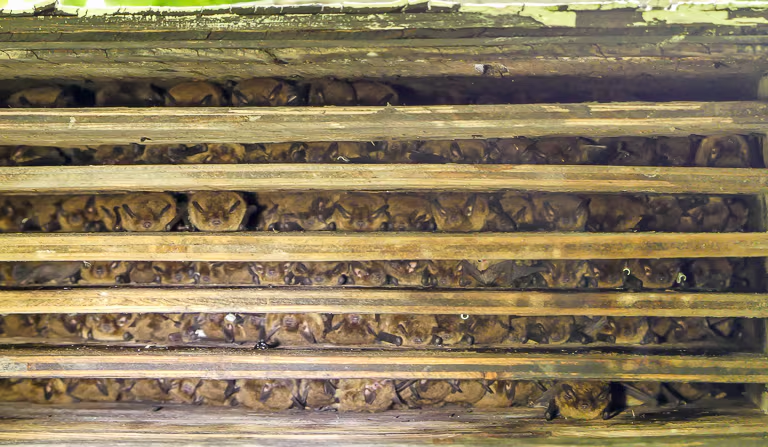
伦塞尔怀疑,蝙蝠极其强烈的母性保护本能是它们留下来的原因,并指出该群落在 2018 年 7 月很可能正处于分娩期,这是雌性蝙蝠聚集生产的时期。
Rensel suspects the bats’ fiercely protective maternal instincts was the reason they stayed, noting the colony was likely going through parturition in July 2018, a time when the female bats gather to give birth.
“[幼崽] 非常小……所以蝙蝠有这些脆弱的幼崽,它们不想离开栖息地,即使条件过热。”虽然待产的母亲会寻找温暖的地方——以便她们能专心分娩、哺育幼崽和捕猎昆虫,而不必花费精力调节体温,但她们能承受的热量是有限度的。
“[The babies] are really small … so the bats had these vulnerable pups and they didn’t want to leave the roost, even though the conditions were too hot.”Though expectant mothers seek out warm spots — so they can devote themselves to giving birth, nursing their young and hunting insects instead of temperature regulation, there’s a limit to how much heat they can handle.
“我称之为‘刚刚好区间’,”伦塞尔说,对于小棕蝠和尤马鼠耳蝠来说,这个区间在 35 摄氏度到 41 摄氏度之间。
“I call it the Goldilocks zone,” Rensel said, which falls between 35 C and 41 C for the little brown bat and the Yuma Myotis bat.
“所以既不太热也不太冷……如果你是育幼群落里的一只蝙蝠,找到一个大多数时间都能达到这个温度的栖息地,那简直是完美的。”但这些小木箱升温很快,特别是当它们被漆成黑色并置于阳光直射下时,就像科奎特兰港的那些箱子一样。
“So it's not too hot and it’s not too cold … so if you’re a bat in a maternity colony and you find a roost that hits that most of the time, that’s golden.”But these little wooden boxes can heat up quickly, particularly when they’re painted black and placed in direct sunlight, as the Port Coquitlam boxes were.
而较高温度与箱内闷热环境的结合导致了潮湿,这对居住者尤其有害。
And the combination of higher temperatures and the stuffy conditions inside the boxes led to humidity, which is especially harmful to the inhabitants.
“气候变化所做的本质上是增加了它们小气候中的温度成分,”加拿大野生动物保护协会蝙蝠保护主任、伦塞尔的论文导师科里·劳森说。
“What climate change is doing is essentially increasing the temperature component of their microclimate,” said Cori Lausen, director of bat conservation with the Wildlife Conservation Society Canada and Rensel’s thesis adviser.
“当你把温度和湿度结合在一起,那就是热应激,”她说,并指出蝙蝠不会出汗,这使它们更难降温。蝙蝠为何陷入危险 蝙蝠面临的威胁不仅仅是高温。
“When you bring temperature and humidity together, that’s heat stress,” she said, noting that bats don’t sweat, which makes it harder for them to cool down. Why bats are in danger Bats are under threat from more than just heat.
在全球范围内,栖息地丧失和森林破碎化减少了天然栖息地的可用性,也减少了蝙蝠赖以觅食的昆虫丰富的栖息地。在北美,被称为白鼻症的真菌疾病已使其种群数量锐减。
Worldwide, habitat loss and forest fragmentation have reduced the availability of natural roosting sites and the insect-rich habitats bats rely on for food. In North America, the fungal disease known as white-nose syndrome has decimated their populations.
根据国际自然保护联盟的数据,在世界上近1400种已知蝙蝠中,有25种被列为极危,87种为濒危,110种为易危。
Of the world’s nearly 1,400 known bat species, 25 are considered critically endangered, 87 endangered and 110 vulnerable, according to the International Union for Conservation of Nature.
根据2019年发表在《生物多样性与保护》杂志上的一篇论文,一个没有蝙蝠或蝙蝠数量大幅减少的世界可能会摧毁生态系统,因为这些动物能进行天然的害虫控制,抑制可能毁坏森林或农田的昆虫种群。
A world without, or with significantly fewer, bats could devastate ecosystems, because the animals perform natural pest control, suppressing insect populations that can ravage forests or farmers’ fields, according to a 2019 paper published in the Biodiversity and Conversation journal.
在热带和亚热带森林中,蝙蝠通过粪便传播种子,在森林再生中发挥着重要作用。
In tropical and subtropical forests, bats disperse seeds through their droppings, an important role in regeneration.
失去这些有尖牙的生物的后果可能更为深远:一项经过同行评审的研究甚至发现,在蝙蝠种群消失的地方,农药使用量上升——而这反过来又提高了婴儿死亡率。那么,解决办法是什么?劳森说,答案不是撤掉蝙蝠箱,而是使用更多蝙蝠箱。
And the consequences of losing these fanged creatures may even extend further: one peer-reviewed study even found that where bat populations died off, pesticide use jumped — and that, in turn, increased infant mortality rates. So, what’s the solution? The answer, Lausen says, is not to scrap bat boxes but to use moreof them.
“永远不要拿走一个箱子,永远不要更换一个箱子,”她说。“例如,在你的房产周围增加箱子,给它们更多选择。”她建议将箱子间距设置在100米以内,以便蝙蝠在需要升温或降温时能轻松更换栖息地。
“Never take away a box, never change a box,” she said. “Add boxes around your property, for example, to give them more options.”She recommends placing boxes less than 100 metres apart so that bats can easily switch roosts if they need to warm up or cool down.
“打造一套不错的蝙蝠箱系列:不同尺寸、不同款式、不同的太阳辐射。”劳森说,这可能包括带有不同通风类型或不同油漆颜色的箱子,这些都会影响蝙蝠吸收多少热量。她补充说,每处房产应安装“绝对最少”三个蝙蝠箱。
“Get a nice collection of bat boxes going: different sizes, different styles, different solar radiation.”That could include boxes with different types of venting or different paint colours, which can affect how much heat the bats absorb, Lausen says. She adds that an “absolute minimum” of three bat boxes should be installed on each property.
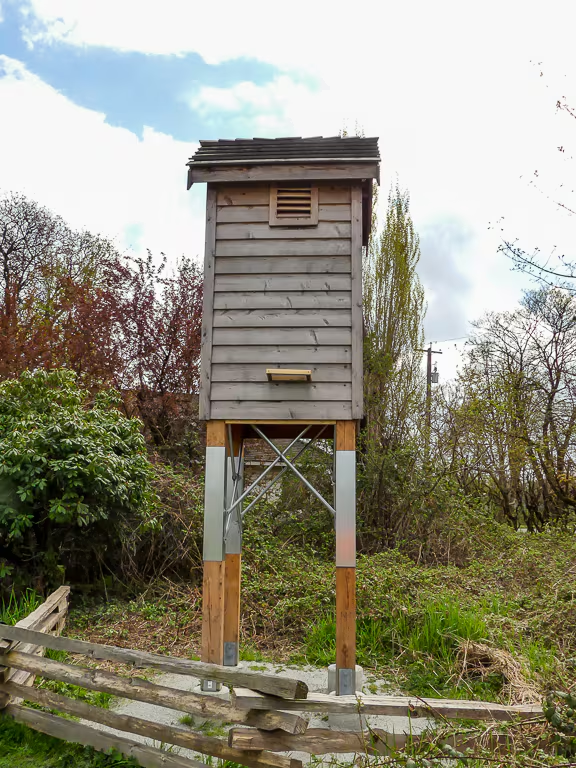
劳森说,另一个选择是“蝙蝠公寓”,内部设有不同空间,让动物无需离开栖息地即可在不同微气候之间移动,就像城市蝙蝠传统栖息的旧阁楼一样。
Another option is a “bat condo,” Lausen said, complete with different spaces, so the animals can move between microclimates without having to leave the roost, much like an old attic where city bats traditionally made their homes.
在不列颠哥伦比亚省,萨伦巴一直在尝试旧蝙蝠屋并制作新的。他用白色毯子给旧箱子加了遮阳装置,并用PVC管制作了紧急出口。做出这些改变后,蝙蝠死亡现象停止了。
In B.C., Saremba has been experimenting with the old bat houses and making new ones. He’s added shading to the old boxes using white blankets and building emergency exits out of PVC pipes. Following those changes, bat deaths stopped.
他还建造了一个迷你公寓,设计旨在模仿阁楼,让蝙蝠有更多空间,以及更多可供选择的温度和湿度水平。它甚至为幼蝙蝠提供了练习飞行的地方。
And he’s also built a mini condo designed to mimic an attic, giving bats more room, more temperatures and humidity levels to choose from. It even includes somewhere for the youngsters to practise flying.
“就像青少年学习开车,”萨伦巴解释道,“你不会第一件事就上高速公路,不,你会先走小路。”
“It’s like a teenager learning to drive,” Saremba explained. “You don’t go right on the highway first thing, no, you go on the side roads.”