过去 20 年里,被贴上自闭症标签的人数急剧上升。这是由于理解加深,还是过度诊断?
There has been a steep rise in the number of people labelled autistic over the last 20 years. Is that down to greater understanding – or overdiagnosis?
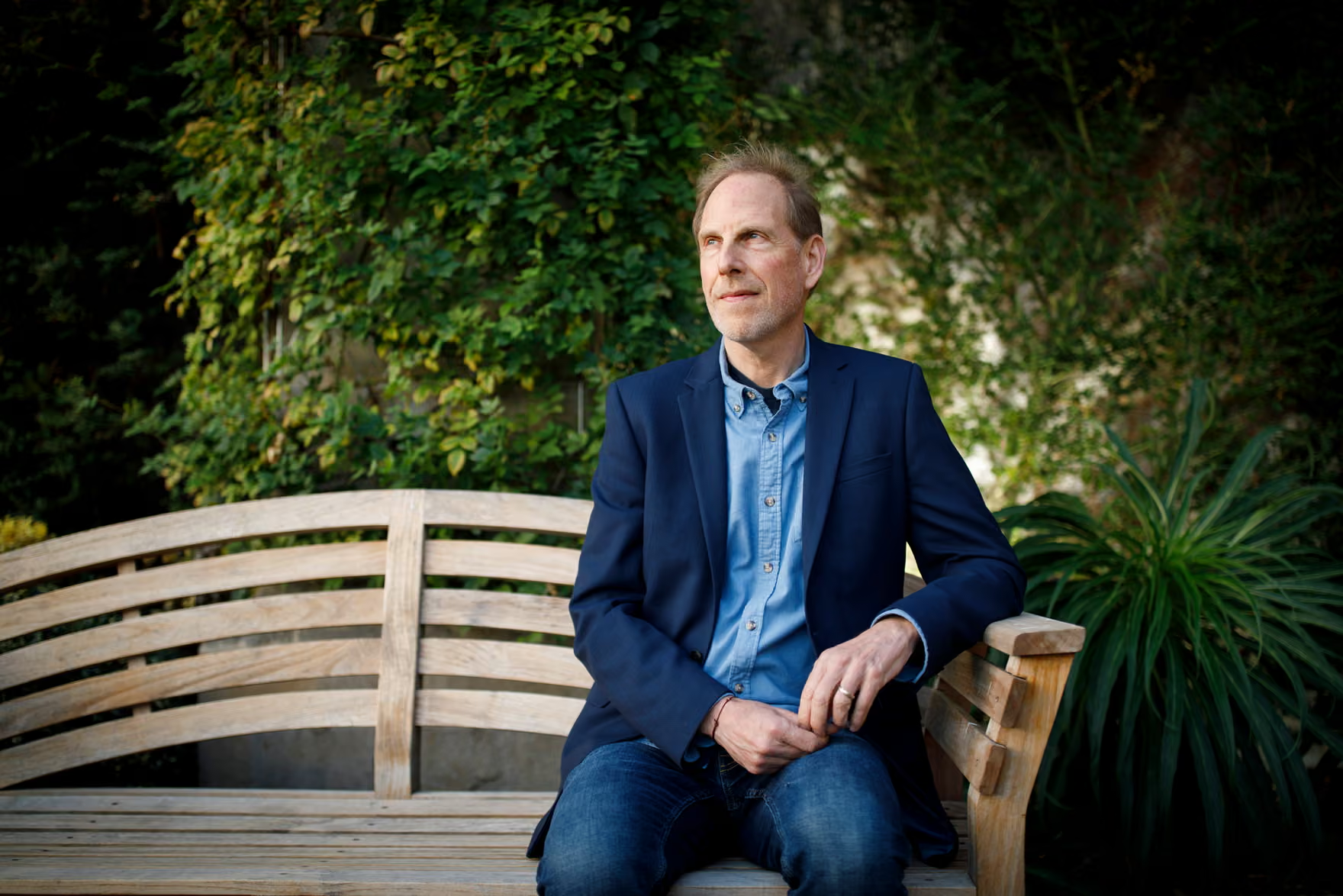
85 岁的乌塔·弗里思(Uta Frith)的家,看起来完全不像是文化战争的最新前线。它坐落在伦敦西北部一个宁静幽静的角落,透着一种依然充实的生活、深厚的兴趣爱好和田园诗般的退休时光。书多得有些只能用很高的梯子才能拿到。我与她——以及她的丈夫克里斯(Chris,精神分裂症专家)交谈了四个小时,简直是一种享受。完全没有愤怒或不安的感觉:即使我问起她最近收到的大量敌意和辱骂邮件,她也显得从容淡定。“我倾向于直接删掉它们来应对,”她说,“我不去纠结。”
The home of 85-year-old Uta Frith does not exactly look like the latest front in the culture wars. Located in a serenely quiet corner of north-west London, it suggests a life still well lived, a set of deep interests and an idyllic kind of retirement. There are so many books that some are reachable only using a very tall ladder. The four hours I spend talking to her – and her husband Chris, an expert in schizophrenia – are an absolute pleasure. There is no sense of outrage or upset: even when I ask her about the stream of hostile and abusive emails she has recently received, she is relaxed and phlegmatic. “I tend to cope by just deleting them,” she says. “I don’t dwell on it.”

“它”指的是她最近就一个处于她学术生涯核心的主题发表观点所引发的争议:什么是自闭症,谁应该或不应该符合诊断资格。今年 3 月,乌塔·弗里思女爵士——她七年前获封爵士头衔——接受《TES》杂志(原《泰晤士教育增刊》)采访,话语中多处掷地有声。其中一项主张是,所谓的自闭症谱系“变得越来越包容”,以至于“已走向崩溃”。
“It” is a reference to the controversy kicked up by her recently expressed views on a subject that sits at the heart of Frith’s academic career: what it is to be autistic, and who should or shouldn’t qualify for a diagnosis. Back in March, Dame Uta Frith – she was honoured with the title seven years ago – gave an interview to TES magazine (formerly the Times Educational Supplement) scattered with stark pronouncements. Among them was a claim that the so-called autistic spectrum has “gone on being more and more accommodating”, to the point that it “has come to its collapse”.

随后在 8 月,她在学术期刊《心理医学》(Psychological Medicine)上发表文章,称自闭症正面临严重危险,在从一个“精准的、临床的”术语变成一个“模糊的、被文化放大的身份范畴”。
Then, in August, she published a piece in the academic journal Psychological Medicine claiming autism was in dire danger of being turned from a “precise, clinical” term into a “vague, culturally amplified identity category”.