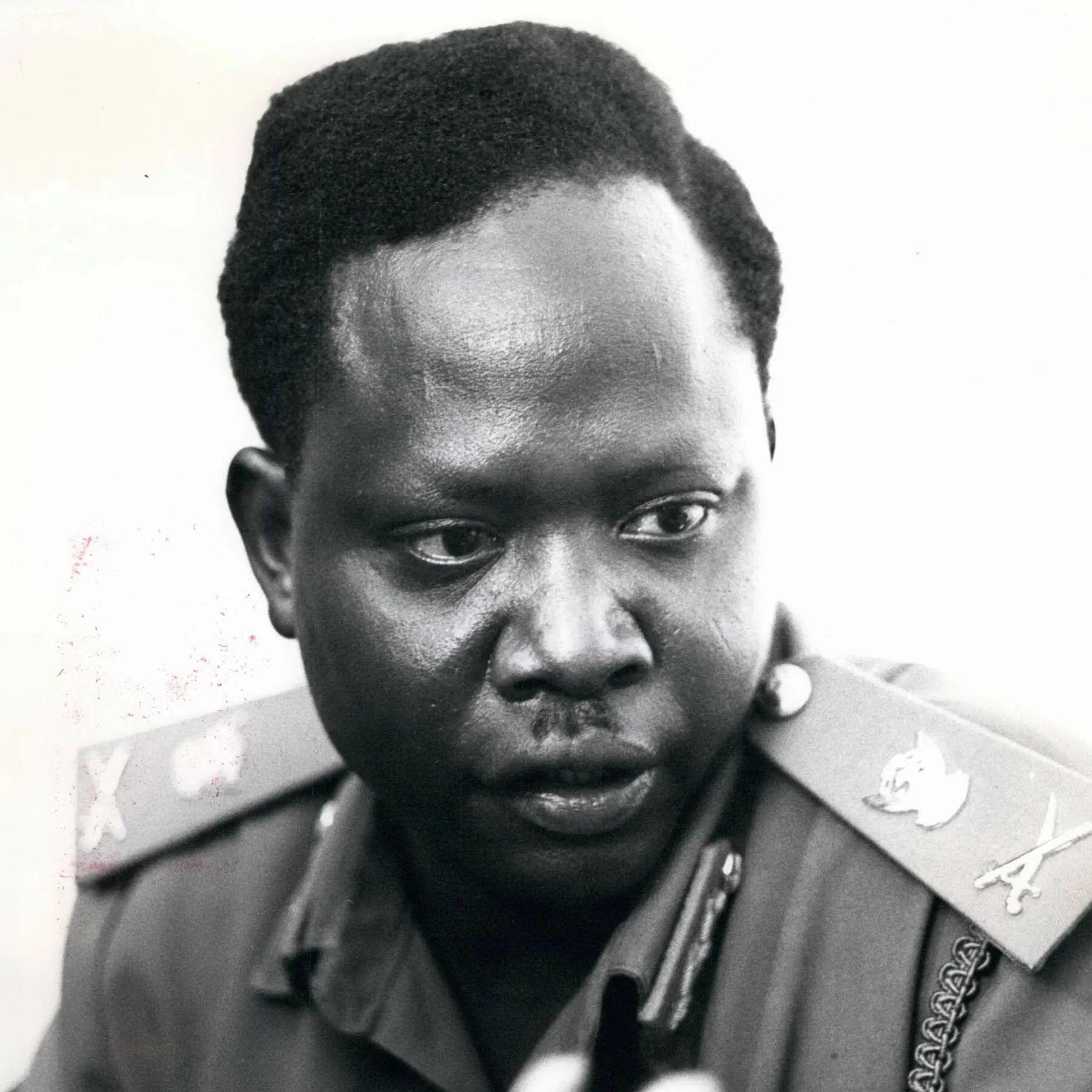
约瑟夫·拉古曾领导南苏丹独立运动,现已辞世。他在1972年为该地区争取自治权方面发挥了关键作用,随后担任高级外交官。享年94岁。
Joseph Lagu, Who Led Independence Movement in Southern Sudan, Has Died He played a pivotal role in winning his region’s autonomy from Sudan in 1972, then served as a high-ranking diplomat. He was 94.
曾任苏丹军队军官的约瑟夫·拉古,在1960年代领导南苏丹为脱离苏丹而战;1972年谈判实现自治后,他成为苏丹最高层政治领袖和外交官之一。周二,他在南苏丹首都朱巴去世,享年94岁。
Joseph Lagu, a military officer who led southern Sudan’s war for independence from Sudan in the 1960s and who, after negotiating autonomy in 1972, became one of Sudan’s top political leaders and diplomats, died on Tuesday in Juba, the capital of South Sudan. He was 94.
2011年获得完全独立的南苏丹总统萨尔瓦·基尔在一份声明中宣布了这一消息,并呼吁举行全国哀悼。
Salva Kiir, the president of South Sudan, which gained full independence in 2011, announced the death in a statement and called for a period of national mourning.
按面积计算,苏丹是非洲第三大国,1956年从埃及和英国手中获得独立。国家大权掌握在北部讲阿拉伯语的穆斯林人口手中,这激怒了南部肤色较深的非洲人。
Sudan, the third-largest country in Africa by area, gained its independence from Egypt and Britain in 1956. Power in the country rested with its Arabic-speaking Muslim population in the north, which outraged the darker-skinned Africans of the south.
独立运动在南部几乎立即兴起,并很快演变为公开战争。随后长达近15年的战争造成估计50万至100万人死亡。
An independence movement sprang up almost immediately in the south, and soon broke out into open warfare. An estimated 500,000 to one million people died in the nearly 15-year war that followed.
1963年,出生于南苏丹赤道州的拉古先生辞去苏丹军队军官职务,加入叛军。五年后,他被任命为独立运动武装翼“安亚尼亚”(Anya Nya,意为马迪语中的“蛇毒”,马迪语是南苏丹主要语言)的负责人。
In 1963, Mr. Lagu, who was born in the southern Sudanese state of Equatoria, left his position as an officer in the Sudanese Army to join the rebels. Five years later, he was put in charge of the independence movement’s armed wing, called Anya Nya, which means snake venom in Ma’adi, the prominent language in southern Sudan.
他将原本乌合松散、内部争吵不断的游击队改造成了一支类似正规军的队伍。更重要的是,他与以色列建立了联系,后者提供了装备和训练。这种援助在迫使苏丹于1972年走上谈判桌方面发挥了关键作用。
He turned what had been a ragtag, disputatious band of guerrillas into something resembling a professional army. More important, he built ties with Israel, which provided equipment and training. That assistance played a vital role in forcing Sudan to the negotiating table in 1972.
同年,《洛杉矶时报》称拉古先生为“当今非洲最成功的游击队领袖”。在埃塞俄比亚首都亚的斯亚贝巴举行的和平谈判达成协议,给予南苏丹在国内政治事务上享有重要自治权。拉古重返苏丹军队,领导了统一北方和南方军队的努力。
That year, The Los Angeles Times called Mr. Lagu “the most successful guerrilla leader in Africa today.”The peace talks, held in the Ethiopian capital of Addis Ababa, resulted in an agreement to give southern Sudan significant autonomy over its domestic politics. Mr. Lagu rejoined the Sudanese Army, where he led efforts to unify the northern and southern militaries.
1978年至1979年,他担任南苏丹高级执行委员会主席,管理该地区。随后,他于1982年至1985年担任苏丹第二副总统。
He served as president of the High Executive Council of Southern Sudan, which administered the region, from 1978 to 1979. He then served as the second vice president of Sudan from 1982 to 1985.
这些职务使他成为苏丹最有权势的非阿拉伯裔政治家之一。但这也招致了批评者的指责,称他将国家利益置于其所在地区的利益之上。
Such roles made him one of the most powerful non-Arab politicians in Sudan. But it also attracted critics who said he elevated the country’s interests over those of his region.
1985年,他在一场政变后被迫下台,为安全起见移居英国。1989年,奥马尔·巴希尔上校发动的另一场政变让他重返权力核心。他曾于1988年至1990年以及1992年至1998年担任苏丹特使。他还曾于1990年至1992年担任苏丹驻联合国大使。
Though he was pushed out of office following a coup in 1985 and moved to Britain for safety, another coup, led by Col. Omar al-Bashir in 1989, brought him back into the fold. He served as a roving ambassador for Sudan from 1988 to 1990 and again from 1992 to 1998. He also served as Sudan’s ambassador to the United Nations from 1990 to 1992.
尽管巴希尔先生拉拢北方的伊斯兰原教旨主义者,并着手削弱南苏丹的自治权,拉古先生仍坚定支持他,为他辩护,抵制国际刑事法院和其他机构因侵犯人权而追究其责任的努力。
Though Mr. al-Bashir courted the Islamic fundamentalists in the north and moved to erode southern Sudanese autonomy, Mr. Lagu stood by him, defending him against efforts by the International Criminal Court and other bodies to hold him accountable for human rights abuses.
拉古先生于1998年卸任外交职务后,曾就南苏丹领导人争取完全独立的推进提供建议,其中包括他的女儿约瑟芬·拉古,后者后来担任了南苏丹副总统。
After Mr. Lagu left his diplomatic post in 1998, he advised southern Sudanese leaders on their push for full independence, among them his daughter Josephine Lagu, who later served as vice president of South Sudan.
约瑟夫·拉古·扬加于1931年11月21日出生在莫莫克韦,这是一个靠近苏丹与乌干达边境的小村庄。他的父亲是一名铁路职员,送他去传教士学校读书,1958年他进入苏丹军事学院学习。
Joseph Lagu Yanga was born on Nov. 21, 1931, in Momokwe, a hamlet near the Sudanese border with Uganda. His father, a railway clerk, sent him to missionary schools, and in 1958 he enrolled in Sudan’s military academy.
1960年毕业后,他获授少尉军衔,被部署在朱巴附近,在那里他熟悉了南苏丹独立运动。三年后,他加入了该运动。
After graduating in 1960, he received a commission as a second lieutenant and a deployment near Juba, where he became familiar with the southern Sudanese independence movement. Three years later, he joined it.
拉古先生的遗属包括他的女儿和其他10多个子女,以及数十个孙辈和曾孙辈。
Mr. Lagu’s survivors include his daughter and more than 10 other children, as well as dozens of grandchildren and great-grandchildren.
2011年南苏丹独立后,拉古成为一位资深政治家。他创立了约瑟夫·拉古基金会,致力于促进女童教育和培养新领导人。
After South Sudan won independence in 2011, Mr. Lagu became a sort of elder statesman. He created the Joseph Lagu Foundation to promote girls’ education and train new leaders.
他在2011年接受历史保存组织《马迪人民战争编年史》采访时表示,他给南苏丹的建议是“让每一位公民,无论种族、性别、宗教”,都拥有“归属感”。克莱·赖森是《纽约时报》讣告版记者。
His advice to South Sudan, he said in an interview with The Madi People’s War Chronicles, a historical preservation group, in 2011, was “to give every citizen, no matter what ethnicity, gender, religion” a “sense of belonging.”Clay Risen is a Times reporter on the Obituaries desk.