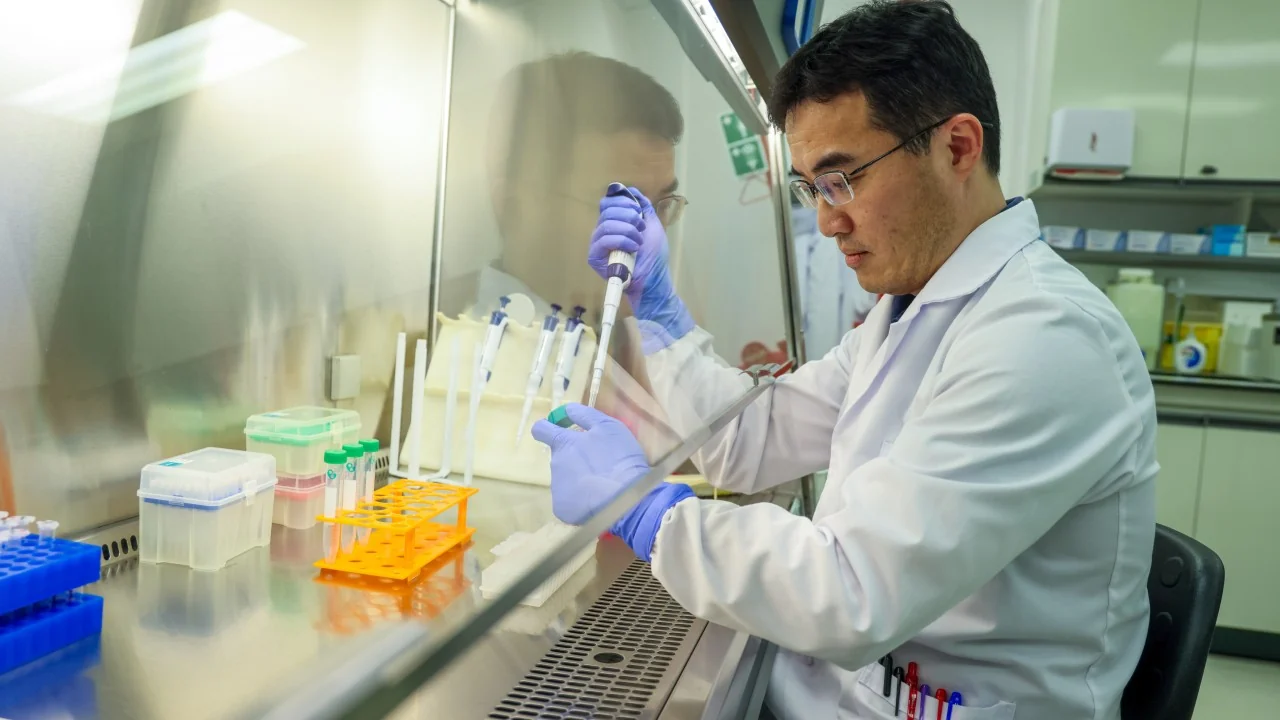
15年来,郑宗立教授一直致力于提高基因编辑疗法的安全性,以便用于治疗那些治疗选择有限的疾病。
For 15 years, Professor Zheng Zongli has worked to make gene-editing therapies safe enough to treat diseases with limited treatment options.
他的求学历程从瑞典卡罗林斯卡医学院的医学流行病学博士,到马萨诸塞总医院和哈佛医学院的博士后培训,并最终来到香港,在那里他联合创立了基因疗法初创公司基因 edibio。
His path has taken him from a PhD in medical epidemiology at Sweden’s Karolinska Institutet to postdoctoral training at Massachusetts General Hospital and Harvard Medical School – and, ultimately, to Hong Kong, where he co-founded the gene therapy start-up GenEditBio.
现在,他和他的团队正在测试一种潜在疗法,用于治疗一组会导致角膜逐渐混浊并剥夺视力的遗传性眼病。
Now, he and his team are testing a potential treatment for a group of inherited eye diseases that slowly cloud the cornea and steal sight.
基因 edibio 正在对 GEB-101 进行临床试验,这是一种旨在作为一次性治疗转化生长因子β诱导型(TGFBI)相关角膜营养不良的基因组编辑药物。
GenEditBio is running clinical trials of GEB-101, a genome-editing drug designed as a one-off treatment for transforming growth factor beta-induced (TGFBI)-related corneal dystrophies.
这些遗传性疾病是由 TGFBI 基因的突变引起的,该突变会引发角膜中异常蛋白质和沉积物的进行性积聚。
These genetic disorders are caused by mutations in the TGFBI gene that trigger a progressive build-up of abnormal proteins and deposits in the cornea.
基因 edibio 的联合创始人兼董事长郑宗立说:“目前有两种治疗选择:角膜移植或使用激光去除病变组织。”
“There are currently two treatment options: corneal transplant or using a laser to remove the diseased tissue,” Zheng, co-founder and chairman of GenEditBio, said.
“这两种方法都无法治愈该病,因为它是由于基因突变持续产生有害蛋白质引起的。”
“Neither can cure the condition, because it is caused by a genetic mutation that continues to produce the harmful protein.
身为城市大学生物医学系教授的郑宗立表示,一些患者在疾病复发时接受了多次激光手术。但在多次手术后,他们最终因为角膜变得太薄而无法再次手术而放弃,并指出这种新疗法可以提供永久的解决方案。该疗法直接输送至角膜细胞,旨在从基因源头上解决该疾病。
“Some patients underwent repeated laser procedures whenever the disease recurred. But after multiple operations, they eventually gave up because their corneas had become too thin to operate on.”Zheng, a professor in the department of biomedical sciences at City University, said the new treatment could offer a permanent solution. Delivered directly into corneal cells, it is designed to tackle the disease at its genetic source.
他说:“我们的 GEB-101 在基因层面发挥作用,以停止有害蛋白质的生产,通过单次注射从根本上根除病因。”
“Our GEB-101 works at the genetic level to stop production of the harmful protein, to eradicate the cause of the disease with a single injection,” he said.
郑某指出,TGFBI相关角膜营养不良估计影响亚洲人群的0.2%。症状包括畏光、视力逐渐下降和反复发作的角膜糜烂,这会导致致残性疼痛并损害患者的长期生活质量。
TGFBI-related corneal dystrophies affected an estimated 0.2 per cent of Asian populations, Zheng noted. Symptoms include photophobia, gradual vision loss and recurrent corneal erosion, which can cause debilitating pain and erode patients’ long-term quality of life.
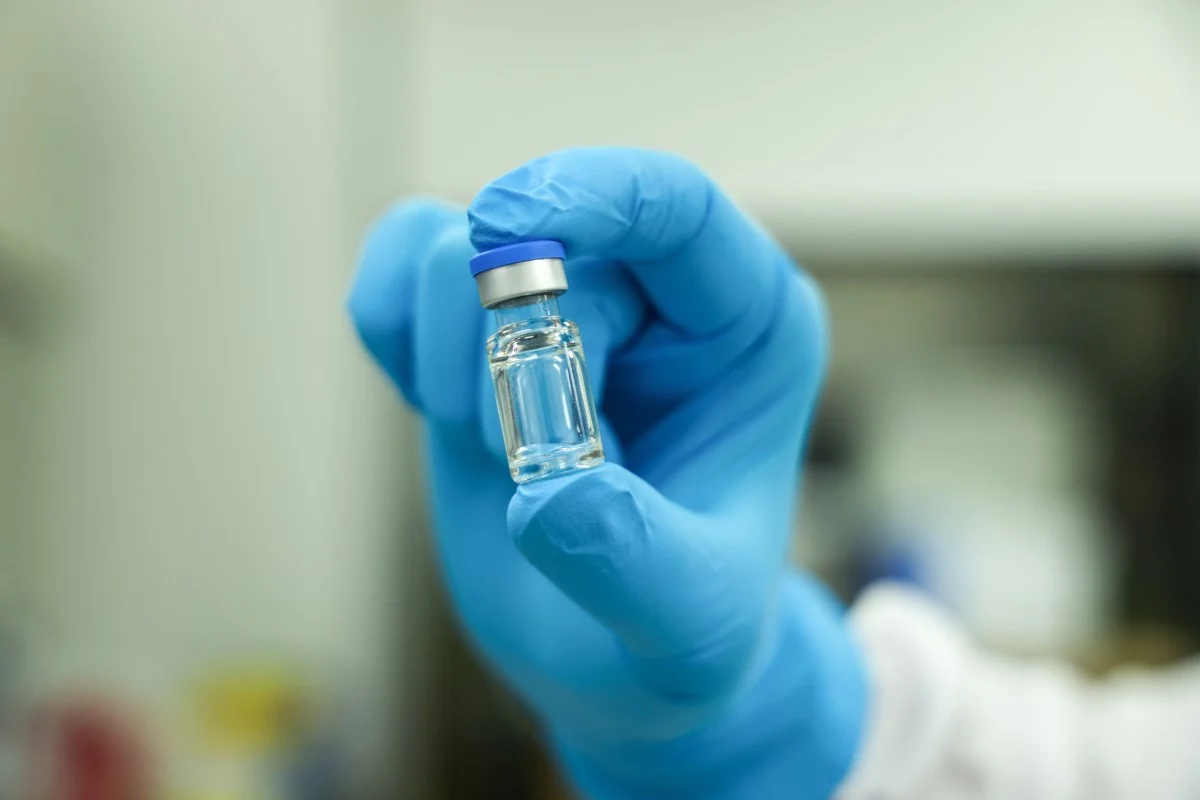
目前的治疗主要依赖准分子激光角膜切削术,即利用激光治疗某些角膜表面疾病。但由于存在威胁视力的并发症风险和高复发率,患者可能需要反复接受手术,最终可能需要进行角膜移植。郑某表示,该领域的研究人员正在开发一系列新方法。
Current care relies primarily on phototherapeutic keratectomy, in which a laser is used to treat certain diseases of the corneal surface. But because of the risk of sight-threatening complications and high recurrence rates, patients may need repeated procedures and, eventually, a corneal transplant. Zheng said researchers in the field were developing a range of new approaches.
他称,一些公司已生产出基于RNA的疗法,可干扰有害蛋白的产生,但由于潜在突变依然存在,疗效只是暂时的,疾病可能复发。
Some companies had produced RNA-based therapies that interfered with the production of the harmful protein, but because the underlying mutation remained, the effects were temporary and the disease could return, he said.
他说:“DNA可以持续产生许多RNA链,随后被翻译成大量蛋白质。因此,虽然你可以在RNA层面介入并阻断这一过程,但并未解决根本原因。”
“DNA can continuously produce many strands of RNA, which are then translated into numerous proteins. So while you can intervene and block the process at the RNA level, you are not addressing the cause,” he said.
他说:“你可以随着症状出现不断治疗,但最终会导致长期用药,而非彻底根治。”
“You can keep treating the symptoms as they arise, but then you end up on medication indefinitely rather than clearing it all up once and for all.
他说:“在DNA层面进行修饰更像是手术。你不需要年复一年地服药,而是接受一次性手术。”
“Modifying things at the DNA level is more like surgery. Instead of taking medication year in and year out, you undergo a single procedure.”
GEB-101基于CRISPR-Cas基因组编辑技术,靶向TGFBI突变基因中的特定位点。它通过单次角膜基质内注射给药。
GEB-101 is based on CRISPR-Cas genome-editing technology that targets a specific location in the mutated TGFBI gene. It is given as a single intrastromal injection into the cornea.
郑某表示,该疗法源于与上海复旦大学附属眼耳鼻喉科医院的合作,该院多年来一直研究TGFBI相关角膜营养不良,并治疗了许多此类患者。
The treatment grew out of a collaboration with the Eye and ENT Hospital of Fudan University in Shanghai, which had studied TGFBI-related corneal dystrophies for years and treated many patients with the conditions, Zheng said.
他称,其团队于2024年主动联系该医院,提议建立合作伙伴关系。
His team approached the hospital in 2024 to propose the partnership.
在猴子身上进行的测试显示出了有希望的结果。“在猴子身上,GEB-101的基因编辑效率超过80%,这意味着超过80%的细胞得到了修饰,”他说。“超过80%的效率可以被认为对患者有益,因为它能有效延缓或防止复发。”郑(音)说,该疗法于去年5月实施了首例患者——一名上海女性。她此前接受过其他治疗,但在接受GEB-101之前病情复发了。
Tests in monkeys showed promising results. “In monkeys, GEB-101 has a gene-editing efficiency of more than 80 per cent, meaning that more than 80 per cent of the cells have been modified,” he said. “An efficiency of more than 80 per cent can be considered beneficial to patients, as it can effectively delay or prevent recurrence.”The treatment was given to its first patient – a woman in Shanghai – in May last year, Zheng said. She had undergone other treatments, but her condition recurred before she received GEB-101.
他说,到目前为止,中国内地已有6名患者接受了该疗法,所有人都报告了良好的疗效。郑指出,安全性是患者最关心的事,因此也是他研究的中心焦点。
So far, it had been given to six patients in mainland China, all of whom had reported good outcomes, he said. Zheng noted that safety was patients’ foremost concern and had therefore been a central focus of his research.
哈佛医学院研究员郑表示:“我从事这项技术研究已有15年。当年我在哈佛大学时,我们的实验室在这个领域处于世界领先地位。安全性一直是我的首要任务。”
“I have been working on this technology for 15 years. Back when I was at Harvard University, our lab was leading the world in this field. Safety has always been my top priority,” said Zheng, a research fellow at Harvard Medical School.
为此,该疗法使用了一种蛋白质形式的基因编辑工具,该工具在完成工作后的一天内就会降解。郑说:“它是一把用于对DNA进行手术的分子手术刀。”
To that end, the treatment uses a gene-editing tool in protein form that degrades within a day of completing its work. “It is a molecular scalpel used to perform surgery on DNA,” Zheng said.
他解释说,整个过程大约持续半小时,涉及将带有识别目标基因序列的蛋白质输送到角膜基质细胞中。
The procedure took about half an hour and involved delivering the protein, which carried a sequence that recognised the target gene, into the corneal stromal cells, he explained.
他说:“一旦进入内部,它就会进入细胞核,靶向TGFBI基因并抑制其表达。”递送是另一个挑战。
“Once inside, it enters the nucleus, targets the TGFBI gene and represses its expression,” he said. Delivery was another challenge.
他说:“首要考虑因素是将该工具有效地递送到目标细胞中,并在编辑完成后立即降解。这两个因素都取决于递送载体。”
“The primary considerations are effectively delivering the tool into target cells and having it degrade immediately once editing is complete. Both factors depend on the delivery vehicle,” he said.
GEB-101作为核糖核蛋白被包裹在一个工程蛋白质递送载体中,这是GenEditBio开发的一项专有体内递送系统。
GEB-101 is packaged as a ribonucleoprotein inside an engineered protein delivery vehicle, a proprietary in vivo delivery system developed by GenEditBio.
“我们开发了一种类病毒颗粒工具。本质上,我们对病毒衣壳的一部分进行工程化改造,并在构建外壳的过程中,将分子手术刀包裹在其中,”郑某说。
“We have developed a virus-like particle tool. Essentially, we engineer a portion of the viral capsid and, while constructing the shell, we package the molecular scalpel inside it,” Zheng said.
“病毒的一个优势在于它们极其强效,且具有感染不同组织的强大能力。”美国食品药品监督管理局(FDA)于9月授予GEB-101治疗TGFBI相关角膜营养不良的快速通道认定。
“One upside of viruses is that they are incredibly potent and have a strong ability to infect different tissues.”The US Food and Drug Administration (FDA) granted fast track designation to GEB-101 for the treatment of TGFBI-related corneal dystrophies in September.
此前,FDA已于2025年12月、中国国家药品监督管理局于今年7月分别批准了该药物的临床新药申请。
That followed investigational new drug clearances from the FDA in December 2025 and from China’s National Medical Products Administration in July this year.
GEB-101目前正在内地和美国的多个临床试验点开展临床试验。郑某表示,他预计该药物将在三到五年内惠及患者。
GEB-101 is in clinical trials at multiple sites on the mainland and the United States. Zheng said he expected the drug to reach patients in three to five years.
被问及成本时,他说:“我们希望绝大多数患者都能负担得起。”郑某表示,基因编辑的潜力不仅限于遗传性眼病,还包括肿瘤和慢性病的治疗。
Asked about cost, he said: “We hope that the vast majority of patients will be able to afford it.”Zheng said gene editing held broad potential beyond inherited eye disorders, including in the treatment of tumours and chronic illnesses.
“这就像拥有一套配钥匙工具箱:要打开一把特定的锁,我们必须根据那把锁独特的痕迹来打造钥匙,”他说。
“It is analogous to having a key-making toolkit: to open a particular lock, we must fashion the key according to the unique marks of that lock,” he said.
“修改序列就能针对特定疾病研发出一种药物。”成立于2021年的基因编辑生物技术公司(GenEditBio)是一家处于临床阶段的基因疗法初创企业,致力于开发体内基因组编辑疗法。郑某表示,香港的基因编辑研究正在增长。
“Modifying the sequence can yield a drug for a specific disease.”GenEditBio, founded in 2021, is a clinical-stage gene therapy start-up developing in vivo genome-editing treatments. Zheng said research into gene editing was growing in Hong Kong.
“很多人都在使用这个工具,尤其是各大生物医学实验室,因为它非常强大。话虽如此,真正致力于开发底层技术本身的团队相对较少,”他说。“我相信基因编辑将成为未来医学中至关重要的治疗工具。”
“A lot of people are using this tool, especially across biomedical labs, because it’s very powerful. That said, relatively few teams are actually working on developing the underlying technology itself,” he said. “I believe gene editing will be a critical therapeutic tool in the future of medicine.”