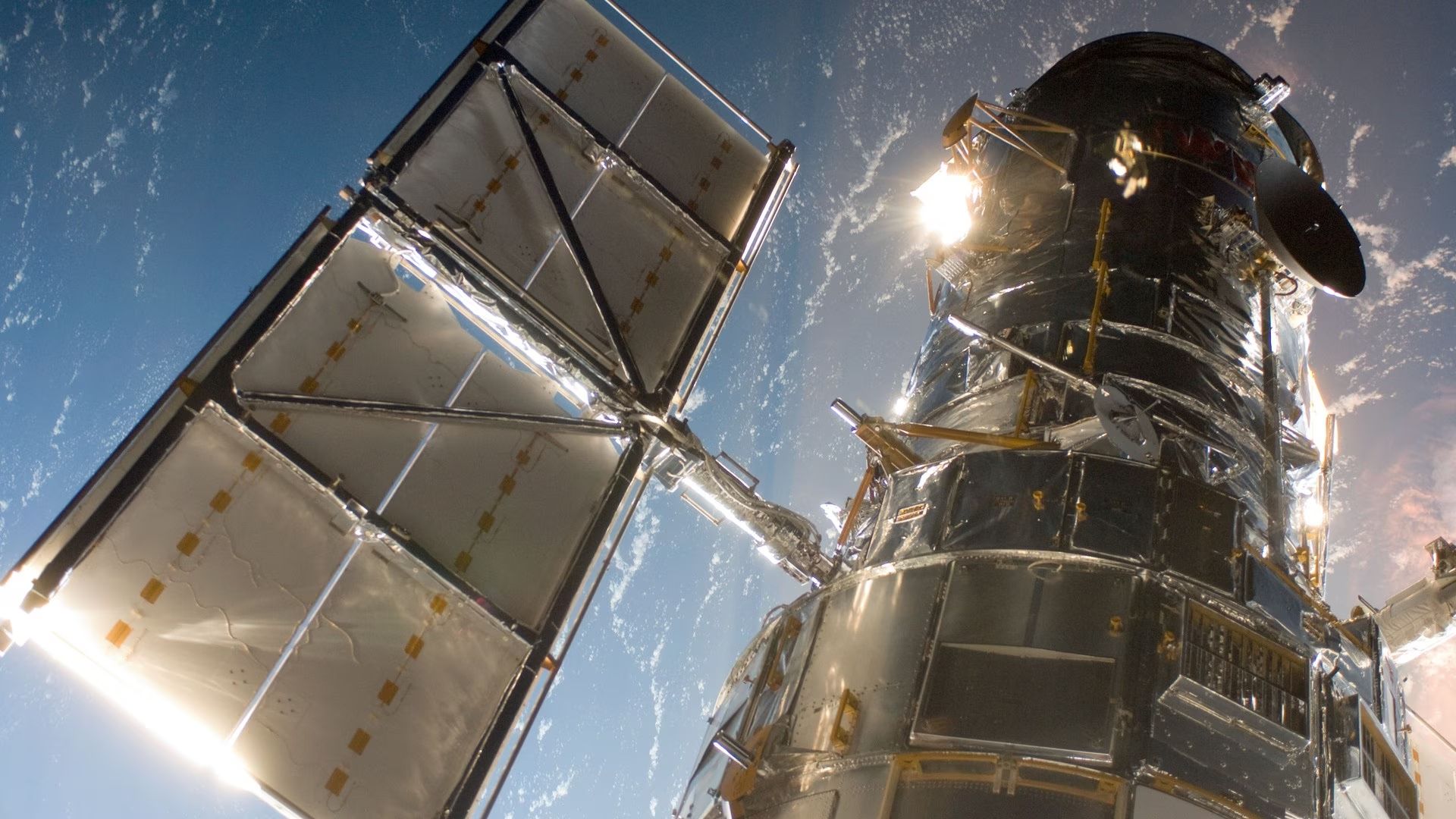
哈勃望远镜没有自己的发动机,正在缓慢下坠。美国国家航空航天局(NASA)周五表示,现在希望公司提出方案,说明如何将这台服役36年的望远镜提升到更高轨道、对其进行维护,或安全地将其引导再入大气层。
Hubble has no engine of its own, and it is slowly sinking. NASA now wants companies to say how they could lift the 36-year-old telescope higher, service it, or steer it down safely, the agency said on Friday.
该信息征集请求于10月29日发出,回复截止日期为11月30日。NASA的分析显示,哈勃望远镜可能在2033年或2034年再入大气层。任何任务都需要在2032年前发射。
The request for information went out on 29 October, and responses are due by 30 November. NASA’s analysis puts Hubble’s likely re-entry in 2033 or 2034. Any mission would need to fly by 2032.
NASA局长贾里德·艾萨克曼表示:“如果有创新且具有成本效益的方法来延长已在轨资产的寿命,我们有责任向美国纳税人和科学界探索这些方法。”
“If there are innovative and cost-effective ways to extend the life of an asset already on orbit, we owe it to the American taxpayer and the scientific community to explore them.”
NASA征求的内容该请求涵盖三种方案。公司可以将哈勃望远镜提升至更高轨道、对其进行维护以改善性能,或安全地将其处置。据《Ars Technica》援引文件报道,提升轨道高度必须至少达到600公里,且不得损坏望远镜。公司需提供火箭、维护航天器和任务运营,如有需要还需提供宇航员。
Jared Isaacman, NASA Administrator What NASA is asking for The request covers three options. A company could boost Hubble higher, service it to improve it, or dispose of it safely. Citing the document, Ars Technica reported that a boost must reach at least 600 km and must not harm the telescope. The company would supply the rocket, the servicing spacecraft and mission operations, plus a crew if one is needed.
据《Ars Technica》报道,NASA并未承诺购买任务,也没有为此预留资金。哈勃望远镜目前运行在约470公里的轨道上。哥伦比亚号航天飞机于2002年最后一次将其提升至583公里轨道。
NASA is not committing to buy a mission, and it has no money set aside for one, Ars reported. Hubble now orbits about 470 km up. The shuttle Columbia last raised it, to 583 km, in 2002.
据《The》报道,NASA估计到2032年9月再入概率为10%,到2033年12月上升至50%。哈勃望远镜质量足够大,不受控制的再入对地面人员构成微小风险。
NASA puts the chance of re-entry at 10% by September 2032, The reported. That rises to 50% by December 2033. Hubble is heavy enough that an uncontrolled fall carries a small risk to people on the ground.
NASA曾有过类似经历 2022年,当时还是私人宇航员的艾萨克曼提出,由他出资大部分费用,利用SpaceX的“龙”飞船执行载人哈勃任务。同年NASA也向业界征集想法,收到八份回复。2024年,NASA决定不推进轨道提升计划。
NASA has been here before In 2022, Isaacman, then a private astronaut, offered to pay for most of a crewed Hubble mission on SpaceX’s Dragon. NASA also asked industry for ideas that year and received eight responses. In 2024 it decided not to pursue a reboost.
如今载人访问的可能性更小。SpaceX计划在2030年前退役“载人龙”飞船,NASA已转向波音公司寻求更多载人飞行服务。据《Ars Technica》报道,艾萨克曼预计此次征集将吸引机器人公司的兴趣。初创公司已在为在轨加注硬件筹集资金。
A crewed visit is less likely now. SpaceX plans to retire Crew Dragon by 2030, and NASA has already turned to Boeing for more astronaut flights. Isaacman expects the request to draw interest from robotics companies, Ars reported. Startups are already raising money for in-orbit refuelling hardware.
美国国家航空航天局(NASA)的小型“雨燕”天文台即将烧毁再入大气层。其科学任务已于10月20日结束。在275公里高度以下,大气阻力使稳定观测成为不可能,NASA预计它将在数周内再入大气层。
Swift shows what is at stake NASA’s smaller Swift observatory is about to burn up. Its science mission ended on 20 October. Below 275 km, drag made steady observations impossible, and NASA expects it to re-enter within weeks.
NASA曾聘请一家初创公司“卡塔利斯特空间”捕捉“雨燕”并将其推升至更高轨道。该公司的机器人遭遇故障,从未到达望远镜。据美联社报道,美国太空军现在预测“雨燕”将在数天内坠落。其大部分将烧毁,但少数致密的钨制部件和镜片可能幸存。
NASA had hired a startup, Katalyst Space, to catch Swift and lift it higher. Its robot ran into trouble and never reached the telescope. The US Space Force now predicts Swift will come down within days, the Associated Press reported. Most of it will burn up, though a few dense tungsten parts and mirror pieces could survive.
哈勃望远镜比“雨燕”有一个优势。宇航员在2009年最后一次航天飞机访问期间,为其安装了软捕获机制,这应该会使对接更容易。天文学家预计,在NASA的“宜居世界天文台”于2040年代发射前,不会有替代品能提供哈勃那样的可见光和紫外视野。
Hubble has one advantage over Swift. Astronauts fitted it with a soft-capture mechanism on the last shuttle visit in 2009, which should make docking easier. Astronomers expect no replacement for its visible and ultraviolet vision before NASA’s Habitable Worlds Observatory in the 2040s.