1984 年夏末,我与垂死的父亲共进了我认为是我们最后一次午餐。我们选了一家他在布尔诺市中心最爱去的餐馆,布尔诺是摩拉维亚的首府,当时属于共产主义的捷克斯洛伐克。吊扇在空中缓缓转动;盘碗碰撞声在大理石墙壁和高高的天花板间回荡;烟草烟雾在桌面上方缭绕,男人们压低声音交谈。
Late in the summer of 1984, I met my dying father for what I thought would be our last lunch together. We’d chosen one of his favorite restaurants in downtown Brno, the capital of Moravia in what was then Communist Czechoslovakia. The ceiling fans spun sluggishly in the air; the clatter of plates echoed off the marble walls and high ceilings; cigarette smoke curled above tables where men spoke in whispers.
父亲看起来比我记忆中更瘦了。癌症凹陷了他的双颊,加深了眼角的皱纹。但似乎不仅仅是病痛压垮了他。他显得心不在焉——或许不仅是衰败的躯体,还有别的什么在困扰着他。
My father looked thinner than I’d remembered him. Cancer had hollowed his cheeks and deepened the furrows at his eyes. But it wasn’t only illness that appeared to weigh on him. He seemed lost in his thoughts—haunted, perhaps, by more than his failing body.
我邀请他出来,是因为我藏着一个秘密。服务员端上我们最爱吃的菜——香草黄油烤鳟鱼配乡村土豆——时,我环顾四周,确认没有人坐得离我们近到能偷听。接着,我双手微微颤抖,凑近告诉他,我打算叛逃。
I had invited him because I carried a secret. As the waiter set down our favorite dish—broiled trout with herb butter and country potatoes—I looked around to make sure that no one was sitting close enough to overhear us. Then, my hands trembling slightly, I leaned in and told him that I was planning to defect.
多年来我一直生活在恐惧中。我建筑学院的一位挚友在可疑情况下被发现身亡。许多与他亲近的人认为,国家安全局——政权的秘密警察——的打手谋杀了他,因为他拒绝监视一位在罗马的亲戚,而那位亲戚已被定性为“国家敌人”。显而易见,为了维护极权统治,政府甚至会杀害拒绝合作的无辜者。我再也无法在那个体制下喘息。我已准备好冒尽风险逃离。
For years I had lived in fear. A close friend of mine from architecture school had been found dead under suspicious circumstances. Many of those close to him believed that thugs from the StB—the regime’s secret police—had murdered him after he’d refused to spy on a relative in Rome who’d been labeled an “enemy of the state.”It was clear that to protect the authoritarian regime, the government would kill even innocent people who refused to collaborate. I could not breathe inside that system any longer. I was ready to risk everything to escape.
我为父亲的反应做好了准备。我预料他会愤怒,或者列举一长串如果我被抓可能面临的可怕后果。我可能会坐牢多年,随后被政权列入黑名单,失去工作、住房、受教育机会等一切。我们全家,包括父亲在内,尽管他有着无可挑剔的政治履历,也可能遭到牵连。他审视了我仿佛过了一个世纪。当他终于开口时,声音平静,近乎温柔。
I braced for my father’s reaction. I expected anger, or for him to enumerate a litany of horrors that might await me if I were caught. I could end up in jail for years, and then would be blacklisted by the regime from jobs, housing, educational opportunities, and more. Our entire family, including my father, despite a spotless political career, could also be punished. He studied me for what felt like an eternity. When he finally spoke, his voice was calm, almost tender.
“我理解,”他说,“我支持你。”又是一阵漫长的沉默后,他向前倾身,压低声音,生怕服务员听见。原来,他也有自己的秘密。他说,几十年来,他过着双重生活——表面上是忠诚的共产党员,实际上却是为西方谍报的间谍。我所认识的那个温和的园艺爱好者、热心的党员、尽职的官僚,一直在冒着生命危险瓦解他假装效力的那个政权。
“I understand,” he said. “And I support you.”After another long silence, he leaned forward, lowering his voice so that the waiter could not hear. As it turned out, he had his own secret. For decades, he said, he had lived a double life—outwardly a loyal Communist, but in actuality a spy for the West. The man I knew as a gentle gardener, an enthusiastic party member, and a dutiful bureaucrat had been risking his life to undermine the regime that he’d pretended to serve.
他讲述了在公园和异国他乡的酒店酒吧里的秘密会面,讲述了复制和走私文件的经历,讲述了在他怀疑身份暴露时的惊险逃脱。这之前,他从未向任何人透露过——甚至连我的母亲也没有。母亲痛恨共产党,最终与他离婚,因为她以为他已成为他们中的一员。他任由她离去,未作任何解释。他知道,说出真相会危及她、我的姐姐和我。
He spoke of clandestine meetings in parks and hotel bars in faraway countries, of documents copied and smuggled, of narrow escapes when he suspected that his cover was blown. He had never told anyone before me—not even my mother. She had despised the Communists and had eventually divorced him because she believed that he had become one of them. He let her go without explanation. He knew that to reveal the truth would have endangered her, my sister, and me.
对父亲而言,卸下这个秘密是一种解脱;对我而言,这一刻是一种启示。直到那时,我一直把父亲看作一个因极权生活的妥协而变得深不可测的男人。现在,我终于看到了表象下的道德钢铁。他的平静不是自满,而是纪律。他的忠诚是伪装。我的父亲是个理想主义者,为了恢复已失去的自由——那也是我正在追寻的自由——他孤注一掷。
For my father, unburdening himself of his secret was an act of release; for me, the moment was a revelation. Until then, I had regarded my father as an inscrutable man shaped by the compromises of totalitarian life. Now I was finally seeing the moral steel beneath the surface. His calm was not complacency; it was discipline. His loyalty was camouflage. My father was an idealist who had risked everything for the hope of restoring freedom that had been lost—and that I, too, was seeking.
我一动不动地坐在那间餐厅里,周围的餐馆仿佛渐渐淡出了我的视线,我意识到父亲的坦白也是一种告别。他知道,一旦我逃走,我们可能再也见不面了。很快我将踏上前往新家园的旅程,我深信在那里,我将能把过去的威权统治抛在脑后。
Sitting motionless in that dining room, the restaurant seeming to fade around me, I realized that my father’s confession was also a farewell. He knew that, once I fled, we might never meet again. Soon I would begin my journey to a new homeland, one where, I was convinced, I would be able to leave the authoritarianism of my past behind me.
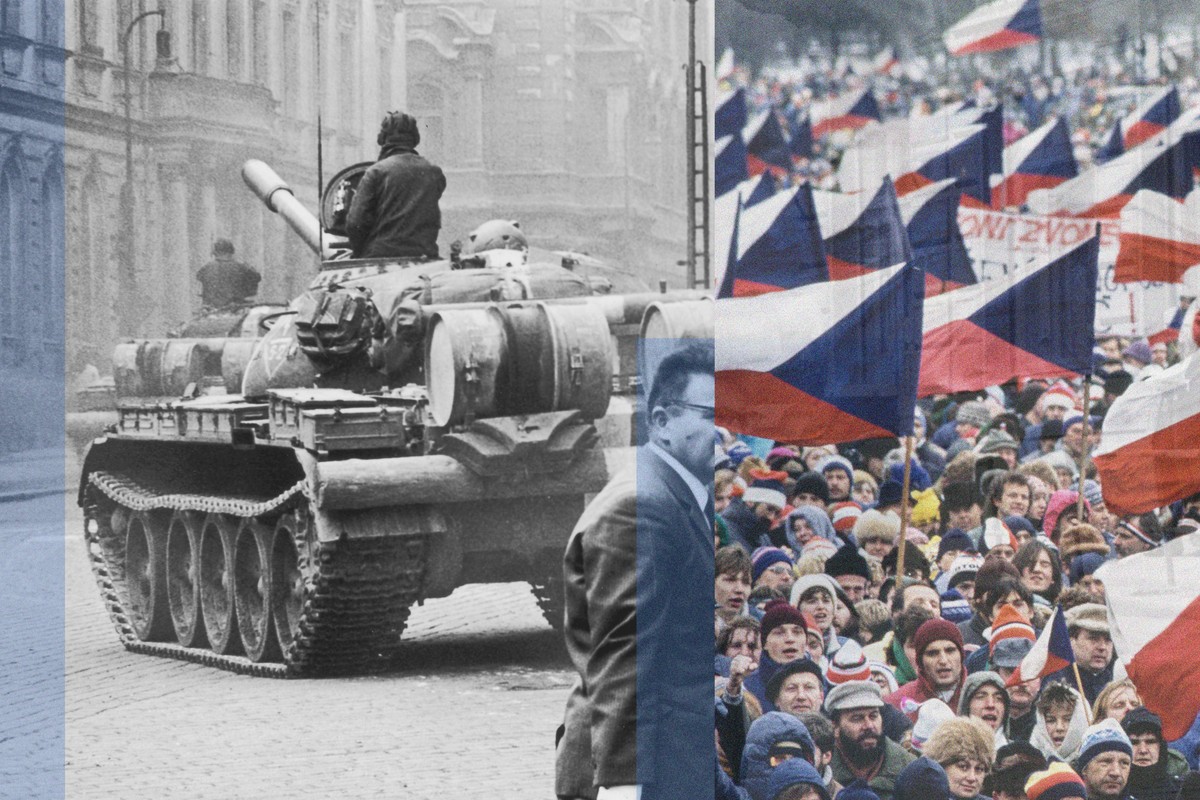
父亲出生于两次世界大战之间的自由捷克斯洛伐克,那是一个为其民主与文化感到自豪的国家。但1948年2月,一切都变了。共产党乘苏联战胜纳粹占领的势头,策动了一场政变。新政权完全照搬独裁者的剧本,用忠诚的阿谀奉承者取代称职的官员;审查独立媒体,向公众灌输大量宣传;控制法院、军队和警察;并迅速将国家划分为“我们”和“他们”。
My father had been born in free Czechoslovakia between the two world wars, into a country that was proud of its democracy and culture. But in February 1948, everything had changed. The Communist Party, riding the wave of Soviet triumph over the Nazi occupation, engineered a coup. The new regime followed the dictator’s playbook to the letter, replacing competent officials with loyal sycophants; censoring the independent media and flooding the public with propaganda; seizing control of the courts, military, and police; and quickly dividing the nation into “us” and “them.”
等到大约十年后我出生时,极权主义已渗透进我们呼吸的每一口空气里。在学校,我们背诵关于党的英明和“境内外帝国主义敌人”危险的口号。邻居们在楼梯间低声细语,或用暗语交谈;甚至家庭成员之间也会互相告密。一句不经意的话,代价可能是工作、学位,甚至自由。
By the time I was born, about a decade later, totalitarianism had saturated the very air we breathed. At school, we memorized slogans about the wisdom of the party and the danger of “imperialist enemies within and abroad.”Neighbors whispered carefully in stairwells, or spoke in code; even family members sometimes informed on one another. The price of a careless remark could be a job, a degree, or one’s freedom.
大多数人通过表演顺从来生存。如果你想让孩子上大学,你就得入党。如果你想在工作中晋升,你就得把自己的观点藏在心里,公开拥护党的教条。你会配合表演,眼看着纪念碑一座座建起,歌颂共产党及其领导人的所谓成就。道德被私有化、隐蔽化;在公共领域,残酷取代了同情。
Most people survived by performing obedience. If you wanted your child to study at a university, you joined the party. If you wanted a promotion at work, you kept your opinions to yourself and publicly embraced party doctrine. You’d play along, while watching memorials being built to honor the supposed successes of the Communist Party and its leaders. Morality was privatized and discreet; in the public forum, cruelty replaced compassion.
然而,在这灰色的从众表象之下,存在着一些反抗的角落——地下艺术家、作家、喜剧演员以及其他勇敢的人道主义者,他们敢于揭露真相。结果发现,我的父亲也是那隐秘反抗力量的一员。他的反抗方式较为低调,却足以让他丧命。每一次秘密任务、与地下工作者的会面,或是传递的每一份情报,都是一种勇敢的信仰之举,坚信总有一天真理会战胜谎言,民主会重归故里。
Yet beneath the gray conformity were pockets of resistance—underground artists, writers, comedians, and other brave humanitarians who dared to reveal the truth. It turned out that my father had been part of that hidden resistance. His rebellion took a quieter form, but one that could have cost him his life. Each secret mission, meeting with operatives, or report that he passed on was a courageous act of faith that someday the truth would prevail and democracy would return.
我也以自己的方式追随了他的脚步。与父亲共进午餐几天之后,我收拾了一个小背包,把60美元和一份新拿到的建筑学院毕业证书藏进一本挖空的书里,搭火车前往亚得里亚海沿岸一个热门的海滨度假胜地,当时那里属于南斯拉夫;我对外的说法是和几个朋友去度假。我的计划简单而绝望:翻越朱利安阿尔卑斯山进入意大利,走一条只有几年前我结识的几位当地登山爱好者知道的高山山口。
I followed his example in my own way. A few days after my lunch with my father, I packed a small rucksack, concealed $60 and a copy of my new architecture-school diploma in a hollowed-out book, and took a train to a popular beach resort on the Adriatic coast, in what was then Yugoslavia; my official story was that I was going on vacation with a couple of friends. My plan was simple, and desperate: to slip through the Julian Alps into Italy, crossing at a high pass known only to some local climbers I’d befriended years ago.
攀登过程极其艰难。松散的页岩在靴底下发出嘎吱声。晨雾遮蔽了山峰。微风带来松香气息,以及从下方山谷传来的远处牛铃声。当我终于登上海拔8000多英尺(约2400多米)的山脊时,我回望捷克斯洛伐克——望向我唯一熟知的生活。泪水顺着脸颊流下,我无声地向我的家人、女友、母语和祖国告别。我坚信,我再也见不到它们了。
The climb was brutal. Loose shale crunched under my boots. Morning mist veiled the peaks. A breeze carried the scent of pine and the sound of distant cowbells from the valleys below. When I finally reached the ridge, more than 8,000 feet high, I looked back toward Czechoslovakia—toward the only life I had known. With tears running down my cheeks, I said a quiet goodbye to my family, my girlfriend, my language, and my country. I believed that I would never see any of it again.
数小时后,在夏夜的黑暗中,我精疲力竭地跌跌撞撞走进意大利一侧边境的一家当地派出所,请求政治庇护。第二天,我被安置在罗马以南一小时车程的一个难民营。一位官员询问我希望移民去哪个国家。我毫不犹豫地回答:“美国。”对我来说,那不仅是一个目的地。它是一个象征——民主的灯塔,道德清晰的彼岸。
Hours later, in the darkness of the summer night, exhausted, I stumbled into a local police station on the Italian side of the border and asked for political asylum. The next day, I was welcomed into a refugee camp an hour south of Rome. An official asked me which country I wished to emigrate to. Without hesitation I answered: “America.”It was more than a destination for me. It was a symbol—the beacon of democracy, the far shore of moral clarity.
我现在在美国已经生活了四十多年。我于1990年入籍。我作为一名建筑师建立了成功的职业生涯,养育了一个儿子,纳税、投票、争论、相信。在那段时间的大部分里,法治在我脚下感觉稳固;事实就是事实;自由的理念不可动摇。我爱这个国家,并非因为它完美,而是因为它渴望以诚信和问责来治理。
I have now lived in the United States for more than four decades. I became a citizen in 1990. I have built a successful career as an architect, raised a son, paid taxes, voted, argued, believed. For much of that time, the rule of law felt solid beneath my feet; facts were facts; the idea of freedom was unshakable. I loved this country not because it was perfect but because it aspired to be governed with integrity and accountability.
我永远不会忘记1987年那种自豪感,当时我还是美国的新移民,听着总统罗纳德·里根在勃兰登堡门前挑战米哈伊尔·戈尔巴乔夫“推倒这堵墙”。两年后,当柏林墙倒塌时,那一刻感觉不仅是欧洲的解放,更是美国向世界以及像我这样的人所做出的承诺的实现:我们致力于支持和捍卫全球的民主运动和价值观。在私营部门工作了几十年后,我于2010年加入国务院,为我的移居国服务。我接下来写的内容仅代表我个人的观点,不代表我的雇主。
I’ll never forget the pride I felt in 1987, still a new émigré to America, listening to President Ronald Reagan as he stood at the Brandenburg Gate and challenged Mikhail Gorbachev to “tear down this wall.”Two years later, when the wall crumbled, the moment felt like not just Europe’s liberation but the fulfillment of a promise that America had made to the world, and to people like me: We are committed to supporting and defending democratic movements and values around the globe. After decades in the private sector, I joined the State Department in 2010, to serve my adopted country. What I write next reflects only my own opinions, and not those of my employer.
我现在感受到了我多年前逃离的那种威权主义的寒意。过去10年里,唐纳德·特朗普的崛起以及围绕他形成的运动,带回了一种我再也不想使用的词汇:宣传、清洗、个人崇拜。在这场转变的早期,我曾告诉自己,任何与共产主义捷克斯洛伐克的比较都是夸张。美国有强大的机构、自由的新闻媒体、独立的司法和国会,以及宪法中嵌入的制衡机制。
I now feel the chill of the authoritarianism that I fled long ago. Over the past 10 years, the rise of Donald Trump, and the movement that coalesced around him, have brought back a vocabulary that I never wanted to use again: propaganda, purge, cult of personality. Early on in this transformation, I told myself that any comparison to Communist Czechoslovakia was hyperbole. America had strong institutions, a free press, an independent judiciary and Congress, and checks and balances embedded in the Constitution.
但缓慢地,几乎难以察觉地,地面开始发生变化。任何生活在独裁统治下的人都能立刻识别出这种模式。独裁者首先灌输恐惧。他们利用不确定性来制造忠诚。他们以服从换取安全。当事实威胁到他们的权威时,他们就摧毁真理的概念本身。随之而来的是意识形态清洗、公开审判、封锁独立媒体。列宁在1918年就是这样做的。
But slowly, almost imperceptibly, the ground began to shift. To anyone who has lived under dictatorship, the pattern is instantly recognizable. Dictators start by instilling fear. They exploit uncertainty to manufacture loyalty. They promise safety in exchange for obedience. And when facts threaten their authority, they destroy the very idea of truth. With this comes ideological cleansing, show trials, the silencing of independent media. Lenin did this in 1918.
墨索里尼和希特勒在1930年代将其完善。斯大林在捷克斯洛伐克的傀儡总统克莱门特·哥特瓦尔德在1948年遵循了这一剧本。包装——口号、制服、演员——会根据环境而变化,但编排始终如一。
Mussolini and Hitler refined it in the 1930s. Stalin’s puppet president in Czechoslovakia, Klement Gottwald, followed the script in 1948. The packaging—the slogans, uniforms, actors—change depending on the setting, but the choreography is always the same.
在美国,我们现在已经听到了恐惧的语言——对移民的恐惧,对“全球主义者”的恐惧,对红州或蓝州邻居的恐惧,对持不同观点的朋友或同事的恐惧。制造“内部敌人”的老把戏再次出现。忠诚被置于能力和专业知识之上。在特朗普的第二个任期里,国家司法和执法机构已成为不公、暴力和压迫的工具。谎言已被常态化,真理变得可以谈判,有时甚至可以交易。
In the United States, we have now heard the language of fear—fear of immigrants, of “globalists,” of red or blue neighbors, of friends or coworkers who think differently. The old trick of inventing an “enemy from within” has resurfaced. Loyalty is valued over competence and expertise. In Trump’s second term, national institutions of justice and law enforcement have become tools of injustice, violence, and oppression. Lies have been normalized, and truth has become negotiable or, at times, transactional.
特朗普政府成员将作出不利于总统裁决的法官称为党派性,在某些情况下还要求弹劾他们。政府为非法驱逐出境甚至在明尼阿波利斯杀害无辜公民辩护。美国城市和城镇中武装国民警卫队和移民与海关执法人员的存在,传递出明确的政治恐吓信号。即使是曾被视为非政治化的军队,也已被卷入党派表演中。少数群体和移民社区承受着最沉重的打击,他们的存在本身被重新定义为对国家认同的威胁。
Members of the Trump administration have branded judges who rule against the president as partisan and, in some cases, called for their impeachment. The government has justified unlawful deportations and even the killings of defenseless citizens in Minneapolis. The presence of armed National Guardsmen and ICE agents in American cities and towns sends a clear message of political intimidation. Even the military, once seen as apolitical, has been drawn into the partisan theater. Minority and immigrant communities bear the heaviest weight, their very existence recast as a threat to national identity.
与此同时,该政府打击异见人士。质疑该政府公然撒谎的记者被人身攻击为“愚蠢”,并被诋毁为“假新闻”。独立媒体被禁止进入五角大楼和白宫。敢于讽刺权贵的喜剧演员和艺术家发现其作品遭到审查或悄然被取消资助。大学被污蔑为灌输营,数十亿美元的联邦拨款被取消或暂停,以迫使这些机构与该政府的政治议程保持一致。
At the same time, the administration has gone after dissenters. Journalists who question the administration’s blatant lies have been personally attacked as “stupid” and vilified as “fake news.”Independent outlets have been banned from the Pentagon and the White House. Comedians and artists who have dared to satirize the powerful have found their work censored or quietly defunded. Universities have been smeared as indoctrination camps, and billions of dollars in federal grants have been canceled or paused to pressure these institutions to align with the administration’s political agenda.
科学家被命令停止研究,或选择离开该国。与此同时,特朗普政府允许有利于少数忠诚者的公然腐败。单独来看,这些行为中的每一项都可能显得是越权;但合在一起,它们构成了当前政府削弱民主制衡、行使绝对权力的蓄意策略。
Scientists have been ordered to stop their research or have opted to leave the country. Meanwhile, the Trump administration allows blatant corruption that benefits the loyal few. Each of these acts, taken alone, might seem like an overreach; together they form a deliberate strategy by the current administration to diminish democratic checks and wield absolute power.
在共产主义时期的捷克斯洛伐克,政党控制的不仅是信息,还有想象力。它决定了词语可以代表什么含义。服从被重新定义为爱国主义;质疑政党被视为叛国。如今,我在“真正的美国人”、“人民的敌人”甚至“害虫”等短语中听到了同样的语义漂移,“害虫”一词有着黑暗的历史。
In Communist Czechoslovakia, the party controlled not only information but also imagination. It decided what words could mean. Obedience was redefined as patriotism; questioning the party was considered treason. These days, I hear that same semantic drift in phrases including real Americans, enemies of the people, and even vermin, a term with a dark history.
让我最担心的不是特朗普本人或那些为他效劳的人,而是如此多的普通公民愿意视而不见。我记得我在布尔诺的邻居,那些体面但疲惫的人,学会了忽视谎言、夜晚悄悄敲门的声音以及失踪事件。他们的生活足够舒适,不愿冒任何风险。随着时间的推移,他们的沉默变成了共谋。我看到同样的出于恐惧的行为正在悄悄渗透到美国人的日常生活中,这使得极权主义的铁爪收得更紧。
What worries me the most is not Trump himself or those who do his bidding, but rather the willingness of so many ordinary citizens to look away. I remember how my neighbors in Brno, decent but weary, learned to ignore the lies, the quiet knocks on the door at night, the disappearances. Their lives were comfortable enough not to take any risks. Over time, their silence became complicity. I see the same fear-driven behavior creeping into Americans’ daily lives, which allows for the jaws of totalitarianism to close tighter.
我并不天真。今天的美国不是1948年的捷克斯洛伐克。其民主制度历史更悠久,公民社会也更具韧性。几天后,美国人将有机会行使投票权,许多人将前往投票站。但正是因此,眼下的警示信号如此重要。一旦自满和恐惧在民众中扎根,民主的防线就会从内部瓦解。
I am not naive. The United States today is not Czechoslovakia in 1948. Its democratic institutions are older, its civil society more resilient. In a couple of days, Americans will have the chance to exercise their right to vote, and many will head to the polls. But this is why the warning signs matter so much now. Once complacency and fear take hold in a population, democracy’s defenses erode from within.
每一代人都必须决定自由值得付出什么代价。对我父亲而言,那是一段充满秘密和巨大个人风险的生活。对我而言,那是流亡。但在当前的处境中,勇气不必如此戏剧化。勇气是安静地拒绝放弃自己的良知。是被要求停止后仍继续发表数据的科学家,是仍然布置禁书的教师,是保护弱势群体而非举报他们的邻居。是面对不公正或目睹腐败时不保持沉默。是参与有组织的和平公共抗议。是保护和行使我们所有的宪法权利——包括根据第一修正案自由言论(和写作)的权利。是投票。
Each generation must decide what freedom is worth. For my father, it was a life of secrecy and great personal risk. For me, it was exile. But courage in our current situation doesn’t need to be this dramatic. Courage is the quiet refusal to surrender one’s conscience. It is the scientist who keeps publishing data after being told to stop, the teacher who still assigns banned books, the neighbor who protects the vulnerable instead of denouncing them. It is not staying silent when facing injustice or witnessing corruption. It is participating in organized and peaceful public protests. It is protecting and exercising all of our constitutional rights—including the right to speak (and write) freely under the First Amendment. It is voting.
当我想起父亲在那家烟雾弥漫的餐馆里时,我记得他的镇定——一个知道自己选择正确的人的沉稳,即使历史可能永远不会为他正名。他从不寻求认可。他的满足很简单:他希望真相最终会大白。而它确实大白了。他勇敢地与疾病抗争,足够长的时间,得以目睹捷克斯洛伐克的民主恢复。天鹅绒革命后,我得以返回,在他癌症抗争的最后阶段再次见到他。
When I think of my father in that smoky restaurant, I remember his composure—the steadiness of a man who knew that he had chosen correctly even if history might never vindicate him. He never sought recognition. His satisfaction was simple: The truth, he hoped, would eventually come out. And it did. He bravely battled his illness long enough to watch democracy restored in Czechoslovakia. I was able to return and see him again after the Velvet Revolution, when he was in the final stages of his struggle with cancer.
我有时会想象,如果他能看到如今的美国,在这个国家250岁生日的年份,他会说些什么。我想他会提醒我,民主不是继承来的,而是每天都要践行的。在美国,我们仍有在民主与专制之间做出选择的机会。而我们每个人都必须对自己作为公民将扮演的角色做出坚定的决定。
I sometimes imagine what he would say if he could see America now, in the year of its 250th birthday. I think he would remind me that democracy is not inherited but practiced every day. In America, we still have a choice between democracy and authoritarianism. And we must each make a firm decision about the role we will play as citizens.
然而,做出选择的窗口正在缩小。特朗普政府可能会因中期选举结果而变得更加嚣张,尤其是如果选举结果不符合其意愿,那么其对民主机构的攻击可能会更难以扭转。2021年1月6日,是一场由一群缺乏军事支持、组织松散的暴徒发起的拙劣且绝望的选举干预尝试。想象一下,如果类似的情景现在发生,会是怎样的局面:特朗普政府已充斥着忠诚者,而军队和司法系统也已被彻底政治化。
The window for that choice, however, is narrowing. The Trump administration could be emboldened by the midterm results, especially if the elections don’t go its way, and its attacks on democratic institutions could become more difficult to roll back. January 6, 2021, was a sloppy, desperate attempt at election interference by an uncoordinated mob without military support. Imagine how a similar scenario would play out now, when the Trump administration is stocked with loyalists, and the military and justice system are so thoroughly politicized.
尽管如此,我仍然相信美国理想的复兴。历史记录了民主如何衰落,也记录了民主如何重新崛起。从布拉格的瓦茨拉夫广场到柏林墙,再到塞尔玛的埃德蒙·佩蒂斯桥,进步始终始于那些团结一起、简单地说一声“够了”的人。四十年前,我穿过朱利安阿尔卑斯山时,以为自己正奔向自由。事实上,我心中早已拥有自由。
And yet, I still believe in the renewal of American ideals. History records how democracies fall, but also how they rise again. From Prague’s Wenceslas Square to Berlin’s wall to Selma’s Edmund Pettus Bridge, progress has always begun with those who have joined together to say, simply, Enough. When I crossed the Julian Alps four decades ago, I thought I was running toward freedom. In truth, I was carrying it within me.