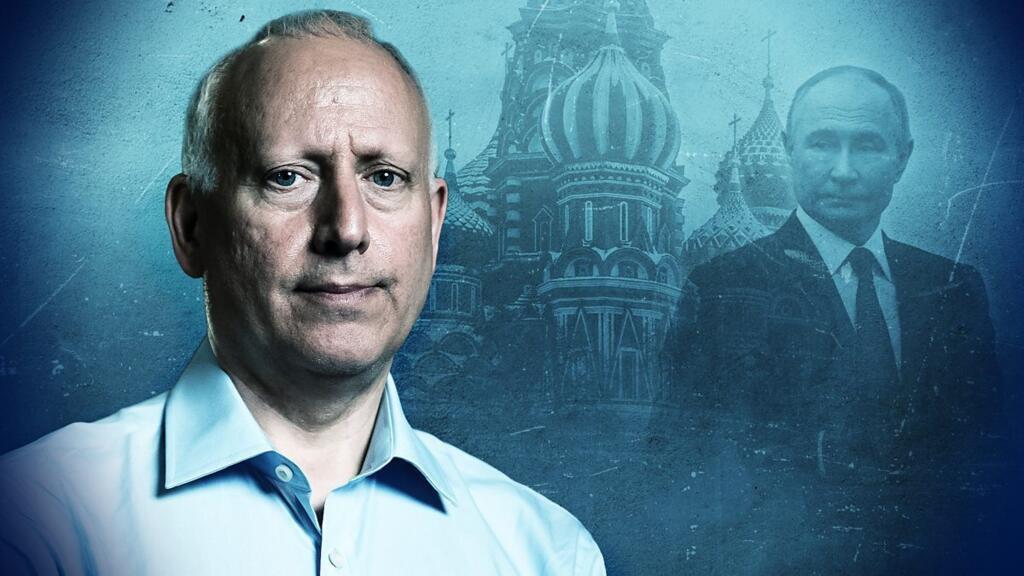
如何从首都莫斯科报道处于战争状态的俄罗斯的真实面貌?BBC驻俄罗斯记者史蒂夫·罗森伯格在莫斯科驻守超过30年,是仍在该国工作的为数不多的西方记者之一。他接受了法广(RFI)采访,谈及他在俄罗斯作为记者的日常生活,以及尽管克里姆林宫对外国媒体的敌意日益加剧,他为何选择留下。
How does you report on the reality of a Russia at war from its capital? Based in Moscow for more than 30 years, the BBC's Russia correspondent Steve Rosenberg is one of the few Western journalists still working in the country. He spoke to RFI about his daily life as a reporter in Russia and why he has chosen to stay, despite the Kremlin's increasing hostility to foreign media.
罗森伯格在俄罗斯颇具知名度。他在电视新闻发布会上向包括总统弗拉基米尔·普京在内的俄罗斯政治领导人提出直截了当、不留情面的问题,赢得了声誉,这使得他常在街头被路人拦住——他表示,这些遭遇绝大多数是积极的。
Rosenberg is well known in Russia. The fame he has gained asking Russia's political leaders, including President Vladimir Putin, direct and unflinching questions during televised press conferences means he is often approached in the street – encounters he says are overwhelmingly positive.
“人们经常走过来跟我握手,或者请求合影……这说明了该国正在发生的很多事情,”他说。“依我之见,这表明官方媒体散布的大规模反西方宣传并未触及全体民众。”近期,他前往法国参加巴约-卡尔瓦多斯-诺曼底战争记者奖颁奖典礼——该活动放映了BBC纪录片《》,记录了罗森伯格在俄罗斯报道一年的生活——期间,他接受了法广专访。法广:身处俄罗斯之外的西欧、法国,是什么感受?
"Very often, people come up to shake my hand or ask for a selfie... it says a lot about what's happening in the country," he said. "In my view, it shows that the massive wave of anti-Western propaganda disseminated by state media hasn't reached the entire population." On a recent visit to France to attend the Bayeux Calvados-Normandy Award for War Correspondents – which held a screening of the BBC documentary , following a year in Rosenberg's life reporting from Russia – he sat down with RFI. RFI: How has it felt being out of Russia in Western Europe, in France?
史蒂夫·罗森伯格:每次离开俄罗斯——这并不频繁——抵达欧洲或回英国老家,我最初都会觉得走出我生活和工作的这个“气泡”很陌生。但我认为,每隔几个月离开一次俄罗斯、退后一步、从远处审视那里发生的一切,然后再返回,这很重要。
Steve Rosenberg: Every time I leave Russia, which isn't very often, and arrive in Europe or go back home to the UK, I initially find it strange to step out of this bubble I live and work in. But I think it's important to leave Russia every few months, take a step back, and look at what's happening there from a distance before going back.
从某种意义上说,如今在俄罗斯工作有点像做深海潜水员。你潜入水面之下,进入一个压力巨大、极其陌生的环境。全面入侵乌克兰后,我感觉仿佛有一股巨浪吞没了我熟知的那个俄罗斯。
In a way, working in Russia today is a bit like being a deep-sea diver. You descend below the surface, into a very strange environment where the pressure is intense. After the full-scale Russian invasion of Ukraine, I felt as if a huge wave had engulfed the Russia I knew.
因此,不时浮出水面——如果你愿意,可以摘下呼吸器——呼吸一下,然后再潜下去,这很重要。当我离开这个国家时,我希望能回来,因为它让我着迷,我想知道会发生什么。但不时释放一下压力很重要。
And so, from time to time, it's important to surface – remove your regulator, if you like – and breathe before diving again. When I leave the country, I want to return because it fascinates me and I want to know what will happen. But it's important to release the pressure from time to time.
法国对俄罗斯禁止“无国界记者组织”感到“震惊” 法国国际广播电台:您1991年首次抵达俄罗斯,最初是去教英语,后来成为BBC记者。您还记得您所了解的俄罗斯真正发生改变的时刻吗?是否有个转折点,还是说这是逐渐发生的?
France ‘dismayed’ over Russia’s ban on Reporters Without Borders RFI: You first arrived in Russia in 1991, initially to teach English, later becoming a BBC correspondent. Do you remember a moment when the Russia you knew truly changed? Was there a turning point, or was it something that unfolded gradually?
史蒂夫·罗森伯格:当你身处龙卷风中心时,很难看清发生的一切。只有事后回顾,你才会意识到,“啊,那就是事情发生改变的确切时刻”。
SR: When you're in the midst of a tornado, it's difficult to see everything that's happening. It's only in retrospect that you realise, "ah, that was the precise moment when something changed".
回顾过去,我觉得我经历了四个不同的俄罗斯。我看到了苏联俄罗斯的终结——1990年我在莫斯科学习了一年。所以我经历了苏联的最后挣扎。然后我见证了1991年的解体。
Looking back, I feel like I've known four different Russias. I saw the end of Soviet Russia – I spent a year studying in Moscow in 1990. So I experienced the last gasps of the Soviet Union. Then I witnessed its collapse in 1991.
之后我经历了1990年代的俄罗斯,即独立俄罗斯的第一个十年,那是一个充满混乱但也充满希望的时期。人们以为俄罗斯和西方会成为朋友,以为和平新纪元即将来临。但这也是一个混乱的时期,车臣战争让许多俄罗斯人陷入贫困。
After that I experienced Russia in the 1990s, the first decade of independent Russia, a period full of chaos but also hope. People thought Russia and the West would become friends, that a new era of peace was dawning. But it was also a period of chaos, during which many Russians were impoverished by the wars in Chechnya.
然后是普京的俄罗斯,第一个版本。他在2000年上台标志着一个不同的俄罗斯。从一开始就有令人担忧的迹象,但似乎普京想改善与欧洲和西方的关系。经济在增长。油价很高。然后,这个国家逐渐变得更加威权。
Then there was Putin's Russia, the first version. His rise to power in 2000 marked a different Russia. There were worrying signs from the start, but it seemed Putin wanted to improve relations with Europe and the West. The economy was growing. Oil prices were high. Then, gradually, the country became more authoritarian.
最后,我体验了2022年后的俄罗斯,我常称之为“Z-俄罗斯”。“Z”是克里姆林宫所谓在乌克兰“特别军事行动”的象征之一。这是一个截然不同的俄罗斯,专制程度大大增强,压制性法律更多。一个正在与邻国交战、且内部镇压日益加剧的国家。法广:您是否惊讶于普京竟走到入侵乌克兰这一步?
Finally, I've experienced post-2022 Russia, which I often call Z-Russia. The Z is one of the symbols of what the Kremlin calls the "special military operation" in Ukraine. It's a very different Russia, much more authoritarian, with more repressive laws. A country at war with its neighbour and with ever-increasing internal repression. RFI: Were you surprised that Putin went so far as to invade Ukraine?
莎拉·雷恩斯福德:是的,绝对惊讶。我不认为他会做出那个决定。这是克里姆林宫一次好战的武力展示。那天我整天都在直播,直到深夜。当我结束最后一场直播坐下时,我第一次真正领会到刚刚发生之事的严重性。我明白生活再也不会回到从前了。不仅对俄罗斯,也对欧洲、对西方而言都是如此。
SR: Yes, absolutely. I didn't think he would make that decision. It was a belligerent show of force by the Kremlin. That day I was on air all day, until late into the night. When I finished my last live broadcast, I sat down and, for the first time, I truly grasped the magnitude of what had just happened. I understood that life would never be the same again. Not only for Russia, but also for Europe, for the West.
而且我确信普京当时不认为这会是一场战争。我确信他肯定以为几天之内,至多几周,乌克兰政府就会在基辅垮台,一个亲莫斯科政权就会建立,一切都将止步于军事行动。但当局显然判断失误。
And I'm certain Putin didn't think it would be a war. I'm certain he must have been convinced that in a matter of days, or weeks at most, the Ukrainian government would collapse in Kyiv, a pro-Moscow regime would be installed and the whole thing would remain a military operation. But the authorities clearly miscalculated.
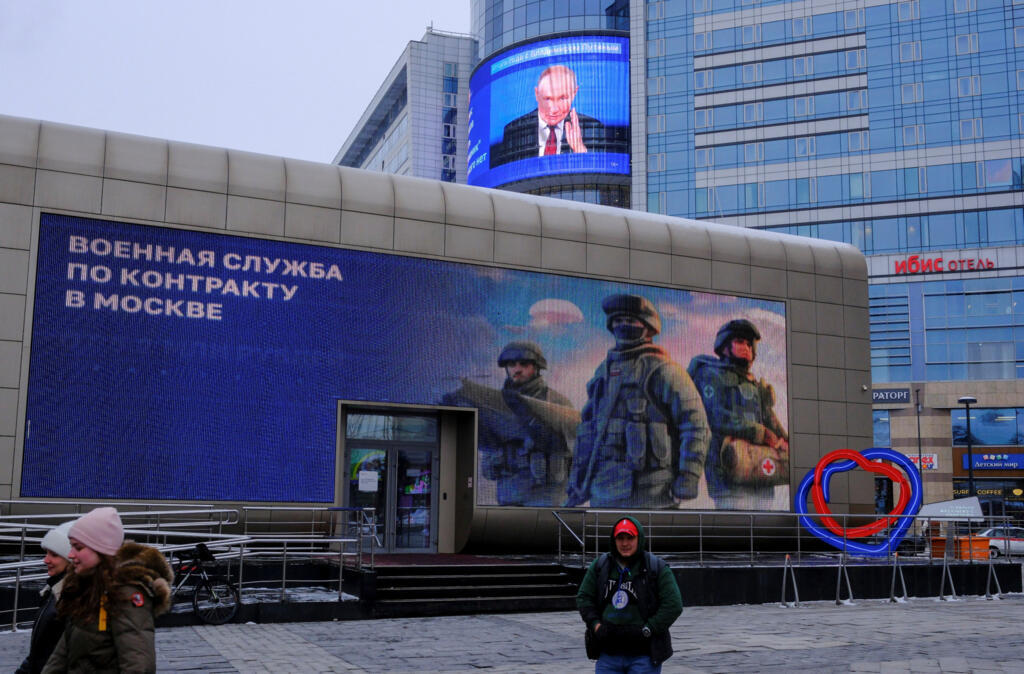
俄罗斯指责法国因驱逐记者而“压制异见” 法广:我们来谈谈您在莫斯科为BBC工作的情况。您必须每三个月续签一次签证和采访证,这如何影响您的工作?
Russia accuses France of ‘silencing dissent’ over journalist expulsion RFI: Let's talk about how you do your job in Moscow for the BBC. You have to renew your visas and accreditations every three months, how does that affect the way you work?
莎拉·雷恩斯福德:以前,我们获得的是一年期签证和采访证、多次往返签证……但自入侵乌克兰以来,来自所谓“不友好国家”的记者只能获得三个月签证。英国在该名单上。所以我们必须每三个月续签一次签证和采访证。
SR: Previously, we received one-year visas and accreditations, multiple-entry visas... But since the invasion of Ukraine, journalists from so-called "unfriendly countries" only receive three-month visas. And the UK is on that list. So we have to renew our visas and accreditations every three months.
起初,随着到期日临近,你不可避免地会想:他们会不会续签?我想这正是当局希望我们产生的心理。但我已明白,担心毫无意义。如果有一天他们决定不续签我的签证,我无能为力,也无法影响他们的决定。所以担心或时刻收拾好行囊都毫无意义。
At first, as the expiration date approaches, you inevitably wonder if they will renew it or not. I imagine that's exactly how the authorities want us to feel. But I've come to understand that there's no point in worrying. I can't do anything if one day they decide not to renew my visa, I won't be able to influence their decision. So there's no point in worrying or keeping a suitcase packed.
法广:自2022年以来,您也必须以不同方式看待遇到的人、见面地点以及互动方式。请谈谈这方面的情况。
RFI: Since 2022, you also have to think differently about the people you meet, where you meet them and how you interact with them. Tell us about that.
罗宾逊:我们显然必须非常慎重地考虑与谁交谈、让谁上节目或露面。2022年2月后,俄罗斯通过了一整套压制性法律,旨在压制异见声音、惩罚批评当局和战争的人。因此我们有责任确保上节目者的安全。
SR: We obviously have to think very carefully about who we talk to and who we put on air or show. After February 2022, a whole series of repressive laws were passed in Russia to silence dissenting voices and punish those critical of the authorities and the war. So we have an obligation to ensure the safety of the people we put on air.
当我进行[街头采访普通民众]时,不会直接问:“你支持战争还是反对战争?”,因为这可能给他们惹来麻烦。但还有许多其他问题,能让我们摸清民意、了解发生了什么。
When I conduct [interviews with ordinary people in the streets] I don't directly ask people: "are you for the war or are you against the war?", because that could get them into trouble. But there are many other questions that allow us to gauge public opinion and understand what's happening.
还有一些我们过去能去、现在却去不了的地方。例如,过去两三年里,BBC未获准前往别尔哥罗德、库尔斯克和布良斯克等与乌克兰接壤的地区——那里显然因轰炸和无人机袭击产生了大量新闻线索。如今前往这些地区需要特别许可,而许可并未获批。我们持续申请,但目前仍无法前往。
There are also places we can no longer go that we used to. For example, for the past two or three years, the BBC hasn't been granted permission to go to the Belgorod, Kursk, and Bryansk regions bordering Ukraine – where bombings and drone attacks obviously generate a lot of stories. Now you need special permission to go to these regions, which isn't being granted. We keep applying, but for now we can't go.
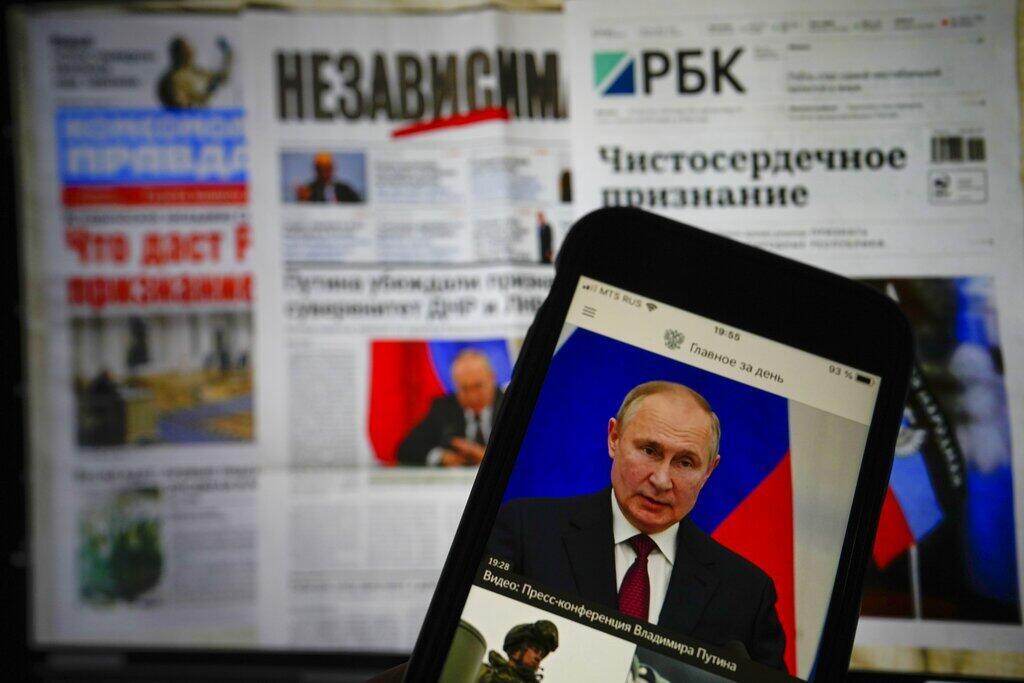
我阅读俄罗斯媒体并定期发布媒体综述,因为报纸透露了很多国内发生的事。即便在高度管控的媒体环境下,它们也反映了莫斯科发生的发展变化。如果我报道报纸上的内容,当局就不能指责我散布宣传。
I read the Russian press and regularly publish a review of it, because the newspapers say a lot about what's happening in the country. Even in a highly controlled media environment, they reflect the developments taking place in Moscow. And the authorities can't accuse me of spreading propaganda if I report what's in the newspapers.
“最大风险仍然是人为发动的攻击”,网络威胁专家向RFI警告RFI:现在说服别人接受采访很难吗?
'The major risk remains a human-directed attack', cyber threat expert warns RFI RFI: Is it difficult now trying to convince people to talk to you?
SR:我们过去有一份非常长的投稿人、专家和评论员名单,可以联系他们讨论各种话题:文化、音乐、政治、经济。然后在2022年之后——实际上,这始于全面入侵之前——一些人开始拒绝我们的采访请求。那份长名单变得极短。
SR: We used to have a very long list of contributors, experts and commentators we could contact to talk about all sorts of topics: culture, music, politics, economics. And then after 2022 – actually, this had started before the full-scale invasion – some people began refusing our interview requests. That long list became extremely short.
有些人害怕接受BBC采访。他们不想冒被指控与一家主要西方媒体有联系的风险。另一些人已经离开了这个国家。
Some people are afraid to speak to the BBC. They don't want to risk being accused of associating with a major Western media outlet. Others have left the country.
让我惊讶的是,普通人总是同意在街头接受我们的采访。无论我们去哪里,城市、小城镇或村庄,我们都会拦截路人。我总是自我介绍,并说明我为BBC工作。当然,不是每个人都同意交谈,但如果你在伦敦牛津街拦截路人,也不是每个人都会回答你的问题。许多人同意和我们交谈,这令人鼓舞。
What surprises me is that ordinary people always agree to talk to us in the street. Wherever we go, in cities, small towns or villages, we stop passersby. I always introduce myself, specifying that I work for the BBC. Of course, not everyone agrees to talk, but if you stop people on Oxford Street in London, not everyone will answer your questions either. Many people agree to talk to us, and that's encouraging.
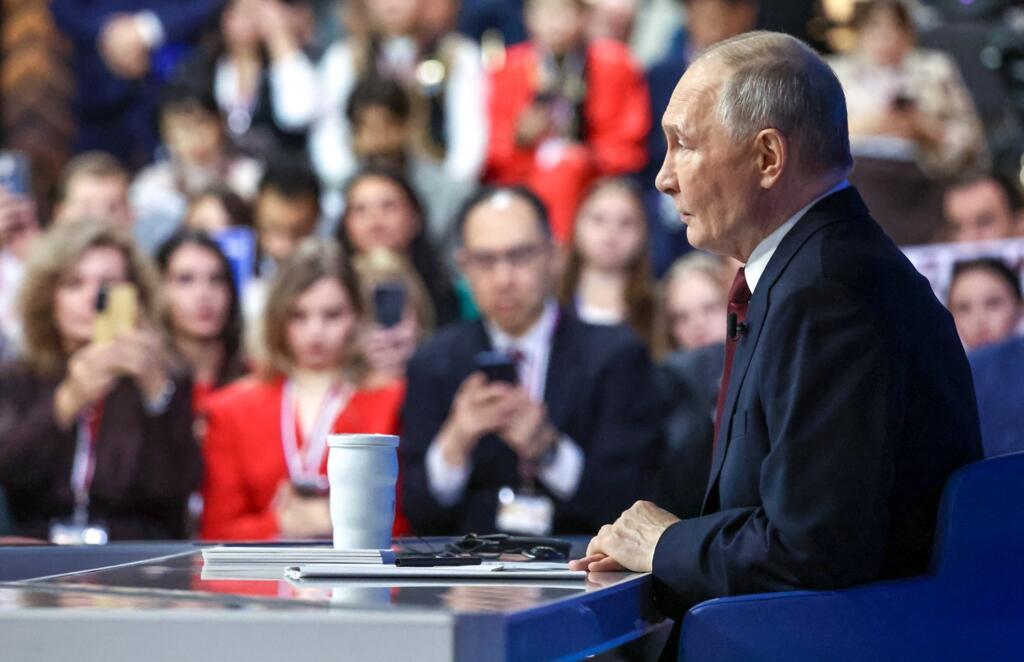
RFI:今天俄罗斯几乎不存在新闻自由。当你在普京每年12月的年度新闻发布会上提问时,问题有时比答案更重要吗?
RFI: Freedom of the press is virtually non-existent in Russia today. When you ask Putin a question during his annual December press conference, is the question sometimes more important than the answer?
SR:首先,不能保证我能获得发言权。但当我有机会时,我知道这是巨大的责任。我必须思考我要问的问题,以及全国各地收看直播的俄罗斯人会听到什么。
SR: First of all, there's no guarantee I'll get the floor. But when I do have the opportunity, I know it's a huge responsibility. I have to think about the question I'm going to ask, and what the Russians watching live across the country will hear.
这不容易,因为你很少能得到追问——一旦提问,他们就会拿走麦克风。但即使是向普京提出一个问题,得到一个回答,也能揭示他的思维方式。
It's not easy because you rarely get a follow-up question – once the question is asked, they take the microphone away. But even a single question to Putin and a single answer can shed light on his way of thinking.
有一次[在我提问之后],第二天我们大楼的保安说:“Steve,你昨天问我们总统的问题,是我们所有人都在问自己的问题。”这让你了解人们在想什么。
One time [after I had asked a question], the next day the security guard in our building said: "Steve, the question you asked our president yesterday is a question we're all asking ourselves."
我很想能和普京进行一次真正的采访。到目前为止,我的尝试都失败了。我采访过两次[白俄罗斯总统亚历山大]卢卡申科,每次都进行了长时间的会谈。他和普京是非常不同的性格。他回答所有问题,似乎在采访中享受一种决斗的感觉。套娃娃、白俄罗斯修女、法国教堂和俄罗斯军队之间有什么联系?RFI:你认为身处现场为什么很重要?
It teaches you something about what people are thinking. I would love to be able to conduct a real interview with Putin. So far, my attempts have failed. I've interviewed [Belarusian President Aleksandr] Lukashenko twice, in lengthy sessions. He's a very different character from Putin. He answers everything and seems to enjoy a kind of duel during the interview. What links matryoshka dolls, Belarusian nuns, French churches and Russian troops? RFI: Why do you think it's important to be there on the ground?
SR:身临其境具有真正的价值。如果你不在那里,如果没有更多的外国记者,一切都会变成非黑即白。所有俄罗斯人似乎都变成黑色,整个国家也是如此。但当你身处其中时,我们就能看到其中的细微差别。
SR: Being there in person has real value. If you're not there, if there are no more foreign correspondents, everything becomes black or white. All Russians seem black, and the whole country too. But when you're there, we can see the nuances.
我举个例子。我正在一次采访行程后返回莫斯科,我们在距离城市约200公里的一个加油站停了下来。我想买一些饼干。当我走近付款时,另一位顾客认出了我。他走上前来,问我是不是记者。我回答说是的。他告诉我:“我在某个地方看到过你的报道,也许是在YouTube上。”他说他想为我付饼干的钱。我告诉他不必了,非常感谢,但没必要。他坚持要付,并付了钱。然后他带着灿烂的笑容走上前来和我握手,之后离开。正是这些小小的互动,让我们了解到很多正在发生的事情。
I'll give you an example. I was returning to Moscow after a reporting trip and we stopped at a petrol station about 200 kilometres from the city. I wanted to buy some biscuits. As I was approaching to pay, another customer recognised me. He came up to me and asked if I was a reporter. I replied yes. He told me: "I saw your reports somewhere, maybe on YouTube." And he said he wanted to pay for my biscuits. I told him he didn't have to, that it was very kind but not necessary. He insisted, and he paid. Then he came to shake my hand with a big smile before leaving. It's these small interactions that teach us a lot about what's going on.
这不仅仅是了解总统说了什么、想什么,还要了解普通俄罗斯人说了什么、想什么。
It's not just about knowing what the president says and thinks, but also what ordinary Russians say and think.
RFI:你现在已经在俄罗斯报道超过25年了。在《……》中,你说你想留下来讲述这个故事的结局。对你来说,看到这个故事的结局很重要吗?
RFI: You've been reporting from Russia for more than 25 years now. In , you say you want to stay to tell the end of this story. Is it important for you to see it through to the end?
SR:是的,我一直这样告诉自己,但这现实吗?这个故事什么时候结束?从某种意义上说,俄罗斯就像一部宏大的托尔斯泰小说——它是……。不幸的是,此刻更多的是战争而非和平。我们翻着书页,想知道小说将如何结束,但它似乎永无止境。它一直持续下去。一个俄罗斯取代另一个俄罗斯,然后又是另一个。
SR: Yes, I tell myself that all the time, but is it realistic? When will this story end? In a way, Russia resembles a vast Tolstoy novel – it's . Unfortunately, more war than peace in this moment. We turn the pages wondering how the novel will end, but it seems to go on forever. It just keeps going. One Russia replaces another, then another.