威廉·加尔斯顿说得对,“领导人过去会承担责任”(政治与观点,10月28日),但他遗漏了两个明显的例子,这两个例子与以色列情报、军事和政治失败相类似,这些失败发生在2023年10月7日哈马斯袭击之前。
William Galston is correct that “Leaders Used to Accept Responsibility,” (Politics & Ideas, Oct. 28), but he omits two glaring examples that are analogous to the Israeli intelligence, military and political failures that preceded the Hamas attack of Oct. 7, 2023.
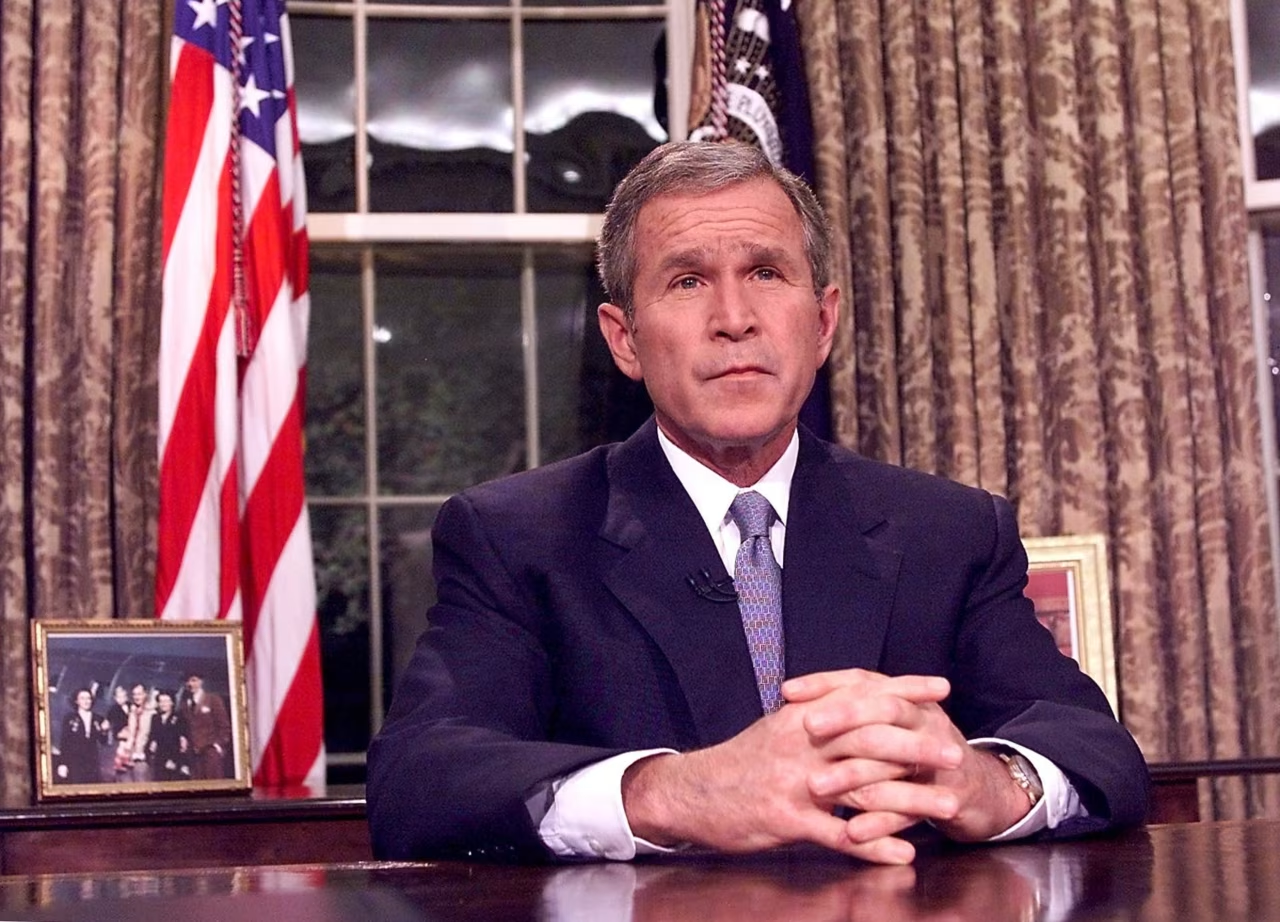
富兰克林·罗斯福总统在1941年12月8日向国会发表的讲话中,没有为珍珠港突袭承担责任,而是指责日本。乔治·W·布什总统在2001年9月11日恐怖袭击后的全国讲话中,或在几周后向国会发表的讲话中,没有为袭击承担责任,而是指责恐怖分子。相反,两人都着眼于未来,将战争带给敌人,并捍卫美国。
President Franklin D. Roosevelt, in his remarks to Congress on Dec. 8, 1941, didn’t accept responsibility for the sneak attack on Pearl Harbor and blamed Japan. President George W. Bush, in his address to the nation after the terrorist attacks of Sept. 11, 2001 or in his speech to Congress several weeks later, didn’t accept responsibility for the attacks and blamed the terrorists. Instead both men focused on the future, taking the war to the enemy, and defending the U.S.