视频游戏公司长期以来一直处于人工智能的前沿,在聊天机器人(如ChatGPT)出现前数年,便已利用其早期形态来控制非玩家角色行为、模拟人群以及动态调整游戏难度。
Video game companies have long been at the vanguard of artificial intelligence, using it in its more nascent form to dictate non-player character behaviour, simulate crowds and adjust game difficulty on the fly years before the advent of chatbots like ChatGPT.
如今,该技术越来越多地被用于编写代码、创建视觉素材,甚至合成实时配音,取代了原本将从事这些工作的人类。
Today, the technology is increasingly being deployed to write code, create visual assets and even synthesise real-time voice-overs, supplanting humans who would have otherwise done the work.
然而,工作室仍支付报酬聘请人类为角色制作动画——其中许多人是泰国、马来西亚和越南的学生及应届毕业生,他们的收费远低于欧美或日本的艺术家。
Yet studios do still pay people to animate their characters – many of them students and recent graduates in Thailand, Malaysia and Vietnam, who charge far less than artists based in the West or Japan.
因此,这个价值2750亿美元的行业正证明自己是创意工作领域的一个罕见例外:即使AI简化了游戏开发的大部分流程,人类创作的艺术作品在游戏制作者和玩家心中仍具有一定的崇尚价值。
The US$275 billion industry is thus proving to be a rare exception in the field of creative work, with human-created art still carrying a certain cachet among game makers and players, even as AI streamlines much of the game development process.
摩根士丹利研究部在5月的一份报告中估计,AI工具每年可为游戏行业削减220亿美元成本。开发者目前正利用这些工具编写代码、进行早期概念设计,并自动化绘制连接动画关键帧的“中间帧”等重复性任务。
AI tools could cut annual games industry costs by US$22 billion, Morgan Stanley Research estimated in a May report. Developers are now using them to code, work on early concepts and automate repetitive tasks such as drawing the “in between” frames that link key moments in an animation.

日本计算机娱乐协会(CESA)于9月发布的一项针对1300多名业内人士的调查显示,超过85%的日本游戏开发者表示正在使用生成式AI来降低成本并推动增长。
In a survey of more than 1,300 industry insiders published by Japan’s Computer Entertainment Supplier’s Association in September, over 85 per cent of Japanese game developers said they were using generative AI to trim costs and drive growth.
从独立初创公司到主导行业的“3A”巨头,工作室正变得更加精简,它们利用AI完成部分工作,再将成品美术外包给像James Chaingam这样的自由职业者——这位19岁的年轻人是泰国北部清迈大学动画与视觉特效专业的一年级学生。
Studios, from indie start-ups to the “AAA” behemoths that dominate the sector, are becoming leaner, using AI for part of the work, then commissioning the finished artwork from freelancers like James Chaingam, 19, a first-year animation and visual effects student at Chiang Mai University in northern Thailand.
“消费者依然想要人类创作的艺术作品,”他对《亚洲周刊》表示。“外面有一群人想要具有特定风格的艺术家,想要与懂得他们需求的人类合作。他们想要原创性,依然依恋创造力中的人性一面。”
“Consumers still want human art,” he told This Week in Asia. “There is a funnel of people out there who want artists with specific styles, people who want to work with humans who know what they are looking for. They want originality and they are still attached to the human side of creativity.”
聊天机器人能够以近乎零成本将简单的文本提示转化为图像、视频和大量文案,价格稍高的AI智能体甚至能创作完整的电子游戏——质量参差不齐——且速度和成本远超任何人类。
Chatbots are able to turn simple text prompts into images, videos and reams of written copy for next to nothing, with slightly pricier AI agents even capable of creating entire video games – of varying quality – far faster and more cheaply than any human.

相比之下,东南亚自由职业者通常收取50美元至300美元不等的费用,来制作一个电子游戏角色或一套游戏内“素材”,范围涵盖武器、道具、环境布景、音效和背景音乐等。
Southeast Asian freelancers, by comparison, typically charge between US$50 and US$300 to craft a video game character or produce a set of in-game “assets”, ranging from weapons, props and environmental set-dressing to sound effects and background music.
这些低价帮助工作室在竞争对手林立、廉价提示词拼凑游戏泛滥的超竞争市场中保护利润空间。
These low prices help studios protect their margins in a hyper-competitive market crowded with rivals and cheaply made prompt-assembled games.
与此同时,独立工作室在该地区如雨后春笋般涌现——其中包括马来西亚的Okakichi工作室,由资深日本游戏开发者冈本吉起创立,他因《街头霸王》等经典作品而闻名。他原本的雇主、总部位于大阪的游戏巨头卡普空,年收入超过12亿美元。
At the same time, indie studios are cropping up across the region – among them Malaysia-based outfit Okakichi, founded by Yoshiki Okamoto, a veteran Japanese games developer renowned for his work on classic titles such as . His former employer, the Osaka-based gaming giant Capcom, has an annual revenue of more than US$1.2 billion.
在泰国清迈共同创立了Bit Egg动画、美术与游戏开发工作室的游戏设计师兼讲师Andy Chaisriri表示,成本只是该地区吸引力的一部分。
Andy Chaisriri, a game designer and lecturer who co-founded the Bit Egg animation, art and game development studio in Chiang Mai, Thailand, said cost was only part of the region’s appeal.
“许多美国工作室一直在缩减规模或关闭。在洛杉矶设立工作室的成本非常高,相比之下,曼谷、清迈或吉隆坡要低得多,”他说。
“A lot of US studios have been shrinking or closing. It’s very expensive to have a studio in Los Angeles vs say Bangkok, Chiang Mai or Kuala Lumpur,” he said.
“但人们来这里[不仅仅]是因为便宜,他们能得到有趣的成果。泰国的人才基础雄厚。”他表示,由于拥有英语“优势”,更多西方3A级工作室选择进驻马来西亚而非泰国,并补充说泰国动画师倾向于汲取广泛的影响,包括来自中国和美国的影响。
“But people aren’t coming here [just] because it’s cheap, they get interesting results. The Thai talent base is strong.”More Western AAA studios were heading to Malaysia than to Thailand because of its English-speaking “advantage”, he said, adding that Thai animators tended to draw on influences from far and wide, including China and the US.
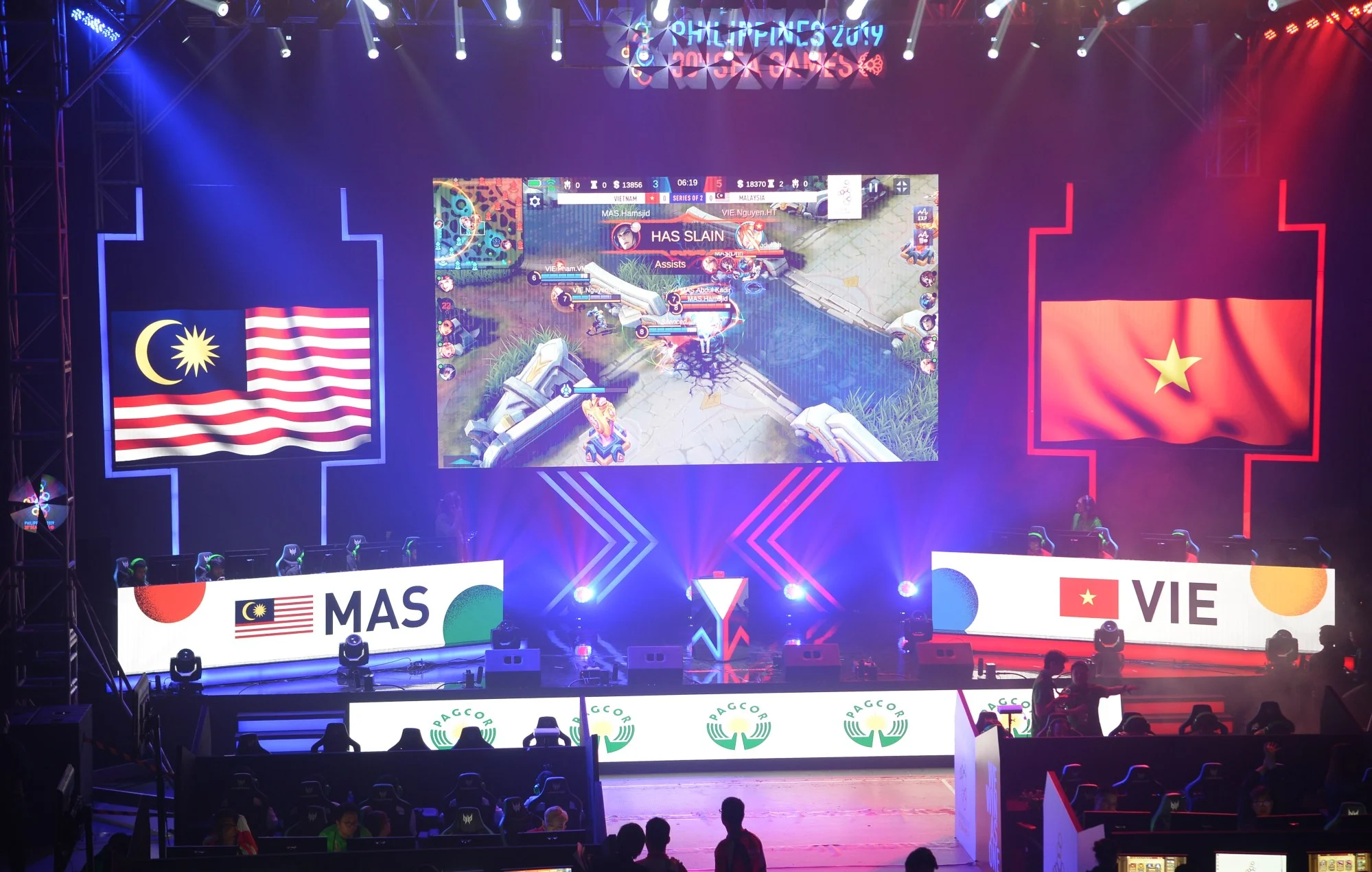
日本的大型游戏工作室也将业务外包给该地区,委托个别艺术家合作,并基于信任建立长期关系。“日本工作室对记住特定艺术家更为具体,”Chaisriri 表示。
Japan’s big games studios send work to the region too, commissioning individual artists with whom they build long-term relationships based on trust. “Japanese studios are more specific about remembering specific artists,” Chaisriri said.
谈到游戏内美术资产,生成式 AI 仍落后于潮流,因为它倾向于产出“大众审美所回避的风格”,他说。“山寨货看起来就是山寨货,你不想拿出来展示。”
When it came to in-game artwork, generative AI was still behind the curve because it tended to produce “an aesthetic that people avoid”, he said. “The knock-off looks like a knock-off, you don’t want to show that off.”
Chaisriri 补充道,在创意工作外包时,关系最为重要。“没有什么能比得上过往成功的合作关系,”他说。“虽然比日本便宜,但人们找到东南亚工作室后就会长期合作。他们记住那些个别艺术家,而最大的省时之处在于拥有经过验证的合作关系。”对于像 Chaingam 这样靠以笔名 Avomavomy 接单做自由插画师和动画师赚取学费的学生来说,担心的是有薪岗位可能在他完成培训、正式进入职场前就消失殆尽。
Relationships mattered most when creative work was outsourced, Chaisriri added. “Nothing will beat a previous relationship that worked,” he said. “It’s going to be cheaper than Japan, but people find Southeast Asian studios and they stick with them. They remember those individuals [and] the biggest timesaver is having a proven relationship.”For students like Chaingam, who pays his way through university by picking up work as a freelance artist and animator under the pen name Avomavomy”, the fear is that paid-for roles might vanish before he can complete his training and properly join the workforce.
AI 正渗透进游戏开发的更多环节,从概念到设计,并日益具备为可能更看重产量而非艺术性的市场批量生产内容的能力。
AI is moving into more parts of game development, from concept to design, and is increasingly able to mass-produce content for a market that may come to value volume over artistry.
“生成式 AI 仍存在信任问题。并非所有人都对它感到放心,”Chaingam 说。“但它正在给产业链下游带来压力……我们都在争夺工作、接自由职业单子。行业饱和了,所以价格被压低。”
“There is still a trust problem around generative AI. Not everyone is comfortable with it,” Chaingam said. “But it is bringing pressure down the chain … we are all competing for jobs, taking on freelance work. It [the industry] is saturated, so the price gets lower.”
他说,他的泰国同学技艺高超,却充满焦虑。“有些人技术好得惊人,能产出工作室级别的作品。但即便是他们,也在担心如何提升技能、拓展人脉和打造个人品牌。”
He said his Thai classmates were highly skilled, yet anxious. “Some are insanely good and they can produce studio-quality work. But even they are worrying about improving their skills, making connections and building their brand.”