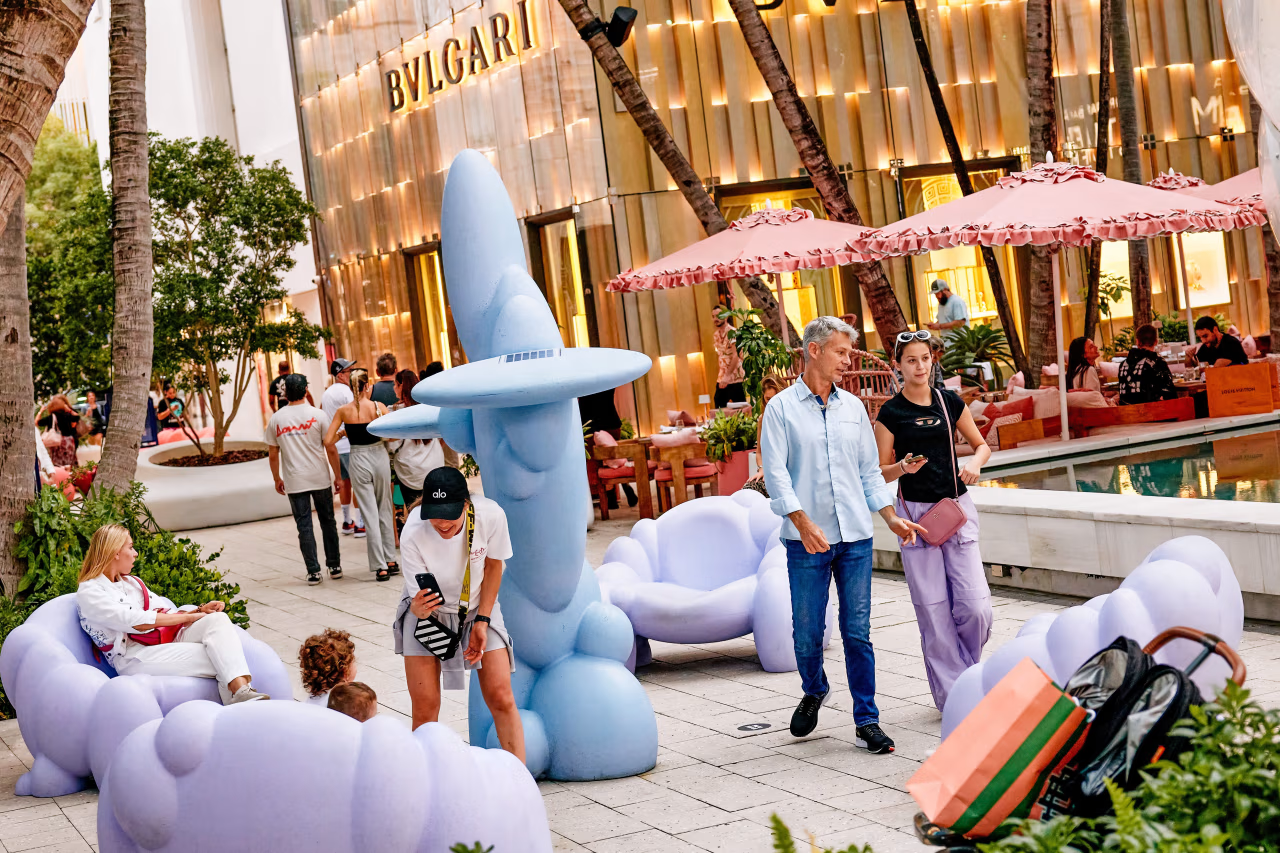
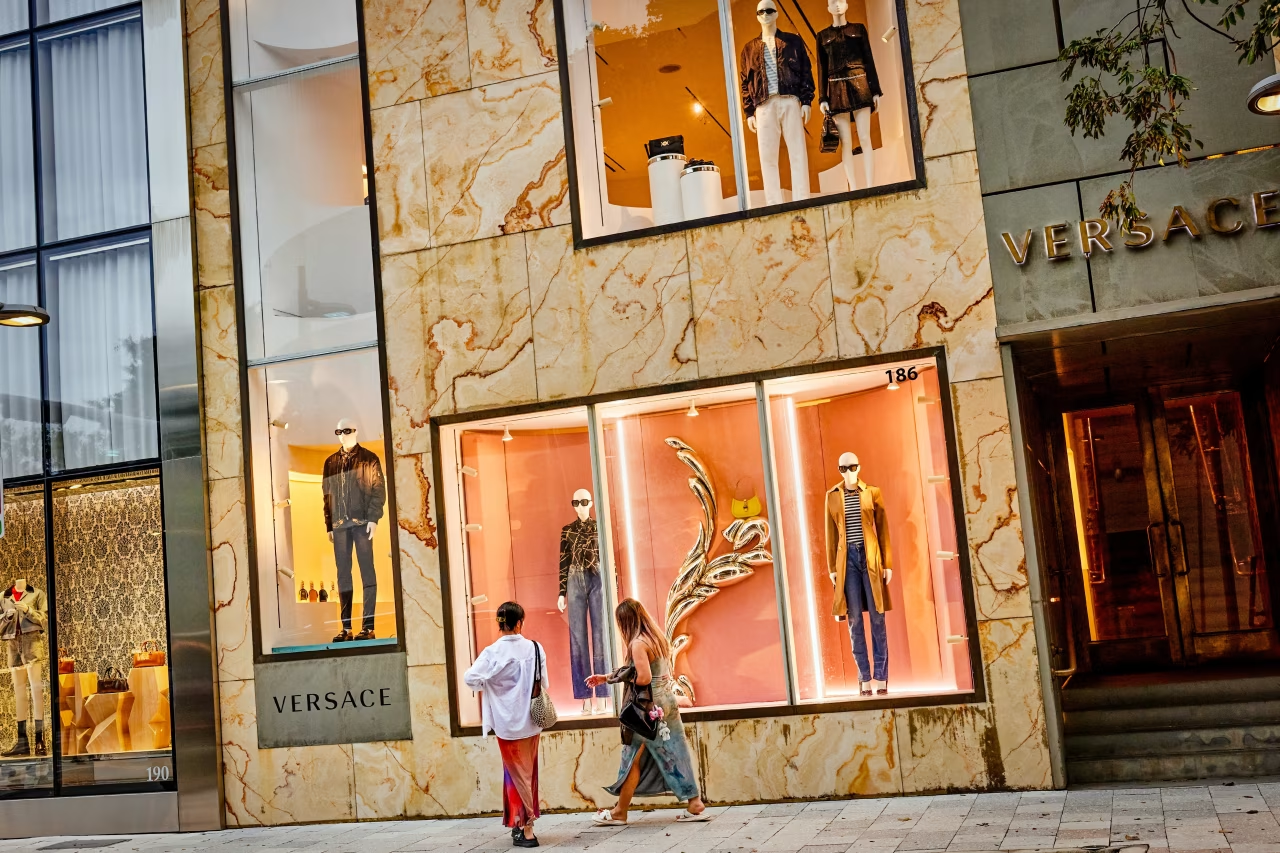
迈阿密——在迈阿密高档的设计区,提着迪奥和香奈儿购物袋的购物者漫步在停满宾利和法拉利的代客泊车排队区旁。食客们在户外咖啡馆悠闲地品着 42 美元一杯的鸡尾酒,品尝着 82 美元一份的烤海鲈鱼。
MIAMI—In Miami’s upscale Design District, shoppers carrying Dior and Chanel shopping bags stroll past valet lines packed with Bentleys and Ferraris. Diners lounge at outdoor cafes, sipping $42 cocktails and nibbling on $82 branzino.
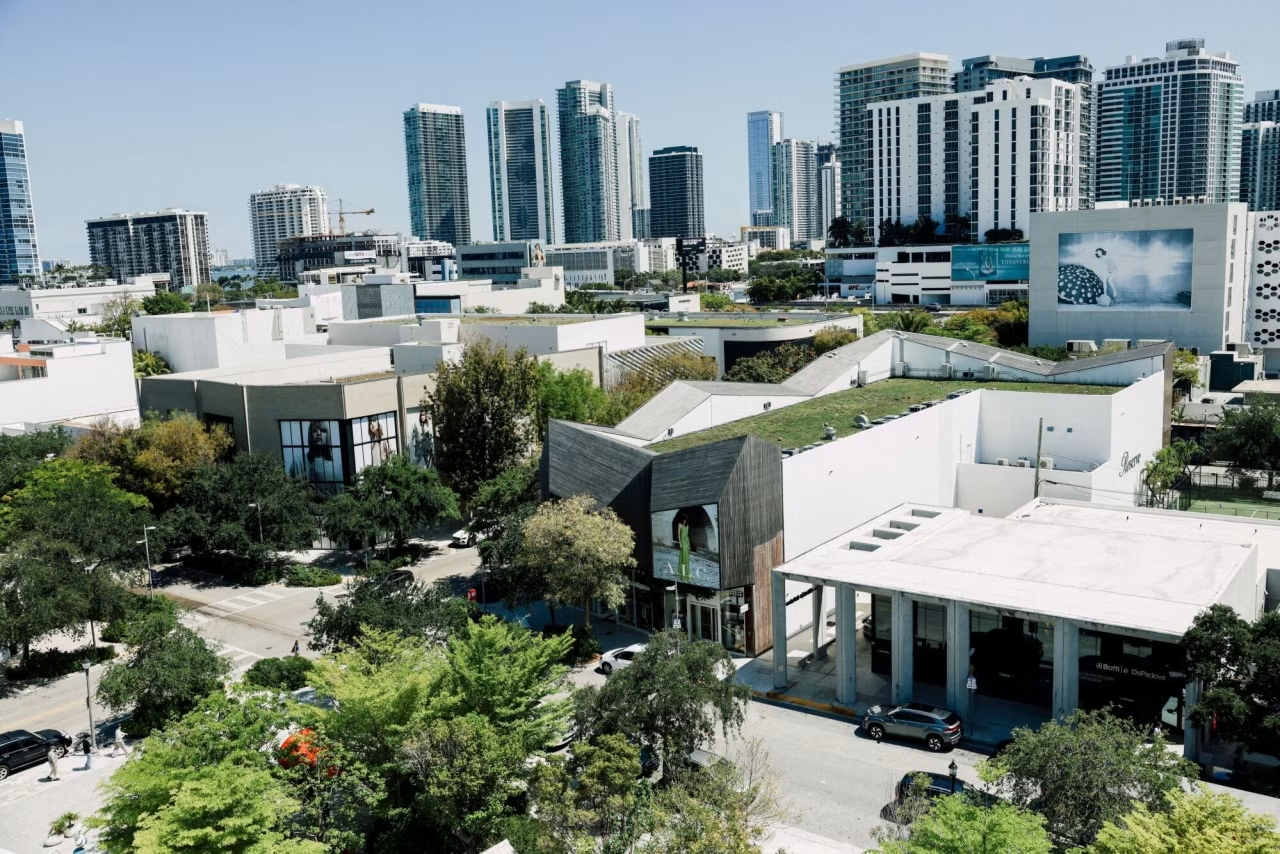
但根据美国税法,这个占地 30 英亩的社区大部分被归类为“经济困难”社区。
But under U.S. tax law, most of this 30-acre neighborhood is classified as an “economically distressed” community.
该区被指定为“机会专区”,依据的是近十年前出台的一项联邦条款,旨在通过提供减税优惠鼓励对低收入社区的投资。奢华的设计区之所以能获得这一资格,是因为人口普查员将其与相邻的贫困社区归为一组。
The district is designated an Opportunity Zone under a nearly decade-old federal provision created to encourage investment in lower-income communities by offering tax breaks. The luxurious Design District was able to qualify for this designation because census-takers group it with adjacent poorer neighborhoods.
现在,联邦政府将于明年初启动“机会专区”计划的第二阶段,这个迈阿密艺术和购物街区再次符合入选资格。
Now, the federal government is launching the second phase of Opportunity Zones at the start of next year and this Miami arts and shopping district again qualifies for selection.
立法者制定“机会专区”规则的方式引发了争议。合格专区的地图是基于长达六年前的人口普查收入数据绘制的,这意味着它可能不再反映一个社区的现状。
The way lawmakers drew up Opportunity Zones rules has sparked controversy. The map of qualifying zones was based on census income data that goes back as much as six years, meaning that it may no longer reflect the current status of a neighborhood.
批评者表示,“机会专区”允许老练的投资者将未纳税利润引入原本就可能获得投资的项目,而真正流向该计划旨在服务的低收入社区的资金很少。他们还指出,任何减税优惠都难以追踪,因为受益人没有公开报告要求。
Critics say Opportunity Zones allow sophisticated investors to funnel untaxed profits into projects that would likely have received investment anyway, and that little goes toward the lower-income communities it was meant to serve. They also point out that any tax breaks are hard to trace because there are no public reporting requirements by the beneficiaries.
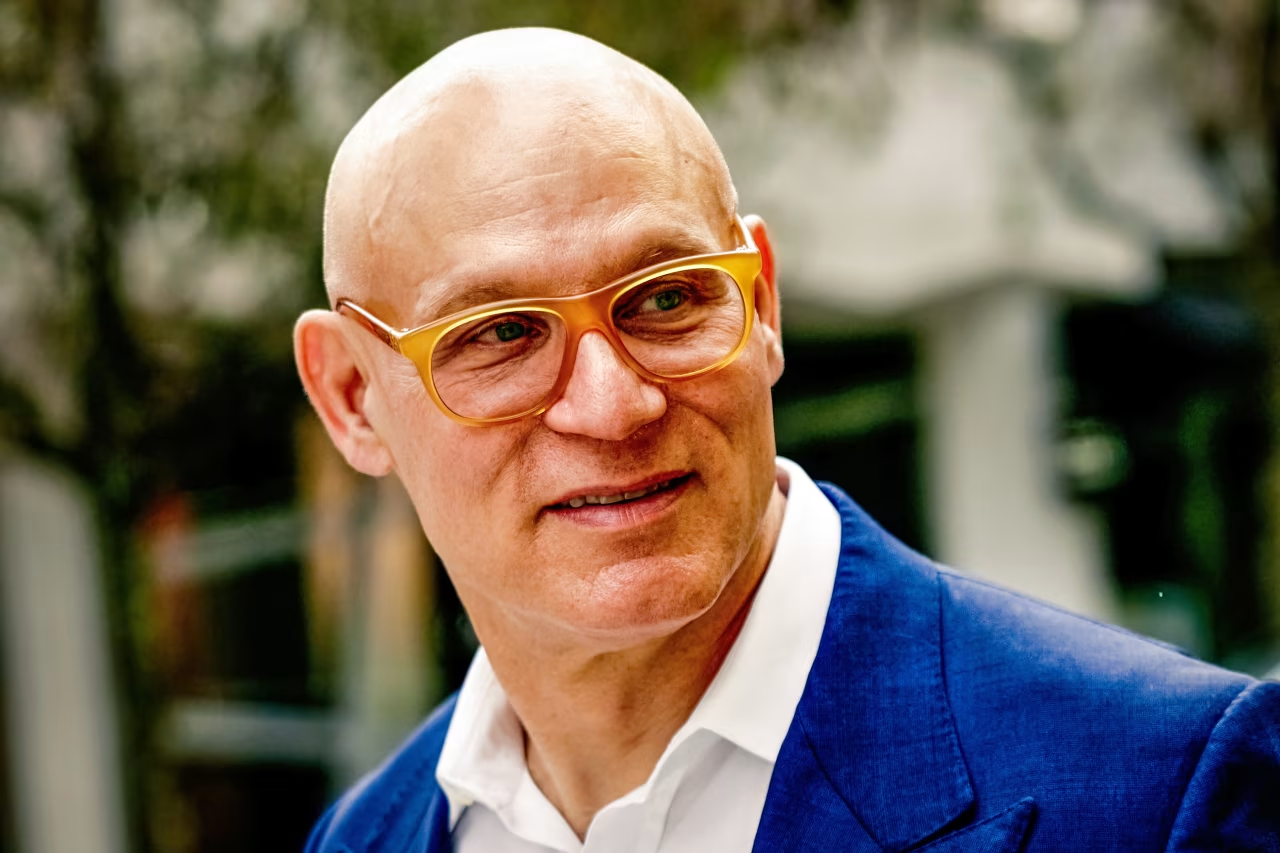
“它们实际上是对高净值个人的补贴,让他们进行原本就会做的投资,投向原本就会投资的地方,”城市研究所地方财政与增长中心主任布雷特·西奥多斯说,他过去十年来一直在研究该计划及其影响。
“They’re really a subsidy to high net-worth individuals to do investments they already would be doing, in places they already would be investing in,” said Brett Theodos, director of the Center for Local Finance and Growth at the Urban Institute, who has studied the program and its effects over the past decade.
总部位于华盛顿的智库经济创新集团联合创始人约翰·莱特里认为,尽管存在个别异常情况,机会专区计划总体上取得了成功。他说,由于数据不完善,责任最终落在州长身上,由他们来选择合适的地点。
John Lettieri, the co-founder of Economic Innovation Group, a Washington-based think tank that conceived of the Opportunity Zones program, believes it has generally been a success, despite the outliers. Because the data is imperfect, the onus is on state governors to ultimately select the right locations, he said.
国会于2017年创立机会专区计划时,立法者宣称这是一种通过将规避风险的资本引入被忽视的社区来吸引投资的方式。该计划允许投资者如果在这些地区投资房地产或企业,可以递延或免除某些资本利得税。
When Congress created the Opportunity Zone program in 2017, lawmakers heralded it as a way to attract investment by funneling risk-averse capital into neglected communities. The program offered investors the ability to defer or eliminate certain capital-gains taxes if they invested in real estate or in businesses in these areas.
这些专区往往也包含靠近富裕社区的低收入街区。以设计区机会专区为例,该普查区既包含豪华零售走廊,也包含相对萧条的小海地和布埃纳维斯塔社区。因为设计区没有住宅,主要是零售用地,所以普查数据仅依赖该普查区边缘地带的居住数据。
These zones can also often incorporate lower-income neighborhoods near wealthier ones. In the case of the Design District Opportunity Zone, the census tract includes the luxurious retail corridor but also the more depressed neighborhoods of Little Haiti and Buena Vista. Because the Design District has no residences and is mostly retail, the census data relies only on residential data from the outskirts of the tract.
“激励其他人投资这个社区,这是积极的,”该社区最大的开发商之一克雷格·罗宾斯说,“它发挥了作用,把人带进来做一些能提升整个区域的事情。”罗宾斯上世纪90年代首次投资设计区时,这里还是一个商业稀少的萧条地区,后来被重塑为奢侈品零售中心。
“Incentivizing other people to invest in the neighborhood, that’s positive,” said Craig Robins, one of the biggest developers in the neighborhood. “It’s serving its purpose of bringing in people to do things that bring up the whole area.”When Robins first began investing in the Design District in the ’90s, it was a depressed area with little commerce that was reinvented into a luxury retail hub.
虽然大型机构投资者在税收优惠出台前就已开始改造该社区,但自获得机会专区认定以来,已有数亿美元投资涌入。过去十年间土地价值飙升,可能为拥有合格房产或企业的开发商带来数亿美元免税利润。
While large institutional investors began transforming the neighborhood before the tax breaks became available, there have been hundreds of millions of dollars invested since the Opportunity Zone designation. Land values have skyrocketed over the past decade, potentially generating hundreds of millions of dollars in untaxed profits for developers who own qualifying properties or businesses.
但几乎没有证据表明,这笔投资改善了低收入居民的生活。根据人口普查数据,该普查区的居民基础仍以低收入为主,这使该地区有资格入选以获得联邦补贴的续发,也让人质疑这些财富是否曾旨在惠及现有社区。
But there is little evidence that this investment has improved the lives of the lower-income residents. The census tract’s residential base remains largely lower-income, according to census data, which qualifies the area for selection to receive renewed federal subsidies, and calls into question whether that wealth was ever designed to reach the existing community.
罗宾斯表示,他和开发设计区的合作伙伴——由LVMH首席执行官伯纳德·阿诺特支持的私募股权公司L Catterton,以及投资巨头布鲁克菲尔德——因该税收认定吸引了大量资本进入该社区而受益。但他表示,他和合作伙伴并未追求这些税收减免,也不指望直接从税收减免中获益。
Robins said he and his partners in developing the Design District—L Catterton, a private-equity firm backed by LVMH chief Bernard Arnault, and investment giant Brookfield—have benefited from the tax designation because of all the capital it attracted to the neighborhood. But he said he and his partners aren’t pursuing the tax breaks themselves and don’t expect to benefit from the tax break directly.
因为这些合伙企业在2017年税法通过前很久就已收购了核心零售用地,所以他们无法轻易将新的资本利得转入那些特定地块。
Because the partnerships acquired the central retail land long before the 2017 tax law passed, they couldn’t easily roll new capital gains into those specific parcels.
相反,罗宾斯说,开发商积极支持机会区认定以刺激外部投资,依靠联邦税收减免来改善其社区的外围地带。“我们在设计区项目中的任何合作伙伴都没有追求机会区福利,”罗宾斯说。
Instead, Robins said, the developers actively supported the Opportunity Zone designation to stimulate outside investment, relying on the federal tax break to improve the periphery of their neighborhood. “None of our partners in any of the Design District projects are pursuing Opportunity Zone benefits,” Robins said.
几个正在进行的主要奢侈项目也可能符合联邦税收减免资格,包括一个Fouquet's品牌的酒店开发项目,以及一个名为Ursa的20层办公和零售塔楼,罗宾斯是该项目的合伙人。
Several major luxury projects in the works could also qualify for federal tax breaks, including a Fouquet’s-branded hotel development and a 20-story office and retail tower called Ursa, where Robins is a partner.
罗宾斯表示,机会区认定改善了该社区。二十年前,设计区是一片被忽视的低矮仓库和空地网格。任何利用这一税收减免并将资本利得投入该区的项目,都意味着该社区将产生更多建筑和零售岗位,同时也会提振地方市政财产税收入,为地方公共服务提供资金。
Robins said the Opportunity Zone designation has improved the neighborhood. Two decades ago, the Design District was a neglected grid of low-slung warehouses and empty lots. Any projects that take advantage of this tax break and plow capital gains into the district, means the neighborhood generates more construction and retail jobs, while also boosting local municipal property tax revenues that fund local services.
“设计区的每个人现在的境况都比10年前好得多,”罗宾斯说。“凡是拥有房产的人,那种溢出效应已经发生了。”
“Everybody in the Design District is much better off than they were 10 years ago,” Robins said. “Anyone that has a property, that trickle down has occurred.”