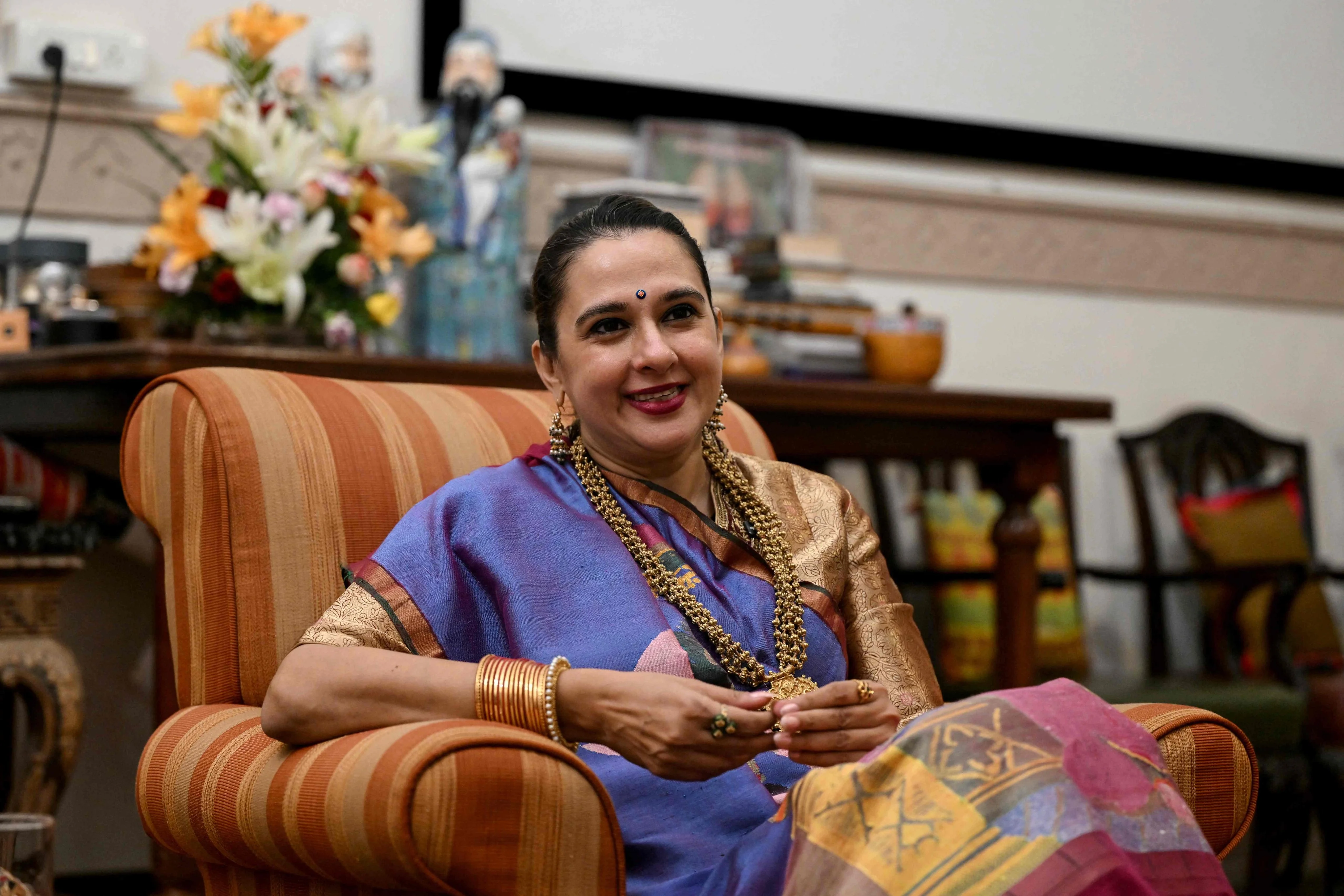
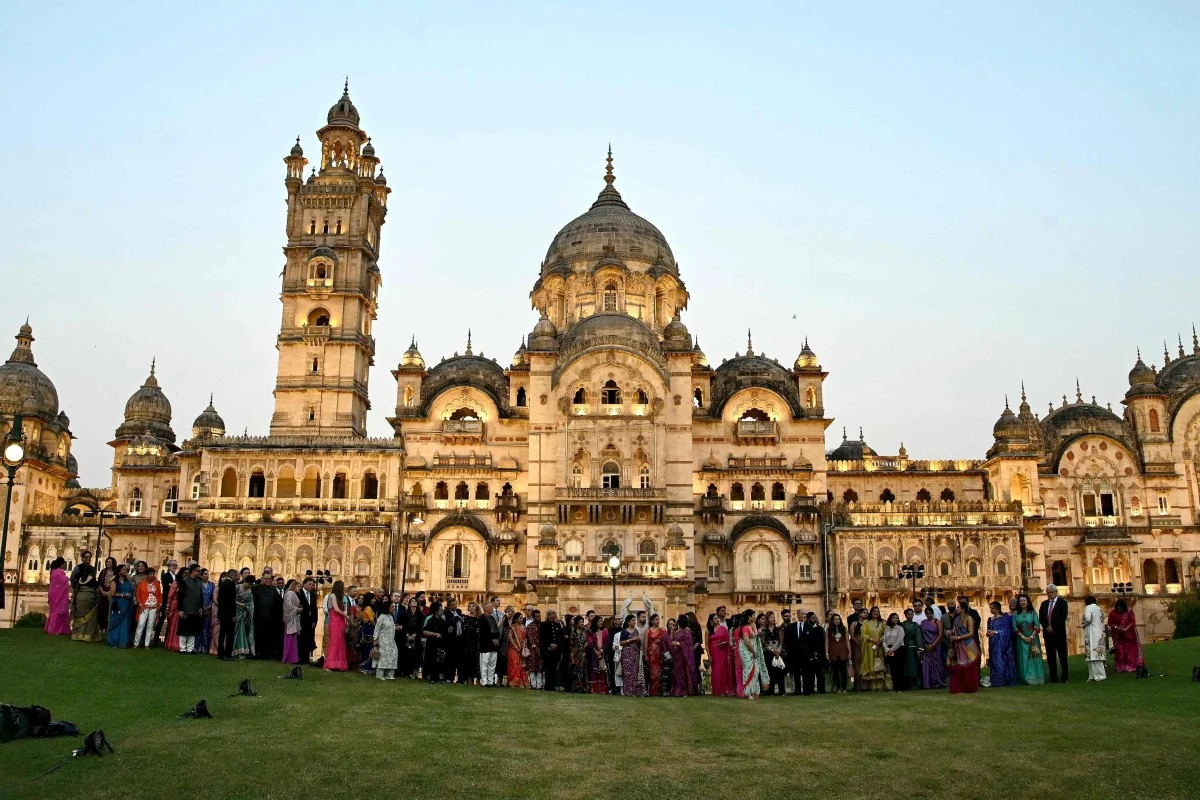
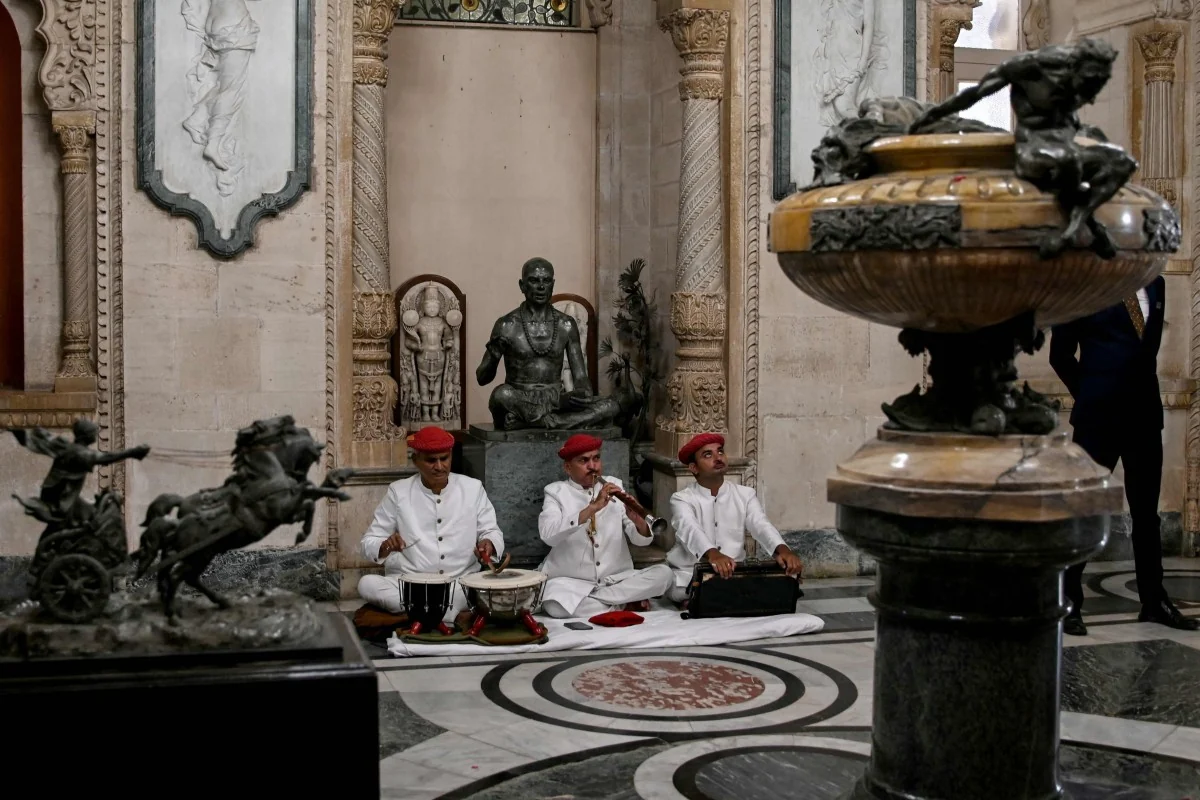
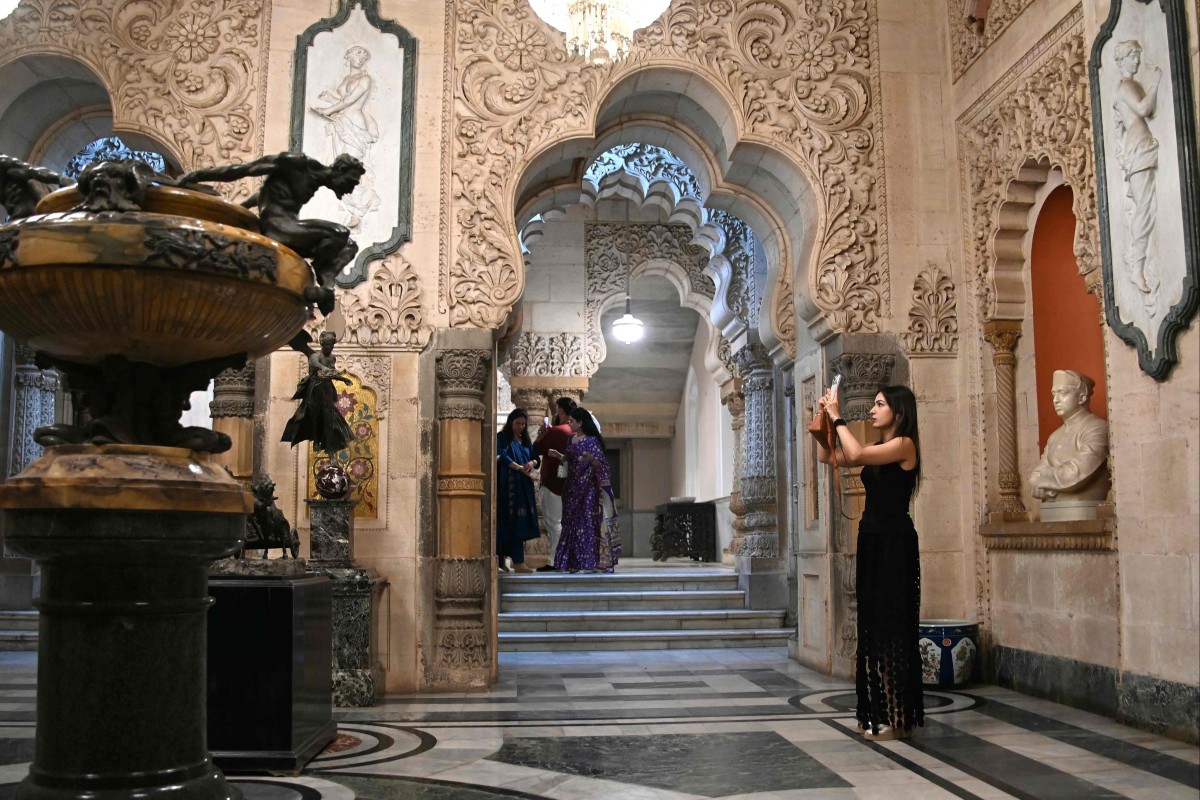
在印度西部一座宏伟的宫殿里,巴罗达的“王后”或马哈拉妮用芬芳的玫瑰花瓣迎接宾客,呈现火炬照耀下的印度教神话舞蹈。
In a sprawling palace in western India, the “queen” or Maharani of Baroda welcomes guests with fragrant rose petals, presenting torchlit dances of Hindu myths.
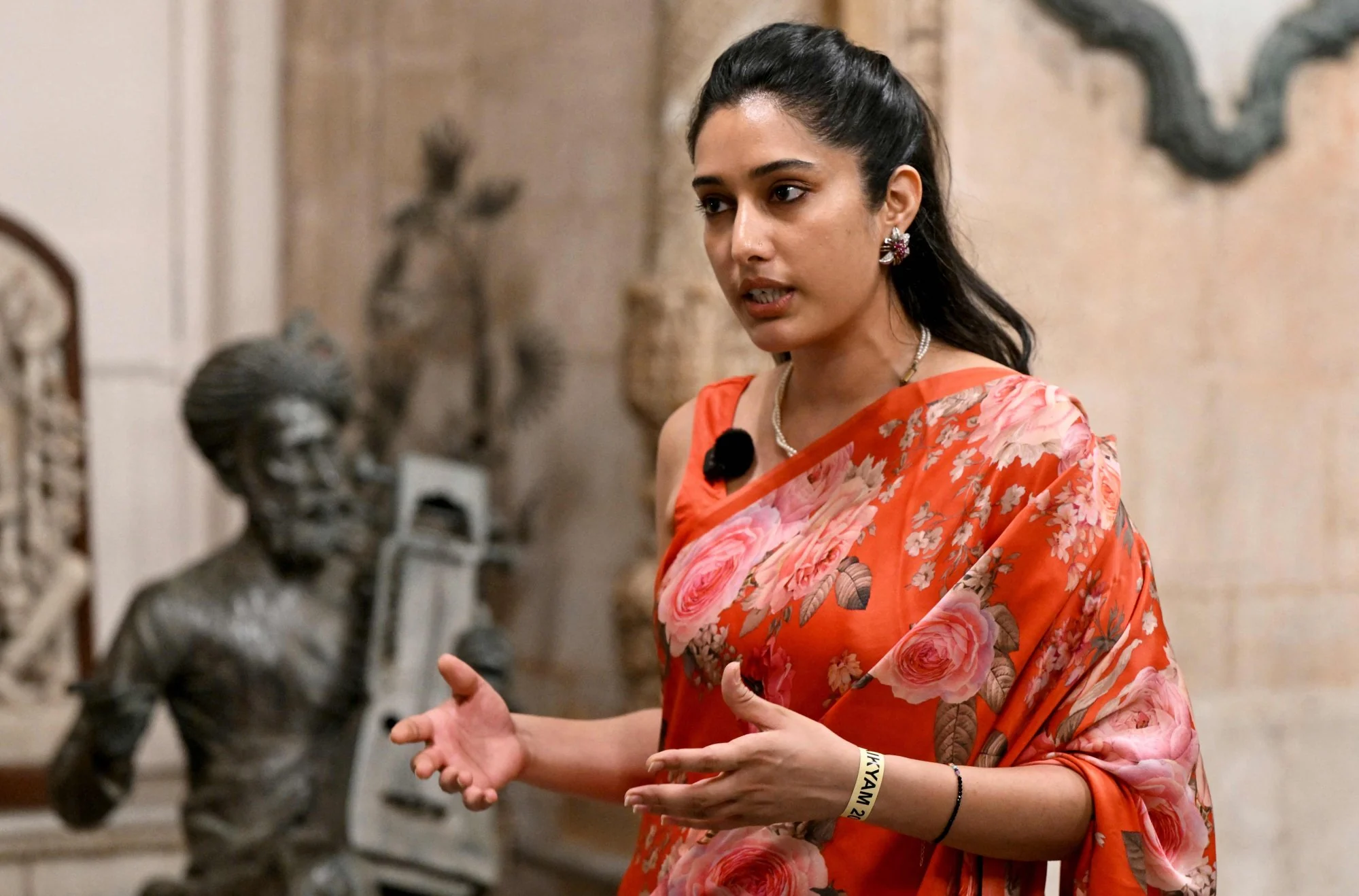
身着璀璨华服的拉迪卡拉杰·盖克瓦德只是名义上的王后,一位现代女商人,主持着她祖先曾统治的世界。“关键在于我们进行了适应,”这位48岁的妇女在她宏伟的拉克希米维拉斯宫中说道,描述印度前王室如何找到新角色,从文化大使到政客。
Dressed in glittering finery, Radhikaraje Gaekwad is a queen in name only, a modern businesswoman presiding over a world her ancestors once ruled. “The key has been that we have adapted,” the 48-year-old said in her vast Lakshmi Vilas Palace, describing how India’s former royals have found new roles, from cultural ambassadors to politics.
“我的工作一直是努力带来我认为有利于社会进步的改变,”盖克瓦德说,她致力于保护历代统治者积累的艺术。“一瞥留下的遗迹……可以让人们重新找回对根源的认同感和自豪感,并帮助他们走向未来。”在英国统治下,超过565个土邦在大约40%的土地上享有名义上的自治权。巴罗达,即现在古吉拉特邦的瓦多达拉,曾是其中最强大的土邦之一。
“My work has always been to try and bring in change for what I feel would be for the betterment of society,” said Gaekwad, who works to preserve art accumulated by generations of rulers. “A glimpse of what was left behind … can bring that sense of identity and pride back in their roots, and help them in the future.”Under British rule, more than 565 princely states enjoyed nominal autonomy across roughly 40 per cent of the land. Baroda, today Vadodara in Gujarat state, was among the most powerful.
马哈拉贾们在1947年独立后加入了民主印度,成为普通公民,但他们持久的文化影响力是各党派政客都试图利用的。
The maharajas joined democratic India after independence in 1947 and became ordinary citizens, but their enduring cultural influence is something politicians of all parties seek to harness.
“前马哈拉贾的后代一直利用这种文化资本进入活跃政坛,”历史学家马努·S·皮莱说。
“This cultural capital has been banked on by the descendants of the erstwhile maharajas to get into active politics,” said historian Manu S. Pillai.
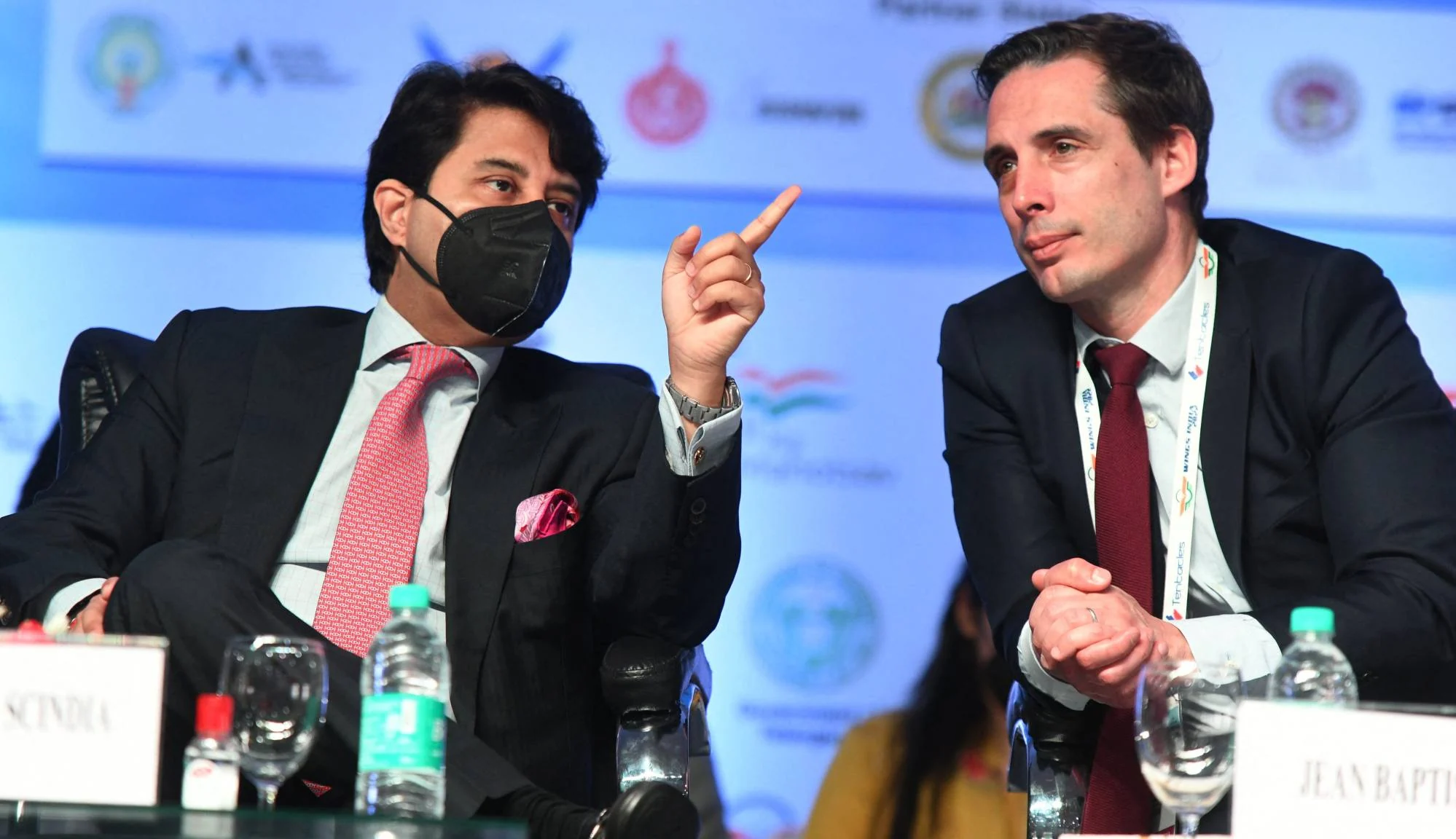
印度总理纳伦德拉·莫迪的印度教民族主义政府试图借助外国未曾控制的王室过去来强化其国家叙事。莫迪的政党包括当选立法者,如来自格瓦利尔王朝的通信部长乔蒂拉迪蒂亚·辛迪亚,以及来自斋浦尔王室的拉贾斯坦邦副首席部长迪亚·库马里。
Prime Minister Narendra Modi’s Hindu-nationalist government has sought to draw on a royal past outside foreign control to reinforce its national narrative. Modi’s party includes elected lawmakers such as Communications Minister Jyotiraditya Scindia, of the Gwalior dynasty, and Rajasthan Deputy Chief Minister Diya Kumari, of Jaipur’s royal family.
“人们在寻找英雄,”皮莱补充道。“民族主义历史变得非常流行……印度教右翼非常渴望利用文化偶像。”莫迪去年为一座耗资3900万美元的“王室王国博物馆”奠基,该馆将庆祝他们的历史。该场馆位于瓦多达拉附近,毗邻世界上最高的雕像——一座高182米(600英尺)的萨达尔·瓦拉巴伊·帕特尔纪念碑,莫迪于2018年为其揭幕,以表彰帕特尔在将土邦纳入印度方面所发挥的作用。游客们对王室的角色看法不一。“我非常尊敬王室家族,”来自瓦多达拉的阿蒂·舒克拉说。
“There is a quest for heroes,” Pillai added. “Nationalist history has become very popular and … the Hindu right is very keen to tap into cultural icons.”Modi last year laid the foundation stone for a US$39 million Museum of Royal Kingdoms celebrating their history. The site near Vadodara lies beside the world’s tallest statue, a 182-metre (600-foot) monument to Sardar Vallabhbhai Patel, whom Modi honoured with its inauguration in 2018 for his role in bringing princely states into India. Visitors were divided over the role of royals today. “I hold the royal families in high regard,” said Arti Shukla, visiting from Vadodara.
来自孟买的银行职员尼尚特·库尔卡尼则更为愤世嫉俗。“我只是来看这座巨大的雕像,”他说。“王室家族在过去确实发挥了作用,但现在不再真正需要他们的服务了。”除了政治,许多马哈拉贾将自己视为传统的守护者,西丹特·莫塔说,他是索潘的主管,该机构在王室遗址(包括瓦多达拉的宫殿)组织文化展览。
Nishant Kulkarni, a bank worker from Mumbai, was more cynical. “I only came to see this massive statue,” he said. “The royal families certainly played a role in the past, but there is no real need for their services any more.”Beyond politics, many maharajas see themselves as stewards of tradition, said Siddhaant Mohta, director of Sopaan, which organises cultural exhibitions in royal sites – including in Vadodara’s palace.
“王室家族是遗产的守护者,”莫塔说,并指出了对瓦多达拉马哈拉贾·法特·辛格博物馆的改造工作,该博物馆收藏了著名19世纪画家拉贾·拉维·瓦尔马的30多幅作品。一幅瓦尔马的作品去年4月在孟买拍卖会上以1790万美元成交,创下印度纪录。
“The royal families are custodians of heritage,” Mohta said, pointing to work to overhaul Vadodara’s Maharaja Fateh Singh Museum, which houses more than 30 works by celebrated 19th century painter Raja Ravi Varma. A Varma work fetched US$17.9 million at auction in Mumbai in April, an Indian record.
伦敦考陶尔德艺术学院前馆长黛博拉·斯瓦洛正在为该项目提供咨询,并赞扬了帮助资助该项目的王室赞助传统。“这一传统今天正被优美地延续,”她说。
Deborah Swallow, former director of London’s Courtauld Institute of Art, is advising on the project, praising the legacy of royal patronage that helped fund it. “That tradition is being beautifully followed today,” she said.
其他人,如贾伊萨尔默的王后拉杰什瓦里·拉贾·拉克希米,则表示她们的头衔能打开大门——她解释说,她的家族如何帮助这座历史悠久的围墙城市与法国的卡尔卡松结为姐妹城市。“我们正在分享关于推广和保护他们文化的想法,”她说。
Others, such as Raseshwari Rajya Laxmi, Maharani of Jaisalmer, said their titles opened doors – explaining how her family has helped twin the historic walled city with Carcassonne in France. “We are sharing ideas on promoting and preserving their culture,” she said.
对于盖克瓦德来说,她的工作包括社会创业,通过跨性别者经营的咖啡馆等举措促进社会包容,以及支持传统手工艺和习俗。
For Gaekwad, her work includes social entrepreneurship, promoting social inclusion through initiatives such as a transgender-run cafe, as well as supporting traditional crafts and customs.
她的父亲兰吉特辛·贾拉,87岁,走了一条不同的道路。他于1939年出生于旺坎纳尔的统治家族,当时印度的土邦君主尚未放弃权力,他在一个老虎狩猎是王室热情的世界中长大。
Her father, Ranjitsinh Jhala, 87, took a different path. Born into Wankaner’s ruling family in 1939, before India’s princes surrendered their powers, he was raised in a world where tiger hunting was a royal passion.
但他成为了一名公务员,起草了印度的野生动物保护法,并帮助将广袤的土邦狩猎场转变为国家公园。“如果那是王公们留下的东西,它所弥补的远比他们射杀的多,”他说。
But he became a civil servant, drafted India’s wildlife protection law, and helped turn vast tracts of princely hunting grounds into national parks. “If that was what the princes left behind, it compensates far more than what they shot,” he said.
阿克希塔·班杰·德奥,三十多岁,奥里萨邦班贾王朝第47任统治者的女儿,代表着年轻一代,在历史头衔中寻求现代意义。她将自己的宫殿改造成了一家酒店,并运营一个基金会来支持边缘群体。
Akshita Bhanj Deo, in her thirties, daughter of the 47th ruler of Odisha’s Bhanja dynasty, represents a younger generation seeking modern meaning in historic titles. She has turned her palace into a hotel, and runs a foundation to support marginalised groups.
“许多曾经的王室家族认为自己处于一个可以真正促成社区形成的空间,”她说。“我们只是过去与未来之间的吟游诗人和讲故事的人。”
“A lot of erstwhile royal families see themselves in a space where they can actually make a sense of community happen,” she said. “We’re just the bards and storytellers between the past and future.”