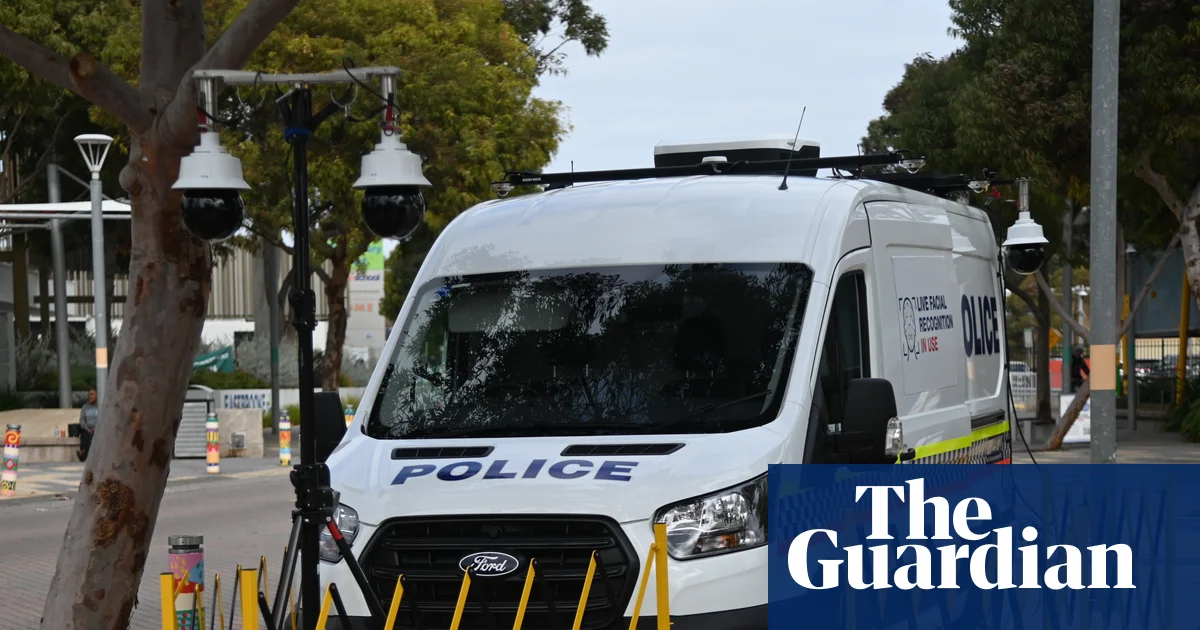
西澳大利亚州一项实时人脸识别技术试验中,超过一百万人的人脸被扫描,导致122人被捕,并出现九次错误警报。
More than a million people have had their faces scanned in a trial of real-time facial recognition technology in Western Australia resulting in 122 arrests and nine incorrect alerts.
西澳警方表示,为期五个月的试验于周六结束,该技术在43个地区和大都会地点进行了100次部署,扫描了1,380,882张人脸。
WA police said under the five-month trial, which concluded on Saturday, the technology scanned 1,380,882 faces after 100 deployments across 43 regional and metropolitan locations.
在122人被捕之外,这些警报还促使警方与146名登记在册的性犯罪者接触,并找到10人进行福利检查。
Alongside the 122 arrests, the alerts led officers to engage with 146 registered sex offenders and locate 10 people for a welfare check.
部署行动包括在珀斯皇家展览会上的三次行动,期间扫描了223,749张人脸,导致15次警报、三人被捕,以及与七名登记在册的性犯罪者进行七次“互动”。
The deployments included three operations at the Perth Royal Show, where 223,749 faces were scanned, resulting in 15 alerts, three arrests and seven "interactions" with registered sex offenders.
一名警方发言人证实,系统在总计138万次扫描中产生了九次错误警报,这意味着错误率为0.00065%。
A police spokesperson confirmed the system generated nine incorrect alerts against the total 1.38m scans, meaning there was an error rate of 0.00065%.
在周日的媒体发布会上,西澳警察专员科尔·布兰奇回应了错误匹配问题,并确认警方与每一名相关人员进行了接触。
Addressing the false matches at a media conference on Sunday, the WA police commissioner, Col Blanch, confirmed officers engaged with each individual. "I want to be very clear on those false alerts," he said.
“我要非常明确地说明那些错误警报,”他说。“没有人被捕。没有人提出投诉。每一次都导致与该人员进行了互动,并询问了相关问题。
"No one was arrested. No one made a complaint. Each one did result in an interaction with that person and asking them relevant questions. "It's a very, very, very low number.
“这是一个非常、非常、非常低的数字。它不是零。我们希望它是零。但我认为对我们来说,重要的是要与社区接触,就像如果一名人类认为某人是通缉犯时所做的那样。”布兰奇承认该技术“并不完美”,当局“在进入这项试验前就知道这一点”,但坚持认为警方对警报的跟进方式,与公众提出怀疑时的处理方式相同。然而,公民自由倡导者批评了西澳警方对错误率的表述方式。
It's not zero. We'd love it to be zero. But I think the important thing for us is to engage with our community just like we would if a human thought someone was a wanted person." Blanch acknowledged the technology was "not perfect" and that authorities "knew this going into this trial", but maintained that officers followed up on alerts in the same way they would if a member of the public raised suspicions. However, civil liberties advocates have criticised how the WA police framed the error rate.
澳大利亚公民自由组织首席执行官比尔·罗林斯说,西澳警方声称错误警报率为0.00065%,这是“画蛇添足”,并建议应改为比较有多少人被捕后被定罪来计算。
The chief executive of Civil Liberties Australia, Bill Rowlings, said WA police were "severely gilding the lily" by claiming the incorrect alert rate was 0.00065% and suggested it should instead be calculated by comparing how many of the arrests resulted in convictions.
“只有等到被捕的122人出庭受审,我们才能知道错误率到底是多少,”他说。
"We will only know what the incorrect rate is when the 122 people arrested have their day in court," he said.
“如果被捕的122人中有一半没有被定罪,‘错误’率将是50%,”他在一份声明中表示,称警方进行了近140万次扫描,“完全没有任何合理怀疑”。
"If half the 122 arrested … are not convicted, the 'incorrect' rate will be 50%," he said in a statement, saying police had performed the almost 1.4m scans "with no reasonable suspicion whatsoever".
当试验宣布时,该州独立隐私监管机构西澳信息专员办公室(OIC WA)表示,它未参与该试验的实施,并在一份声明中警告“集体隐私损害”。OIC WA已被联系置评。
When the trial was announced, the state's independent privacy watchdog, the Office of the Information Commissioner WA (OIC WA), said it was not involved in implementing the trial, warning of "collective privacy harms" in a statement The OIC WA was contacted for comment.
周日,布兰奇表示,该试验“着重于负责任地使用现代技术识别构成风险的人,同时让绝大多数人不受任何影响地进行日常活动”。
On Sunday, Blanch said the trial "focused on using modern technology responsibly to identify people who presented a risk, while allowing the vast majority of people to go about their day without any impact".
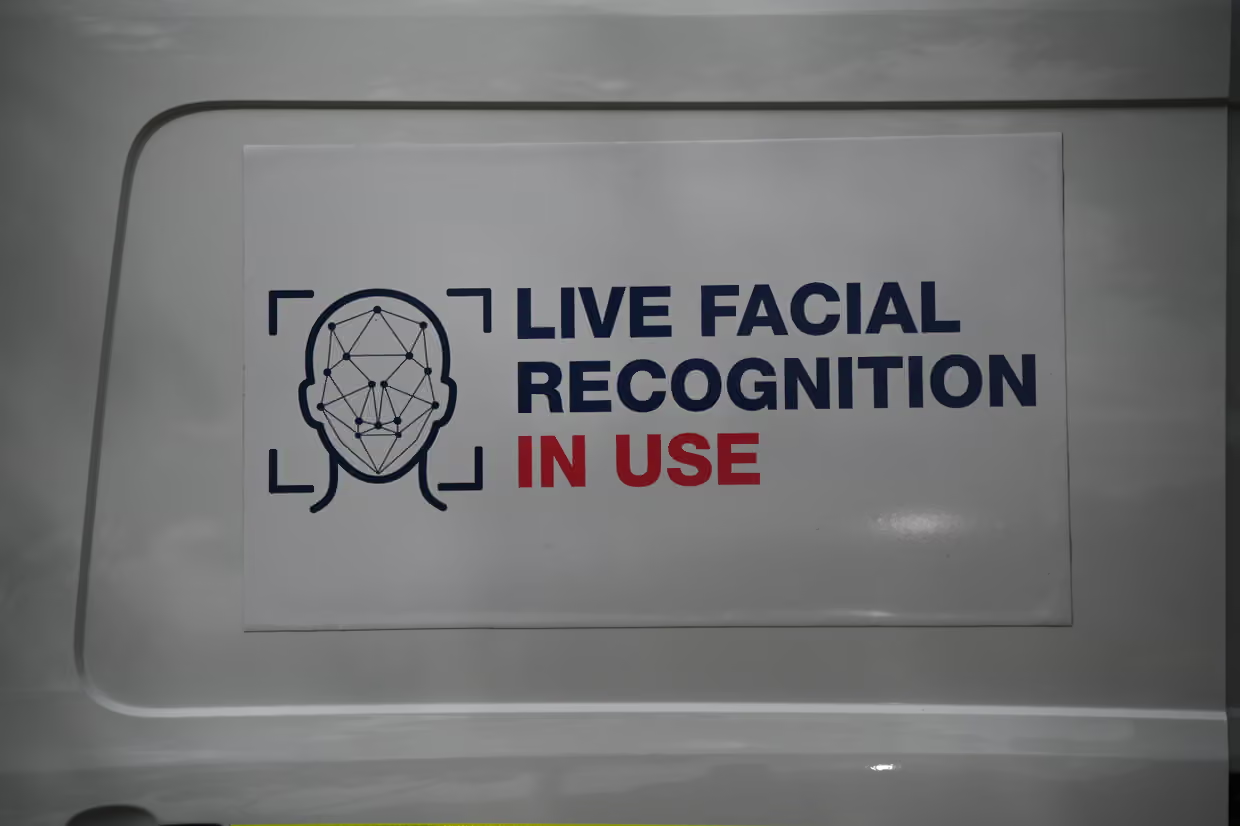
根据试验指南,安装在或放置在标记警车附近的摄像头扫描指定公共区域的人脸,并将其与来自警方数据库的警报名单进行比对。警方表示,不在名单上的人的图像会在实时像素化处理,并立即删除,不予存储。
Under the trial guidelines, cameras mounted on or positioned near marked police vehicles scanned faces in designated public areas, matching them against an alert list drawn from police databases. Police said images of people who weren't on the list were pixelated in real time and deleted immediately without being stored.
该试验此前因隐私和算法偏见问题引发反对。专家表示,该技术可能会不成比例地影响边缘群体,这些群体在警方监控名单中本就占比过高,而面部识别算法历史上对肤色较深的人群具有更高的误匹配率。
The trial previously triggered backlash over concerns about privacy and algorithmic bias. Experts say the technology could disproportionately affect marginalised groups who are already overrepresented on police watchlists, with facial recognition algorithms historically having higher false-match rates for people with darker skin tones.
这些监控货车现已从公共部署中撤出,警方正在对该技术在地面上的表现及其社区影响进行内部评估,包括“审查保障措施以及是否满足所有要求”。
The surveillance vans have now been removed from public deployment while the force conducts an internal evaluation into how the technology performed on the ground and its community impacts, including "reviewing the safeguards and whether all requirements were met".