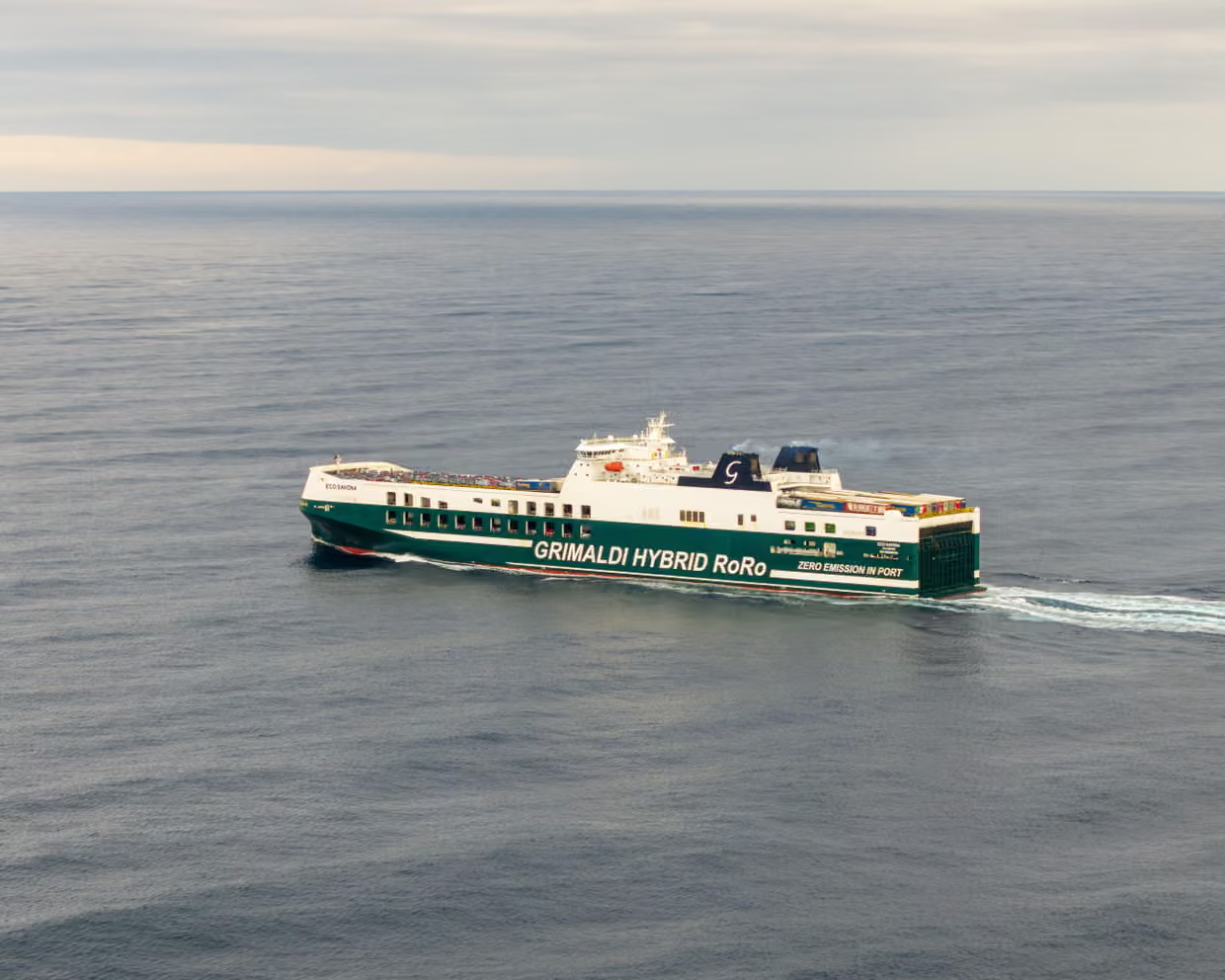
《卫报》的一项调查发现,尽管有减速建议,领先的航运公司仍继续在鲸豚类关键栖息地以高于建议速度航行。海洋生物学家爱丽丝·巴尔巴里奥利手持相机,镜头对准地平线。几分钟前,佩拉戈斯科研船下方的水听器探测到了抹香鲸用于交流的咔嗒声序列。
A Guardian investigation has found that despite a recommendation to slow down, leading shipping companies continue to travel above advised speeds in a key habitat for cetaceans Marine biologist Alice Barbarioli waits with her camera trained on the horizon. A few minutes earlier, the hydrophone beneath the Pelagos research vessel detected codas – the sequence of clicks sperm whales use to communicate.
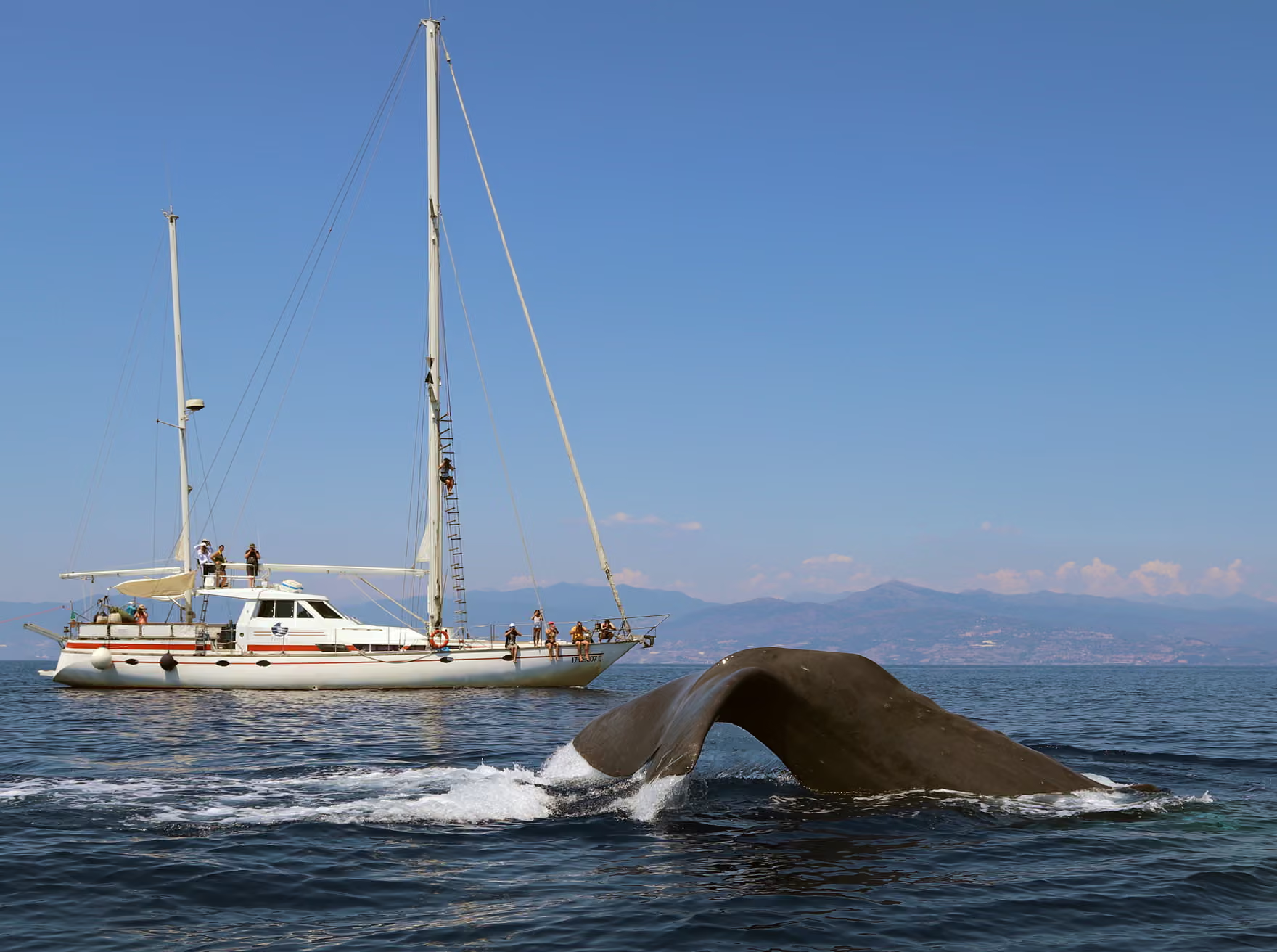
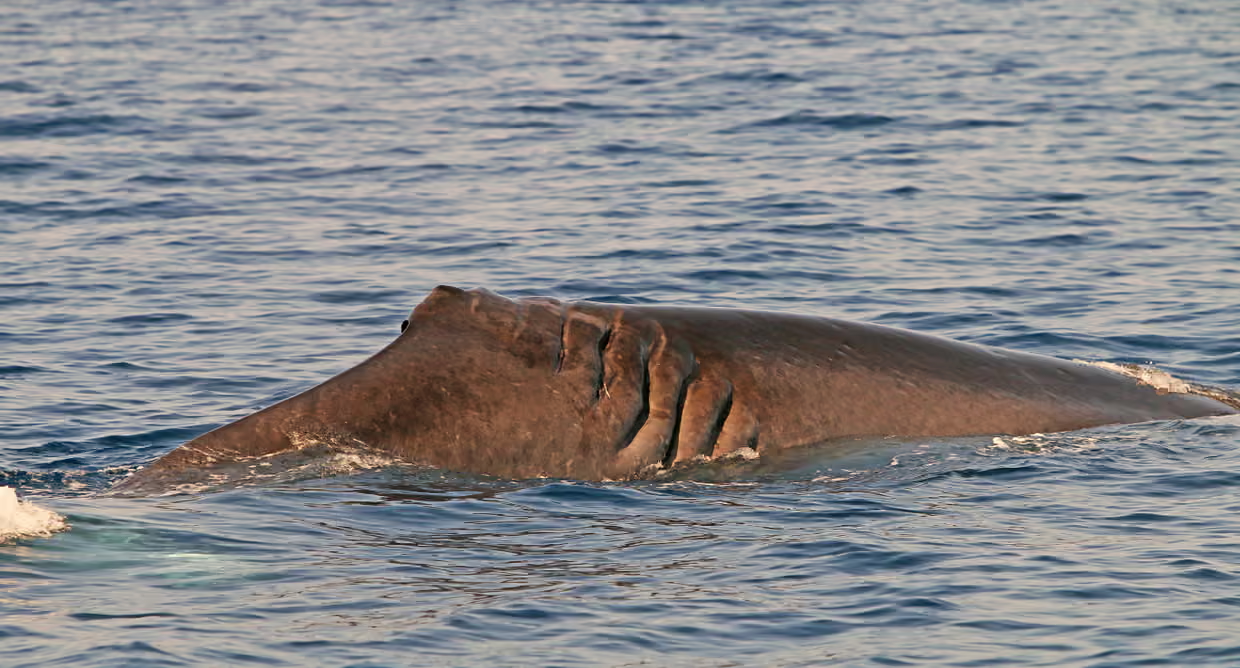
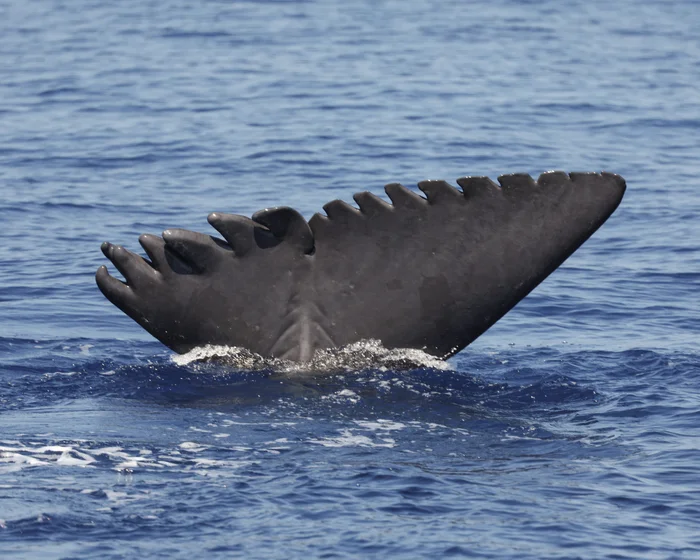
抹香鲸露出头部和背鳍,船上人员在佩拉戈斯保护区——一个为保护西北地中海海洋哺乳动物而设立的保护区——内争相拍照并记录其呼吸节奏。几分钟后,动物弓起背部,开始潜入海洋深处。他们等待瞥见它的尾巴。
The sperm whale reveals its head and dorsal fin as those onboard the vessel in the Pelagos sanctuary, a conservation area established to protect marine mammals in the north-western Mediterranean, rush to take photos and note the rhythm of its breathing. After a few minutes, the animal arches its back, and begins to head back into the depths of the sea. They wait to catch a glimpse of its tail.