分析人士表示,菲律宾的军事现代化推进可能为韩国提供机会,将其作为主要武器供应商的角色转变为更深层次的国防伙伴关系。
The Philippines’ military modernisation drive could offer South Korea an opportunity to transform its role as a major arms supplier into a deeper defence partnership, analysts say.
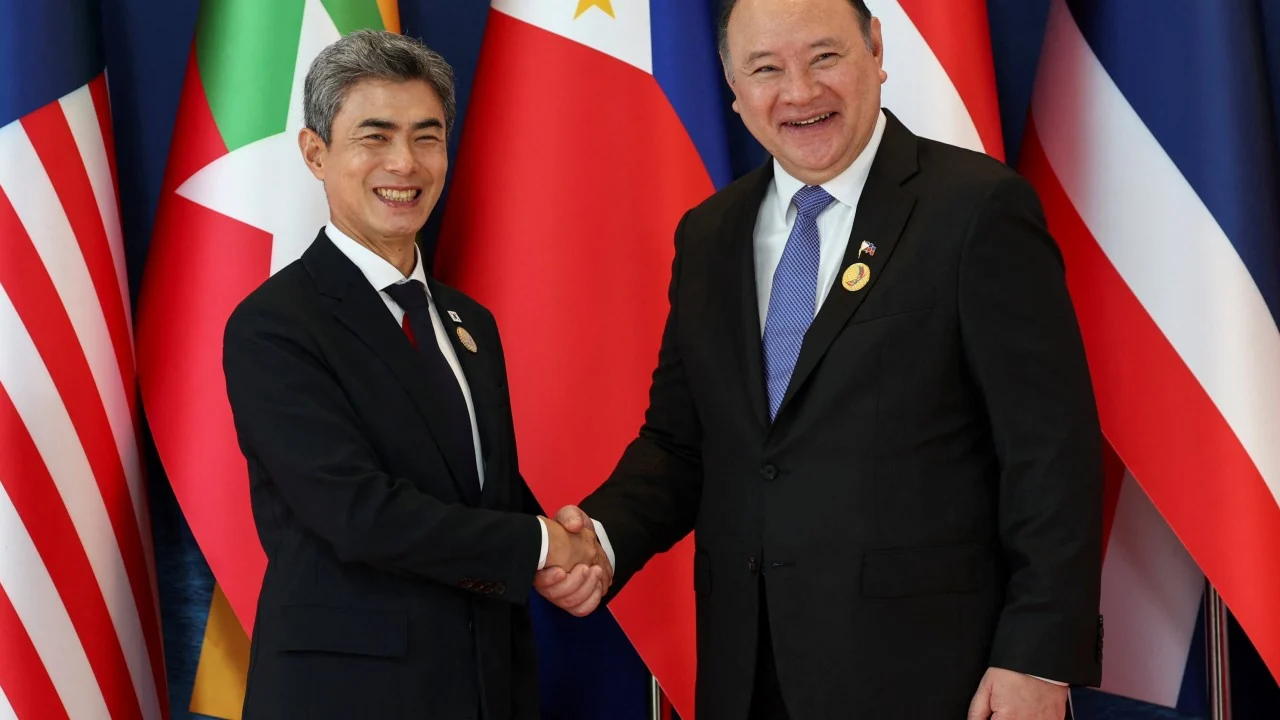
这一前景在上周于宿务举行的东盟安全峰会期间,菲律宾国防部长吉尔伯托·特奥多罗与韩国国防部长康申哲同意加强军事现代化、国防技术和联合训练合作后,获得了新的推动力。
This prospect gained fresh momentum after Philippine Defence Secretary Gilberto Teodoro Jnr and his South Korean counterpart, Kang Shin-chul, agreed to deepen cooperation in military modernisation, defence technology and joint training on the sidelines of an Asean security summit in Cebu last week.
特奥多罗上周重申马尼拉愿意与首尔合作,称两国拥有“兄弟姐妹”般的关系。他在9月出席首尔国防对话期间,赞扬韩国是国防工业合作伙伴。
Teodoro reaffirmed Manila’s readiness to work with Seoul last week, describing both countries as having “brother-and-sister” ties. During his visit in September for the Seoul Defence Dialogue, he praised South Korea as a defence industry partner.
“最重要的是,我们的国家在战略上保持一致,这就是为什么我们对大韩民国作为我们国防现代化可靠伙伴充满信心,”他当月在接受《韩国先驱报》采访时表示。
“The most important thing is that our countries are strategically aligned, which is why we have confidence in the Republic of Korea as a reliable partner for our defence modernisation,” he said in an interview with The Korea Herald that month.
随着菲律宾加强海态态势,其越来越多地采购韩国国防装备,包括韩国制造的FA-50轻型战斗机和军舰。特奥多罗在首尔确认,菲律宾海军“几乎所有”新护卫舰和护卫舰均由韩国制造,但强调马尼拉与韩国的关系应从采购向联合生产发展。首尔长期以来一直将马尼拉视为有吸引力的国防工业市场。
As it strengthens its maritime posture, the Philippines has increasingly acquired South Korean defence equipment, including Korean-made FA-50 light combat aircraft and warships. “Almost all” new frigates and corvettes in the Philippine Navy were made in South Korea, Teodoro confirmed in Seoul, but stressed that the relationship between Manila and South Korea should move beyond acquisition towards co-production. Seoul has long viewed Manila as an attractive defence industry market.
“菲律宾经济正在增长,随着该国面临来自中国日益增长的挑战,它需要更先进的武器系统,”亚太领导力网络政策研究员东根·李(Dongkeun Lee)表示。“这意味着菲律宾不再仅仅寻求韩国转移老旧、退役的舰艇,而是越来越有兴趣获得复杂的武器系统。”历史也起到了作用。菲律宾是朝鲜战争期间联合国军司令部下派遣军队的少数东南亚国家之一。
“The Philippine economy is growing, and as the country faces increasing challenges from China, it requires more advanced weapon systems,” said Dongkeun Lee, a policy fellow at the Asia-Pacific Leadership Network. “This means that the Philippines is no longer simply seeking transfers of ageing, decommissioned vessels from South Korea but is increasingly interested in acquiring sophisticated weapons systems.”History also plays a part. The Philippines was one of the few Southeast Asian countries that sent troops under the UN Command during the Korean war.
“当韩国考虑军事合作的潜在伙伴时,他们在朝鲜战争中的历史贡献往往成为一个重要因素。考虑到菲律宾的历史角色,这有助于加强两国之间的军事联系,”李说。
“When South Korea considers potential partners for military cooperation, their historical contributions during the Korean war often become an important factor. Given the Philippines’ historical role, this has helped strengthen military ties between the two countries,” Lee said.
据皇家联合军事研究所高级研究员桑赫恩·石(Sanghun Seok)称,菲律宾在2021年至2025年间占韩国武器出口的18%,使其成为继波兰之后的第二大出口目的地。
The Philippines accounted for 18 per cent of South Korea’s arms exports between 2021 and 2025, making it the second-largest destination after Poland, according to Sanghun Seok, a senior associate fellow at the Royal United Services Institute.
这位安全分析师表示,由于对波兰的出口主要涉及陆基武器系统,菲律宾是韩国向该地区更广泛的出口市场展示其海军和空军平台的重要枢纽。
And as exports to Poland mainly involved land-based weapons systems, the Philippines was an important hub for South Korea to showcase its naval and air platforms to wider export markets in the region, the security analyst said.
“这些利益与菲律宾加强其海上和岛屿防御能力的需求相一致,为更深入、更长期的合作创造了动力。”石补充说,今年频繁的领导层会晤以及2024年提升的双边战略伙伴关系(其中包括将维护纳入采购安排),“都为从一次性销售转向贯穿设备全生命周期的合作提供了框架”。
“These interests align with the Philippines’ need to strengthen its maritime and island defence capabilities, creating momentum for deeper, longer-term cooperation.”Frequent leadership meetings this year as well as an elevated bilateral strategic partnership in 2024 that included the inclusion of maintenance in the procurement arrangement, “all provide a framework for moving beyond one-off sales towards cooperation throughout the equipment’s life cycle”, Seok added.
李表示,值得关注的两大进展是菲律宾未来的护卫舰和潜艇采购计划,以及现代重工对苏比克湾造船厂的现代化改造。
Two major developments worth watching were the Philippines’ future frigate and submarine acquisition programmes and the modernisation of the Subic Bay shipyard by Hyundai Heavy Industries, Lee said.
现代重工和韩国另一家公司韩华海洋均有意向,竞标向菲律宾供应军舰和柴电潜艇。
Both Hyundai Heavy Industries and its fellow South Korean firm, Hanwha Ocean, are in the running to supply the Philippines with warships and diesel-electric submarines.
“考虑到现代重工在苏比克湾拥有一家造船厂,其投标可能还涉及利用该设施开展未来的维修、保养和运营活动。现代重工今年早些时候已表示有兴趣,将其苏比克湾造船厂打造为维修、保养和运营中心,”李说。
“Considering that Hyundai Heavy Industries operates a shipyard in Subic Bay, its bid could also involve using the facility for future MRO activities. Hyundai Heavy Industries has already expressed interest in developing its Subic Bay shipyard into an MRO hub earlier this year,” Lee said, referring to maintenance, repair and operations.
韩华海洋最近升级了向菲律宾提出的潜艇方案,提供其张保Ⅲ号PN型潜艇——这是一种基于KSS-III潜艇的菲律宾专属设计——以及建造潜艇基地、维修设施和对菲律宾人员的培训。
Hanwha Ocean recently upgraded its submarine proposal to the Philippines, offering its Jangbogo-III PN, a Philippines-specific design based on the KSS-III submarine, as well as the construction of a submarine base, maintenance facilities and training for Filipino personnel.
“菲律宾潜艇计划的成败,最终将取决于它能否超越一次性军售,建立战略伙伴关系,”石说。“这也是韩华海洋、现代重工以及其他国家的竞争对手所提供的方案,不仅包括潜艇,还包括建立运行和维护潜艇所需能力的支持。”
“The success of the Philippine submarine programme will ultimately depend on whether it can go beyond a one-off arms sale to build a strategic partnership,” Seok said. “This is also why Hanwha Ocean, Hyundai Heavy Industries and competitors from other countries are offering packages that include not only submarines but also support for building the capabilities needed to operate and maintain them.”
“关键考量不在于潜艇本身,而在于建造、运行和维护潜艇所需的更广泛生态系统,”李说。“从这个角度看,韩华海洋提出了一份有吸引力的方案。”他补充说,韩华海洋更渴望达成交易,因为与现代重工不同,它在菲律宾没有已建成的造船厂,也没有向菲律宾海军交付军舰的往绩。
The key consideration was “not simply the submarines themselves but the broader ecosystem required to build, operate and maintain them”, Lee said. “From this perspective, Hanwha Ocean has put forward an attractive proposal.”Hanwha Ocean was more eager for a deal because, unlike Hyundai Heavy Industries, it did not have an established shipyard in the Philippines or a previous track record of delivering warships to the Philippine Navy, he added.
该采购计划的结果可能会影响菲律宾在中长期内选择与哪个伙伴合作,Seok表示。“这可能会为韩国-菲律宾国防合作超越现有的平台销售和维修保养(MRO),迈向更高层次的战略与工业合作创造潜力。”这可能为韩国与菲律宾之间的技术转让和培训铺平道路——正如首尔与其他国家所做的那样。
The outcome of the submarine procurement programme could influence which partner the Philippines worked with over the medium to long term, Seok said. “It could create the potential for South Korea-Philippines defence cooperation to move beyond existing platform sales and MRO towards a higher level of strategic and industrial cooperation.”This could pave the way for technology transfer and training between South Korea and the Philippines – as Seoul has done with other countries.
2024年,现代重工业签署了一项4.63亿美元协议,在秘鲁当地建造四艘海军舰艇,韩方提供设计和生产技术以及技术人员培训,并与当地设备供应商合作。
In 2024, Hyundai Heavy Industries signed a US$463 million agreement to build four naval vessels locally in Peru, with the Korean side providing design and production know-how and technician training, while working with local equipment suppliers.
在东南亚,大宇造船及海洋工程(汉华海洋的前身)为印度尼西亚KRI Alugoro潜艇的本地组装和建造提供了技术。该潜艇于2021年交付,是印度尼西亚的第三艘潜艇出口。
In Southeast Asia, Daewoo Shipbuilding & Marine Engineering, Hanwha Ocean’s predecessor, provided the technology for the local assembly and construction of Indonesia’s KRI Alugoro submarine. Delivered in 2021, it was the third submarine export to Indonesia.
“这些模式在多大程度上可以直接应用于菲律宾,将取决于两国政府及相关公司能够达成的协议水平。然而,双边国防合作的当前方向表明,潜力正在增长,”Seok表示。
“The extent to which these models can be applied directly to the Philippines would depend on the level of agreement that the two governments and the companies involved can reach. However, the current direction of bilateral defence cooperation suggests that there is growing potential,” Seok said.
然而,Lee持更怀疑态度,认为韩国企业更有可能“优先考虑商业造船,包括油轮等商船,而非国防相关造船项目”。
However, Lee was more sceptical, believing that South Korean firms were more likely to “prioritise commercial shipbuilding, including merchant vessels such as oil tankers, rather than defence-related shipbuilding projects”.
“事实上,现代重工业已经在苏比克湾造船厂下水了其首艘船舶,”他说。
“In fact, Hyundai Heavy Industries has already launched its first vessel built at the Subic Bay shipyard,” he said.