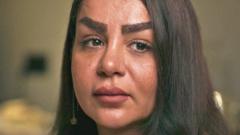
萨米拉16岁的女儿塞夫达在1月参加大规模抗议活动时被枪杀。BBC《全景》节目组 警告:内容令人痛苦且包含强烈语言 萨米拉说,她过去从不关心政治。
Samira's 16-year-old daughter Sevda was shot dead as they took part in mass protests in January. By BBC Panorama team Warning: Distressing content and strong language Samira says she never used to be political.
“我在伊朗做销售工作,卖化妆品,”她告诉BBC《全景》节目组。
"I worked in sales in Iran. I sold cosmetics," she tells BBC Panorama.
但这一切都在她唯一的孩子被伊朗安全部队当面枪杀的那一天发生了改变。16岁的塞夫达当时正参加抗议伊朗压制性政权的示威活动,这场示威今年早些时候席卷全国——在美国和以色列发动大规模空袭、击毙该国最高领袖阿亚图拉·阿里·哈梅内伊之前。
But that all changed the day her only child was shot dead in front of her by Iranian security forces. Sixteen-year-old Sevda was taking part in protests against Iran's repressive regime that engulfed the country earlier this year - before the US and Israel launched widespread air strikes which killed the country's supreme leader Ayatollah Ali Khamenei.
萨米拉说,随后伊朗当局阻挠而非协助她寻找女儿遗体,她的悲痛化作了愤怒。
Samira's grief became fury as Iran's authorities then hindered, rather than helped, her search for her daughter's body, she says.
“我意识到,找到塞夫达不是结束,而只是他们让我遭受的一切骚扰的开始。”萨米拉徒步翻越危险的山区地形,惊险逃离了伊朗。
"I realised that finding Sevda wasn't the end, but just the beginning of all the harassment they put me through." Samira made a dramatic escape from Iran on foot, navigating dangerous mountainous terrain.
她现在在国外隐居,形容自己是“独自对抗政权的单兵作战军队”。为了在女儿死后追求问责与正义,她决心点名她认为在抗议活动中开枪致死的安全部队成员和官员。
She now lives abroad in hiding, describing herself as a "one-woman army fighting the regime". In a search for accountability and justice after her daughter's death, she is intent on naming the members of the security forces and officials she believes were responsible for firing fatal shots during the protests.
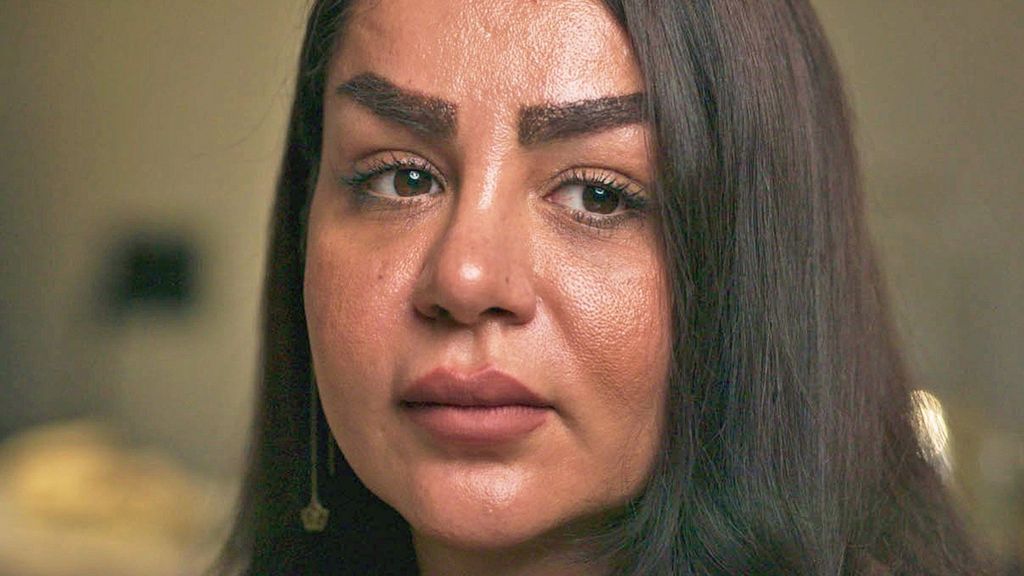
“他们会把我逼到濒死边缘才杀我,但想找到我没那么容易…… 回归正常生活?没有回头路了,”她说。
"They'll bring me to the brink of death before they kill me, but finding me won't be easy… Return to normal life? There is no going back," she says.
自今年初以来,萨米拉是BBC采访的数名伊朗人之一。一些仍身在国内的人告诉《全景》节目组,尽管风险巨大,他们仍想发声,称在大规模抗议被残酷镇压后,他们难以继续抱有希望。
Samira is among several Iranians the BBC has spoken to since the start of the year. Some, still inside the country, told Panorama they wanted to speak out despite the risks, saying they had found it difficult to hold on to hope once the mass protests had been brutally crushed.
伊朗驻伦敦大使馆告诉《全景》节目组,和平合法的抗议活动被包括美国在内的外国势力劫持,后者煽动暴力、提供武器装备,并破坏了公共安全。
The Iranian embassy in London told Panorama that peaceful and legitimate protests had been hijacked by foreign powers, including the US, which promoted violence, provided weapons and equipment, and compromised public security.
塞夫达于1月9日在首都德黑兰郊区的大规模示威活动中丧生,她和萨米拉参加了这场示威。示威活动始于上个月,最初由经济不满引发,随后演变为要求结束该国伊斯兰共和国的呼声。
Sevda was killed on 9 January as she and Samira took part in huge demonstrations on the outskirts of the capital Tehran which had begun the previous month. They had been sparked by economic discontent, before escalating into calls for an end to the country's Islamic Republic.
尽管萨米拉否认当时自己特别政治化,但她说她的女儿是。塞夫达的偶像是另外两位年轻女性——马赫萨·阿米尼,她因涉嫌违反强制性头巾规定而在拘留中死亡,引发了大规模抗议;以及妮卡·沙卡拉米,她在随后针对伊朗对女性严格伊斯兰着装规定的起义中丧生。
Though Samira denies she was especially political then, she says her daughter was. Sevda's idols were two other young women - Mahsa Amini, whose death in custody after an alleged violation against the mandatory headscarf triggered mass protests, and Nika Shakarami, who was killed during a subsequent uprising against Iran's strict Islamic dress code for women.
“她让她们在心中长存,并一直想继续她们的[抵抗]道路,”萨米拉说。
"She kept them alive in her thoughts and always wanted to continue their path [of resistance]," Samira says.
塞夫达被杀的前一天,抗议人数特别多。萨米拉说,她和塞夫达响应了伊朗末代沙阿(国王)流亡的儿子礼萨·巴列维的示威呼吁。“安全部队失去了控制,”她说。
The day before Sevda was killed, the numbers protesting had been particularly high. Samira says she and Sevda had responded to a call by Reza Pahlavi, the exiled son of Iran's last shah (king), for demonstrations. "The security forces had lost control," she says.
人数的激增让伊朗政府感到不安,第二天就宣布了射杀令,萨米拉说。但她当时以为这只是空话。
The swell in numbers had spooked Iran's government, and the following day a shoot-to-kill order was announced, Samira says. But she had thought it just an empty threat.
“伊朗撒了那么多谎……我们无法想象会发生那样规模的屠杀。”她说,美国总统特朗普承诺支持他们,这让他们感到安心。
"They lied so much in Iran… We couldn't imagine a massacre of that scale." And they were reassured, she says, by US President Trump's promise that he had their backs.
特朗普1月8日对美国媒体说:“我已经让[伊朗当局]知道,如果他们开始杀人,这在他们骚乱时经常发生……我们将狠狠打击他们。”尽管如此,萨米拉说,9日的人群似乎少了些。
He had told US media on 8 January: "I have let [the Iranian authorities] know that if they start killing people, which they tend to do during their riots… we're going to hit them very hard." But nevertheless the crowds appeared smaller on the 9th, Samira says.
萨米拉说,她的女儿似乎知道风险。女儿摘下耳环送给祖母,还把手机密码告诉了萨米拉。
Sevda seemed to know the risks, she says. Her daughter took off her earrings and gave them to her grandmother.
母女俩与其他抗议者聚集在一起。塞夫达随后站在一个垃圾桶上,开始领导口号。
She also shared her phone passcode with Samira. The mother and daughter gathered with the rest of the protesters.
“那里似乎是军队比人还多,”萨米拉谈到她们所在的地区时说。“我不知道,他们怎么在一天之内就聚集了那么多人……巴西吉和伊斯兰革命卫队部队。”伊斯兰革命卫队捍卫该国的伊斯兰政权,而准军事组织巴西吉抵抗部队是伊斯兰革命卫队的志愿者。
Sevda then stood on a dustbin and began leading a chant. "It seemed there were more forces than people," Samira says of the area where they were. "I don't know how, within one day, they gathered so many… Basijis and IRGC [Islamic Revolutionary Guard Corps] forces." The IRGC defends the country's Islamic establishment, and the paramilitary Basij Resistance Force are volunteers for the IRGC. "A sniper fired from the roof of a building on our right.
“一名狙击手从我们右侧一栋楼的屋顶开枪。子弹一定是从屋顶射来的。子弹穿透了她的心脏。我甚至没能尖叫。我只是盯着塞夫达——她的尸体一动不动地躺着。鲜血从她的嘴和鼻子涌出。我无法相信,无法相信她正在死去。她的眼睛还在看着我。”萨米拉说,她设法把塞夫达送到了医院,并被告知医生正在给她手术,但随后门打开了,她看到塞夫达已经被装进了尸袋。
The bullet must have come from the rooftop. The bullet went through her heart. I couldn't even scream. I just stared at Sevda - her body lying lifeless. Blood was gushing out her mouth and nose. I couldn't believe it, I couldn't believe she was dying.
塞夫达的尸体被带走了。萨米拉说,她花了好几天才再次找到女儿。和许多其他人一样,她来到了德黑兰最大的停尸房之一。
Her eyes were still looking at me." Samira says she managed to get Sevda to hospital and she was told they were operating on her, but then the door opened and she saw Sevda had been zipped into a body bag. Sevda's body was taken away. Samira says it took her days to find her daughter again.
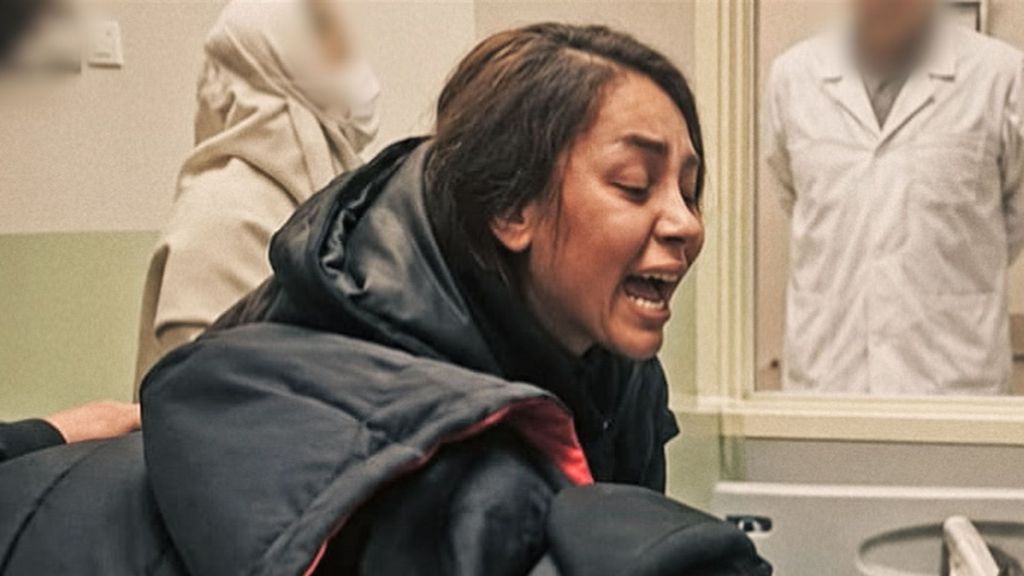
“青少年——年轻的男孩和女孩。有那么多人被杀了,”她哭着说。
Like many others, she found herself at one of Tehran's largest morgues. "Teenagers - young boys and girls.
“我打开的每一个尸袋,都像让自己死去了一次。我从未见过那么多尸体。但我不会放弃。”
So many had been killed," she cries. "I died with every bag I unzipped. I'd never seen so many bodies.
她终于找到了女儿。“三具尸体堆在塞夫达身上。我们就是这样找到她的。”伊朗当局承认,抗议活动中有超过3000人丧生,但声称其中一些人是安全部队成员。然而,一个人权组织“赫拉纳”估计,死亡人数超过7000人,其中大多数是抗议者。找到塞夫达的尸体只是萨米拉与当局斗争的开始,她说。
But I wouldn't give up." She finally found her daughter. "Three bodies were piled on top of Sevda. That's how we found her." Iranian authorities acknowledge that more than 3,000 people were killed in the protests, but claim some were members of the security forces. One human rights group, Hrana, however, estimates the number of dead stands at more than 7,000, most of them protesters. Finding Sevda's body was just the beginning of Samira's battle with the authorities, she says.
为了被允许带走尸体安葬,她说,她被迫声称是“恐怖分子”而非安全部队对塞夫达的死亡负责。
To be allowed to take away the body for burial, she says she was forced to say that "terrorists" rather than the security forces had been responsible for Sevda's death.
“他们这样做是为了掩盖他们在1月8日和9日所做的事,隐瞒他们杀死了多少人。他们让家属保持沉默,告诉家属说亲人是以色列或美国恐怖分子杀死的。”尽管如此,她说,葬礼后她被禁止探望坟墓,也无法立墓碑。
"They did this to cover up what they'd done on 8 and 9 January, to hide how many people they had killed. They silenced families by telling them to say their loved ones were killed by Israeli or American terrorists." Nevertheless she was barred from visiting the grave after the funeral, or organising a tombstone, she says.
萨米拉说,骚扰持续了下来。在塞夫达去世40天的纪念仪式举行前几天——这一仪式在伊朗文化中意义重大——她说,她被当地情报部门分局传唤。
And Samira says the harassment continued. A few days before the ceremony to mark 40 days since Sevda died - highly significant in Iranian culture - she says she was summoned by a local branch of the Ministry of Intelligence.
“他们告诉我:‘你应该接受我们的采访,说塞夫达是巴斯基民兵,是被抗议者杀死的。然后我们会宣布她为烈士——你随后会得到福利、一套房子,或者任何你想要的东西。’”她确信这个提议是出于恐惧,因为在该国网络恢复后,她曾将塞夫达的死讯分享给一家位于伦敦的伊朗媒体机构。
"They told me: 'You should give us an interview and say that Sevda was a Basiji and she was killed by the protesters. Then we will announce her [as] a martyr - you will then receive perks, a house, or anything that you want.'" She is sure this offer was prompted by fear, because she had shared Sevda's death with an Iranian media organisation based in London, once the internet had been reconnected in the country.
“他们害怕我与外部网络或伊朗境外的人保持联系。”为了避免接受采访,萨米拉在40天纪念日结束后立即逃离了伊朗。
"It scared them that I was in touch with external networks or those outside Iran." To avoid giving the interview, Samira fled Iran as soon as the 40th day anniversary was over.
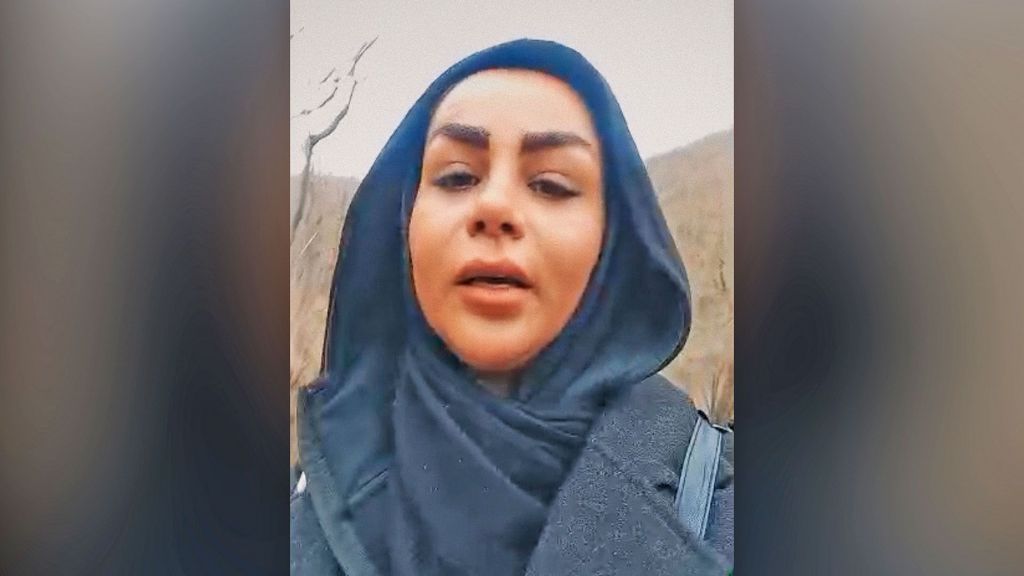
“我不想拿我孩子的血来交易。”她说,偷渡客帮助她逃脱。她穿越河流和山脉才到达安全地带。她拍摄的一段逃亡视频清楚地表达了她的愤怒。
"I didn't want to trade with my child's blood." She says people smugglers helped her to escape. She crossed rivers and mountains to get to safety. A video she made of herself fleeing makes clear her fury.
“这个烂透顶的政府,这些混蛋,他们骚扰我太过分了,”她一边沿着一条两侧是深沟的山路行进,一边对着镜头说道。
"This crap government, these bastards, they've harassed me so much," she tells the camera as she marches along a mountain path bordered by a deep ravine.
萨米拉说,在她继续从国外向外国媒体提供采访后,她被缺席审判指控了一系列罪行,包括“穆哈里贝”——即与上帝作战——该罪名可判处死刑。
Samira says after she continued to give interviews to foreign media from abroad, she was charged in absentia with a string of offences, including "moharebeh" - waging war against God - which can carry the death penalty.
为了纪念塞夫达本应满17岁的生日,她的亲友举行了守夜活动——萨米拉则在流亡中通过直播观看。“然后突然,直播信号中断了,”她说。
To mark what would have been Sevda's 17th birthday, her relatives and friends held a vigil - with Samira watching from exile on a livestream. "Then suddenly, the feed cut out," she says.
她说,她发现该活动已被突袭,她的一些家人和朋友被伊斯兰革命卫队逮捕。
She discovered that the event had been raided, she says, and some of her family and friends arrested by the IRGC.
她说,当局警告她的家人,如果他们继续在塞夫达的坟前聚集,她的遗体将被挖出并移至其他地方。
She says her family was warned by the authorities that, if they continued to gather at Sevda's grave, her body would be exhumed and moved elsewhere.
现在,萨米拉在网上公布她认为在她和塞夫达参加的1月8日和9日抗议活动中开枪致死的伊朗安全部队成员和官员的姓名。
Now, Samira shares the names, online, of Iranian security force members and officials she believes were responsible for firing fatal shots during the 8 and 9 January protests she and Sevda joined.
“我希望每一个我公开姓名的人都能得到应有的惩罚,因为他们杀害了那么多年轻人。我的目标是让他们被识别出来,以便接受审判,”她说。
"I want justice to be served for every single person whose name I expose, because they have killed so many young people. My goal is for them to be identified so they can be put on trial," she says.
当萨米拉在网上点名的其中一名男子后来被发现死亡时,一名政权支持者悬赏5000美元(约合3732英镑),征集她的下落信息,并推测她是凶手。伊朗官方媒体随后报道称,九人因该死亡事件被捕。尽管存在风险,萨米拉表示她拒绝保持沉默。
When one of the men Samira named online was later found dead, a regime supporter offered a $5,000 (£3,732) reward for information about her whereabouts, presuming she was responsible. Iranian state media has since reported the arrest of nine people in connection with the death. Despite the risks, Samira says she refuses to be silenced.
“每一天、每一秒没有塞夫达,对我来说都非常困难。就像一个失去了心脏、失去了生命本身、失去了生命的母亲……但塞夫达不再呼吸这一事实,让我得以站立起来……去思考如何纪念她的生命和她的道路……我看到的所有尸体,我为寻找塞夫达而打开的所有尸体袋,都让我决心与伊斯兰共和国抗争,直到我最后一口气。”
"Every day and every second without Sevda is very difficult for me. It's like a mother who has lost her heart, who has lost her being, has lost her life…"But the fact that Sevda is not breathing has made it possible for me to stand on my feet… to think about honouring her life and her path... all those bodies I saw, all those body bags I opened looking for Sevda, they all made me fight the Islamic Republic until my last breath."