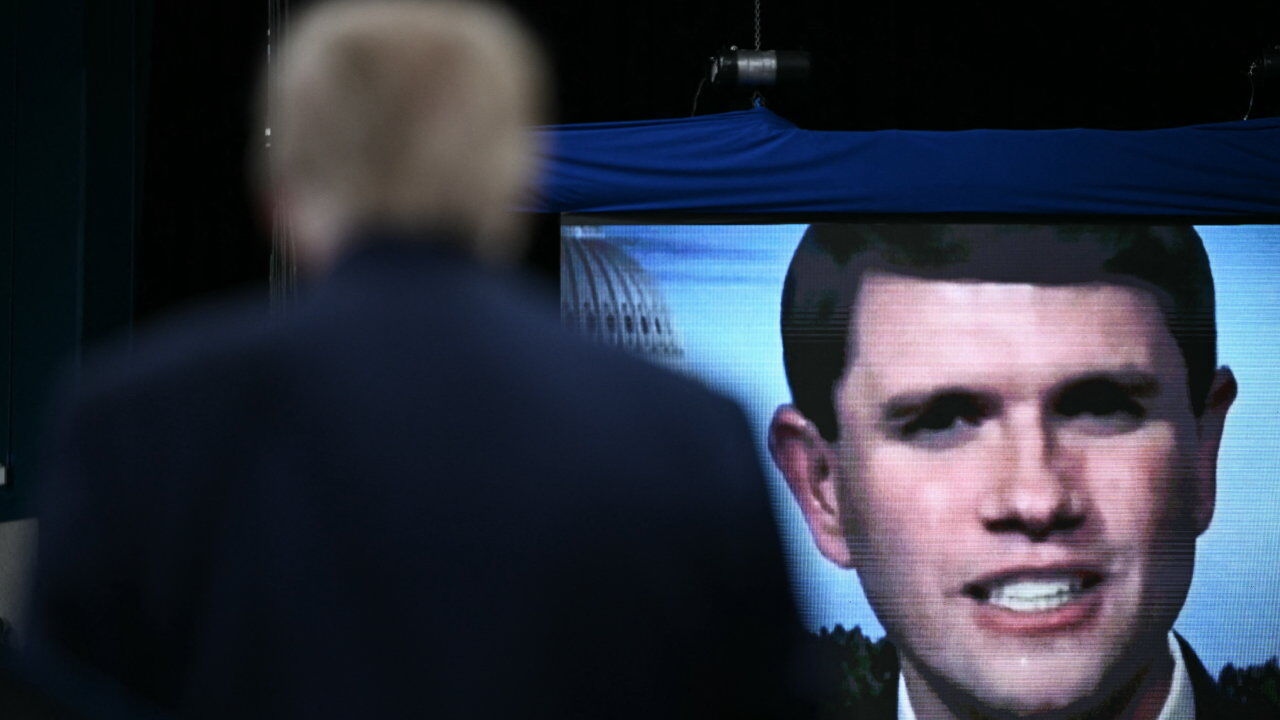
在其中一则广告中,得克萨斯州民主党参议员候选人詹姆斯·塔拉里科被描绘成穿着连衣裙,并伴着《音乐之声》的曲调歌唱跨性别儿童。在另一则广告中,密歇根州民主党参议员候选人阿卜杜勒·埃尔-赛义德似乎正在玩桌游,并对着写有“美国去死”和“庆祝9·11”的卡片放声大笑。跟踪政治广告的卫斯理传媒项目指出,这只是本选举周期中至少220个使用人工智能生成内容的竞选广告中的两个。用于播放此类广告的资金已超过1.37亿美元。
IN ONE ADVERT James Talarico, the Democratic Senate candidate in Texas, is depicted wearing a dress and singing about transgender children to a tune from “The Sound of Music”. In another Abdul El-Sayed, the Democratic Senate candidate in Michigan, appears to be playing a board game and laughing at cards that read “Death to America” and “Celebrate 9/11”. These are just two of at least 220 campaign ads using AI-generated content this election cycle, according to the Wesleyan Media Project, which tracks political advertising. More than $137m has been spent airing such ads.
然而,在表象之下,人工智能正以更微妙的方式颠覆竞选艺术。候选人们正在利用这项技术来帮助他们更有效地进行拉票、筛选选民数据并起草定制信息。行业组织美国政治顾问协会最近的一项调查发现,83%的竞选策略师和政治顾问在工作中经常使用人工智能。最坚定的吹捧者坚信,这项技术为竞选活动提供了决定性的优势。另一些人则担忧,仅存的一些道德约束正被抛在一边。
Beneath the surface, though, artificial intelligence is disrupting the art of campaigning in more subtle ways. Candidates are using the technology to help them canvas more effectively, sift through voter data and craft custom messages. A recent survey by the American Association of Political Consultants (AAPC), a trade body, found that 83% of campaign strategists and political consultants regularly use AI for their work. The most boosterish insist the technology provides a decisive advantage for campaigns. Others fret that what few ethical restraints remain are being shoved aside.
人工智能正在改变竞选活动与选民沟通的方式。埃尔-赛义德花费17万美元购买了Daisychain公司的服务,该公司提供一个由人工智能驱动的平台,通过短信与选民进行个性化对话。在竞选活动中,“左翼摇摆”这一进步派团体采取了不同的方法,用人工智能为传统的敲门拜访赋能。其志愿者会录制语音备忘录,总结与选民的对话。
AI is changing how campaigns communicate with voters. Mr El-Sayed shelled out $170,000 to Daisychain, a company which offers an AI-powered platform that engages in personalised conversations with voters over text messages. Out on the trail, the progressive group Swing Left is taking a different approach, supercharging old-fashioned door-knocking with AI. Its volunteers record voice memos summarising conversations with voters.
随后,人工智能软件会分析数百条此类录音,以帮助竞选团队定制他们的信息。“左翼摇摆”执行董事亚斯敏·拉德吉表示:“人工智能让我们大大提升了理解选民特质的能力。”
AI software then analyses hundreds of these recordings to help campaigns tailor their messages. “AI gives us a much better ability to understand the idiosyncrasies of a voter,” says Yasmin Radjy, Swing Left’s executive director.
这项技术对于预算紧张的小型竞选活动来说是一大福音。曾在加利福尼亚州竞选众议员但未获成功的民主党人赛卡特·查克拉巴蒂(Saikat Chakrabarti)曾让三名工作人员使用人工智能编写代码,替代了该竞选团队几乎所有的付费软件,从选民外展应用程序到网站设计工具。鼓励保守派竞选活动尝试新技术的“竞选创新中心”(Centre for Campaign Innovation)的埃里克·威尔逊(Eric Wilson)认为,这种效率使竞选团队能够专注于最重要的事情。
The technology is a boon for smaller campaigns on tight budgets. Saikat Chakrabarti, an unsuccessful Democratic House candidate in California, had three staffers use AI to code replacements for virtually all the campaign’s paid software, from voter-outreach apps to website-design tools. Such efficiencies allow campaigns to focus on what matters most, argues Eric Wilson of the Centre for Campaign Innovation, which encourages conservative campaigns to experiment with new technology.
他表示:“竞选活动的核心——与选民建立联系——仍然是一项人际业务。人工智能让我们能够把更多精力投入其中,而不是去做那些枯燥繁琐的工作。”所有这一切发生的同时,人工智能正日益影响选民了解候选人的方式。美国政治顾问协会(AAPC)发现,至少有38%的选民通过人工智能搜索摘要获取了选举信息。因此,候选人们正竞相影响聊天机器人对他们的评价——这种策略被称为“搜索优化”。
“The core of what a campaign is about, which is connecting with voters, is still a people business,” he says. “The AI lets us do more of that than the boring, busy work.”All this is happening as AI increasingly shapes how voters learn about candidates. The AAPC found that at least 38% of voters had received election information from an AI search summary. So candidates are rushing to influence what chatbots say about them—a tactic dubbed “sloptimisation”.
例如,竞选网站正越来越多地被设计成可供人工智能代理抓取的形式。甚至在专为选举专家设立的类似维基百科的网站Ballotpedia上添加候选人个人资料的信息,也能影响人工智能聊天的输出结果。但选民需提高警惕:总部位于伦敦的智库“战略对话研究所”(Institute for Strategic Dialogue)发表的一项研究发现,主流聊天机器人在回答有关中期选举的基本问题时,有四分之一以上给出了错误、不完整或过时的答案。
Campaign websites, for example, are increasingly designed to be scrapable by AI agents. Even adding information to a candidate’s profile on Ballotpedia, a sort of Wikipedia for election wonks, can affect the output of AI chatbots. But voters beware: a study published by the Institute for Strategic Dialogue, a think-tank in London, found that leading chatbots gave wrong, incomplete or outdated answers to over a quarter of basic questions about the midterms.
这加剧了人们对选举将因虚假信息而遭到破坏的担忧。网络安全公司VisionHeight最近发现了数十个显然由人工智能生成的伪装成地方报纸的网站,这些网站旨在诱使聊天机器人大量产出有利于某些国会候选人的报道。更加厚颜无耻的是深度伪造。例如,一个俄罗斯虚假信息网络被认为是几个视频的幕后推手,在这些视频中,一个假想的前学生虚假指控塔拉里科先生犯有性犯罪。
That has heightened fears the election will be marred by misinformation. VisionHeight, a cybersecurity firm, recently uncovered dozens of apparently AI-generated websites masquerading as local newspapers, designed to trick chatbots into pumping out favourable coverage of certain congressional candidates. Even more brazen are the deepfakes. A Russian disinformation network, for example, is thought to be behind a series of videos in which a supposed former student falsely accuses Mr Talarico of sex crimes.
在其他地方,攻击性广告描绘了民主党候选人说出他们从未说过的话,有时甚至没有明确说明这些内容是人工智能生成的。
Elsewhere, attack ads depict Democratic candidates saying things they never said, sometimes without clear disclaimers that they are AI-generated.
在用于人工智能广告的1.37亿美元中,88%来自共和党竞选团队及相关集团。威尔逊先生表示,对这类广告的担忧被夸大了,他将其比作政治讽刺。选民们可能会持不同意见。他们提出的任何投诉可能很快就会由人工智能来处理。
Of the $137m spent on AI ads, 88% has come from Republican campaigns and aligned groups. Concerns about such spots are overblown, says Mr Wilson, likening them to political parody. Voters may disagree. Any complaints they have may soon be fielded by artificial intelligence. ■