在刚果民主共和国(DRC)仍在应对史上最致命的埃博拉疫情之际,另一种疾病正对该国东部维龙加国家公园的野生动物造成沉重打击。
While the Democratic Republic of the Congo (DRC) continues to grapple with the deadliest Ebola outbreak in its history, another disease is taking a heavy toll on wildlife in Virunga National Park in the country’s east.
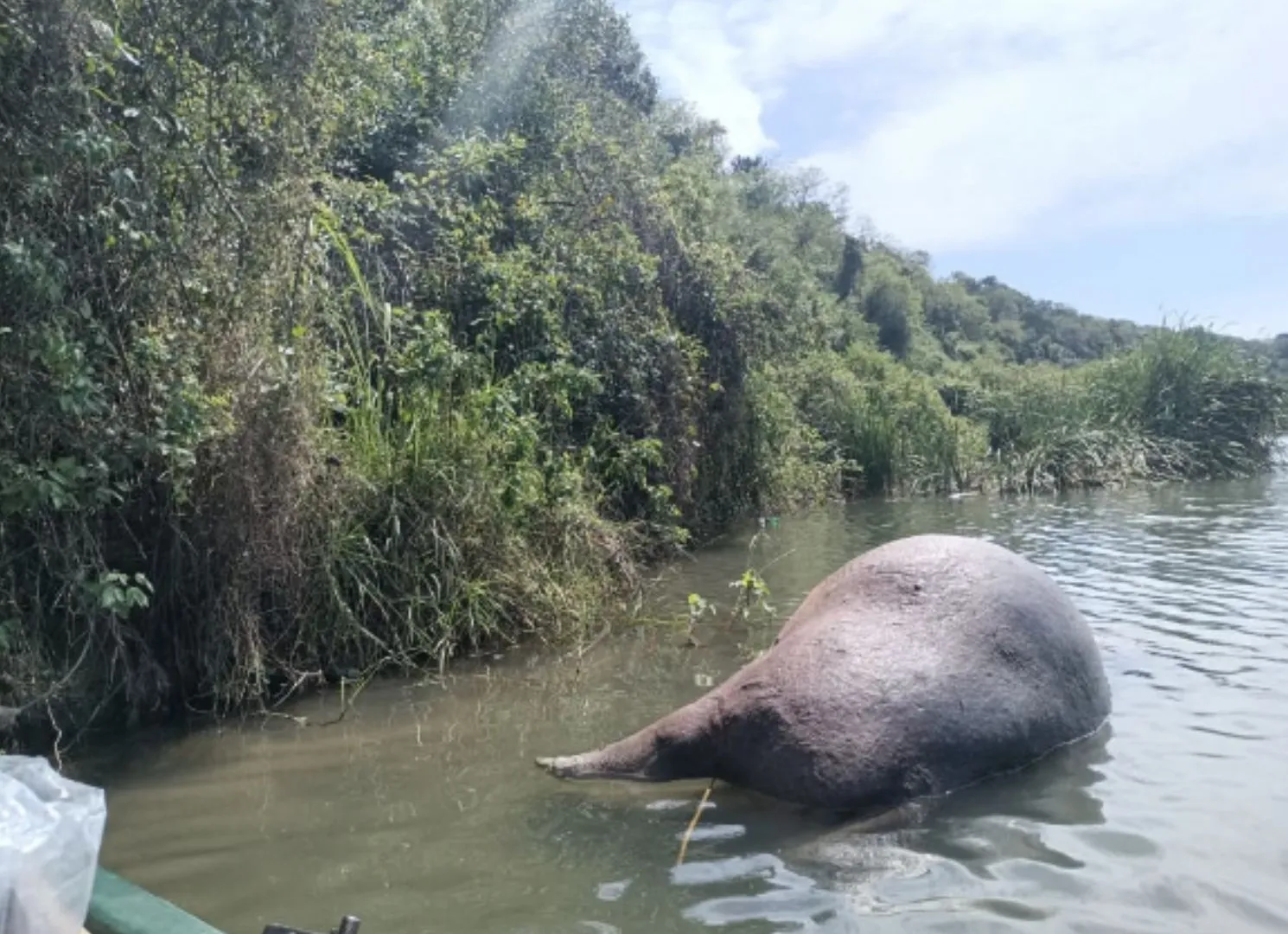
过去四周,位于非洲最古老的国家公园西侧的塞穆利基河中发现了河马尸体,引发了沿岸社区的担忧。
Over the past four weeks, hippopotamus carcasses have been discovered in the Semuliki River, west of Africa’s oldest national park, raising concern among communities living along its banks.
“我们是在九月中旬开始注意到塞穆利基河中河马的大规模死亡。我们已经开始担心这种情况,而它正发生在我们正处于埃博拉疫情之中,”居住在距北基伍省首府戈马约100公里(62英里)北部的维特舒姆比飞地的居民迈克尔·坎巴勒(Michael Kambale)对半岛电视台说。
“It was in mid-September that we began to notice the mass deaths of hippos in the Semuliki River. We have started to fear this situation, which is unfolding whilst we are in the midst of the Ebola outbreak,” Michael Kambale, a resident of the Vitshumbi enclave, about 100 kilometres (62 miles) north of Goma, the capital of North Kivu province, told Al Jazeera.
经实验室检测,维龙加国家公园确认导致野生动物死亡的是炭疽病,病原体为炭疽杆菌(Bacillus anthracis)。公园官员称,约在一个月的时间里共有28头河马死亡。
Following laboratory tests, Virunga National Park confirmed that anthrax, caused by the bacterium Bacillus anthracis, was responsible for the wildlife deaths. According to park officials, 28 hippos died over approximately one month.
“这种疾病可通过接触死亡或病患动物,或食用其肉类而传染给人类,”维龙加国家公园在发给半岛电视台的新闻稿中表示。
“This disease can be transmitted to humans through contact with a dead or sick animal or by consuming its meat,” Virunga National Park said in a press release sent to Al Jazeera.
生态与兽医学专家乔尔·姆布萨·马波利(Joel Mbusa Mapoli)称,死亡对维龙加国家公园是重大损失,并呼吁紧急采取行动遏制疫情。
Anthrax threatens wildlife and local communities Joel Mbusa Mapoli, an expert in ecology and veterinary medicine, said the deaths represented a significant loss for Virunga National Park and called for urgent action to contain the outbreak.
他解释说,河马是生态系统工程师,能够改变养分流动和其栖息地的生态条件。
He explained that hippos act as ecosystem engineers, altering nutrient flows and the ecological conditions of their habitats.
维龙加国家公园表示,将重点放在监测、尸体安全处理以及降低对野生动物和当地社区的风险上。
Virunga National Park said it was focusing on surveillance, the safe management of carcasses and reducing risks to wildlife and local communities.
维龙加国家公园南部景观 [摄影:Prosper Heri Ngorora/Al Jazeera] “团队正在监控受影响地区,记录新的死亡案例,并协调尸体的安全处理和处置,”公园说。
View of the southern part of Virunga National Park [Prosper Heri Ngorora/Al Jazeera]“Teams are monitoring the affected area, recording new cases of mortality and coordinating the safe handling and disposal of carcasses,” the park said.
“受影响地区及其周边的居民正在被告知疫情爆发情况;建议他们不要触摸、剥皮或食用发现的死亡动物,并向相关部门报告任何动物尸体或疑似病例,”该公园补充道。
“People living in the affected area and its surroundings are being informed about the outbreak; they are advised not to touch, skin or consume animals found dead, and to report any carcasses or suspected cases to the relevant authorities,” the park added.
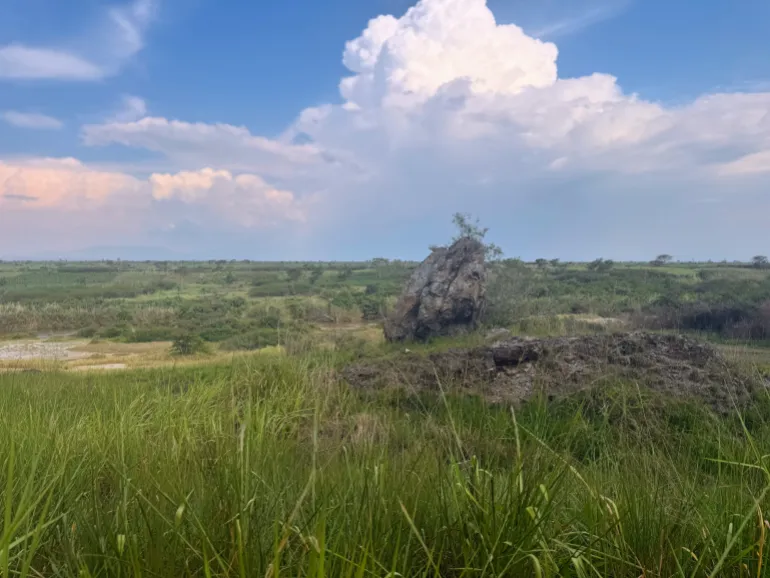
维龙加国家公园成立于1925年,是非洲最古老的国家公园,以其生物多样性而闻名。
Founded in 1925, Virunga is Africa’s oldest national park and is renowned for its biodiversity.
冲突使保护工作面临风险 刚果民主共和国环保活动家、非营利组织“刚果环境与人权警报”负责人奥利维尔·恩多勒·巴赫穆凯表示,该国持续近三十年的武装冲突助长了偷猎和森林砍伐。
Conflict puts conservation at risk Olivier Ndoole Bahemuke, a Congolese environmental activist and head of Alerte Congolaise pour l’environnement et les droits de l’homme, a nonprofit organisation operating in the DRC, said the armed conflict that has persisted in the country for nearly three decades had fuelled poaching and deforestation.
该公园表示,过去四年,由于刚果军队与M23武装分子之间的持续冲突,它已失去对其领土相当一部分的控制。
The park says it has lost control of a significant part of its territory over the past four years because of the ongoing conflict between the Congolese army and M23 fighters.
M23武装组织表示,它正在帮助保护该地区免受偷猎者和其他潜在人类威胁的侵害。
The M23 armed group says it is helping protect the area from poachers and other potential human threats.
干旱与反复爆发的炭疽病 公园官员表示,在干旱期间,该生态系统中的河马和其他野生动物此前曾出现过炭疽病爆发。
Drought and recurring anthrax outbreaks Park officials said anthrax outbreaks had previously been observed among hippos and other wild animals in the ecosystem during periods of drought.
据马波利介绍,多种因素导致维龙加国家公园反复爆发炭疽病。这些因素包括细菌在环境中的持续存在、生态和气候条件恶化、动物聚集于水生栖息地以及监测野生动物健康状况的困难。
According to Mapoli, several factors contribute to recurring anthrax outbreaks in Virunga National Park. These include the persistence of the bacterium in the environment, deteriorating ecological and climatic conditions, the concentration of animals around aquatic habitats and difficulties in monitoring wildlife health.
“当植被变得稀缺时,食草动物可能会更靠近地面觅食,并聚集在少数剩余的觅食区和水源附近,从而增加其接触受污染土壤的机会,”维龙加国家公园在发给半岛电视台的一份声明中表示,并补充说,该情况正被“密切”监测。
“When vegetation becomes scarce, herbivores may graze closer to the ground and congregate around the few remaining grazing areas and water points, thereby increasing their exposure to contaminated soil,” Virunga National Park said in a statement sent to Al Jazeera, adding that the situation was being monitored “closely”.
该公园2026年2月的人口普查估计,河马数量超过2700只,分布在171个群体中。
The park’s February 2026 census estimated the hippo population at more than 2,700, distributed across 171 groups.
据维龙加国家公园2026年2月的种群数量更新显示,2025年一场炭疽疫情导致该公园65头河马死亡。公园工作人员调动挖掘机从水中打捞尸体。据公园官员称,炭疽杆菌可在土壤中以孢子形式存活数十年。
In 2025, an anthrax outbreak killed 65 hippos in Virunga National Park, according to the park’s February 2026 population update. Park staff mobilised excavators to retrieve the carcasses from the water. According to park officials, anthrax can survive for decades in the soil in the form of spores.
保护河马就是保护生态系统 马波利表示,应对炭疽疫情应将保护措施与公共卫生干预相结合,符合“同一健康”原则,即一种认识到人类、动物和环境健康相互关联的方法。
Protecting hippos means protecting the ecosystem Mapoli said the response to anthrax should combine conservation measures with public health interventions, in line with the One Health principle, an approach that recognises the links between human, animal and environmental health.
他呼吁加强流行病学监测,更好地保护当地社区,妥善处理动物尸体,并加强国家、非国家和准国家机构之间的合作。
He called for stronger epidemiological surveillance, better protection for local communities, proper management of animal carcasses and greater collaboration among state, non-state and para-state bodies.
“河马是维龙加生态系统的旗舰物种之一。它的消失可能导致水生生态系统严重紊乱,因为这些动物在陆地和水生环境之间的物质交换中发挥着作用,”他对半岛电视台表示。
“The hippopotamus is one of the flagship species of the Virunga ecosystems. Its disappearance could lead to a major disruption of aquatic ecosystems, as these animals play a role in the exchange of matter between terrestrial and aquatic environments,” he told Al Jazeera.