日本成立了一个新的国家机构,旨在集中并加强对可能发生的重大灾害的防灾、应对和重建工作。日本是世界上灾害多发的国家之一。
Japan has launched a new national agency to centralize and strengthen disaster preparedness, response and reconstruction for possible major disasters in one of the world's most disaster-prone countries.
美联社东京电文——日本周一成立了一个专注于灾害管理的新国家机构,旨在让该国为太平洋沿岸或东京发生超级大地震、或者富士山喷发做好更充分的准备。
MARI YAMAGUCHI TOKYO — Japan on Monday launched a new national agency focused on disaster management with the goal of making the country better prepared if there’s a megaquake along the Pacific coast or in Tokyo, or an eruption of Mount Fuji.
国家灾害管理机构的350多名工作人员将监督防灾、应急响应和重建工作。
More than 350 workers at the National Disaster Management Agency will oversee preparedness, emergency response and reconstruction efforts.
该机构的设立并不是为了应对某场特定的灾难,而是为了填补空白。此前,人们担心该国是否做好了应对类似2011年日本北部地震海啸(造成近2万人死亡)及随之而来的福岛核事故这种规模危机的准备。
The agency is not being created in anticipation of any specific calamity, but rather is meant to fill a gap amid worries about whether the nation is prepared for a crisis along the lines of the 2011 quake and tsunami in northern Japan, which killed nearly 20,000 people, and the subsequent Fukushima nuclear disaster.
日本位于“太平洋火环”之上,是地球上最易发生灾害的地区之一,但此前从未有过专门处理灾害的机构。
Japan, which is part of the “Pacific ring of fire,” is one of the most disaster-prone places on earth, but it has never had an agency dedicated to dealing with disasters.
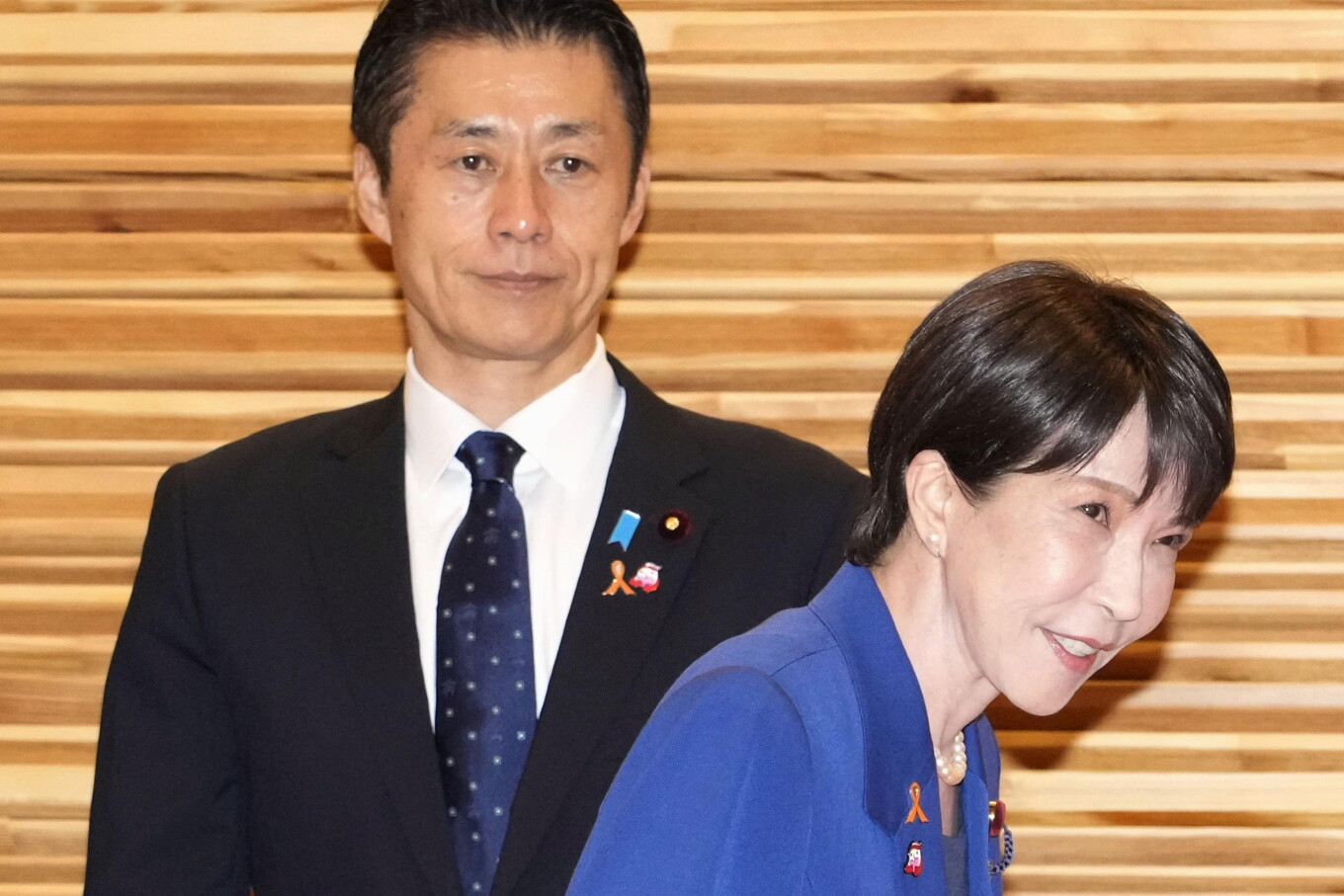
“作为灾害应对的指挥中心,我们将尽一切努力加强防灾能力,以保护人民的生命财产安全……并力争成为世界上防灾准备最充分的国家,”复兴大臣细野豪志说。细野将管理由日本首相高市早苗领导的该机构。
“As the command center of disaster response, we will do everything to strengthen our preparedness to protect people’s lives and properties ... and aim to become the world’s most prepared,” Reconstruction Minister Goshi Hosono said. Hosono will manage the agency headed by Japanese Prime Minister Sanae Takaichi.
该机构敦促在全国范围内进行防灾检查 细野周一向地方市镇和日本公民发出“紧急请求”,要求他们检查房屋的抗震能力、确保家具牢固固定、评估疏散程序,并储备至少三天所需的水和便携式厕所。“请大家自己思考并采取行动,”他说。
The agency urges preparedness review nationwide Hosono on Monday issued “emergency requests” for both municipalities and Japanese citizens to check the quake resistance of their homes, make sure their furniture is safely anchored, evaluate their evacuation procedures and stock up on water and portable toilets for at least three days. “Please think about it for yourself and take action,” he said.
曾任福岛核危机担当大臣的细野表示,他希望利用他在2011年灾难中获得的专业知识来加强该机构。但人们担心该国对未来的灾害准备不足。
Hosono, who was the minister in charge of the Fukushima nuclear crisis, said he wants to use his expertise from the 2011 disaster to strengthen the agency. But there are worries that the nation is unprepared for future disasters.
曾为协助日本北部从2011年灾难中恢复而设立了一个复兴机构,其中包括福岛核电站的去污和退役工作——这些工作需要长期支持,但当时并没有一个中央级的灾害机构。
A reconstruction agency was established to help northern Japan’s recovery from the 2011 disaster, including the Fukushima nuclear plant’s decontamination and decommissioning effort, something that required long-term support, but there was no centralized disaster agency.
日本不到一半的地方官员在过去五年中接受过灾害管理培训。细野表示,只有15%的日本地方市镇制定了针对需要帮助的老年和残疾居民的疏散应急计划。
Less than half of municipal officials in Japan have received disaster management training in the past five years. Only 15% of Japanese municipalities have evacuation contingency plans for elderly and handicapped residents requiring assistance, Hosono said.
日本过去使用的是被动式灾害应对单位,来自不同部委和部门的官员聚集在一起作为临时团队工作,但缺乏一个跨部门的指挥中心。
Japan used to have reactive disaster response units, with officials from different ministries and departments gathering and working as a temporary team, without a cross-departmental command center.
日本希望应对现有的风险 专家们警告称,未来几十年内可能发生大地震,尽管无法预测具体时间和地点,但官员希望人们做好准备。
Japan wants to address existing risks Experts have cautioned about the possibility of major quakes in the coming decades and, although specific timing and locations cannot be predicted, officials want people to be prepared.
根据政府评估,最大的担忧是与日本东南部太平洋海底海沟——南海海槽相关的超级大地震,这可能导致预计29.8万人死亡、650万人疏散以及235万栋房屋损毁。“如果这真的发生,我们的未来将危在旦夕,”细野说。
The biggest worry is a megaquake linked to the Nankai Trough an undersea trench in the Pacific off southeastern Japan, which could cause an estimated 298,000 deaths, 6.5 million evacuees and 2.35 million lost homes, according to government assessments. “If this actually hits, our future will be at stake,” Hosono said.
政府还估计,日本北部海岸外两个海槽引发的超级大地震可能会导致近2万人死亡。
The government also estimates nearly 200,000 deaths could result from a megaquake from two troughs off Japan’s northern coasts.
袭击东京大都市的一场单独的大地震可能导致预计1.8万人死亡、410万人疏散并失去40万栋房屋。
A separate major quake striking metropolitan Tokyo could cause an estimated 18,000 deaths, 4.1 million evacuees and the loss of 400,000 homes.
富士山喷发可能会影响79万人和他们的家园,同时扰乱交通、输电线路和关键基础设施。
A Mount Fuji eruption could affect 790,000 people and their homes, while disrupting transportation, power lines and key infrastructure.
新机构旨在改善避难所条件 日本长期以来因避难所装备简陋而饱受批评。在这些地方,人们通常被挤在体育馆、社区中心和教室里,缺乏足够的隐私、床铺、干净的厕所或热食——这种恶劣的环境被专家与健康问题甚至死亡联系在一起。
New agency aims to improve conditions at evacuation centers Japan has long been criticized for its poorly equipped evacuation centers, where people are typically pushed into gymnasiums, community centers and classrooms that lack adequate privacy, bedding, clean toilets or hot food — harsh environments that experts have linked to health problems or even deaths.
该机构旨在通过引入干净的便携式厕所、能够供应热食的厨房、热水澡设施和纸板床来改变这一现状。
The agency aims to change that by bringing in clean portable toilets, kitchens that can serve hot food, facilities for hot baths and cardboard beds.
2011年3月袭击日本北部的里氏9级大地震和特大海啸造成近19800人死亡,其中包括3810起与随后的恶劣生活条件有关的死亡。
The magnitude 9 earthquake and massive tsunami that hit northern Japan in March 2011 killed nearly 19,800 people, including 3,810 deaths linked to subsequent harsh living conditions.
今年7月,袭击西南部熊本县的里氏7.1级地震造成38人死于非命,69000多栋房屋被毁或受损,大片地区数周断水断电。
In July, a magnitude 7.1 earthquake that struck the southwestern prefecture of Kumamoto killed 38 people and destroyed or damaged more than 69,000 homes, leaving wide areas without water and power for weeks.