当被要求搜索网络时,这些机器人的最新版本正在将传统网络搜索的要素(它们本质上只是代表你进行谷歌搜索)与它们能够从训练数据中提取的知识相结合。所有内容随后都以如今熟悉的、经过润色的生成式 AI 风格进行打包和格式化。
When asked to search the web, the latest versions of these bots are combining elements of traditional web search (they're essentially just googling on your behalf) with knowledge they are able to pull out of their training data. Everything is then packaged and formatted in the now-familiar, polished generative AI style.
正是建立在传统谷歌搜索之上的这些额外 AI 要素产生了差异,这意味着 AI 驱动的搜索并不总是最佳选择。何时使用 AI 进行网络搜索如果你要查找一些简单且广为人知的信息——比如帝国大厦的高度——那么 AI 搜索是一个相当稳妥的选择。这类信息不仅易于在线获取,大语言模型青睐的“自动修正”概率模式也意味着,你看到的结果包含正确信息的可能性极大。
It's the added AI elements on top of the traditional googling where the differences come in, and that means AI-powered search may not always be the best option. When to Use AI for Web Search If you're looking up something simple and widely known—like the height of the Empire State Building—then AI search is a pretty safe bet. Not only is information like this easy to access online, the “autocorrect” probability patterns favored by large language models mean there's a near-certain chance that the results you see will include the right information.
如果你只需要快速查一下,用 AI 没问题。不过,问题越冷门,你就越需要仔细甄别答案。如果你问的是不太知名的内容,比如一部冷门电视剧中第五位主演的演员,网上可能只有一两处提及,AI 可能会选错来源。
If you just need a quick look-up, AI is OK. The more obscure the question, though, the closer you need to look at the answer. If you've asked something less well known, like the fifth-billed actor in an obscure television show, there might only be one or two references to it on the web, and an AI might choose the wrong one.
近期斯坦福大学研究的一个结论是:当 AI 找到准确来源时,它非常擅长从中提取正确信息。它的短板在于找不到准确来源(要么是因为根本不存在,要么是因为查询被误解了),却依然给出一个看似自信的答案。
One of the takeaways from recent Stanford University research is that when AI finds an accurate source, it's very good at pulling the right information out of it. Where it tends to fall down is in not finding accurate sources (either because there aren't any or because the query has been misinterpreted) and presenting a confident answer anyway.
当你有一个复杂查询,而标准的 Google 搜索无法解析时,AI 搜索也很有帮助:“我需要知道旧金山最适合五口之家、预算不超过 200 美元的餐厅。” AI 能针对这样的搜索查询并整合多个来源,然后呈现一个综合得很好的答案。传统的网页搜索只会给你一列蓝色链接,大概率只是按更基础的标准对旧金山餐厅进行排名。
AI search is also helpful when you have a complex query that a standard Google search wouldn't be able to parse: "I need to know the best restaurants in San Francisco for a family of five who want to spend no more than $200." AI is able to query and collate multiple sources in response to a search like this, and then present a well-synthesized answer. A traditional web search would give you a list of blue links that most probably just rank San Francisco restaurants by more basic criteria.
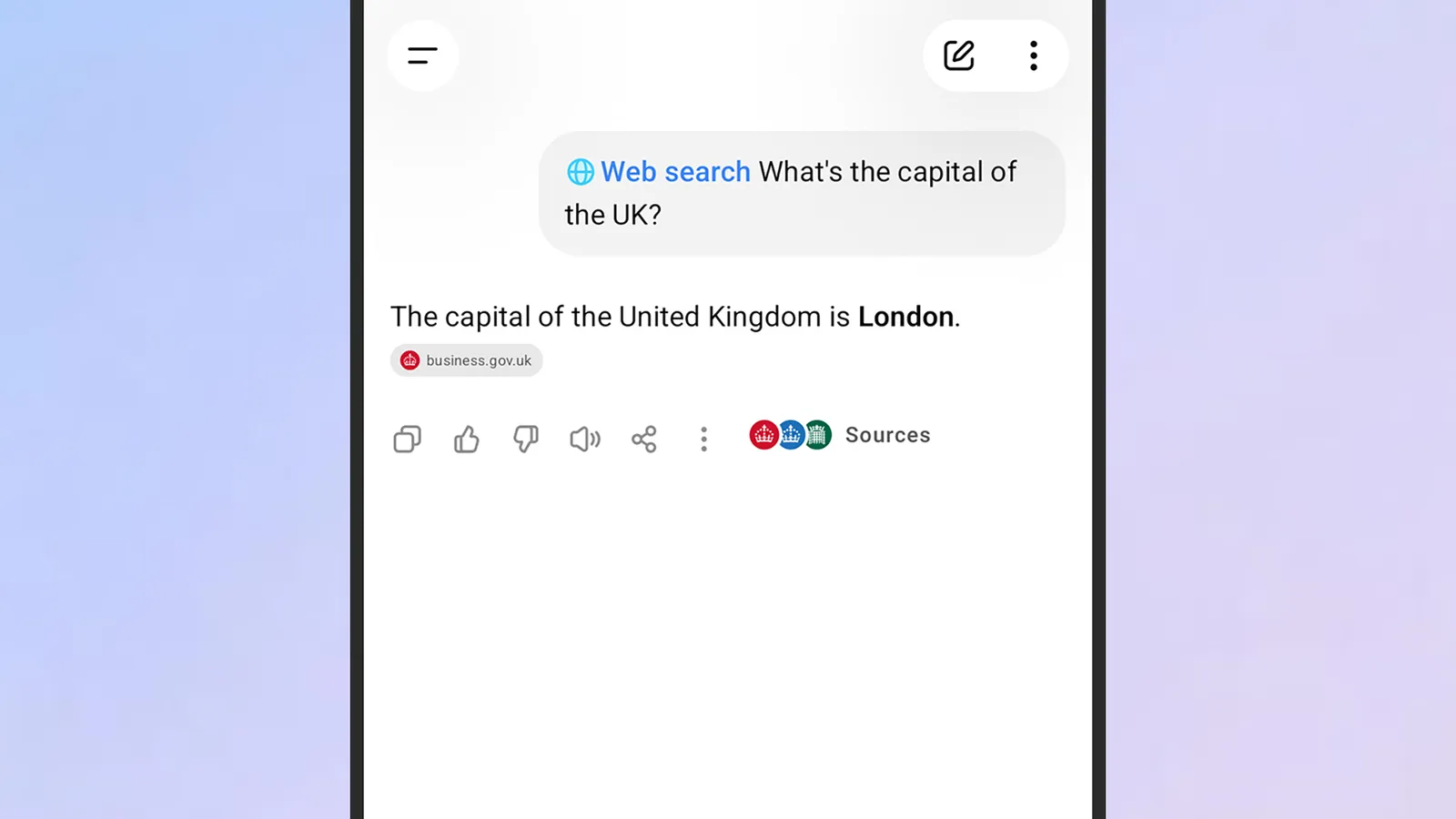
不过同样,来源至关重要。AI 机器人从未去过旧金山,也没在那里吃过饭。它们依赖的是网上由去过的人撰写的公开记录。在没有完全匹配的页面时,它们会寻找相关词汇(如“实惠”或“家庭”),并生成答案。
Again though, sources are crucial. AI bots have never been to San Francisco or eaten there. They are relying on public accounts on the web, written by people who have. Where there are no exact page matches, they'll look for related words (like "affordable" or "family") and generate an answer.
对于网上信息丰富的查询,比如旧金山餐厅,AI 网页搜索会让人感觉非常有用。对于不太热门的目的地和更具体的请求(“形状像星星的餐桌”),你需要更谨慎地对待结果,因为 AI 连接线索的方式此时变得不那么可靠。
For queries where there's lots of information online, like San Francisco restaurants, AI web search can feel incredibly useful. For less popular destinations and more specific requests ("dining tables shaped like stars"), you need to be more careful with the results, as the way that AI joins the dots then becomes less reliable.
因此,在你应该始终进行某种形式的复核这一前提下,AI 网页搜索最适合那些可能在网上找到大量准确、最新信息的常见查询。无论是在处理搜索查询的方式上,还是在打包和综合答案的方式上,AI 聊天机器人都比“谷歌一下”有了显著提升。
So, with the caveat that you should always do some kind of double-check, AI web search works best for common queries that are likely to lead to a lot of accurate, up-to-date information online. In both the way they process search queries, and package together and synthesize answers, AI chatbots are a significant upgrade on googling.
生成式 AI 机器人和大语言模型的构建方式,使它们在转述、综合和总结时表现最好。但这些过程也可能引入错误。如果你的搜索需要精确细节(如名人引语、报告数据或设备规格),传统的 Google 搜索可能效果最好。
The way generative AI bots and LLMs are put together means they work best when paraphrasing, synthesizing, and summarizing. But these processes can also introduce mistakes. If your search needs precise details (like a celebrity quotation, a report stat, or a device specification), a traditional Google search may work best.
如果你想完全掌控所用的信息来源,直接访问 Google 进行传统搜索也可能是更好的选择。将网络搜索外包给 AI 虽然方便,但你需要依赖它正确理解你的搜索意图、找到合适的来源,并从这些来源中准确提取信息。这虽然省时,但过程更不透明。
Heading to Google and searching the old way is also likely to be better if you want full control over the sources used. Offloading web searches to AI is convenient, but you're relying on them to interpret your search correctly, find the right sources, and then extract accurate information from those sources. It saves time, but it's more opaque.
例如,如果你知道最信任哪些网站获取科技新闻,你可以在传统网络搜索中优先考虑这些网站,而 AI 可能无法做到这一点。加州大学圣地亚哥分校的研究人员发现,AI 网络搜索有时选择来源是因为它们与查询更相关,而不是因为它们被评定为更权威。
If you know the websites you trust most for technology news, for example, you can prioritize them in a traditional web search in a way that AI might not be able to. Researchers from UC San Diego have found that AI web searches will sometimes pick sources because they're more relevant to the query, rather than because they're ranked as more authoritative.
这意味着,如果 AI 认为某个人人博客比专业医疗网站更贴合用户的实际搜索需求,它可能会优先选择该博客。而在浏览传统的结果列表时,你不太可能做出这种选择,因为你通常会挑选最信任的那一个。
That means a personal blog might get chosen above a professional health care site if the AI deems it to be a closer match to what the user is actually searching for. This is a choice that you would be much less likely to make when scanning a traditional list of results, as you'd typically pick the one you trusted the most.
在其他一些领域,传统搜索仍占优势,例如突发新闻(AI 调取的数据有时在时效性上存在滞后),以及绝对不能出错的高风险搜索——比如涉及健康、法律或财务的搜索。
Other areas where traditional searching still wins out are for breaking news (there can sometimes be a lag in the timeliness of the data AI pulls up) and for high-stakes searches where you absolutely cannot make a mistake—searches related to health, the law, or your finances, for instance.
如果你确实觉得有必要采用 AI 方式,请务必反复核对聊天机器人使用的来源,这些来源应链接在回答内部。如果你有任何疑问,可以要求 AI 说明某条信息的出处,以确保它不是大语言模型的臆造。
If you do feel like an AI approach is needed, be sure to double- and triple-check the sources the chatbot has used, which should be linked inside the answer. If you're in any doubt, you can ask the AI for clarification on where something was sourced from, to make sure it isn't an LLM invention.
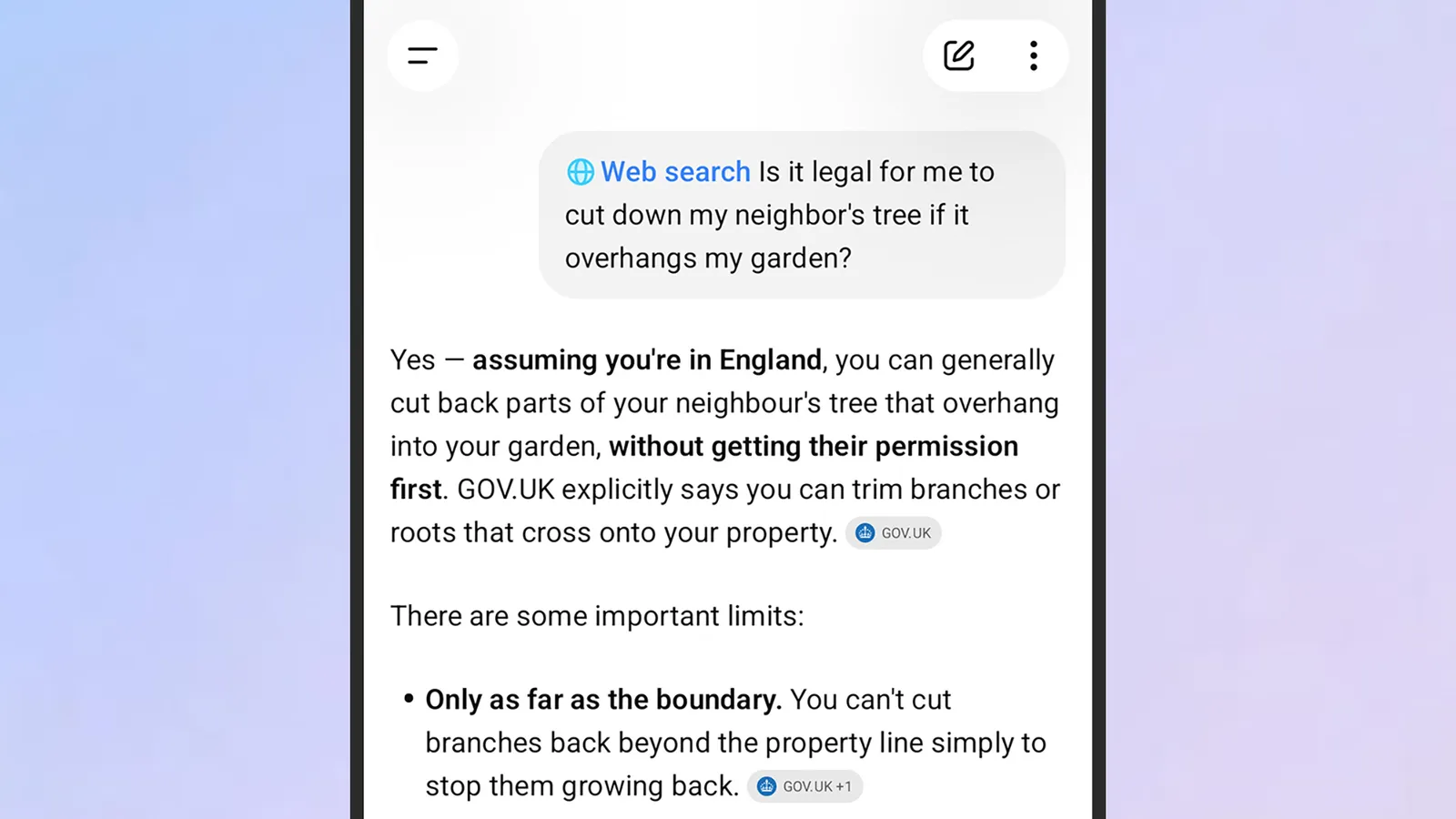
当然,传统的 Google 搜索也可能在网上找到虚假信息,但如果没有聊天机器人在中间插一脚,你处于更有利的位置来辨别什么是真实准确的、什么不是。对于那些准确性比便利和速度更重要的查询,传统的网络搜索方式仍有其用武之地。
Classic Google searches can still turn up false information on the web, of course, but you're in a much better position to discern what's true and accurate and what isn't without a chatbot in the middle. For queries where that's more important than convenience and speed, there's still a place for the old way of searching the web.