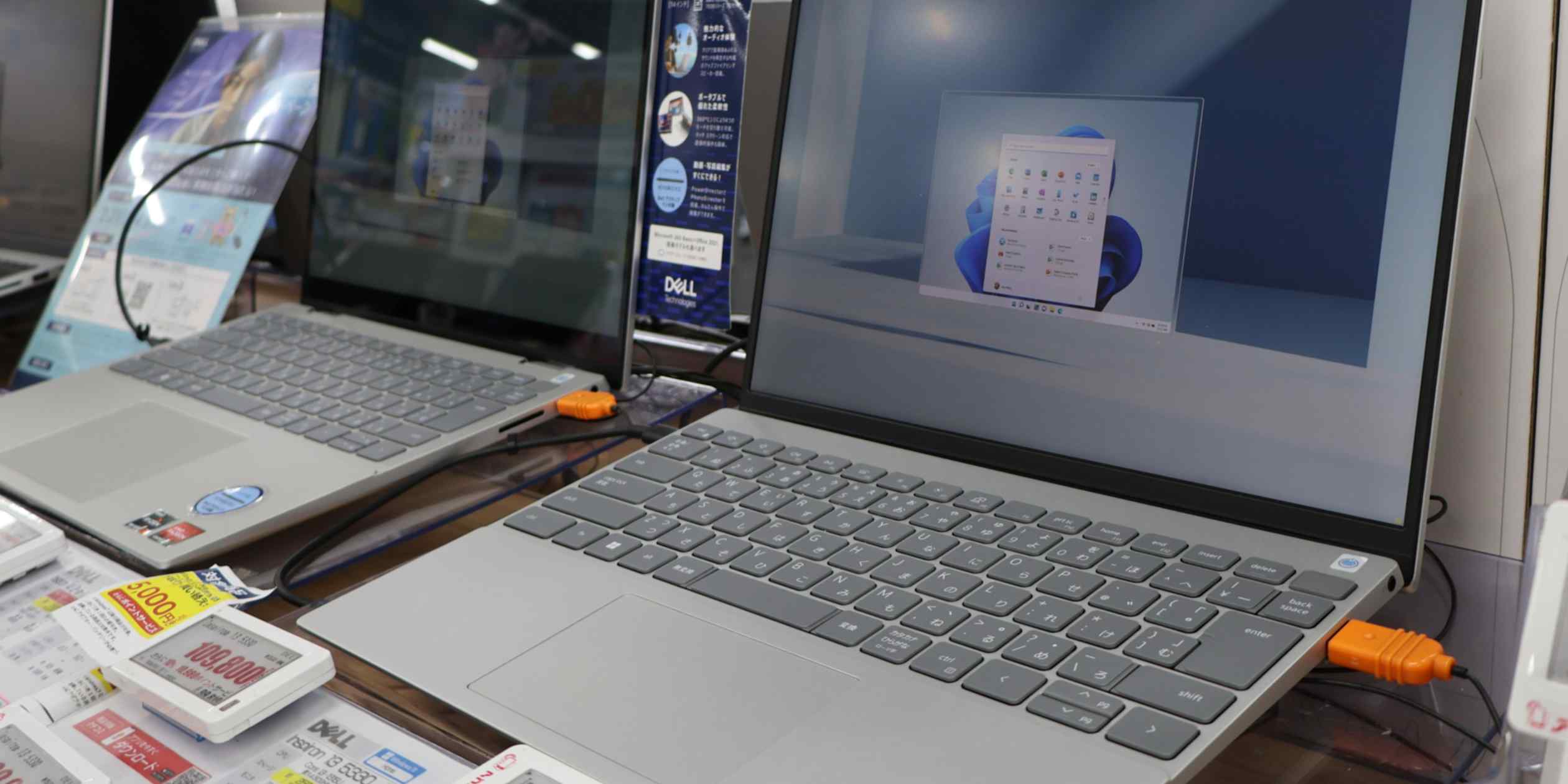
东京 -- DRAM半导体存储芯片价格已升至约为去年底水平的两倍,因主流芯片制造商优先供应用于数据中心人工智能应用的产品,而非个人电脑等通用产品。
TOKYO -- DRAM semiconductor memory prices have risen to roughly double their level at the end of last year, as manufacturers of the mainstay chips prioritize supplies for artificial intelligence applications in data centers over commodity products such as personal computers.
DRAM(即动态随机存取存储器)用于计算机、智能手机以及数据中心的AI服务器等广泛设备的临时数据存储。全球市场由三家供应商主导:韩国的三星电子和SK海力士,以及美国的美光科技。它们合计控制约90%的DRAM市场份额。
DRAM -- or dynamic random-access memory -- is used for temporary data storage in a wide range of devices, from computers and smartphones to AI servers in data centers. The global market is dominated by three suppliers: Samsung Electronics and SK Hynix in South Korea, and Micron Technology in the U.S. Together they control about 90% of the DRAM market.
大宗价格由存储芯片制造商与设备制造商、模组生产商等买方按月或按季度协商确定。用于个人电脑和服务器的DDR5 DRAM方面,16吉比特芯片的大宗价格8月定在每颗约47.50美元,9月约为50.00美元。
Bulk prices are negotiated monthly or quarterly between memory manufacturers and buyers such as device makers and module producers. For DDR5 DRAM used in personal computers and servers, the bulk price for 16-gigabit chips settled at around $47.50 per unit in August and about $50.00 in September.
价格已连续九个月上涨至9月,达到约为2025年底记录水平两倍的程度。
Prices have now risen for nine straight months through September, reaching roughly twice the level recorded at the end of 2025.
三大存储芯片制造商优先向正加大数据中心投资的美国超大规模云服务商发货,导致个人电脑等通用产品可用的供应商寥寥无几。
The three major memory makers are prioritizing shipments to U.S. hyperscalers that are ramping up their investment in data centers, leaving few suppliers for general-purpose goods such as computers.
聚焦超大规模云服务商源于盈利考量。数据中心部署的AI服务器使用高带宽存储器(HBM)等先进存储产品,该产品通过堆叠多颗DRAM芯片制成。HBM领域龙头SK海力士于10月28日表示,其7-9月季度合并净利润同比增长两倍多。
The focus on hyperscalers stems from profitability. AI servers deployed in data centers use advanced memory produces such as high-bandwidth memory (HBM), which stacks multiple DRAM chips. SK Hynix, the leader in HBM, said on Oct. 28 that its consolidated net profit for the July-September quarter more than tripled on the year.
“如果我们对DRAM(动态随机存取存储器)厂商提出的价格进行还价,就无法确保供应,”一家日本电子贸易公司的高管表示。“我们正在按报价采购产品,以确保维持稳定的供应。”
"If we push back against the prices DRAM makers propose, we can't secure our supply," said an executive at a Japanese electronics trading company. "We're buying products at the offered prices to ensure we keep a stable supply."
另一家贸易公司的高管说:“我们连给现有客户分配供应都很吃力,正在拒绝任何新客户。”随着供应跟不上通用产品的需求,一些DRAM厂商推迟了报价和谈判。
An executive at a different trading company said, "We're struggling even to allocate supply to existing customers, and we're turning down any new clients." With supply failing to keep pace with demand for general goods, some DRAM makers have delayed price quotes and negotiations.
市场普遍认为,随着AI(人工智能)普及加速,需求将继续增长,这表明价格在可预见的未来可能继续上涨。但飙升的存储成本已开始影响成品生产。根据日本电子情报技术产业协会(JEITA)的一项调查,2024年4月至9月期间,日本个人电脑出货量同比下降30%。
The prevailing view in the market is that demand will continue to grow as AI adoption picks up, suggesting that prices are likely to continue rising for now. But soaring memory costs are already affecting the production of finished products. Personal computer shipments in Japan fell 30% on the year in the April-September period, according to a survey by the Japan Electronics and Information Technology Industries Association.
一家个人电脑制造商的代表表示:“我们预计DRAM市场对买方而言将继续保持艰难,甚至延续到2027年。”“我们希望继续与DRAM供应商谈判,以将对PC生产和出货的影响降至最低。”
"We expect the DRAM market to remain challenging for buyers even in 2027," said a representative at a personal computer manufacturer. "We want to continue negotiations with DRAM suppliers to minimize the impact on PC production and shipments."