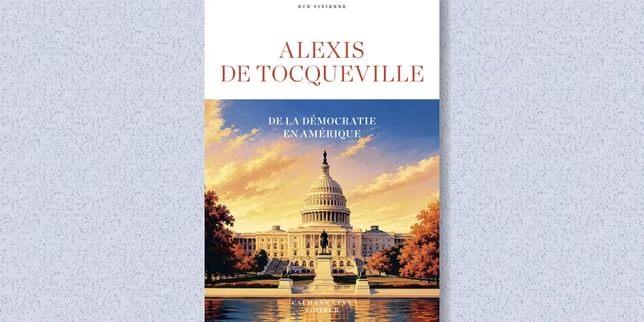
每个社会都由其起源塑造,即使后世必然会重新诠释其传统。这种重新诠释能走多远,才算背叛了社会的精神内核?当我们结合唐纳德·特朗普当选这一既象征又加速了政治发展的事件,重读阿列克西·德·托克维尔的《论美国的民主》(1835年)时,这个问题便油然而生。
Every society is shaped by its origins, even as successive generations inevitably reinterpret its traditions. How far can this reinterpretation go before it betrays the society's very spirit? This is the question that arises when reading Alexis de Tocqueville's De la démocratie en Amérique (Democracy in America, 1835), in light of the political developments that Donald Trump's election has both come to symbolize and help accelerate In 1831, de Tocqueville and Gustave de Beaumont [magistrate, writer, and politician] crossed the Atlantic to understand democracy in its purest form.
1831年,托克维尔和古斯塔夫·德·博蒙[法官、作家和政治家]横渡大西洋,以求理解最纯粹形式的民主。美国民主生来就是民主的,而欧洲民主虽源于反抗贵族传统的起义,却仍带着千年历史的烙印。如今,我们是否应该审视美国社会的近期发展,以分析民主是如何消亡的?美国的经历难道不为所有自由民主国家面临的危机提供了一个后果波及全球的尤为鲜明的例证吗?我们正目睹极右翼政党在所有欧洲国家看似势不可挡的崛起。(……)
American democracy was born democratic, whereas European democracies, though they emerged from revolts against aristocratic heritage, remained marked by their thousand-year-old histories. Today, should we examine recent developments in American society to analyze how democracies die? Does the American experience not offer a particularly stark illustration, with consequences for the entire world, of a crisis affecting all liberal democracies? We are witnessing the seemingly irresistible rise of far-right parties across all European countries. (…)