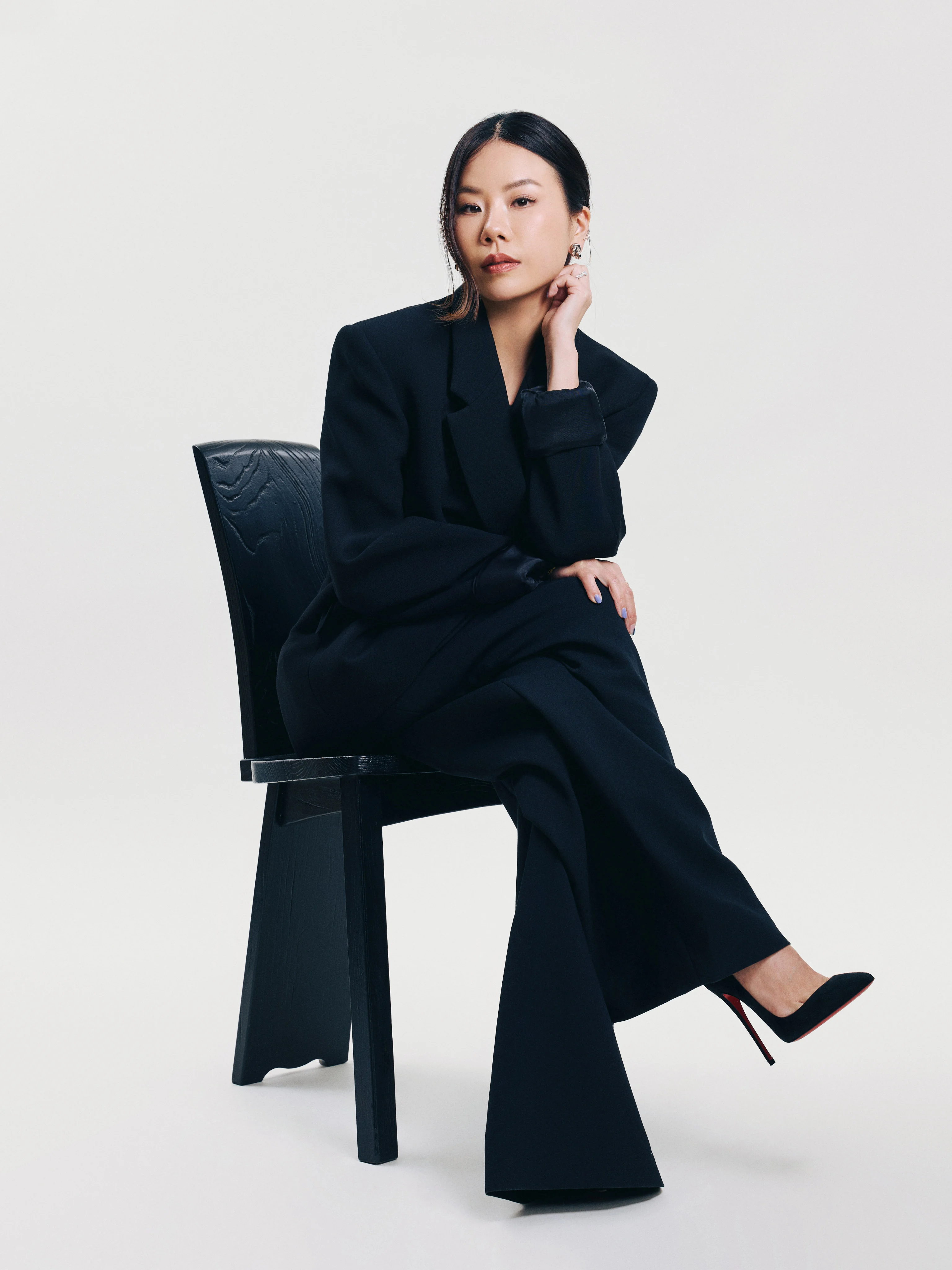
当严婉雯(Bebemona Yim)在广告行业深耕15年后选择离开,她并没有加入家族的草本茶品牌“恭和堂”,而是自创品牌。
When Bebemona Yim walked away from more than 15 years in advertising, she did not join her family’s herbal tea business, Kung Wo Tong. She started her own.
她的畅销产品是一包融合了红枣、洛神花、玫瑰、山楂与胶原蛋白的小袋装茶饮——这与家族三代人在香港供应的苦涩黑色草本茶截然不同。
Her bestseller is a sachet of red dates, roselle, rose and hawthorn mixed with collagen – a long way from the bitter black brews her family has served in Hong Kong for three generations.
严婉雯是香港新一代接手家族企业的女儿之一,涉足领域远不止餐饮业。大华私人银行与波士顿咨询公司预测,到2029年,亚洲私人财富将达到99万亿美元,香港与新加坡将成为其主要枢纽。然而,2025年永明金融的一项调查显示,只有27%的香港家族企业主拥有完善的传承计划,而在亚洲六大主要市场中,仅有31%的非企业内部继承人已完全准备好接管大权。
Yim is part of a generation of Hong Kong daughters who are inheriting family businesses in F&B and well beyond. UOB Private Bank and Boston Consulting Group project that private wealth in Asia will reach US$99 trillion by 2029, with Hong Kong and Singapore as its main hubs. Yet a 2025 Sun Life survey found only 27 per cent of Hong Kong family-business owners had a fully developed succession plan, and across six major Asian markets, just 31 per cent of heirs outside the business were fully prepared to take over.
这座城市已有女儿掌舵的显著案例。已故大亨郑裕彤的孙女郑志雯(Sonia Cheng)在28岁接管瑰丽酒店集团,并将其拓展至26个国家的60家酒店。已故何鸿燊的女儿何超琼(Pansy Ho)担任信德集团集团执行主席,自90年代起便参与集团事务。希慎兴业创始人利希慎的孙女利惠洁(Irene Lee)掌舵公司,并主导其利园地产的扩张计划。
The city already has prominent examples of daughters at the top. Sonia Cheng, granddaughter of the late tycoon Cheng Yu-tung, took charge of Rosewood Hotel Group at 28 and has grown it to 60 hotels in 26 countries. Pansy Ho, daughter of the late Stanley Ho, is group executive chairman of Shun Tak Holdings and has been involved in the conglomerate since the ’90s. Irene Lee, granddaughter of Hysan Development founder Lee Hysan, chairs the company and is overseeing the expansion of its Lee Gardens estate.
但这条路并不平坦。“拥有规划所需的财力很少是问题所在,”非营利组织 HK4Families 专业团体社群联合主席 Regina Ho(何颖怡,音译)表示。她指出,更棘手的是心理和文化层面的问题,其中包括由来已久的重男轻女观念。“女儿的合法性依然是‘一步步’争取来的,而儿子则被默认为天生准备就绪。”
But the path is not straightforward. “Having the financial resources to plan is rarely the problem,” says Regina Ho, co-chair of the Professional Body Community for non-profit HK4Families. The harder issues are psychological and cultural, she says, including a long-standing preference for sons. “Legitimacy remains a ‘step-by-step’ for daughters while sons are still presumed ready.”
HK4Families 编辑团队成员 Elaine Chow(周颖琳,音译)不愿过度概括,但指出女性领导方式存在一些差异。“从家族财富投资的角度来看,女性往往更具跨代际的眼光。”
Elaine Chow, part of the editorial team at HK4Families, is wary of generalising, but notes some differences in how women lead. “From a family wealth investment [standpoint], women tend to be more multigenerational in outlook.”
Yvonne Kam(甘颖仪,音译)是甘瑞辉的孙女,后者于 1942 年创办了享负盛名的烧鹅酒家镇记。在公司和餐饮界均经历动荡时期后,她出任集团首席财务官。
Yvonne Kam is the granddaughter of Kam Shui-fai, who founded the storied roast goose restaurant Yung Kee in 1942. She became the group’s CFO after a turbulent period in the company and the dining world at large.
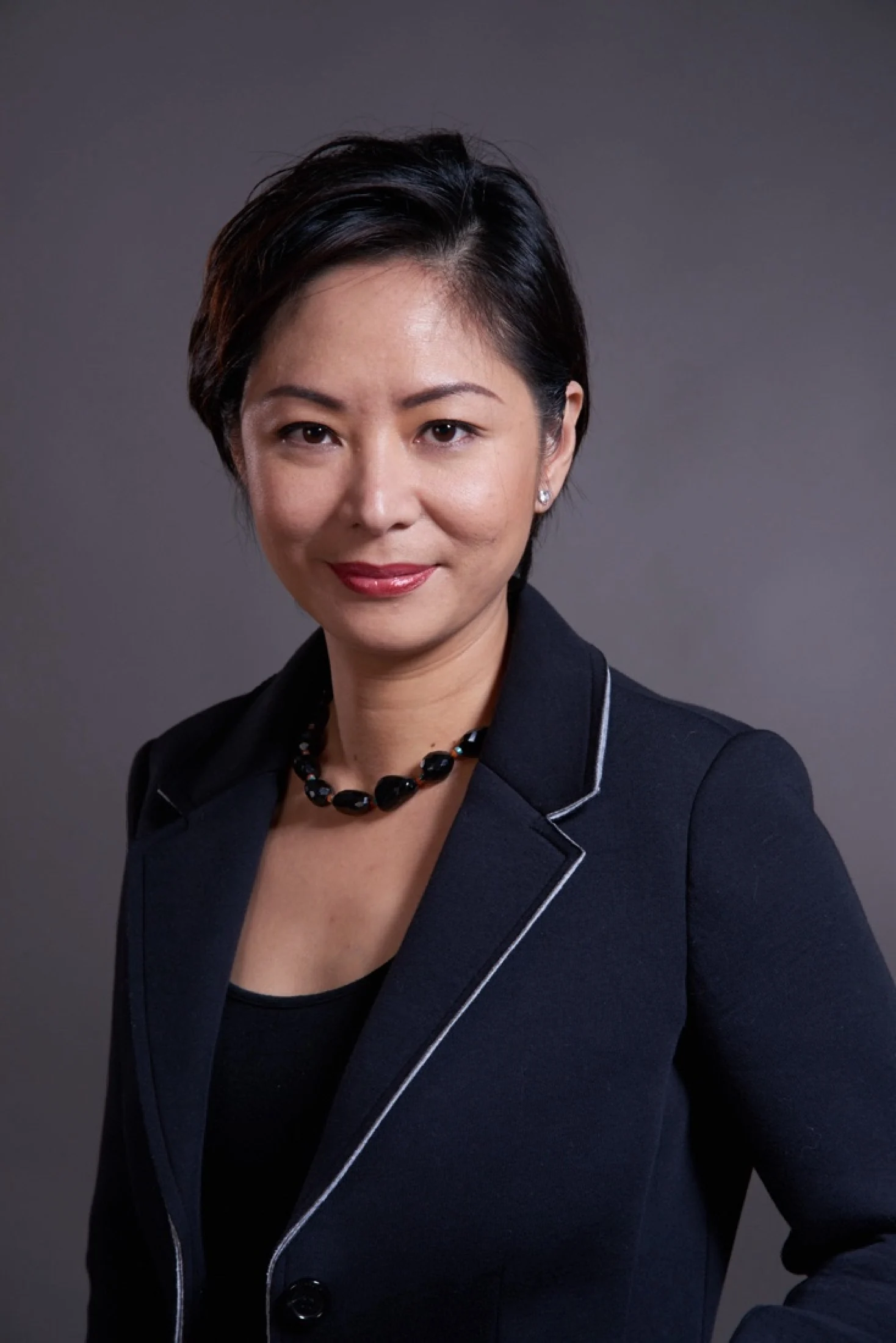
“餐饮业向来由男性主导,管理风格以阳刚为主,但作为女性领导者,我带来了更平衡、平易近人且协作的文化,”她说。“我信奉柔性力量的强大。”这种理念也延伸至她的现代化举措。2019 年,她在 K11 Musea 推出了 Yung’s Bistro,这是一家更轻松的分支品牌,供应鸡尾酒。烧烤技艺则保持原样。“守护核心底蕴没有商量余地,”她说。
“F&B has traditionally been a male-dominated industry with a predominantly masculine management style, but as a female leader, I’ve brought a more balanced, approachable and collaborative culture to the table,” she says. “I believe in the strength of soft power.”That approach extends to how she modernises. In 2019, she launched Yung’s Bistro at K11 Musea, a more relaxed spin-off of the restaurant with cocktails. The roasting techniques are untouched. “Protecting our core is non-negotiable,” she says.
Alexa Bui(裴雅莉,音译)作为家族于 1967 年在铜锣湾创办的北园潮州酒家市场总监,面临着类似的平衡术。她曾从事化妆师和健身专业人士近二十年,这让她在依然由男性主导的行业中学会了观察言行。“我不认为你需要改变自我才能赢得一席之地。”她推动在中环开设私房菜,那是她成长的地方,旨在将潮州菜带给年轻食客。“我不希望传统让人感觉只属于过去,”她说。
Alexa Bui faces a similar balancing act as the marketing director of Pak Loh Chiu Chow restaurant, which her family opened in Causeway Bay in 1967. She spent almost two decades as a make-up artist and fitness professional, which taught her to read a room in an industry still dominated by men. “I don’t think you need to change who you are to earn a place at the table.”She pushed to open a private kitchen in Central, where she grew up, to bring Chiu Chow cooking to younger diners. “I don’t want tradition to feel like something that belongs only in the past,” she says.
同样,严嘉仪认为与原有茶铺不存在竞争关系,理由是“做大蛋糕总是更好”。她依然秉承祖父的信条。“我们只需要自己把事情做好,保持品质,”她说。
Similarly, Yim sees no competition with the original tea shop, reasoning that “it’s always better to make the pie bigger”. And she still carries her grandfather’s creed. “We just need to do good stuff ourselves [and] keep up the quality,” she says.
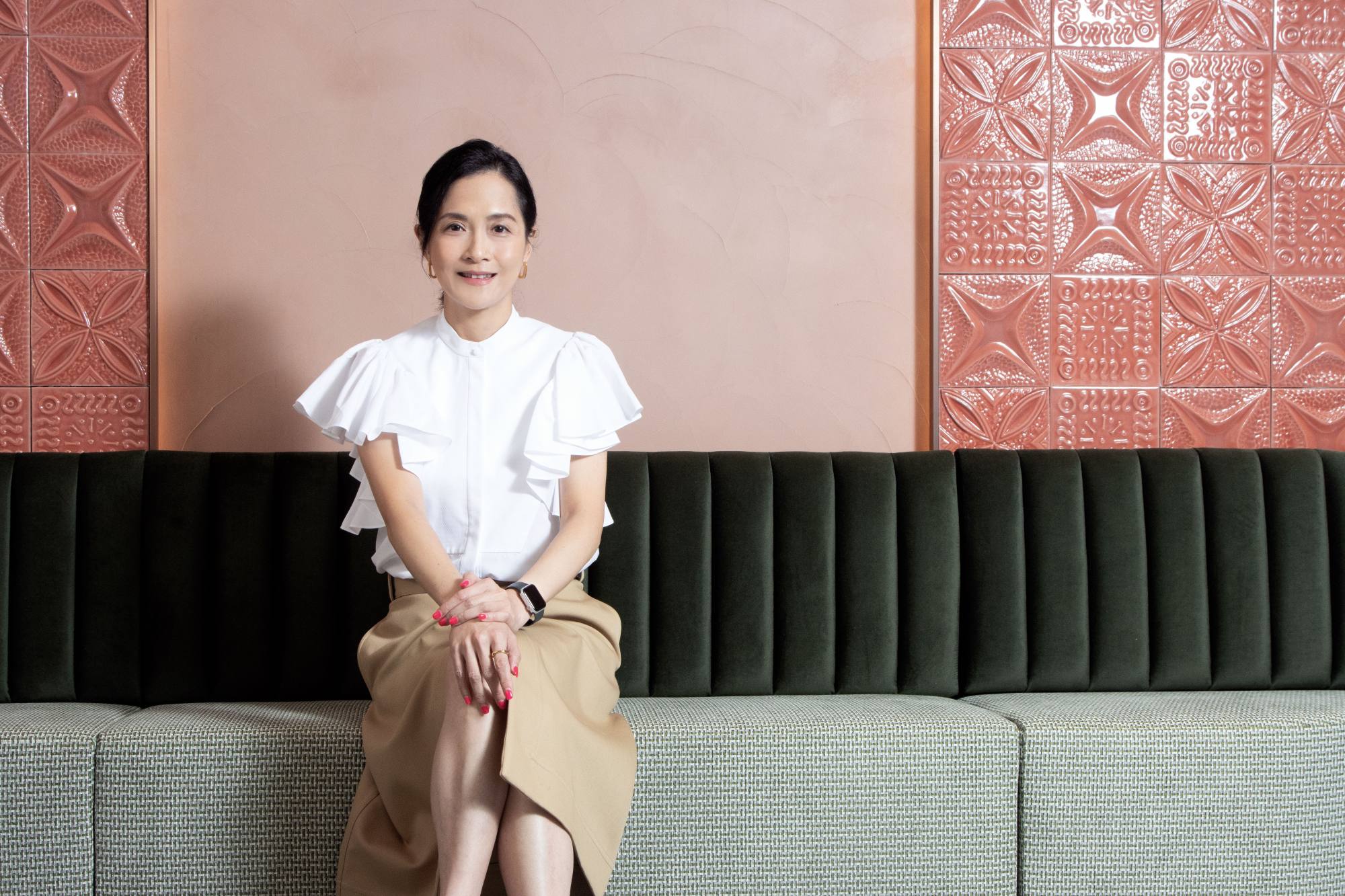
严嘉仪在香港浸会大学修读中医营养学,2010年创办草本茶饮店“龟龄元方”,疫情期间进军茶包市场。两年前,她加入了“创世网络”(Genesis Network)——一个面向新一代家族企业领袖的受邀制社群,但她选择在家族企业之外另起炉灶,而非在内部接班。长工时让她落下慢性健康问题,中医师指引她回归根本。今年,严嘉仪创立了Glowe,将中医与现代营养科学结合。
Yim studied Chinese medicine nutrition at Hong Kong Baptist University, launched herbal tea shop Gui Ling Yuan Fang in 2010 and moved into tea bags during the pandemic. Two years ago, she joined Genesis Network, an invite-only community for next-generation family business leaders, but chose to build alongside the family business rather than inside it with her next venture. Long hours had left her with chronic health problems, and Chinese medicine doctors pointed her back to her roots. This year, Yim set up Glowe, which pairs Chinese medicine with modern nutrition science.
她敏锐的广告直觉依然指引着她。“我会从受众的角度,而非商业角度来审视,”她说。
Her advertising instincts still guide her. “I will look at it from the audience perspective rather than a business perspective,” she says.
这些女性都表示,性别塑造了她们的领导方式。“作为这一行业的女性,也让我懂得了理解他人与建立信任的重要性,”裴氏说。
Each of these women says gender shapes the way they lead. “Being a woman in this industry has also taught me the importance of understanding people and building trust,” says Bui.
甘氏强调“以同理心和开放沟通领导”,而严嘉仪则认为“我们沟通或谈判的方式”是女性带来的优势。
Kam stresses “leading with empathy and open communication”, while Yim cites “the way that we communicate or the way we negotiate” as an advantage that women bring to the table.
对何氏而言,真正的问题超越了性别。“我认为该问的问题不在于领导风格,而在于家族企业需要什么来确保基业长青——谁能且愿接过接力棒。”
For Ho though, the real question goes beyond gender. “I think the question that should be asked is not about leadership style but what the family enterprise needs to future-proof itself – who can and will take up the baton.”