无论是OpenAI、Anthropic开发的模型,还是基于开源替代方案构建的模型,当前的人工智能模型都有一个关键局限:如果没有进一步训练,它们无法从错误中学习。
Whether developed by OpenAI, Anthropic, or built on open-source alternatives, current AI models share a critical limitation: they don’t learn from their mistakes without further training.
企业将这些模型适配到法律、金融等专业领域时,通常通过对通用模型进行微调来绕开这一局限。但这往往需要组建内部研究团队,或依赖昂贵的顾问,也就是通常所说的前向部署工程师(FDE)。
Businesses adapting these models for specialized fields, such as law and finance, typically get around this by fine-tuning general models. However, that often requires hiring internal research teams or relying on expensive consultants, commonly known as forward-deployed engineers (FDEs).
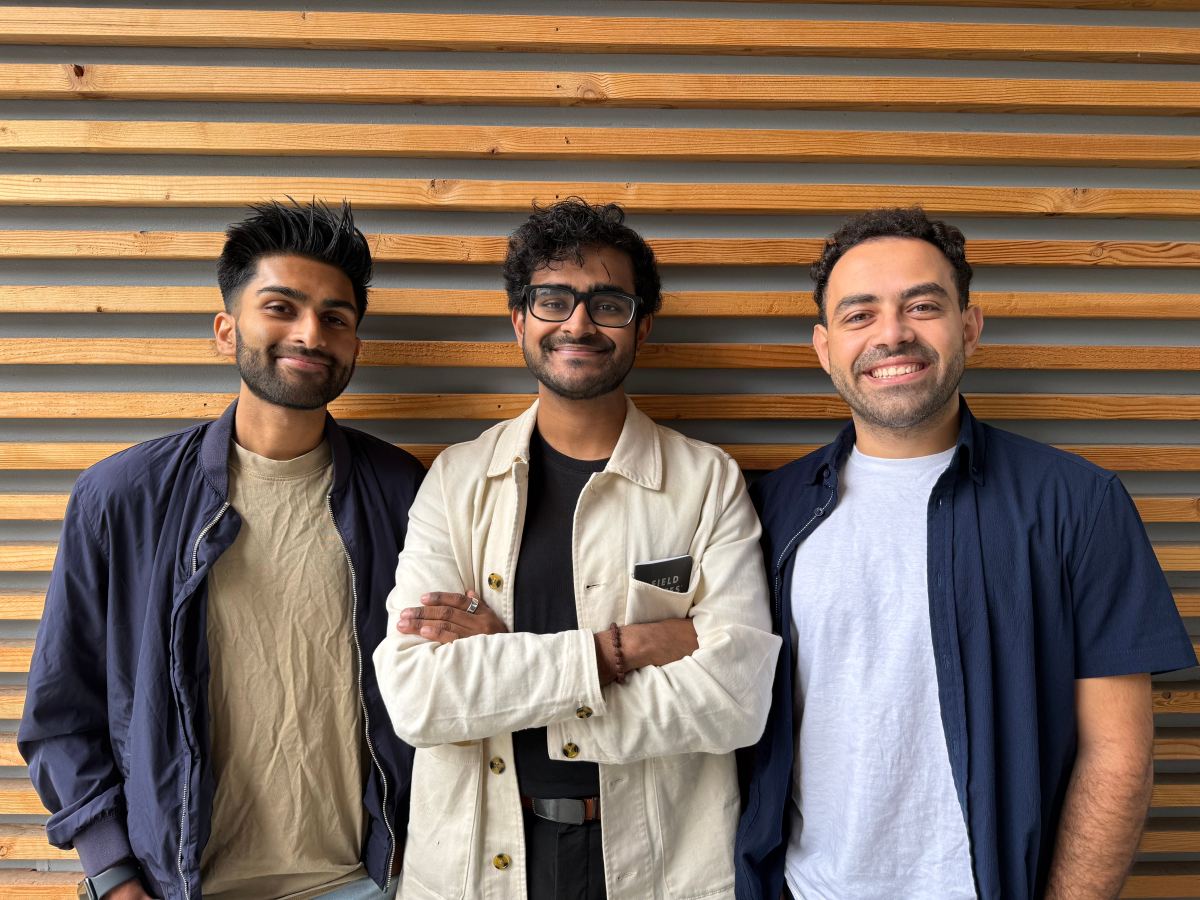
Trajectory是一家约一年前由三位斯坦福同学创立的初创公司,他们曾在谷歌DeepMind和苹果任职。该公司希望将这一过程自动化,让AI模型能够从反馈中学习,并在专业任务上持续改进。
Trajectory, a startup founded about a year ago by three Stanford classmates with experience at Google DeepMind and Apple, wants to automate that process, allowing AI models to learn from feedback and continuously improve at specialized tasks.
这家拥有18名员工的公司刚刚宣布,在由红杉资本领投的A轮融资中筹集了4500万美元,估值达3亿美元,英伟达、Bessemer Venture Partners和贝恩资本风投也参与了投资。
The 18-person company just announced that it raised $45 million in a Series A round at a $300 million valuation, led by Sequoia, with participation from Nvidia, Bessemer Venture Partners, and Bain Capital Ventures.
Trajectory联合创始人罗纳克·马尔德将基础模型比作一个非常聪明的博士生,总是刚开始一份新工作。“但经济所看重的是在一个岗位上工作了30年的人,”他告诉TechCrunch。
Trajectory co-founder Ronak Malde compared foundational models to a very smart PhD student who’s always starting a new job. “But what the economy values is someone who worked on the job for 30 years,” he told TechCrunch.
这家初创公司旨在通过一种被称为持续学习的方法来解决这个问题。使用Trajectory的企业可以从一个开源AI模型起步,将平台与其应用连接,从而收集有关模型表现的反馈。Trajectory随后利用这些信息重新训练模型,帮助其在专业任务上随着时间推移不断改进。
The startup aims to solve this problem through an approach known as continual learning. Businesses using Trajectory can start with an open-source AI model and connect the platform to their applications, allowing it to collect feedback on how the model performs. Trajectory then uses that information to retrain the model, helping it improve at specialized tasks over time.
马尔德说,借助Trajectory,律师、医生和其他专业人士几乎可以自行改进模型。这一能力可能使专业AI的部署变得更快、更便宜。
With Trajectory, lawyers, doctors, and other specialists can improve the models near automatically themselves, Malde said. That capability could make deploying specialized AI faster and cheaper.
Harvey和Rogo等公司已经在使用Trajectory的平台对开源模型进行后训练,通过让模型从以往任务中学习——例如审阅某一类特定的法律合同,或使用特定方法对一家公司进行估值——帮助它们表现得更像经验丰富的律师或金融分析师。Trajectory的其他客户还包括Decagon、Mercor和英伟达。这家初创公司现在正将其后训练平台向公众开放。
Companies like Harvey and Rogo are already using Trajectory’s platform to post-train open-source models, helping them perform more like experienced lawyers or financial analysts by learning from previous tasks, such as reviewing a particular type of legal contract or valuing a company using a specific methodology. Trajectory’s other customers include Decagon, Mercor, and Nvidia. The startup is now making its post-training platform publicly available.
马尔德表示,使用Trajectory的人决定“对他们所在的组织来说什么才算好,并能将其转化为对模型的改进”。
The people using Trajectory decide “what good looks like for their organization and can turn that into improvements for their model,” Malde said.
Trajectory的持续学习方法与递归自我改进(RSI)有一些相似之处,后者指的是AI系统能够提升自身能力这一理念。但联合创始人迈克尔·埃拉布德认为,让人类参与训练过程使Trajectory的方法更安全,因为自主的自我改进可能导致意外甚至危险的后果。
Trajectory’s approach to continual learning shares some similarities with recursive self-improvement (RSI), the idea that AI systems can improve their own capabilities. But co-founder Michael Elabd argues that keeping humans involved in the training process makes Trajectory’s approach safer, since autonomous self-improvement could lead to unintended or even dangerous outcomes.
Trajectory并非唯一一家试图实现后训练自动化的初创公司。它把由前OpenAI首席技术官米拉·穆拉蒂创立、旗下拥有微调平台Tinker的Thinking Machines Lab视为直接竞争对手,同时还将上月估值达32.5亿美元的Applied Compute,以及帮助企业构建和训练自有AI智能体的Prime Intellect视为竞争对手。
Trajectory isn’t the only startup trying to automate post-training. It considers Thinking Machines Lab, founded by former OpenAI CTO Mira Murati and the company behind the fine-tuning platform Tinker, a direct competitor, along with Applied Compute, which was valued at $3.25 billion last month, and Prime Intellect, which helps companies build and train their own AI agents.
马尔德认为,这家初创公司最大的优势在于其团队。他是谷歌DeepMind从Windsurf挖来的少数研究人员之一。埃拉布德也曾在DeepMind工作,而Trajectory的第三位联合创始人阿琼·卡拉南此前在苹果从事生成式基础模型的工作。这家初创公司还从OpenAI、Stripe和奈飞招募了研究人员和产品设计师。
Malde believes the startup’s biggest advantage is its team. He was among the handful of researchers Google DeepMind acqui-hired from Windsurf. Elabd also worked at DeepMind, while Trajectory’s third co-founder, Arjun Karanam, previously worked on generative foundation models at Apple. The startup has also recruited researchers and product designers from OpenAI, Stripe, and Netflix.
为什么设计对一家专注于AI训练的公司如此重要?卡拉南表示,这家初创公司开发了一套界面,使其非技术客户也能更容易地进行后训练。
Why does design matter so much to a company focused on AI training? Karanam says the startup has developed an interface that makes post-training more accessible to its non-technical customers.