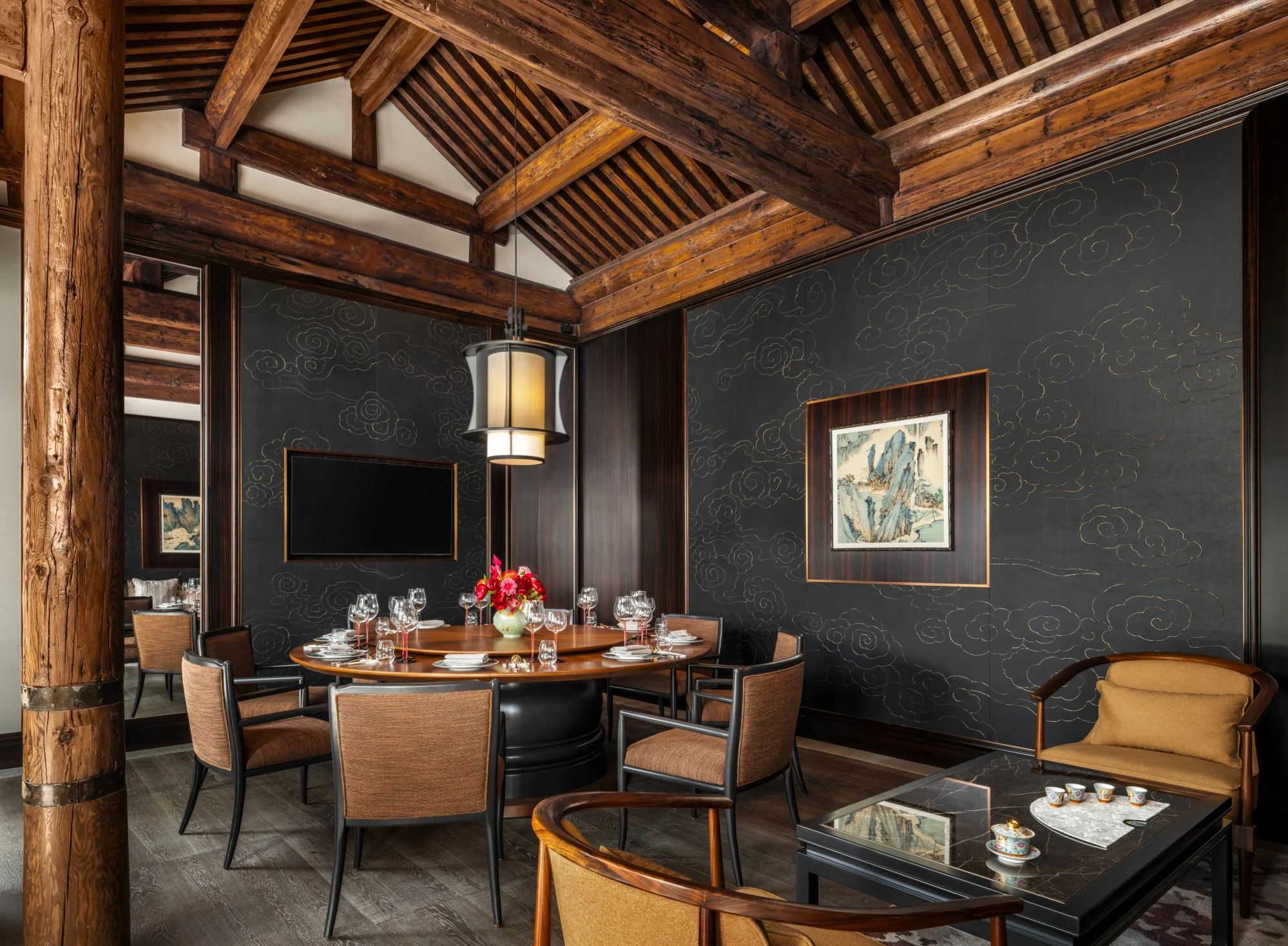
在一座修复后的四合院里,坐落于北京草厂地区600年历史的胡同深处,食客们将瓷勺伸入冒着热气的碗中,品尝双炖黑乌鸡、干贝和竹笙汤。由名厨黄景辉(人称“费大厨”)掌勺的雁园,还供应着以陈皮提味的甜红豆沙、多汁叉烧,以及皮薄如纸、光泽紧致的炸乳鸽。
In a restored courtyard residence, nestled amid 600-year-old hutong alleyways in Beijing’s Caochang neighbourhood, diners dip porcelain spoons into steaming bowls of double-boiled black Silkie chicken, conpoy and bamboo-pith soup. Overseen by celebrity culinarian Huang Jinghui, better known as chef Fei, Yan Garden also serves sweet red-bean soup lifted by aged tangerine peel, succulent char siu and deep-fried pigeon, its paper-thin skin glossy and taut.
雁园坐落于北京王府半岛酒店内,四周是柔和弯曲的灰色屋顶和错综复杂的墙垣。虽然它距离其专攻菜系的发源地相隔数千公里,但菜肴的香气、滋味与口感,依然唤起了中国南方的郁郁葱葱与湿润气息。
Set amid the sea of softly curved, ash-grey rooftops and maze of walls of the Mandarin Oriental Qianmen, Beijing, Yan Garden may be thousands of kilometres from the homeland of the cuisines in which it specialises, but the scents, flavours and textures of its dishes evoke the lushness and humidity of southern China. Few people would be surprised to find classic Cantonese fare in the centuries-old streets of northern China – the cuisine is, surely, almost everywhere.
在北方古老的街巷里寻到正宗广式佳肴,鲜少有人会感到惊讶——这门菜系几乎无处不在。翻阅米其林指南与黑珍珠餐厅指南,不难发现旧时沿海省份广东(即今天的广东)的烹饪文化占据了统治地位。在北京,32家米其林星级餐厅中有7家主攻粤菜;在上海,50家中有15家。
Look through the Michelin and Black Pearl Restaurant guides and it is striking how the gastronomy of the old coastal province of Canton – today’s Guangdong – dominates. In Beijing, seven of 32 Michelin-star restaurants focus on Cantonese cuisine. In Shanghai, 15 of 50.
据厨师与中餐专家称,其显赫地位缘于过往与当下的多重原因——而对于其未来地位,观点则存在分歧。粤菜作为最广为人知的中国地方菜系,其传承可追溯至数个世纪以来,移民潮将南方饮食文化带往东南亚与西方。
According to chefs and Chinese-food experts, there are past and present reasons for its prominence – and opinion is divided on its future status. Cantonese cuisine’s legacy of being the most well-known Chinese regional food can be traced back to the waves of emigrants who took their food culture from southern China to Southeast Asia and the West, a centuries-long migration.
“香港没有经历文化大革命以及20世纪下半叶中国大陆的其他动荡事件,因此其粤菜得以蓬勃发展,未受这些历史动荡的阻碍,”英国作家、作家兼厨师、中国菜权威傅士佳(Fuchsia Dunlop)表示。“许多人认为,在那个时期,最好的粤菜在香港。如今,香港仍是粤菜烹饪卓越的中心,但大陆已追赶上来,许多香港人现在会去深圳用餐,那里有品质极高且比本地更实惠的美食。”
“Hong Kong didn’t experience the Cultural Revolution and the other turbulent events of mainland China in the second half of the 20th century, so their Cantonese cuisine flourished, unhindered by all this historical mayhem,” says British writer, author and cook Fuchsia Dunlop, an authority on Chinese food. “A lot of people think that, during this period, the best Cantonese food was to be found in Hong Kong. These days, Hong Kong is still a centre for Cantonese gastronomic excellence, but the mainland has caught up, with many Hongkongers now popping over to Shenzhen to eat food of a very high quality that is less expensive than at home.”
凭借特区优势,广东是中国最先富裕的地区,这塑造了人们对该菜系的认知。“20世纪90年代,即便在四川,如果你想吃一顿奢华的大餐,也会去供应活海鲜的粤菜馆——这象征着花大钱、给足面子,”傅士佳说。一种关于辛辣食物的“势利眼”观念,即刻板印象认为大量添加香料“是因为食材不够好,只是想让米饭下咽”,也让粤菜显得尊贵。
With its special economic zones, Canton was the first region in China to become wealthy, colouring people’s perception of the cuisine. “In the 1990s, if you wanted to go for an extravagant meal, even in Sichuan, you would go to a Cantonese restaurant with live seafood – it signified spending a lot of money and giving face,” says Dunlop. A “snobbery” about fiery food, the stereotype being that lots of spice is added “when you don’t have great ingredients and you’re just trying to [send the rice down]”, also made Cantonese gastronomy prestigious.
川菜等辛辣菜肴,以及湖南、贵州的民间烹饪虽广受欢迎,但传统上地位崇高的菜系讲究清淡精致。“粤菜和江南菜等菜系强调食材极其新鲜、应季,且不使用过多调味;烹饪的核心在于展现优质食材本身的风味,”她表示。
Spicy food, such as that from Sichuan, and the folk cooking of Hunan and Guizhou provinces, may be popular, but traditionally high-ranking cuisines are delicate. “Cuisines such as Cantonese and Jiangnan have an emphasis on incredibly fresh, seasonal ingredients and not using too many seasonings; the whole point of the cooking is to show off your great ingredients,” she says.
上海“京熙汇”餐厅的厨师兼餐饮企业家杜建清对此表示赞同,并补充道,粤菜向来具备广泛吸引力的潜质——其长宁旗舰店拥有两颗米其林星,外滩分店则获得三钻“黑珍珠”荣誉。
Chef and restaurateur Du Jianqing, of the Amazing Chinese Cuisine (Jing Xi Hui) restaurants in Shanghai – the Changning original of which has two Michelin stars, while the branch on the Bund has three Black Pearl diamonds – agrees, adding that Cantonese cuisine has always carried the potential for broad appeal.
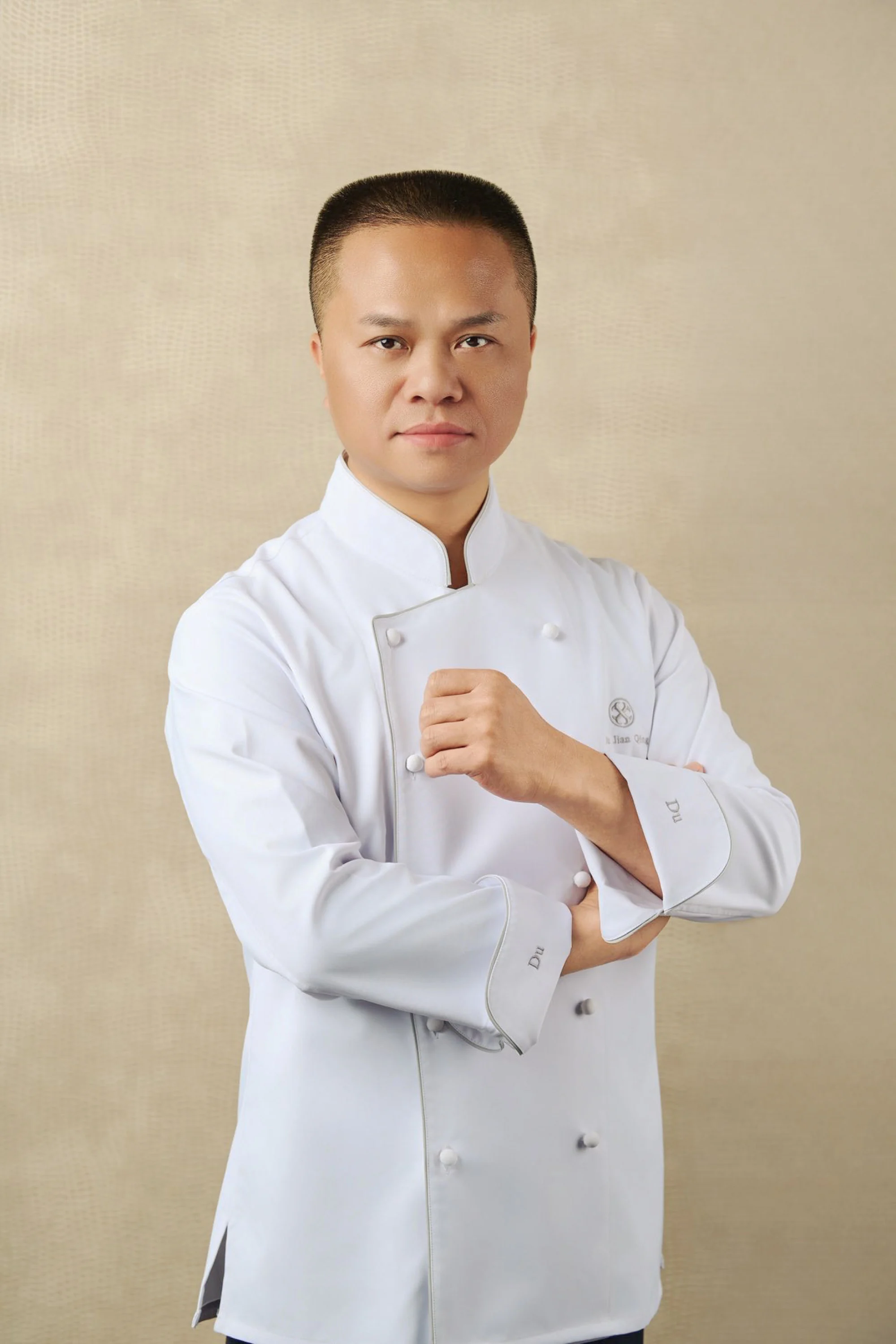
“无论是老年人、儿童,还是不同背景的人群,这种清淡、新鲜且注重食材本味的用餐风格都广受欢迎,”他说。
“Whether among the elderly, children, or people from diverse backgrounds, this light, fresh and ingredient-focused style of dining is universally well accepted,” he says.
2024年,他开设了Selection by Du,由行政总厨陈绍雄掌勺,定位为“现代中式家宴”以及“与国际市场的对话”。餐厅提供多道式套餐,搭配酒水与茶,并有杜岳峰所谓的“中西合璧餐后体验”,包括小甜点和伴手礼。尽管依然属于高级料理范畴,但餐厅氛围相对轻松。
In 2024, he opened Selection by Du, with executive chef Chen Shaoxiong at the helm, as a “modern Chinese family banquet” and a “dialogue with the international market”. It involves a multi-course set menu accompanied by wine and tea, and what Du calls “East-meets-West post-meal experiences”, including petit fours and a souvenir. While still very much haute cuisine, the restaurant itself has a relatively relaxed atmosphere.
杜岳峰来自广东潮汕地区的普宁,擅长家乡菜,以卤鹅、牛肉火锅和生腌海鲜闻名。有人认为潮州菜独立于粤菜之外,也有人视其为粤菜的一个分支。无论如何,杜岳峰将粤菜的成功归因于其基本准则的可复制性。
Du hails from Puning, in Guangdong’s Chaoshan region, and specialises in the cuisine of his home, known for its braised goose, beef hotpot and raw-marinated seafood. Some argue that Chiuchow is separate from Cantonese fare, while others see it as a subcategory of the cuisine. Either way, Du attributes Cantonese cuisine’s success to the replicability of its fundamental precepts.
“它尊重食材、追求本味,并对火候、汤底、刀工等基础技艺有着极高标准,展现出卓越的稳定性,”他说。但尽管精湛的烹饪工艺是粤菜的脊梁,它也极具多变性。
“Its respect for ingredients, pursuit of original flavours and high standards for basic techniques – such as heat control, broths and knife skills – show exceptional stability,” he says. But while sophisticated cooking processes are the cuisine’s backbone, it is also versatile.
“粤菜传统深厚却极具适应性,让厨师能在保持其身份的同时进行创新。我认为,这种烹饪深度、适应性与国际认可度的结合,促成了它在当今高级餐饮版图中的强势地位,”同样出生于潮汕的费伟和表示。除燕园外,他还联同文华东方酒店集团,管理深圳和广州的两家两星米其林餐厅、新加坡一家新获星餐厅以及曼谷一家分店。
“Cantonese cuisine has a strong tradition but remains highly adaptable, allowing chefs to innovate while retaining its identity. I believe this combination of culinary depth, adaptability and international recognition has contributed to its strong presence in today’s fine-dining landscape,” says Chaoshan-born Fei, who also oversees, along with Yan Garden, two-Michelin-star restaurants in Shenzhen and Guangzhou, a newly starred spot in Singapore and a Bangkok outpost, all in partnership with Mandarin Oriental. Singaporean group Imperial Treasure runs more than 20 – mainly Cantonese – restaurants around the world, including Michelin-star spots in Shanghai and Guangzhou.
新加坡饮食集团御宝在全球经营超过20家餐厅,以粤菜为主,其中包括位于上海和广州的米其林星级餐厅。首席执行官梁德顺表示,虽然粤菜烹饪的基本原则保持不变——即“注重食材新鲜、口味平衡、口感丰富、火候精准和技艺娴熟”——但厨师们会根据市场情况调整食材、调味和分量。
CEO Kenny Leung Tak-shun says that, while the fundamentals of Cantonese cooking remain the same – an “emphasis on fresh ingredients, balance, texture, timing and technique” – his chefs adjust the ingredients, seasoning and portion sizes according to the market. “Availability, seasonality and quality of certain ingredients can vary significantly between Shanghai and the Greater Bay Area,” he says.
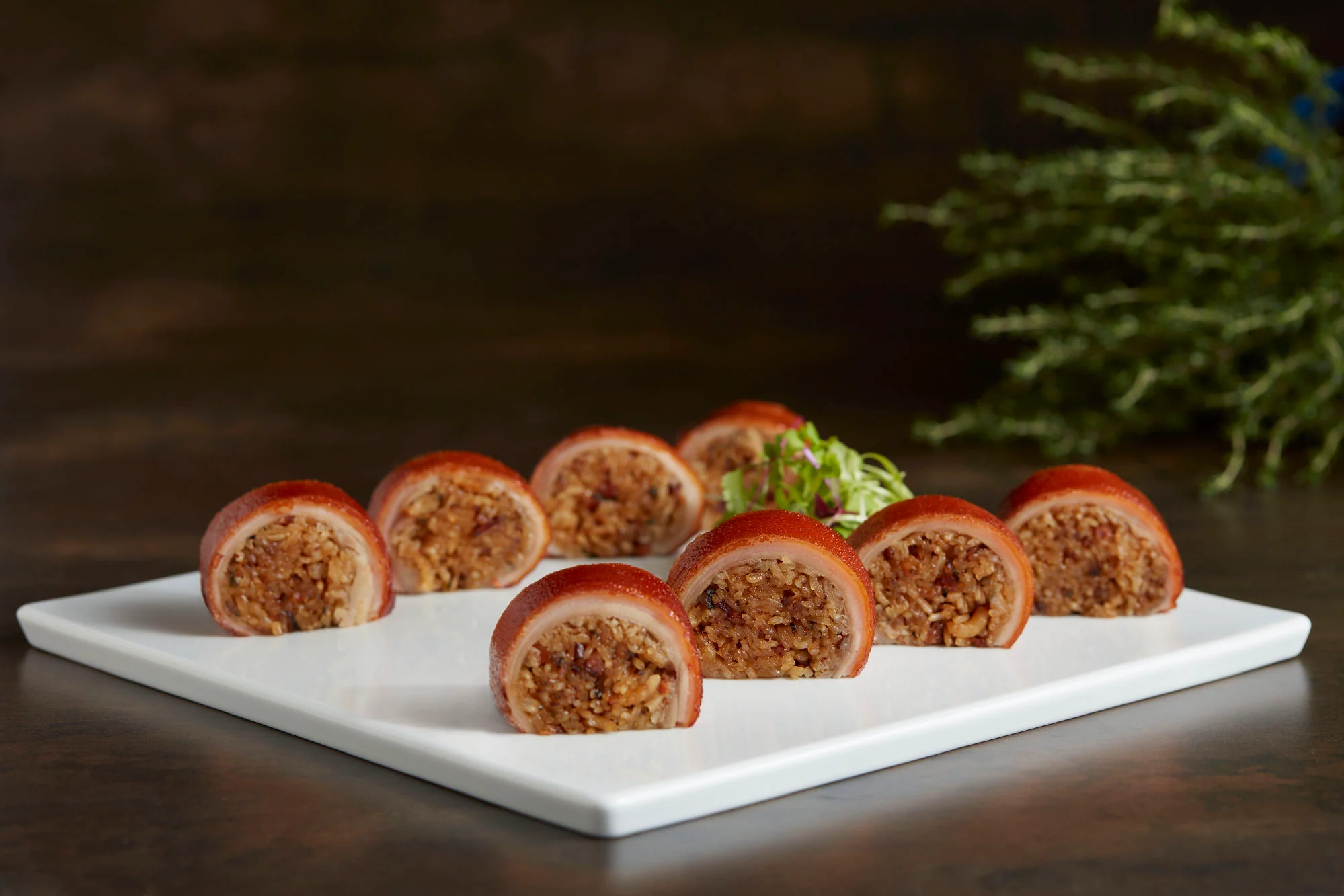
他说:“某些食材的可得性、季节性和品质在上海与大湾区之间可能存在显著差异。广州和珠三角地区拥有更广泛、更即时的华南蔬菜和农产品供应。这自然会影响我们的菜单内容。
“Guangzhou and the Pearl River Delta have a wider, more immediate supply of southern Chinese vegetables and produce. Naturally, this has an impact on what we put on the menu.
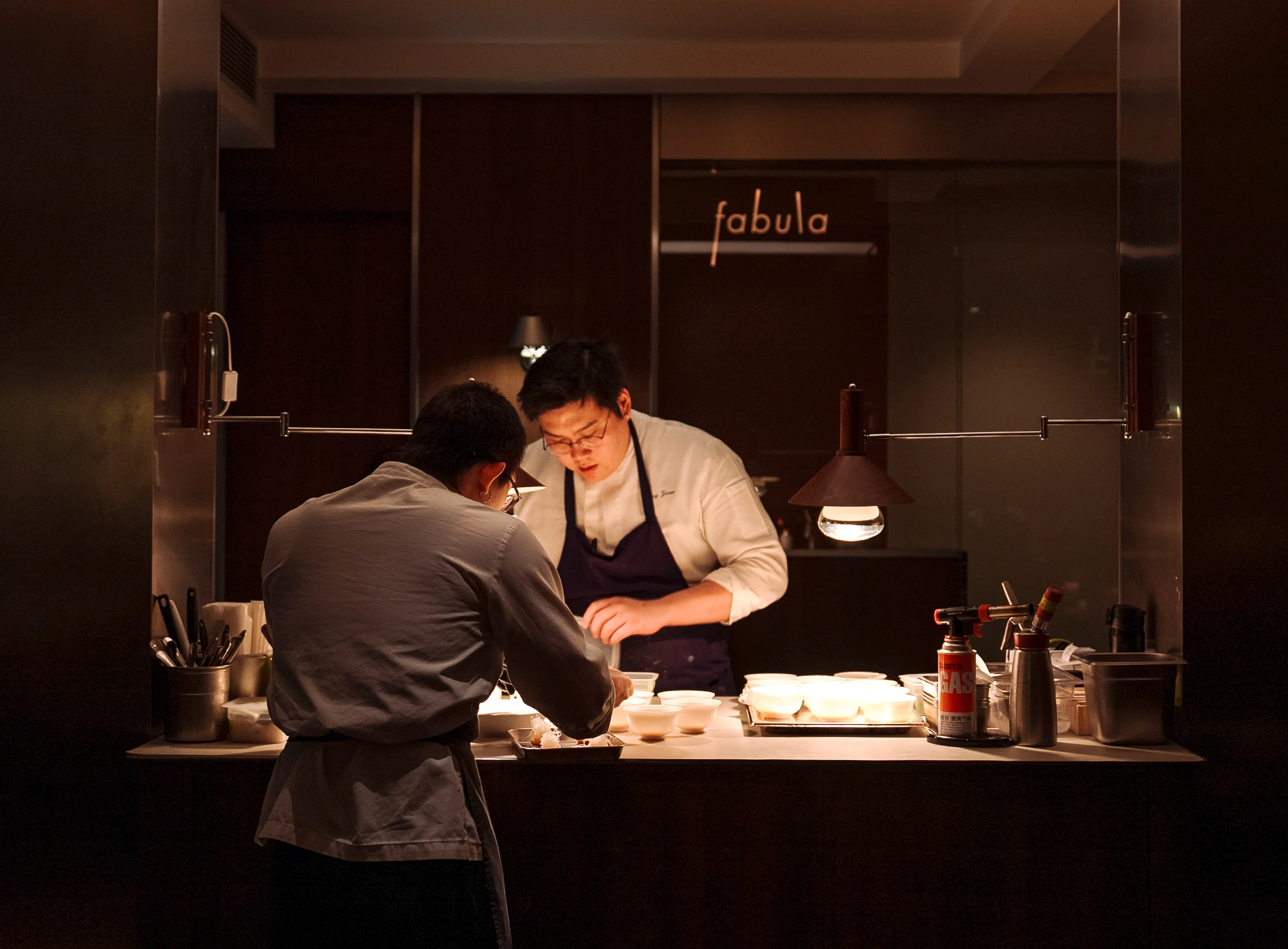
“这是正宗粤菜烹饪的重要组成部分。正宗并不意味着在每个城市都使用相同的食材。而是指运用相同的理念,选用最好的食材,让食材本身的味道自然呈现。”粤菜的适应性在上海最抢手的餐厅之一背后的三位主厨手中被推向了大胆的新高度。Fabula餐厅仅设六个座位,位于一家酒吧的阁楼上,由郑云泽、邓永骏和陈查尔斯于2025年8月开业。郑云泽和邓永骏曾任职于上海的泰安门,陈查尔斯则是香港Amber餐厅的校友。
“This is an important part of authentic Cantonese cooking. Authenticity doesn’t mean using the same ingredients in every city. It means applying the same philosophy, sourcing the best ingredients and allowing them to speak for themselves.”Cantonese cuisine’s adaptability is taken to bold heights by the trio of chefs behind one of the most in-demand restaurants in Shanghai. Fabula – just six seats in an attic above a wine bar – was opened in August 2025 by Zee Zheng Yunze and Ricky Deng Yongjun, both formerly of Taian Table in Shanghai, and Charles Tan, an alumnus of Hong Kong’s Amber. Although primarily Western, the restaurant’s dishes incorporate the culinary heritage of all three chefs: Zheng is from Ningbo, in Zhejiang province; Deng from Shanghai; and Tan from Foshan, in Guangdong province.
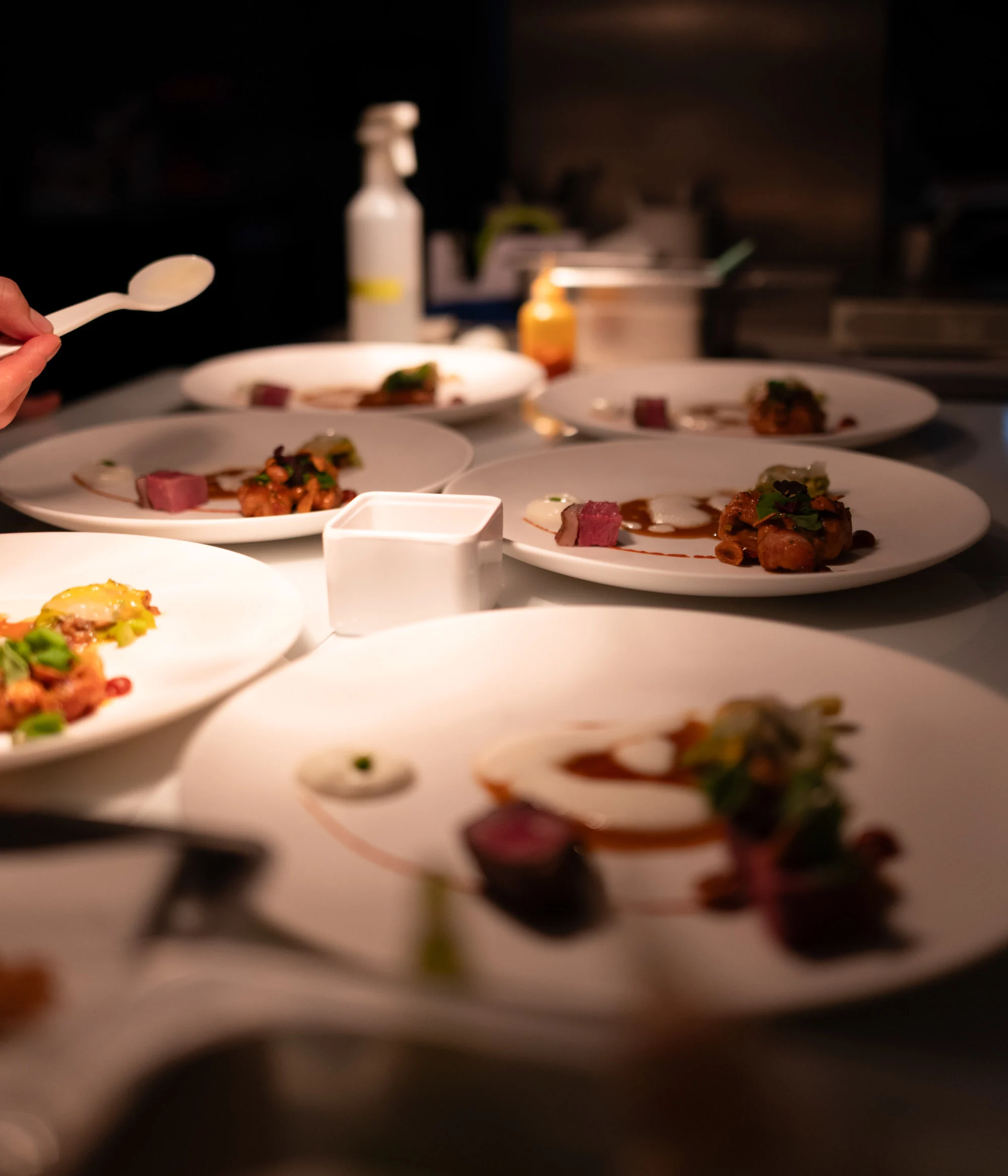
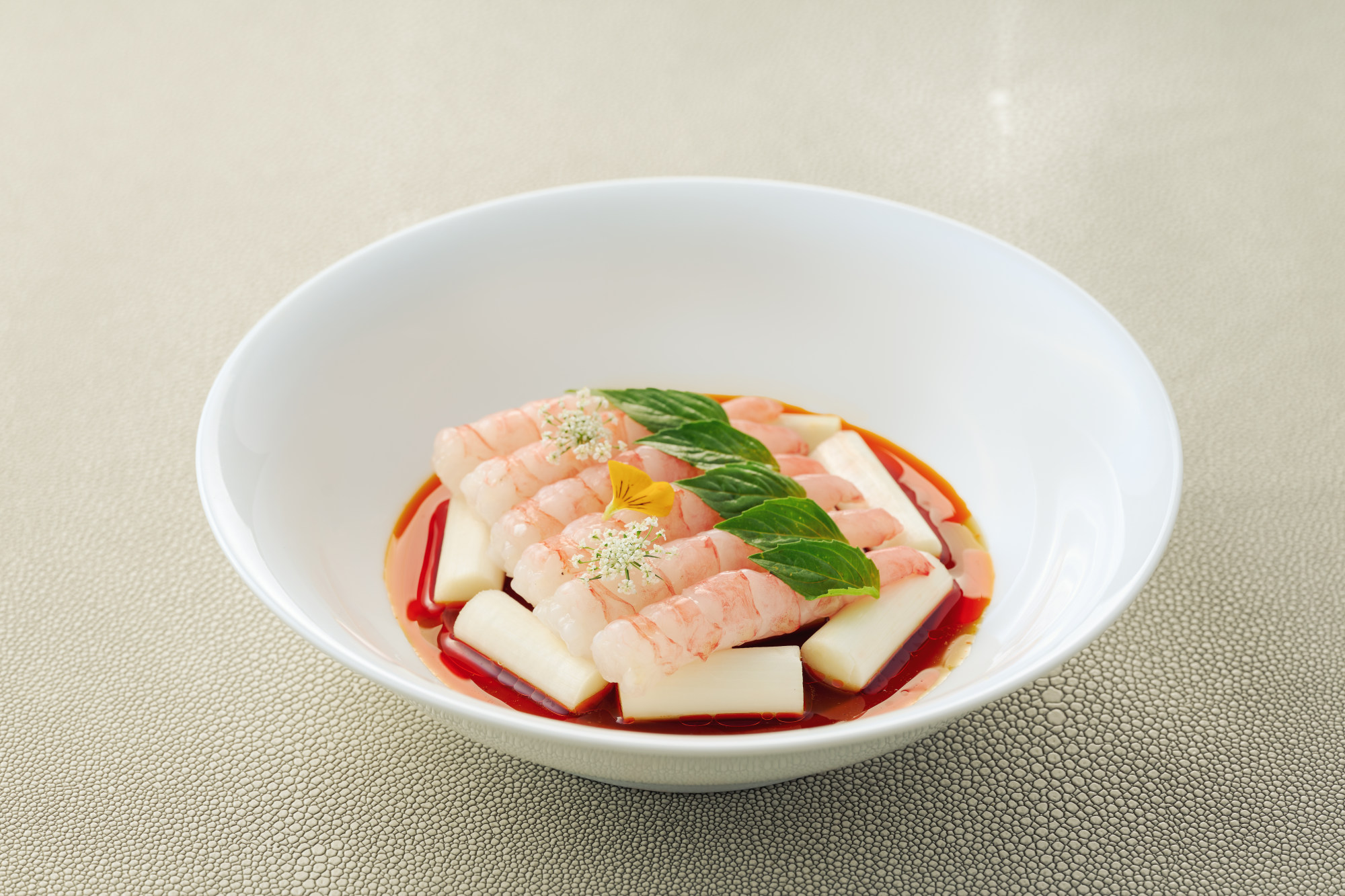
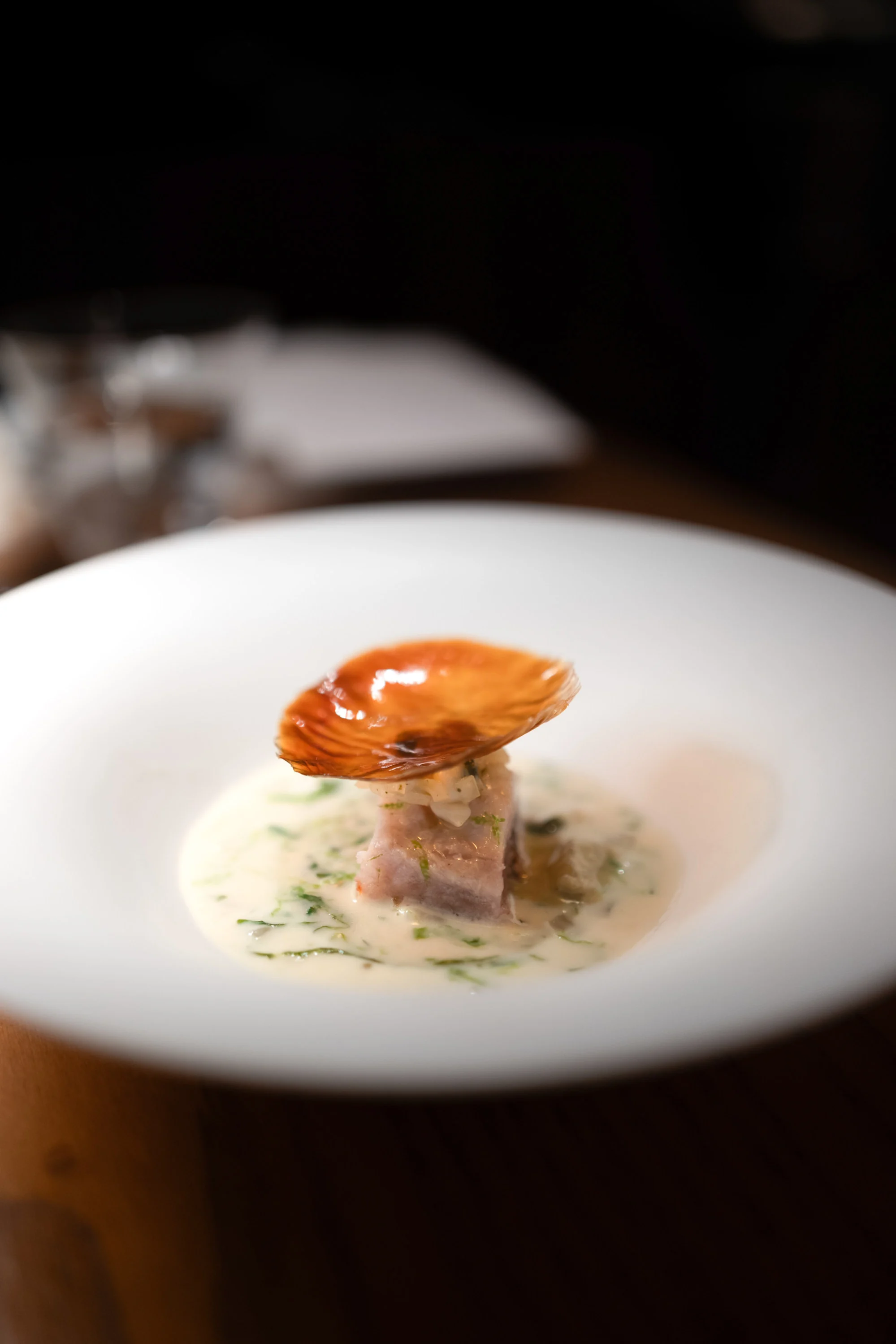
虽然这家餐厅以西餐为主,但菜品融合了三位主厨的烹饪传承:郑来自浙江宁波;邓来自上海;谭来自广东佛山。广式风干腊肠启发了三人创作鸽血肠,加入宁波风味年糕增添口感,并带有玫瑰香和酱油的微妙滋味。在另一道菜中,他们借鉴了广东顺德著名的“无米粥”传统,制作了一款汤品,将松茸切成细丁,酷似米粒。借用广式淋热油炸鱼的技法,他们再在客人面前将汤汁淋在生食牡丹虾上。
Cantonese air-dried lap cheong inspired the trio’s pigeon-blood sausage, bulked up with Ningbo-inspired rice cake, with hints of rose-fragranced and soy sauce. Elsewhere, they draw on the legacy of rice-less congee, famous in Guangdong’s Shunde district, by making a soup infused with matsutake mushrooms diced finely to resemble rice grains. Referencing the Cantonese technique of flash-frying fish with hot oil, they then pour the soup over raw botan ebi in front of guests. Cantonese ingredients are used instead of Western ones in some dishes.
部分菜品用广式食材取代西式食材。郑说:“比如不用芦笋,我们用广州种植的菜心,称为‘晚熟菜心’,高度可达一米多。这不是常见品种,且只有短暂的上市季节。”邓指出,广式厨房的架构,分工明确——有点心档、烧味档、炒锅档——也使其易于移植到不同环境。“这更像法国体系,有分档制,所以广式厨师和餐饮从业者更容易去不同城市,复制家乡的做法,”他说。
“Instead of asparagus, for example, we use choi sum that’s grown in Guangzhou, known as ‘late-harvest choi sum’, that reaches over a metre tall,” says Zheng. “It’s not a very regular variant, and only available for a short season.”Deng points out that the structure of the Cantonese kitchen, with its clearly defined stations – for making dim sum, roasting meats and wok-cooking – also makes it easily translatable into different contexts. “It’s more like the French system, where they have stations, so it’s easier for Cantonese chefs and restaurateurs to move to different cities and copy what they do back home,” he says.
对这些年轻厨师而言,粤菜走过的路程不仅用物理距离衡量。就谭而言,他在离童年居住地一千多公里外的上海烹饪,上海对新事物敞开怀抱,而广东人往往“对传统更为刻板”。
For these young chefs, the lengths that Cantonese cuisine has travelled are not just measured in physical distance. In Tan’s case, cooking more than 1,000km from where he spent his childhood, Shanghai has an openness to the new while the Cantonese tend to be “more rigid about tradition”.
香港长期以来都有前卫美食家拓展粤菜乃至中餐的边界,但上海厨师眼中的这座南方城市,却是传统受到尊崇的地方。
Hong Kong has long had progressive gastronomes expanding the boundaries of Cantonese fare, and Chinese cuisine more generally, but Shanghai chefs see the southern city as the place where tradition is honoured.
“上海汇聚全国乃至世界各地的 talent、食材和文化,为厨师提供了实验的空间,”杜说。“香港擅长保留传统,上海擅长推动变革;这两座城市构成了当今高端粤菜和潮菜最重要的两个面向。”
“Shanghai gathers talent, ingredients and cultures from across the country and the world, offering chefs space to experiment,” says Du. “Hong Kong excels at preserving traditions, Shanghai excels at driving evolution; these two cities form the most significant facets of high-end Cantonese and Chiuchow cuisine today.”
然而,粤菜在国内正面临越来越大的压力。越来越多的新店开始转向经营江南菜或川菜等地方菜系,例如,米其林、黑珍珠和《五十佳》榜单都成为他们的目标。尽管面临挑战和竞争,粤菜厨师依然保持积极态度。
Cantonese restaurants face increasing pressure across China, however. A growing number of new openings are serving regional cuisines such as Jiangnan or Sichuan, for example, with Michelin, Black Pearl and the 50 Best rankings firmly in their sights. Despite the challenges and competition, Cantonese chefs remain positive.
“随着生活水平提高,食客越来越关注食材、风味以及整体用餐体验。同时,粤菜和潮菜也在持续演变,不断寻找新的方式来表达自己的传统,”费说。”我认为这种传统与创新的平衡赋予了他们持续增长的强大潜力。”
“As living standards improve, diners are paying more attention to the quality of ingredients, flavours and the overall dining experience. At the same time, both Cantonese and Chiuchow cuisine continue to evolve, finding new ways to express their traditions,” says Fei. “I believe this balance between tradition and innovation gives them strong potential for continued growth.”