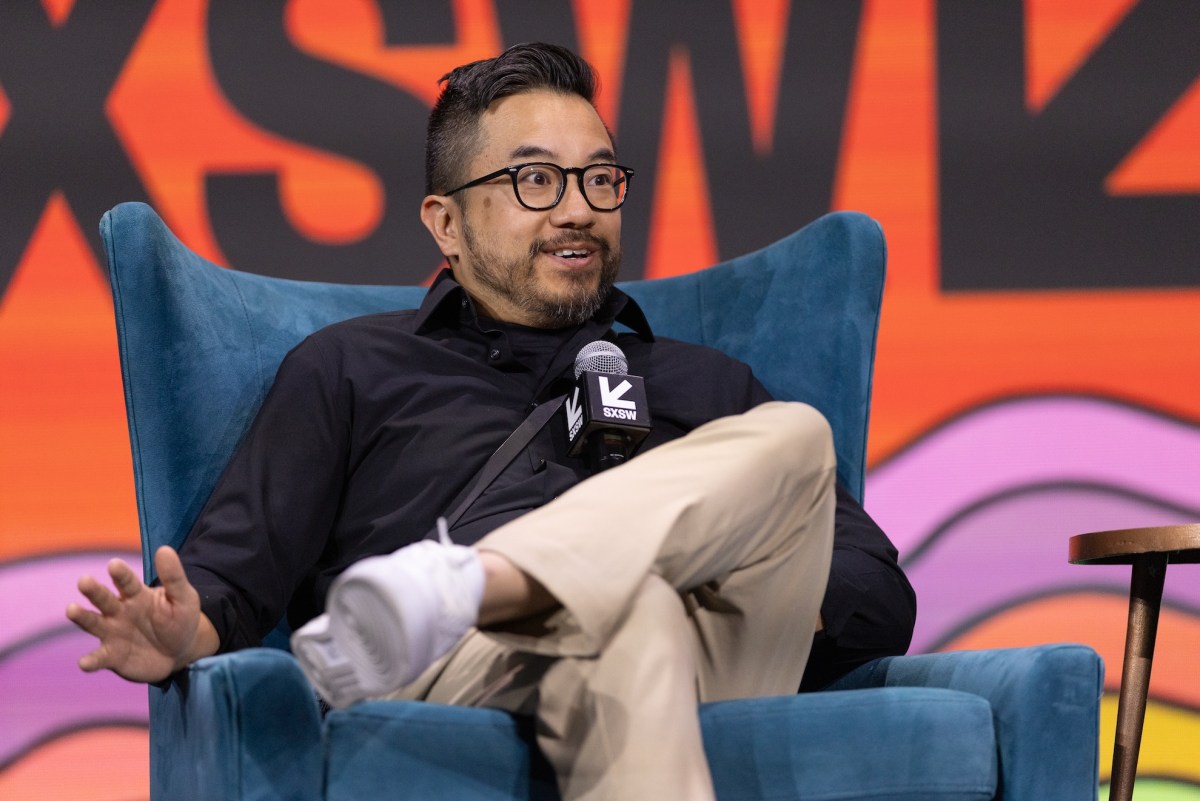
Y Combinator首席执行官Garry Tan过去曾半开玩笑地承认,自己患上了“赛博精神病”,有时因为太兴奋要和自己的AI智能体一起工作,以至于几乎睡不着觉。在Walter Isaacson的播客节目《The Builders》最新一期中(定于周二发布),Tan为他的这种热情标上了价格。
Y Combinator CEO Garry Tan has, in the past, jokingly admitted that he’s suffered from “cyber psychosis” and sometimes barely sleeps because he’s so excited to be working with his AI agents. On a new episode of Walter Isaacson’s podcast The Builders, set to publish on Tuesday, Tan put a price tag on his passion.
“我每年在token上的花费大概在10万到20万美元之间,”他告诉Isaacson。他利用智能体处理无数工作项目和编码任务,并已在Github上免费分享了他的一套包含23项Claude Code技能的工具集,名为gstack——他说这是为了帮助教导他人智能体能做什么。
“I spend about maybe $100[,000]-$200,000 a year on tokens,” he told Isaacson. He uses agents for countless work projects and coding tasks and has freely shared his set of 23 Claude Code skills, called gstack, on Github — an effort to help teach others what agents can do, he said.
一方面,他像许多人使用AI那样使用智能体:帮他研究Isaacson的播客,并为可能被问到的问题类型做准备。另一方面,他的智能体还帮他管理生活。
On the one hand, he uses his agent the way many people use AI: to help him research Isaacson’s podcast and prep for the kinds of questions he might be asked. On the other, his agent also helps him run his life.
“它读了我所有的邮件和所有的Dropbox文件。它读了,比如,我所有的Apple备忘录,甚至包括我20年前的治疗笔记,”他说。
“It’s read all of my email and all of my Dropbox. It’s read, like, all of my Apple Notes, even my therapy notes going back 20 years,” he said.
他形容使用AI智能体就像获得帮助,“几乎涵盖你日常生活中做的任何事,并能以某种更自主的方式完成。把它想象成时刻停在你肩头的Jiminy Cricket(匹诺曹的良心化身——蟋蟀吉米)。几乎无论你想做什么,它都了解你,并在那里提供帮助。它实际上会跑在前面说,‘这个怎么样?’或者,它会帮你看清拐角后的情况。”
He describes using AI agents as getting help with “almost anything that you do in your day-to-day life, and for it to do it somewhat more autonomously. Think of it as a Jiminy Cricket on your shoulder at all times. Like, almost anything you want to do, it knows you, and it’s there to help. And it will actually sort of run ahead and say, ‘What about this?’ Or, it’ll help you see around corners.”
作为早期OpenClaw采用者、现为资深用户的Tan表示,他学到的一点是:不要把AI智能体当成传统软件对待。“有些人太担心‘可重复性和安全性’,以至于实际上放弃了与AI智能体合作所有美好的部分,而那基本上可以非常类似于与人类共事,”他说。
As an early OpenClaw adopter who is now a power user, Tan says one thing he’s learned is not to treat AI agents like traditional software. Some people are so worried about “repeatability and safety that they actually trade off all of the beautiful parts of working with an AI agent, which basically can be so similar to a human,” he said.
例如,Y Combinator 也在使用一个“正在重塑我们在 YC 的运作方式”的智能体,他说。“我们现在有一个内部 AI 智能体,名为 Stray Light,它有点像有个性,还拥有一个‘公司大脑’。它实际上掌握了我们资助过的每一位创始人的完整背景、给我们发过邮件的每一个人、所有的申请材料。”身为硅谷著名创业加速器掌舵人,Tan 自然是一位狂热的技术爱好者,他认为个人 AI 智能体最终将走向主流,前提是解决一个主要问题:成本必须降下来。
For instance, Y Combinator is also using an agent that is “rebuilding the way we operate at YC,” he said. “We now have an internal AI agent, for instance, named Stray Light that kind of has a personality, and then it has a company brain. Like it actually has the total context of every founder we’ve ever backed, anyone who’s ever emailed us, like all the applications.”Tan who is, naturally, an avid lover of technology (as anyone running Silicon Valley’s famed startup accelerator would be), believes personal AI agents will eventually become mainstream, if one major problem is solved: Costs have got to come down.
“现在太贵了,”他说,并补充道,他清楚自己在 AI 智能体上花费的金额“是一种疯狂的特权,不是人人都能做到的。”
“It’s too expensive right now,” he said, adding that he knows the amount of money he spends on AI agents is “a crazy privilege that not everyone can do.”
但由大科技公司控制的免费智能体或许也不是答案。在谈论他希望科技构建的未来,以及 Meta 作为社交媒体公司对我们的影响时,他说:“这是一家控制算法的巨型公司,我们在某层面上都希望它们不要这样做,”他说。“所以你可以想象一个由你控制、由你编程的个人 AI。”
But freebie agents controlled by big tech maybe aren’t the answer, either. When discussing the future he’d like tech to build, and how Meta as a social media company has impacted us, he said, “This is a huge company that controls the algorithm, and we all wish that they didn’t at some level,” he said. “So you could imagine a personal AI that you control, that you program.”