印度电信监管机构加大了在电信领域加强消费者保护和问责制的力度,针对客户投诉处理发布了更严格的规则,并提出了一套规范电信网络和服务中人工智能(AI)使用的框架。
India's telecom regulator has stepped up its efforts to strengthen consumer protection and accountability in the sector, issuing stricter rules for handling customer complaints and proposing a framework to regulate the use of artificial intelligence (AI) in telecom networks and services.
这些进展相隔几天宣布,正值电信公司越来越多地采用自动化系统和AI代理进行客户支持、网络管理和服务交付之际。
The developments, announced within days of each other, come as telecom companies increasingly turn to automated systems and AI agents for customer support, network management and service delivery.
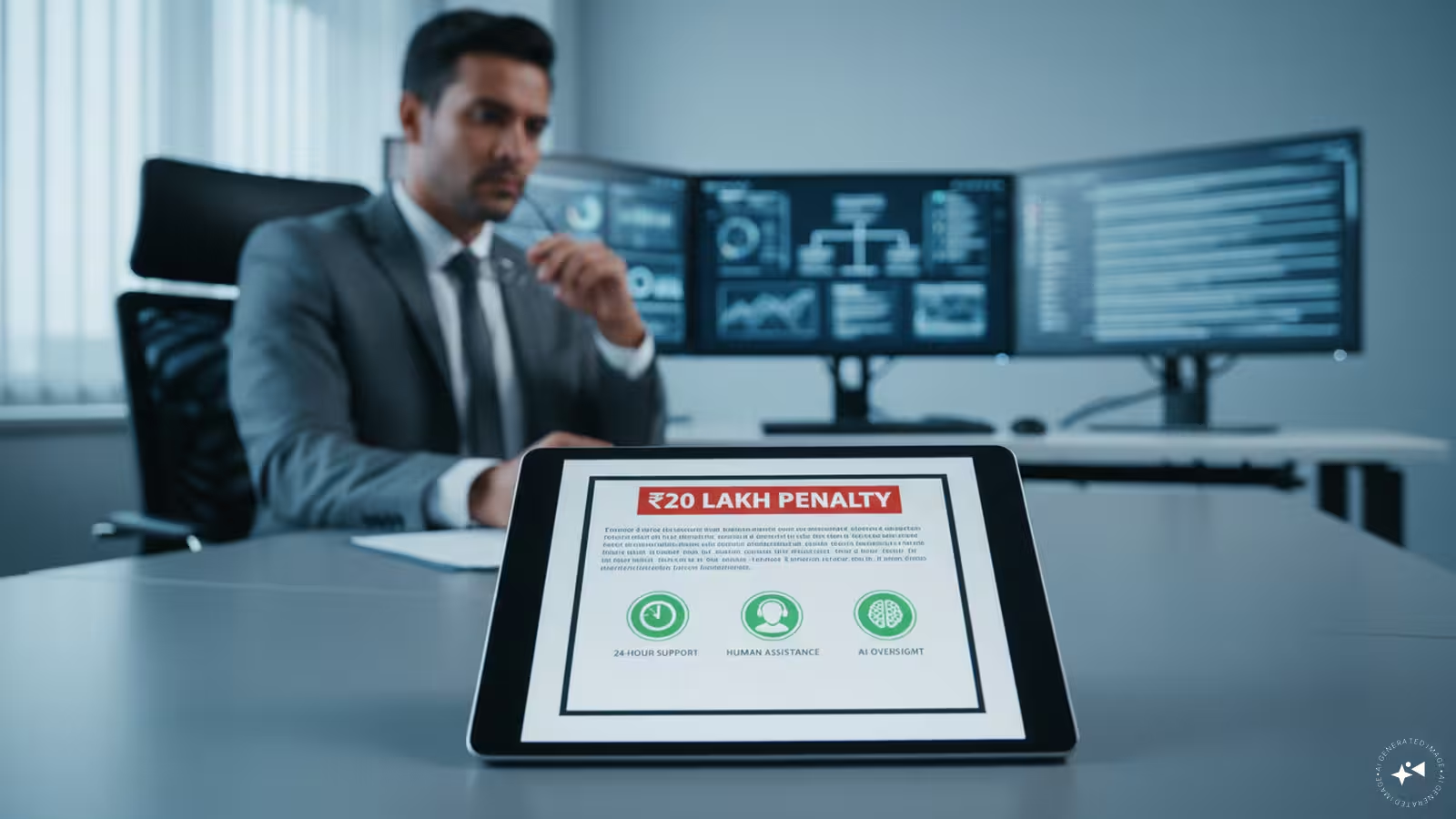
11月2日,印度电信监管局(TRAI)发布了《2026年电信消费者投诉救济(第四修正案)条例》,对不当处理消费者投诉和上诉的电信运营商,每季度每个许可服务区最高处以20万卢比的经济不利措施。
On November 2, the Telecom Regulatory Authority of India (TRAI) notified the Telecom Consumers Complaint Redressal (Fourth Amendment) Regulations, 2026, introducing financial disincentives of up to ₹20 lakh per quarter per licensed service area for telecom operators that improperly dispose of consumer complaints and appeals.
另据,该监管机构于10月30日发布了关于电信网络和服务中负责任使用AI的草案指南,征求利益相关方意见,截止日期为11月27日。以下是新规则对电信公司和消费者的意义。电信公司将面临哪些新处罚?
Separately, on October 30, the regulator released draft guidelines on the responsible use of AI in telecommunication networks and services, seeking stakeholder comments until November 27. Here is what the new rules mean for telecom companies and consumers. What are the new penalties for telecom companies?
根据修订后的投诉救济条例,电信运营商每处理一起被认定为不当处置的投诉,将面临1000卢比的经济不利措施;每处理一起违反规定程序的上诉,将面临5000卢比的经济不利措施。
Under the amended complaint-redressal regulations, telecom operators will face a financial disincentive of ₹1,000 for every complaint found to have been improperly disposed of and ₹5,000 for every appeal handled in violation of the prescribed rules.
此类违规行为的总经济不利措施上限为每季度每个许可或授权服务区20万卢比。
The total financial disincentive for such violations is capped at ₹20 lakh per quarter for each licensed or authorised service area.
运营商若未按时提交季度绩效报告,还将面临单独的经济不利措施。延迟前15天,每天最高可处5000卢比;此后每天最高可处2万卢比,每起事件每个服务区上限为10万卢比。
Operators will also face separate financial disincentives for failing to submit quarterly performance reports on time. These can go up to ₹5,000 per day for the first 15 days of delay and ₹20,000 per day thereafter, subject to a cap of ₹10 lakh per instance per service area.
监管机构还可以通过审计、检查、审查绩效报告和消费者反馈,定期审查投诉救济系统。24小时客户支持,但人工协助为强制要求一项重大变化是要求电信运营商使其投诉中心全天候可用,取代此前每天16小时的安排。
The regulator can also periodically review grievance-redressal systems through audits, inspections, examination of performance reports and consumer feedback. 24-hour customer support, but human assistance mandatory One of the significant changes is the requirement for telecom operators to make their complaint centres available round the clock, replacing the earlier 16-hour arrangement.
运营商可使用人工客服、自动化系统、AI智能体或这些方式的组合来提供客户支持。
Operators can use human representatives, automated systems, AI agents or a combination of these to provide customer support.
然而,人工协助每天必须至少可用16小时。基于技术的解决方案也必须在适当的人工监督下运行。
However, human assistance must be available for at least 16 hours every day. Technology-based solutions must also function under appropriate human oversight.
这意味着电信公司可以越来越多地使用AI处理客户互动,但不能使其投诉处理系统完全依赖自动化协助。修订后的规则还要求在消费者与AI智能体互动时告知消费者。
This means telecom companies can increasingly use AI to handle customer interactions, but cannot make their complaint-redressal systems entirely dependent on automated assistance. The amended rules also require consumers to be informed when they are interacting with an AI agent.
此外,消费者将能够通过电信运营商的移动应用程序提交投诉、申诉和服务请求,这将与投诉中心和网站等现有渠道并行。新规则将如何改变投诉流程?
Consumers will additionally be able to complaints, appeals and service requests through their telecom operator's mobile application, alongside existing channels such as complaint centres and websites. How will the new rules change the complaint process?
印度电信监管局(TRAI)将消费者对投诉处理结果提出申诉的期限从30天缩短至15天。
TRAI has reduced the time available to consumers to appeal against the disposal of a complaint from 30 days to 15 days.
服务提供商的上诉机构必须在收到申诉后15天内传达其最终决定。此前用于解决申诉的咨询委员会机制也已取消。
The appellate authority of the service provider will have to communicate its final decision within 15 days of receiving an appeal. The earlier advisory committee mechanism for resolving appeals has also been discontinued.
取而代之的是,电信运营商将不得不设立消费者申诉处理监督委员会,定期审查其投诉处理系统。这些委员会将包括服务提供商代表和注册消费者组织代表。
Instead, telecom operators will have to establish Consumer Grievance Redressal Oversight Committees to periodically review their complaint-redressal systems. These committees will include representatives of service providers and registered consumer organisations.
运营商还将不得不在投诉和申诉结案后进行在线反馈调查,并每季度公布结果。
Operators will also have to conduct online feedback surveys after complaints and appeals are closed and publish the results quarterly.
涵盖投诉、申诉和消费者反馈的季度报告必须提交公司首席执行官或董事会审阅。
Quarterly reports covering complaints, appeals and consumer feedback must be placed before the company's CEO or board of directors.
修正案还规定,为残疾人设立专门的投诉处理设施,包括无障碍网站、应用程序和支持渠道。TRAI提出了哪些AI指导方针?
The amendments also provide for dedicated complaint-handling facilities for persons with disabilities, including accessible websites, applications and support channels. What are TRAI's proposed AI guidelines?
此外,TRAI发布了关于在电信网络和服务中负责任地使用AI的起草指导方针。拟议框架旨在确保部署AI系统的电信公司建立适当的治理、风险管理和问责机制。
Separately, TRAI has released draft guidelines on the responsible use of AI in telecommunication networks and services. The proposed framework seeks to ensure that telecom companies deploying AI systems have appropriate governance, risk-management and accountability mechanisms in place.
根据起草指导方针,电信公司和其他适用的授权实体须制定经其董事会或同等治理机构批准的内部AI政策。部分关键提案包括:风险分级:AI系统将根据其对电信网络、服务、运营结果及潜在消费者影响的重要程度,被分为高风险、中风险或低风险。
Under the draft, telecom companies and other applicable authorised entities would have to formulate an internal AI policy approved by their board of directors or equivalent governing body. Some of the key proposals include: Risk classification: AI systems would be classified as high-risk, medium-risk or low-risk, depending on their significance to telecom networks, services, operational outcomes and potential consumer impact.
人工监督:AI系统须在适当的人工监督下运行,由指定人员批准其使用。
Human oversight: AI systems would have to operate under appropriate human supervision, with designated officers approving their use.
事件报告:公司须建立AI事件中央数据库,开展调查,并向TRAI报告关键和高严重级别事件。
Incident reporting: Companies would have to maintain a central database of AI incidents, investigate them and report critical- and high-severity incidents to TRAI.
消费者保护:电信公司须建立机制,在合理时限内处理消费者报告的AI相关损害。
Consumer protection: Telecom companies would have to establish mechanisms to address AI-related harm reported by consumers within a reasonable timeframe.
问责制:电信公司对其使用的AI系统产生的结果负责,即使这些系统由第三方供应商开发或提供。
Accountability: Telecom companies would remain accountable for the outcomes of AI systems used by them, even if those systems were developed or supplied by third-party vendors.
起草指导方针还提议,在适用组织内设立AI治理与安全委员会,监督内部AI政策的执行。利益相关方可于11月27日前就拟议指导方针提交意见。TRAI为何收紧规则?
The draft also proposes the creation of an AI Governance and Safety Committee within applicable organisations to oversee the implementation of their internal AI policies. Stakeholders have until November 27 to submit their comments on the proposed guidelines. Why has TRAI tightened its rules?
这些变化的背景是消费者投诉日益增多,以及通过数字渠道获取电信服务的情况日益普遍。
The changes come against the backdrop of increasing consumer complaints and the growing use of digital channels to access telecom services.
根据其咨询过程中引用的印度电信监管局(TRAI)数据,该监管机构在2025-26财年收到73,081起直接消费者投诉,而2024-25财年为55,978起,2023-24财年为44,733起。
According to TRAI data cited in its consultation process, the regulator received 73,081 direct consumer complaints in 2025-26, compared with 55,978 in 2024-25 and 44,733 in 2023-24.