
2024年,由女性创办的初创企业仅获得了全球风险投资资金的2.3%,而全男性创始团队则获得了超过83%的资金。作为企业家,身为女性仍然影响着从风险投资、私募股权融资到银行贷款等各方面的资源获取——而这一资本鸿沟正在塑造谁有资格打造未来的创新型公司。
In 2024, start-ups founded by women received just 2.3 per cent of global venture-capital funding, compared to more than 83 per cent for all-male founding teams. Being female as an entrepreneur still shapes access to everything from venture capital and private equity funding to bank loans – and this capital gap is shaping who gets to build the innovative companies of the future.
“资本应追随潜力,而非性别,”妇女基金会首席运营官Maria Chau表示。“然而,女性企业家在融资旅程的各个环节仍面临障碍。研究表明,投资人网络的获取渠道、投资决策者的构成以及机会评估方式,都可能影响融资结果。”正如Chau所观察到的,性别偏见贯穿融资旅程的每一个阶段。它影响着谁能首先迈入大门、路演时会面对什么提问、风险与增长潜力如何被评估,以及女性能否在企业成长的全过程中获得与男性同等规模的融资。
“Capital should follow potential, not gender,” says Maria Chau, COO of The Women’s Foundation. “Yet women entrepreneurs continue to face barriers across the funding journey. Research suggests that access to investor networks, who makes investment decisions and how opportunities are assessed can all shape funding outcomes.”As Chau observes, gender bias is an issue at every stage of the funding journey. It affects who gets their foot in the door in the first place, what questions they get asked when they pitch, how risk and growth potential are assessed, and whether they can secure funding of comparable scale to that secured by men throughout the growth of the business.
女性仅占风险投资人的约15%。这意味着女性往往难以让自己的想法获得共鸣,Femtech Future创始人兼首席执行官Maaike Steinebach表示,该公司专门为聚焦女性的初创企业提供咨询。
Women only represent about 15 per cent of VCs. That means women often get a less receptive ear for their ideas, says Maaike Steinebach, founder and CEO of Femtech Future, which advises female-focused start-ups.
“我确实感受到性别偏见的存在。对许多风投和关键决策者来说,很难对女性企业家提出的事物产生共情。”JP摩根私人银行亚太区首席执行官Harshika Patel表示,当女性难以获得早期投资时,会面临累积性的劣势。风险投资和成长型股权融资往往依赖个人介绍和既有关系,这可能让缺乏这些网络渠道的女性处于劣势。
“I feel there is definitely gender bias. For a lot of VCs and key decision makers, it’s very hard to relate to the things that female entrepreneurs come up with.”Women entrepreneurs can face a compounding disadvantage when they struggle to secure early-stage investment, says Harshika Patel, Asia CEO of JP Morgan Private Bank. Venture capital and growth equity often depend on personal introductions and established relationships, potentially putting women without access to those networks at a disadvantage.
对女性创始人而言,拓宽人脉网络与资源渠道,与拓宽融资渠道同样重要——汇丰私人银行 Kanas Chan缺乏充足的早期资金,会让创始人难以建立起吸引后期私募股权投资所需的规模、治理结构和过往业绩记录。Patel 表示,这也可能导致创始人“财务历史较短、抵押物较少、文件资料不够完善,从而更难满足银行的承销要求”。
For women founders, widening access to networks and connections can be just as important as widening access to capitalKanas Chan, HSBC Private Bank Without sufficient early funding, founders can struggle to build the scale, governance and track record required to attract later-stage private equity investment. That can also leave founders “with a thinner financial history, less collateral and less robust documentation, making bank underwriting requirements harder to meet”, Patel says.
世界经济论坛(WEF)2025 年报告《变革资本迎接新时代:性别平等与可投资前沿的拓展》追踪了健康、教育、经济参与和政治赋权四个领域的性别差距。前两个领域的差距在过去十年里大幅缩小,但后两个领域的进展要温和得多。
The World Economic Forum (WEF)’s 2025 report “Transforming Capital for the Next Era: Gender Parity and the Expansion of the Investable Frontier” tracks the gender gap in health, education, economic participation and political empowerment. While the first two have closed dramatically over the past decade, there’s been far more modest progress with the latter two.
世界经济论坛经济包容负责人、性别差距报告主要作者之一 Silja Baller 评论道:“在做出投资决策的人群中,女性代表性不足。这种代表性不足也意味着在风险感知和机遇感知方面缺乏多样性。
Silja Baller, the WEF’s head of economic inclusion and one of the lead authors of the gender gap report, comments that: “Women are under-represented among the people making investment decisions. That underrepresentation also comes with less diversity in terms of both risk and opportunity perception.
“部分原因在于决策时‘谁在房间里’,部分原因在于‘你如何评判’。你是否把多元化的观点带到了桌面上?
“Part of the explanation is who’s in the room when the decisions are made, part is how you’re judging it. Are you bringing a diverse range of views to the table?
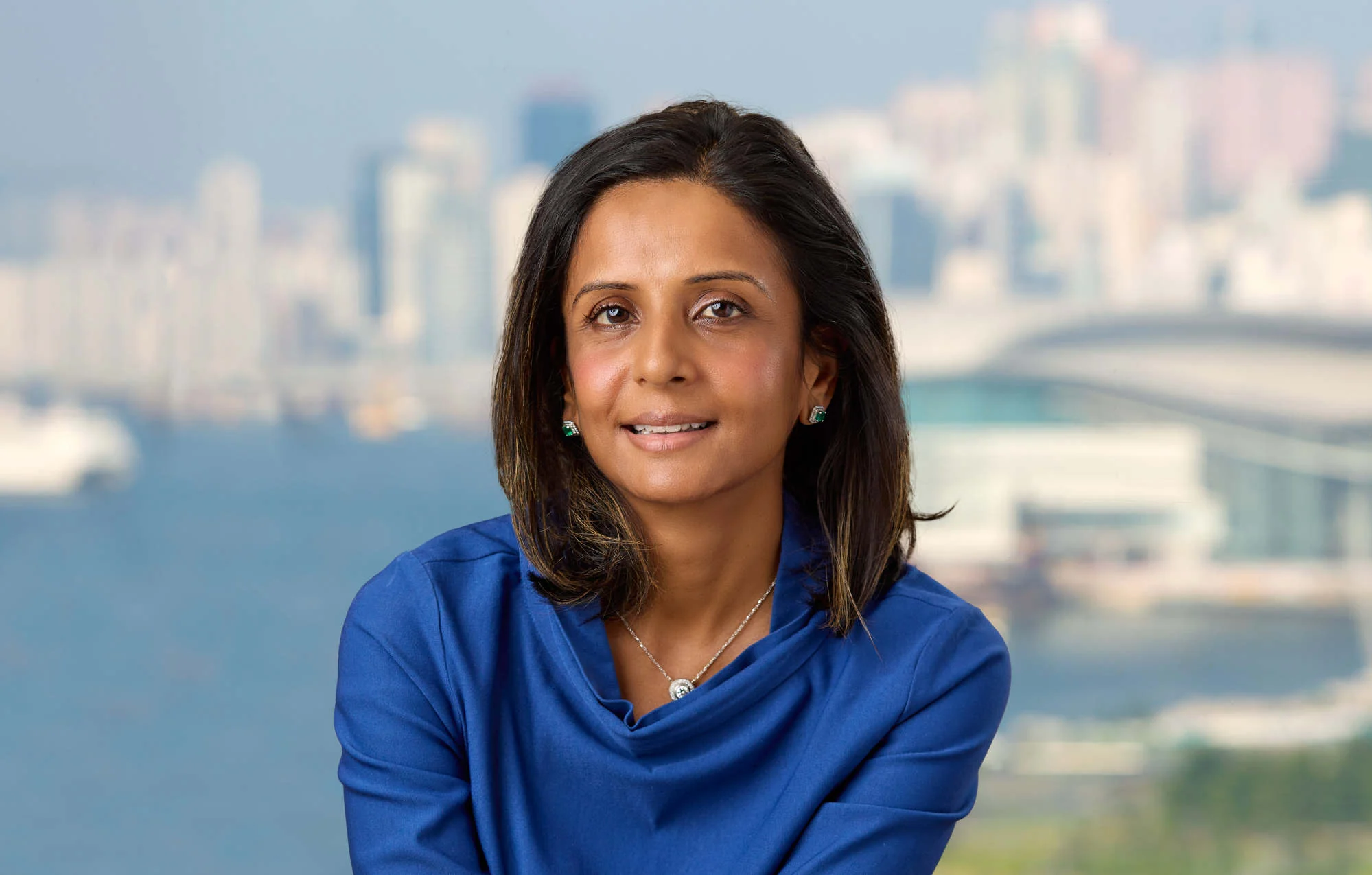
“研究表明,围坐在桌旁的观点越多元,决策质量就越高;你凭隐性假设行事的情况就会越少。”Steinebach 表示,女性企业家面临的审视比男性同行更严苛。男性更常被问及企业的潜力,而女性则面临关于家庭责任的提问,并被要求证明自己具备管理风险、领导团队以及向大型企业客户销售的能力。
“The study shows that the quality of decision making gets higher the more diverse the views around the table; you work less with implicit assumptions.”Women entrepreneurs face greater scrutiny than their male counterparts, Steinebach says. While men are more often questioned about a business’s potential, women face questions about family responsibilities and are expected to demonstrate their ability to manage risks, lead teams and sell to large corporate clients.
“举证负担更重:需要更多证据、更多试点项目、更多技术验证,”她说。“你在企业界看到的偏见,在创业领域同样存在。”确实,哈佛大学一项常被引用的研究发现,当男女创始人展示完全相同的路演时,70%的风险投资人更倾向于选择男性。
“There’s a bigger evidentiary burden: more proof, more pilots, more technical validation,” she says. “The same bias you see in corporates, you also see in the entrepreneurial space.”Indeed, an often-cited study from Harvard University found that when male and female founders presented identical pitches, 70 per cent of VCs preferred the men’s.
还有一些不那么显而易见的摩擦来源:例如,全球约四分之一的国家限制女性的财产权,这使她们失去了一项宝贵的潜在贷款抵押品来源。此外,在许多地方,女性也更有可能缺乏重要的信用记录。
There are some less obvious sources of friction: for example, about a quarter of countries globally limit women’s property rights, which deprives them of a valuable potential source of loan collateral. Additionally, in many places, women are also more likely to lack a significant credit history.
当然,需求端也存在问题——非洲是全球唯一女性企业家多于男性的地区——女性往往仅仅缺乏哪怕考虑成为企业家的机会。而融资缺口可能自我强化,其存在本身就让一些女性不敢寻求融资,因当前的环境而不相信自己有成功的机会。然后是随融资而来的一切:主要是人脉网络。
There are, of course, also issues on the demand side – Africa is the only region of the world where there are more female entrepreneurs than male – with women often simply lacking the opportunities to even consider becoming an entrepreneur. And the funding gap can be self-perpetuating, its very existence deterring some women from even seeking funding, discouraged by the current landscape from believing that they stand a chance of success. Then there’s everything that comes with funding: principally, a network of people.
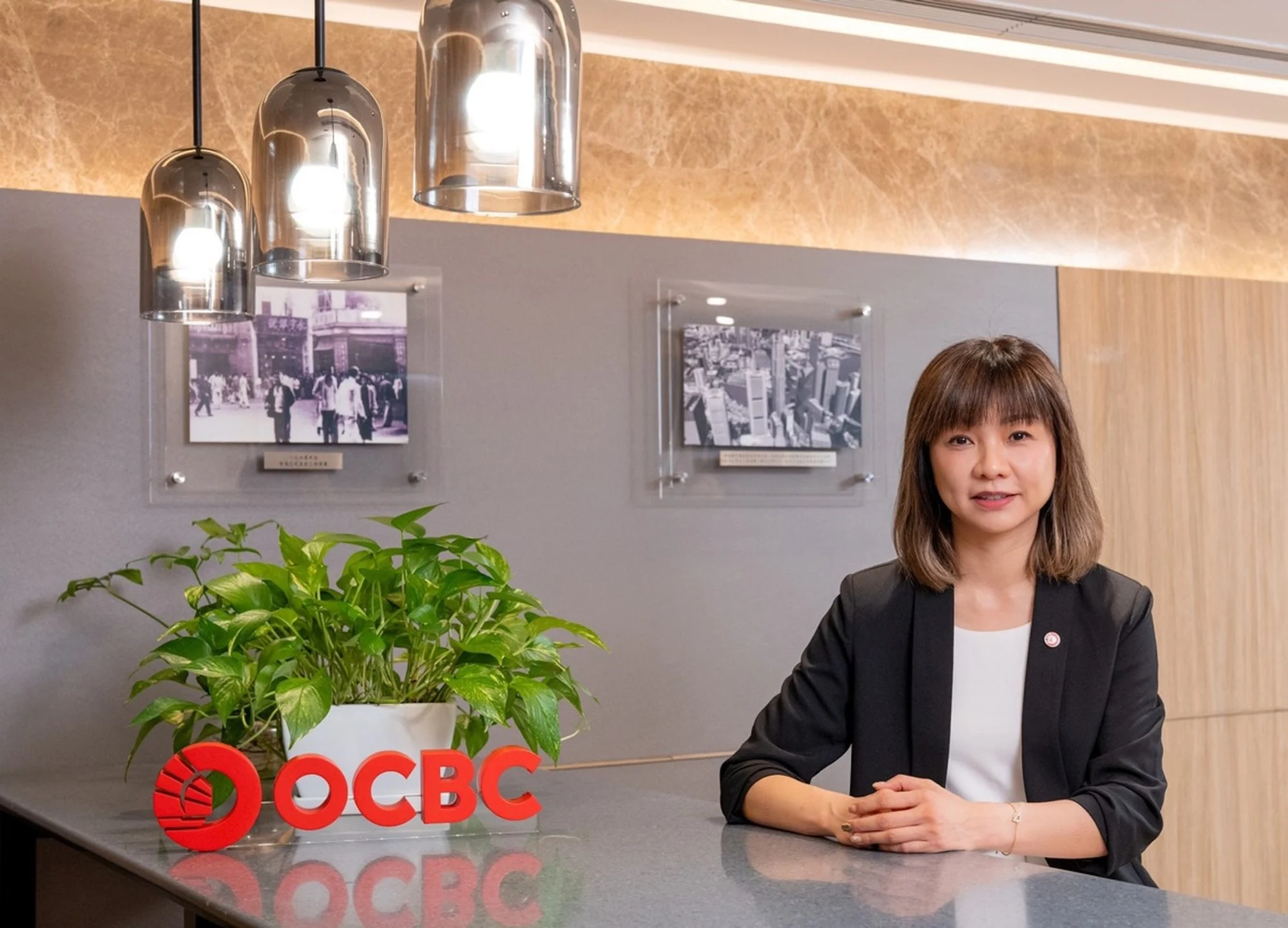
“汇丰私人银行研究显示,女性企业主拥有提供商业建议和指导的导师的可能性低六个百分点。”华侨银行香港新兴业务主管姚瑞琪表示赞同,并补充道:“我们观察到,许多女性企业家寻求的不仅仅是融资。她们同样看重获得商业人脉、相关知识、更高的市场知名度以及有助于实现商业抱负、增强信心成长的实战机会。”
“HSBC Private Bank research shows that female business owners are six percentage points less likely to have a mentor providing business advice and guidance.”Ruby Yiu, head of emerging business at OCBC Hong Kong agrees, adding: “We have observed that many women entrepreneurs are looking for more than financing alone. They also value access to business networks, relevant knowledge, greater market visibility and practical opportunities that can help them realise their business aspirations and grow with confidence.
“金融机构和其他生态系统参与者均可在为女性主导企业创造更有利的环境方面发挥作用。”有些行业的女性融资相对公平,但它们往往是刻板印象中“女性化”的行业,如教育、医疗,或许最典型的是时尚和美容。即便女性在这些领域获得融资,其金额仍低于同行业男性,且这些“女性化”行业吸引的交易规模远小于由男性主导的企业软件和网络安全等领域。
“Financial institutions and other ecosystem participants can each play a part in creating a more supportive environment for women-led businesses.”There are some industries where female access to capital is more equitable, but they tend to be stereotypically feminised ones such as education, healthcare and – perhaps most of all – fashion and beauty. Even when women do attract funding in these sectors, they still do so at a lower level than men in the sector, and these “feminised” sectors attract far smaller deals than others dominated by men, like enterprise software and cybersecurity.
施泰内巴赫补充道,随着公司发展,维持融资也可能面临进一步挑战。“获得融资的项目——发展得越久,反而越难。这确实是个问题:公司赚得越多,理论上应该越容易,实际上却越难。”根据瑞银2021年报告,女性每投入1美元可产生78美分回报,男性仅为31美分,不平等导致资本配置次优,平权不仅是风投和其他投资者应尽的道德责任。
There can also be a further challenge of sustaining funding as a company develops, adds Steinebach. “Things that do get funding – the more they develop, it becomes harder. It really is a question of: the more a company makes, when it should theoretically become easier, the harder it becomes.”Parity isn’t just something that VCs and other investors should strive for because it’s the right thing to do; inequality ensures that capital is allocated sub-optimally – especially when you consider that women generate 78 cents per dollar invested, versus 31 cents for men, according to a 2021 report by UBS.
同一研究发现,若女性拥有与男性同等的创业机会,全球GDP可提升3%至6%,为全球经济增加2.5万亿至5万亿美元。
The same study found that if women had the same entrepreneurial opportunities as men, global GDP could rise by 3 to 6 per cent, adding US$2.5 trillion to US$5 trillion to the global economy.
“我们已从排斥走向了低度利用,”必得利亚洲财富管理香港区主管李立仁表示。
“We’ve moved from exclusion towards underutilisation,” says Lemuel Lee, head of Hong Kong, BNP Paribas Wealth Management.
“十年前,专项基金、天使投资人网络和性别视角投资策略几乎不存在。投资者越来越把这视为一个机遇问题,而不仅仅是企业责任问题。支持女性领导的企业是拓宽投资机会组合的可靠途径,不应将其视为慈善。”根据女性行政总裁协会、毕马威和妇女基金会联合发布的2025年报告《扭转天平》,香港出现了一些积极迹象。重要的是,例如女性天使投资人和女性创办的风投公司数量正在增长。
“Dedicated funds, angel networks and gender-lens strategies barely existed a decade ago. Investors increasingly treat this as a question of opportunity, not just corporate responsibility. Backing women-led businesses is a sound way to widen the opportunity set. It shouldn’t be treated as charity.”There are some positive signs in Hong Kong according to “Tipping the Scale”, the 2025 report from the Women Chief Executives Hong Kong, KPMG and The Women’s Foundation. Importantly, there is, for instance, a growing number of female angel investors and women-founded VC firms.
“可以说,真正支持[更大平等]并看到更多机遇的人多了很多,”Steinebach表示。“如果有更多女性掌握投资决策权,将会产生非常大的影响。
“I’d say there are a lot more people really supporting [greater equality] and seeing more opportunity,” says Steinebach. “It will make a very big difference if there are more female pen holders.
“我确实看到[已经]有更多天使投资人——想要投资女性创办公司的女性。”也许最大的机遇在于,据麦肯锡公司预测,女性预计将在未来掌控更多全球财富——从目前欧美零售金融资产的约三分之一,增至2030年的约40%-45%,即约113万亿美元。
“What I do see [already] is more angels – women who want to invest in companies founded by women.”Perhaps the greatest opportunity lies in the fact that women are expected to control more wealth globally in the future – from around one third of all retail financial assets in the EU and US today, to about 40-45 per cent, or around US$113 trillion, by 2030, according to McKinsey & Co.
“女性是这场大财富转移的核心,”Baller表示。“目前,在许多情况下,女性是财富的拥有者,却不是资本配置的决策者。女性也成为决策者,这是一个机遇。”
“Women are at the core of the great wealth transfer,” says Baller. “At the moment, in many cases women are the owners of wealth but not the decision-makers in how capital is allocated. There’s an opportunity for women to also become the decision makers.”