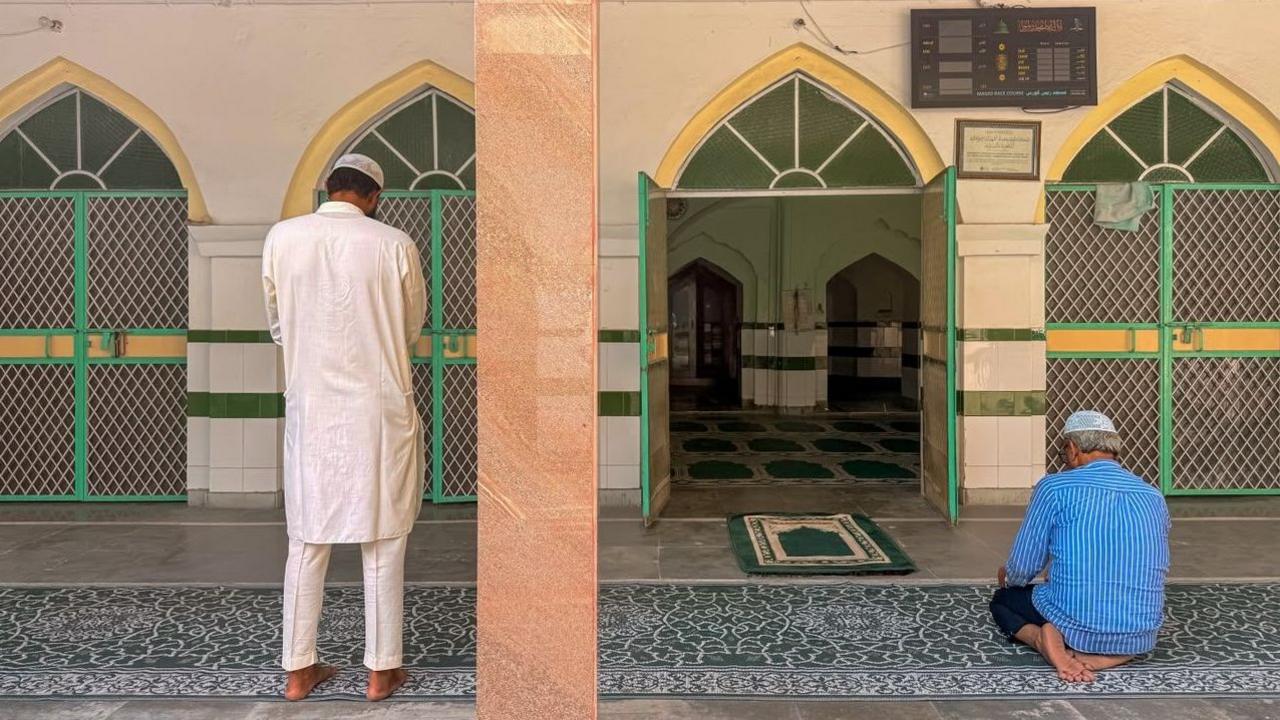
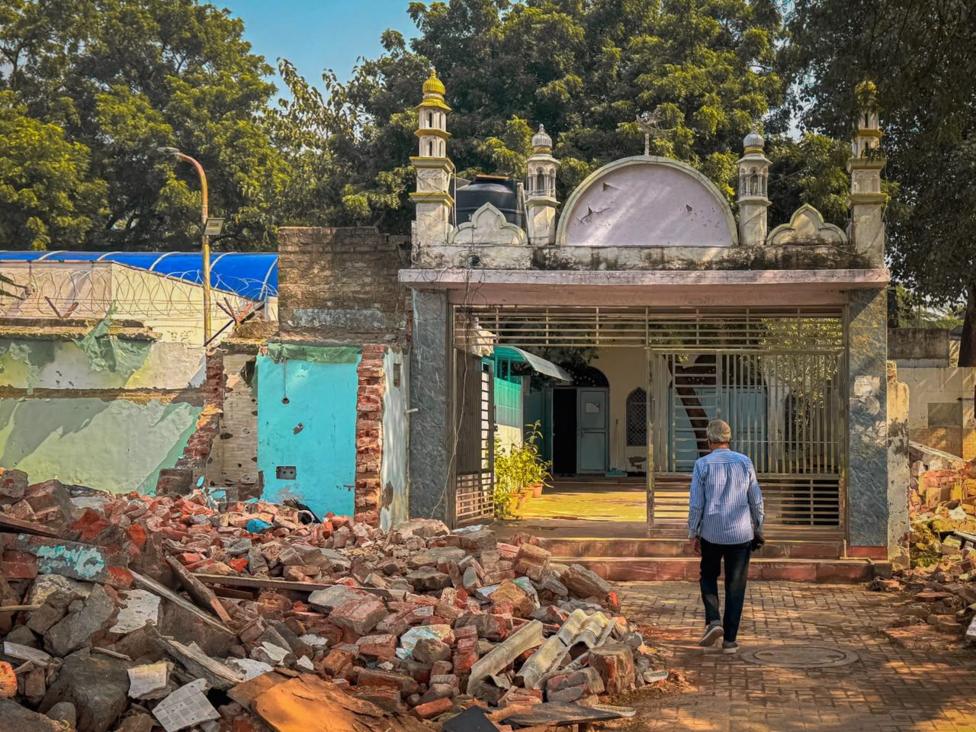
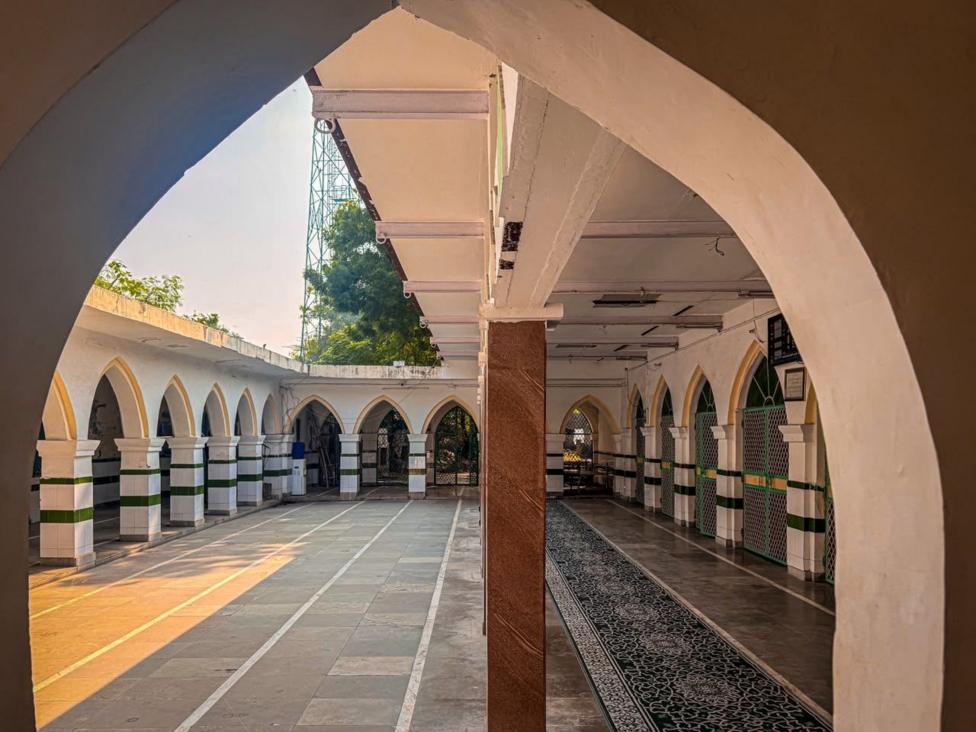
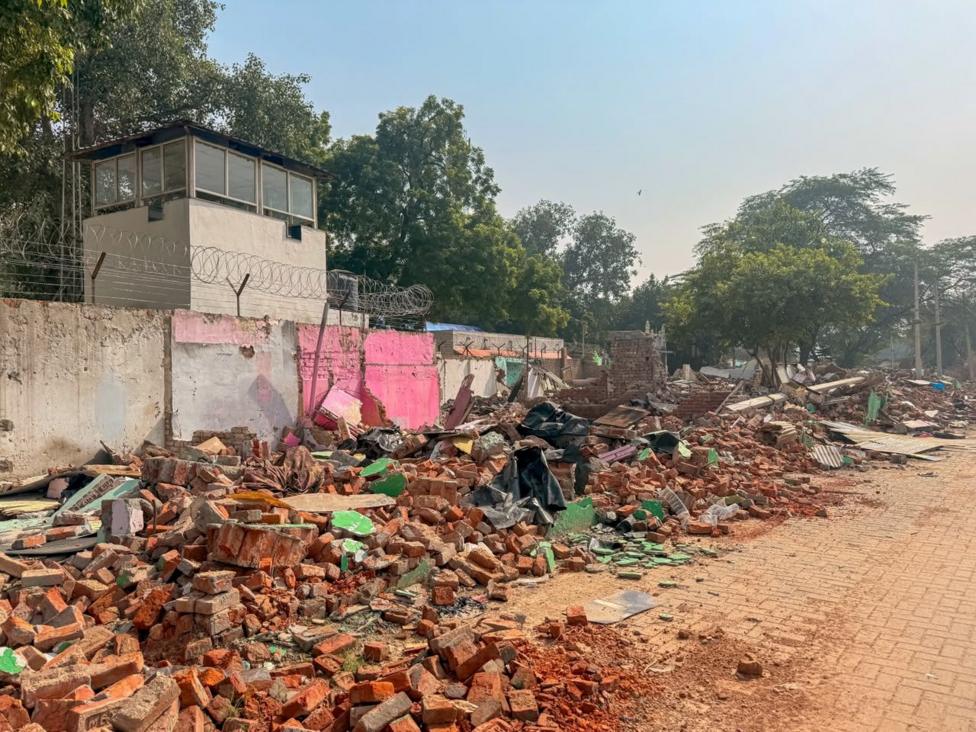
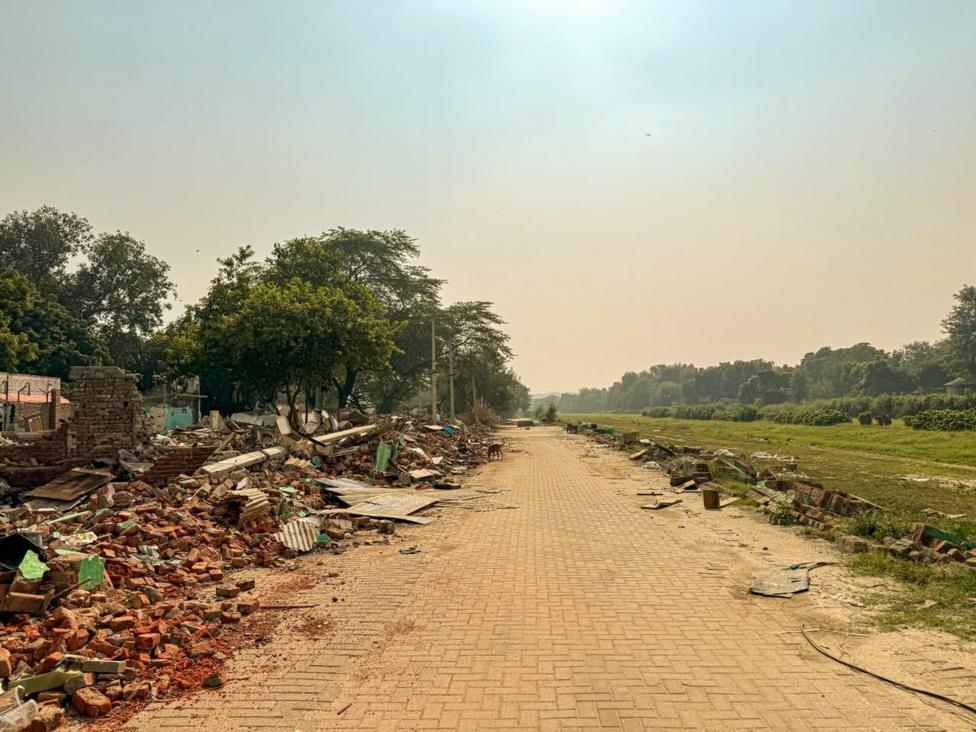
在德里市中心,距离印度总理官邸不远处,一座小清真寺矗立在成堆的瓦砾之中。它淡色的墙壁和尖拱依然完好,庭院里仍铺着绿白相间的瓷砖。但曾让这个地方充满生机的人们已经离开了。50岁的穆罕默德·瓦西姆指着瓦砾对面他房子曾经所在的位置。
In the heart of Delhi, a short distance from the Indian prime minister's residence, a small mosque stands amid piles of rubble. Its pale walls and pointed arches remain intact, its courtyard still lined with green-and-white tiles. But the people who gave life to the place are gone. Mohammad Wasim, 50, points across the rubble to the spot where his house once stood.
“我父亲在那里结的婚,几十年后,我的女儿也是在那里结的婚,”身为司机的瓦西姆说。
"My father was married there, and, decades later, so was my daughter," says Wasim, a driver.
瓦西姆和他的家人曾是住在清真寺周围的数百人之一。这些人家散落在赛马场区——印度首都最富裕、戒备最森严的街区之一——的军事大院、高级俱乐部和占地广阔的平房之间,是一片参差不齐的简陋房屋。他们中的许多人在此生活了几代人,在周围的富人宅邸里当司机、清洁工和园丁。
Wasim and his family were among hundreds of people who lived around the mosque in a patchwork of modest homes tucked between military compounds, exclusive clubs and sprawling bungalows in Race Course, one of the Indian capital's wealthiest and most heavily guarded neighbourhoods. Many of them had lived here for generations, working as drivers, cleaners and gardeners in the wealthy houses around them.
10月7日,当局拆除了他们在三个聚居点的房屋,称这些房屋是非法建在政府土地上的。当局还提出了安全方面的担忧,因为这些房屋靠近军事设施。约717户家庭被迁往萨夫达·盖夫拉,那是位于城市边缘、距此近31英里的一处聚居区。
On 7 October, the authorities demolished their houses across three settlements, saying they had been built illegally on government land. They also raised security concerns because of the houses' proximity to military installations. Some 717 families were relocated to Savda Ghevra, a colony nearly 31 miles away, on the city's outskirts.
居民们曾在德里高等法院对驱逐提出质疑,认为搬到离工作、学校和社区如此之远的地方会彻底打乱他们的生活。但今年8月,法院批准了搬迁,接受了政府的安全关切,并指出已提供了替代住房。
Residents had challenged the evictions in the Delhi High Court, arguing that moving so far from their jobs, schools and communities would upend their lives. But in August, the court allowed the relocation, accepting the government's security concerns and noting that alternative housing had been provided.
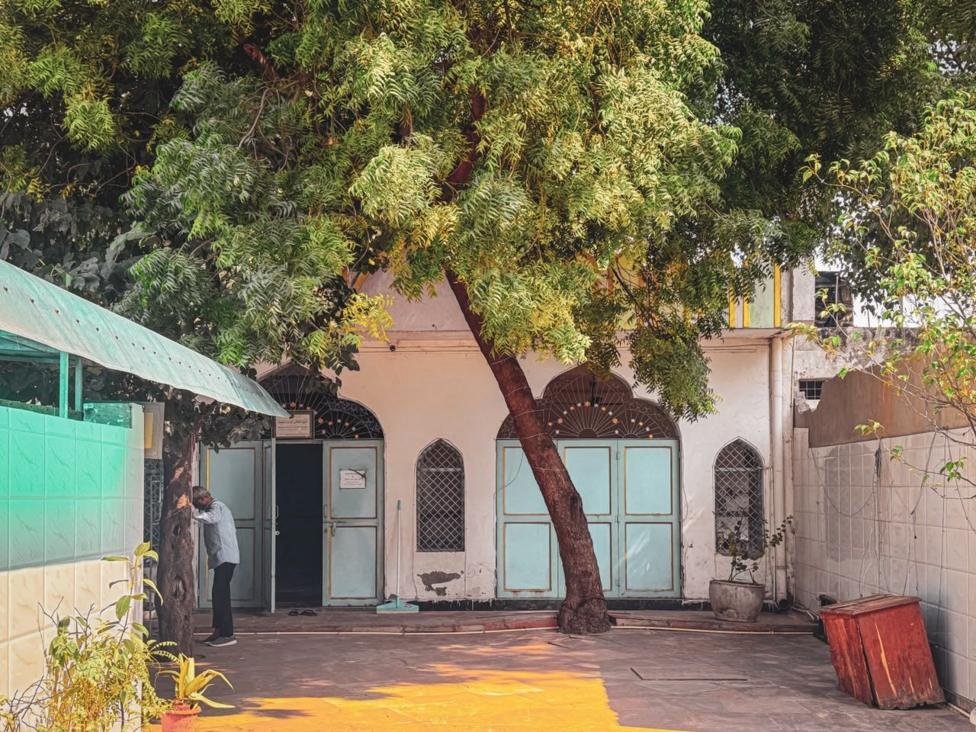
只有清真寺和附近的一座印度教寺庙保留了下来。但当天它们的水电供应就被切断了,此后进入该院落的通道也受到限制。信徒们通常在门口就被拒之门外,不过有些人偶尔在向警卫恳求后获准进入。
Only the mosque and a nearby Hindu temple were left standing. But their water and electricity supplies were cut off that day, and access to the compound has since been restricted. Worshippers are generally turned away at the gates, though some are occasionally allowed through after pleading with guards.
政府表示,清真寺所在土地归其所有,但清真寺方面称,该土地于1977年登记为瓦克夫财产——即根据伊斯兰教法留作宗教或慈善用途的土地或建筑——并被列为遗产建筑。德里瓦克夫委员会表示,这座清真寺已有近300年历史,不过其他估计认为其历史为125至150年。
The government says it owns the land on which the mosque stands, but mosque authorities say it was registered in 1977 as waqf property - land or buildings set aside under Islamic law for religious or charitable purposes - and is listed as a heritage structure. The Delhi Waqf Board says it is nearly 300 years old, though other estimates put its age at 125-150 years.
该委员会已致函当局,要求恢复清真寺的供水和供电,并对其未来表示担忧。另外,一名礼拜者已向高等法院提出申诉,质疑对祈祷的限制,并担心清真寺可能被拆除。
The board has written to the authorities seeking restoration of the mosque's water and electricity and raising concerns about its future. Separately, a worshipper has petitioned the high court over restrictions on prayers and fears that the mosque could be demolished.
10月29日,政府告诉法院,在考虑该委员会的反对意见期间,将在四周内不对清真寺采取任何行动。政府以拆除工作期间的安全担忧为由,反对恢复祈祷通道,这一立场遭到礼拜者律师的质疑。法院拒绝介入,并将下一次听证会定于12月16日。
On 29 October, the government told the court it would take no action against the mosque for four weeks while considering the board's objections. It opposed restoring access for prayers, citing safety concerns during demolition work, a position disputed by the worshippers' lawyer. The court declined to intervene and scheduled another hearing for 16 December.
清真寺的未来仍不确定,而对于曾经住在它周围的人来说,现在的问题是,他们在那里建立的生活还能挽救多少。
While the mosque's future remains uncertain, for those who once lived around it, the question now is what can be salvaged of the lives they built there.
瓦西姆仍会在可能的时候回到清真寺祈祷,尽管守卫有时会将他拒之门外。最近一个下午,他是里面仅有的四五名礼拜者之一。外面一台发电机轰鸣作响,在断电后提供电力。
Wasim still returns to the mosque to pray when he can, though guards sometimes turn him away. On a recent afternoon, he was among just four or five worshippers inside. A generator chugged loudly outside, supplying electricity after the power had been cut off.
“我们的心和全部生活都与这个地方紧紧相连,”他说。“我们的童年都在这里玩耍度过,怎么能放下它?”寡妇雷卡满怀眷恋地回忆着这个聚居区。她曾在附近人家洗碗,养家糊口,并在当地寺庙做 seva(志愿服务)。
"Our hearts and entire lives are tied to this place," he says. "How can we let it go, when our childhood was spent playing here?" Rekha, a widow, remembers the colony with longing. She washed dishes in nearby homes, raised her family and performed seva (voluntary service) at the local temple.
对她来说,安置这个词似乎苍白得令人心痛:“几十年建立起来的生活,怎么能被连根拔起、移植到别处?”她问道。
To her, the word rehabilitation seems painfully inadequate: "How can a life built over decades be uprooted and planted somewhere else?" she asks.
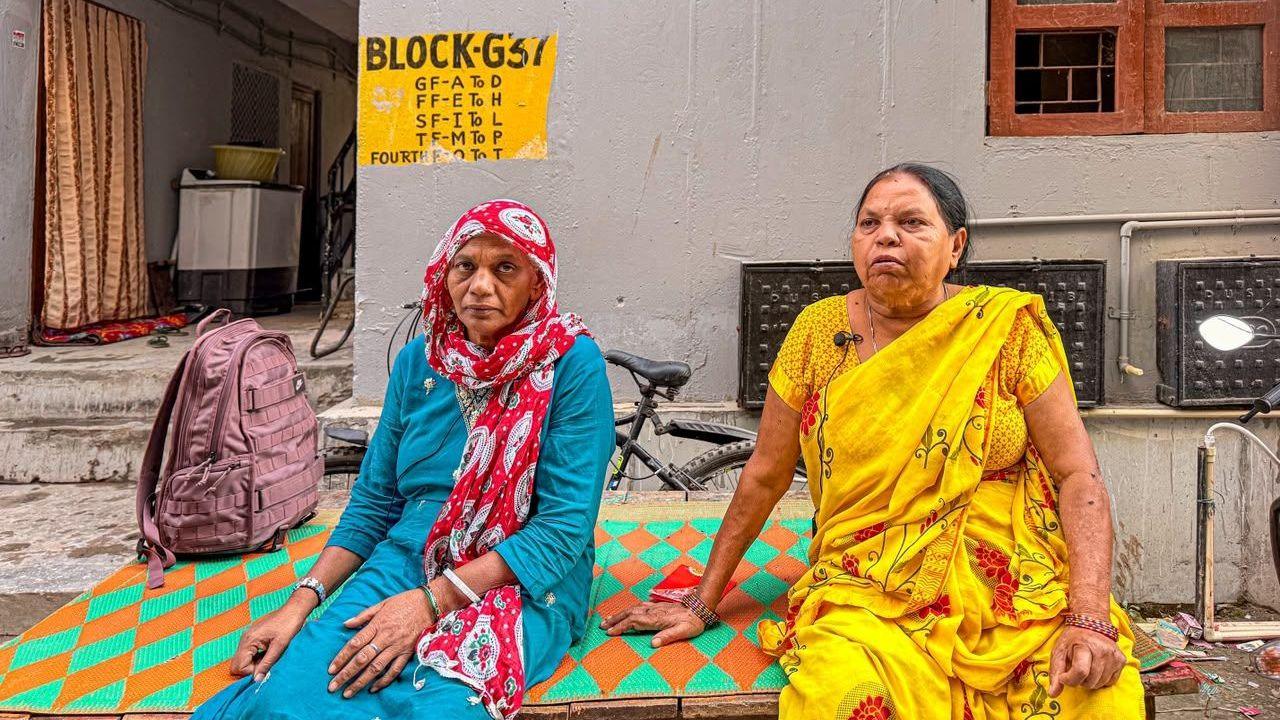
自搬迁以来,她失去了赖以维持生计的工作。她19岁的儿子找工作也很艰难。她分到了一套三楼的公寓,但由于手术后腿上植入了一根金属杆,爬楼梯很痛苦。
Since the move, she has lost the work she depended on. Her 19-year-old son is struggling to find a job. She has been allotted a third-floor apartment but climbing stairs is painful because of a metal rod in her leg after an operation.
“我可能有房子,但我的家被夺走了。”批评人士说,这些经历是德里更长的流离失所历史的一部分。在那段历史中,工薪阶层社区一再被赶到城市遥远的边缘地带,因为他们拿不出能够证明自己对居住了数十年的土地拥有合法所有权的文件。
"I may have a house but my home was snatched away." Critics say these experiences are part of a longer history of displacement in Delhi, where working-class communities have repeatedly been pushed to the city's distant edges because they lack documents proving legal ownership of land they have lived on for decades.
“搬迁使他们同时失去工作和关系网络,导致生计和收入受损,”城市研究员穆克塔·奈克告诉英国广播公司。
"Relocation disconnects them from both jobs and networks, resulting in livelihood and income loss," urban researcher Mukta Naik told the BBC.
她说,随着家庭四散寻找工作,他们曾经依赖的非正式支持体系变得更难重建。她说:“这使各个家庭只能自谋生路。”
As families scatter in search of work, she says, the informal support systems they once relied on become harder to rebuild. "This leaves families to fend for themselves," she says.
德里政府的住房机构、当地市政委员会和中央政府的土地管理部门均未回应置评请求。
The Delhi government's housing agency, the local municipal council and the central government's land office did not respond to requests for comment.
萨夫达·格赫拉于2006年在德里与哈里亚纳邦交界附近的农田上建立,用来安置从城市其他地方流离失所的家庭。
Savda Ghevra was established in 2006 on farmland near Delhi's border with Haryana state, to house families displaced from elsewhere in the city.
第一批到达的人看到的只是光秃秃的地块,没有道路,没有自来水,也没有电。随着时间推移,他们建起房屋、开设商店,并为获得基本服务而抗争。到2020年代初,估计有5万人住在这里,把一个他们别无选择只能居住的地方变成了一个社区。现在,来自赛马场的家庭开始了同样缓慢的工作。
The first arrivals found little more than bare plots, without roads, running water or electricity. Over time, they built homes, opened shops and fought for basic services. By the early 2020s, an estimated 50,000 people lived here, having made a neighbourhood out of a place they had little choice but to inhabit. Now the families from Race Course have begun the same slow work.
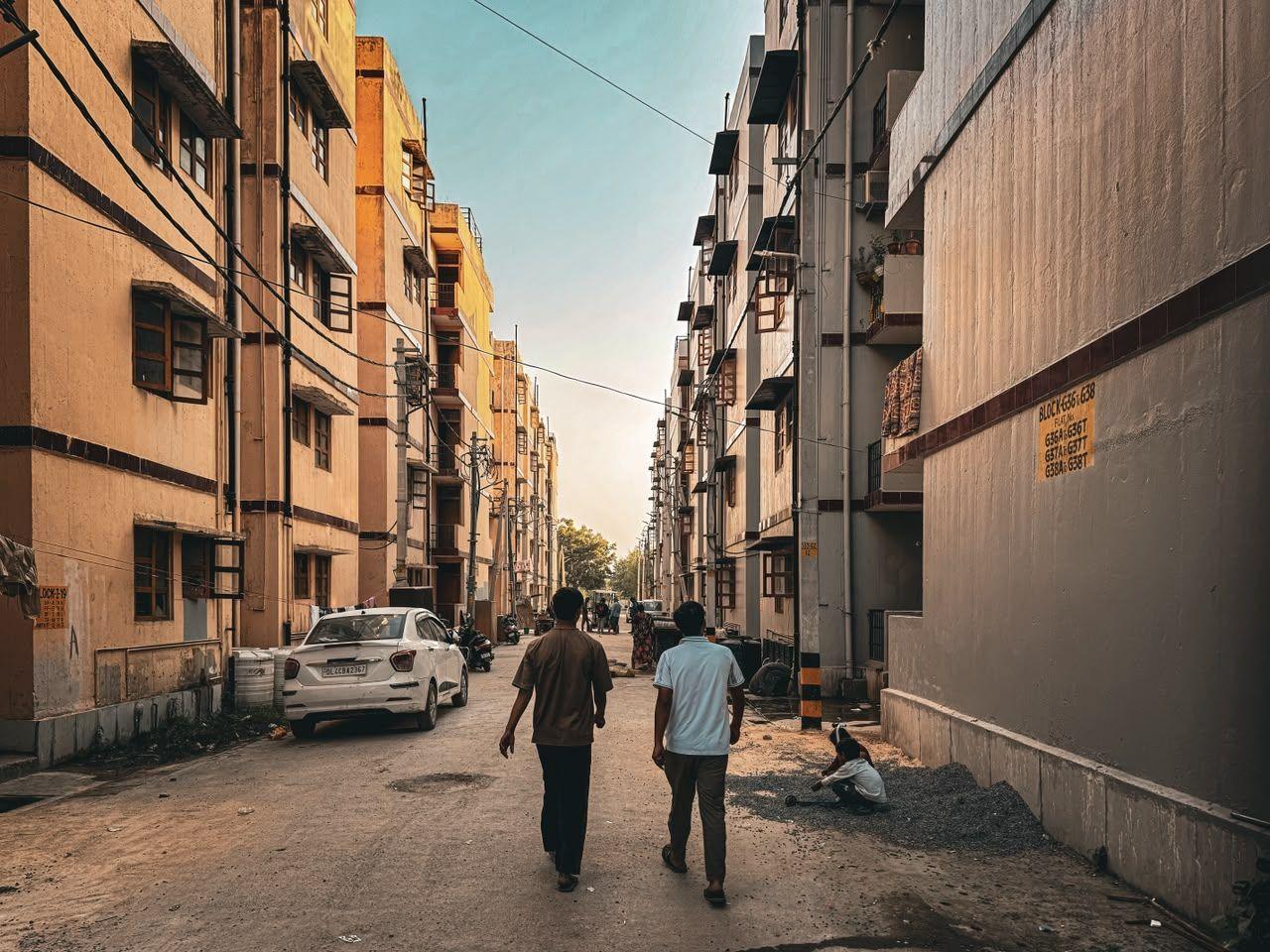
他们用德里市中心绿树成荫的林荫大道,换来了成排几乎一模一样的混凝土楼房,远处是延伸的开阔田野。生活仍在继续,但支撑这些家庭的很多东西仍留在城市的另一边。
They have traded the lush tree-lined avenues of central Delhi for rows of nearly identical concrete blocks, with open fields stretching beyond. Life is going on, but much of what sustained these families remains on the other side of the city.
每天清晨5点,巴布鲁就带着孩子乘坐地铁前往位于德里市中心的原学校,途中需换乘三次列车。他在原居住社区外的一家茶摊等待六小时,直到下午放学。有工作时则由妻子接送孩子。
Every day, Babloo leaves home at 5am to take his children by metro to their old school in central Delhi, changing trains three times along the way. He waits out the six hours until classes finish at a tea stall outside his former neighbourhood. When he has work his wife makes the journey.
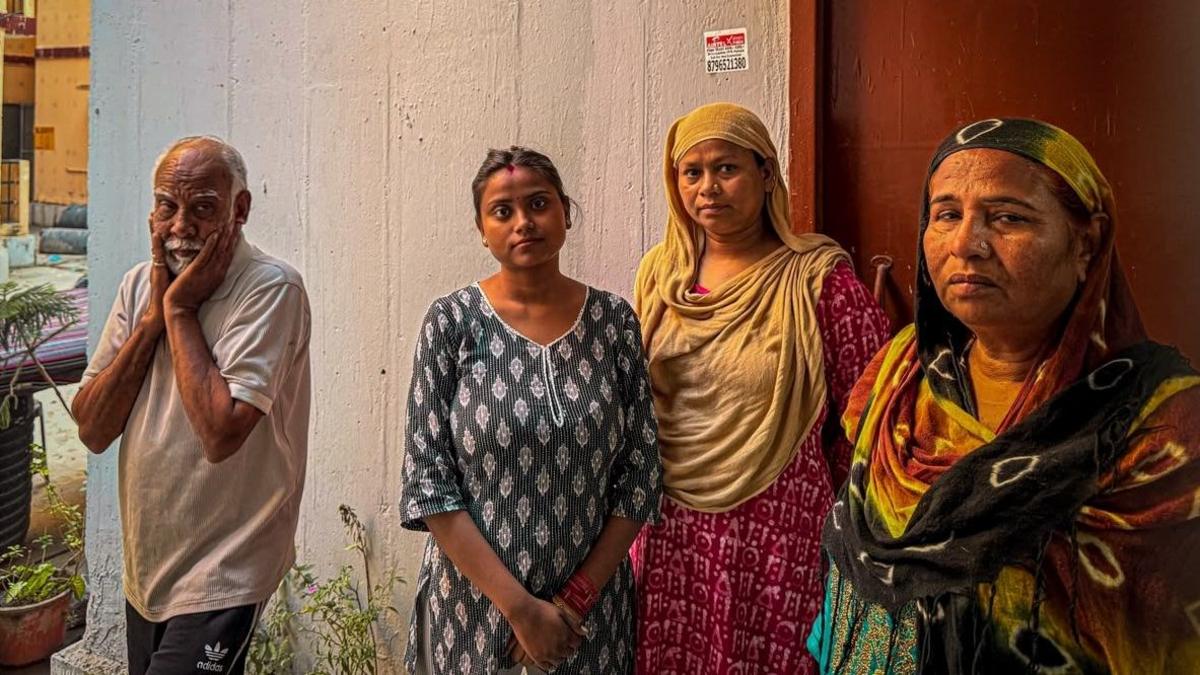
他说,新家距离太远,无法在两次接送间隙返回。等一家人到达萨夫达·盖夫拉时,通常已是下午4点左右。
Their new home is too far away, he says, to return between the school runs. By the time the family reaches Savda Ghevra, it is around 4pm.
巴布鲁曾在赛马场的一家俱乐部工作。如今他在德里东北部的梅鲁特镇找到了工作。居民们早知可能面临搬迁,但希望能被安置在足够近的地方,以便继续工作和孩子上学。
Babloo once worked at a club in Race Course. He has now found work in Meerut, a town to the north-east of Delhi. Residents knew they might have to leave, he says, but they hoped they would be relocated somewhere close enough to continue their jobs and their children's schooling.
政府称,在赛马场附近没有合适的公寓可供安置。在法庭上,政府援引萨夫达·盖夫拉拥有学校、诊所和交通连接,作为该地区能够容纳被安置家庭的证据。
The government says suitable apartments were unavailable closer to Race Course. In court, it cited Savda Ghevra's schools, dispensaries and transport links as evidence that the area could accommodate the displaced families.
但这些设施的存在,对63岁的纳伊姆·汗来说几乎无法带来安慰。他的两个孙子有听力和语言障碍,需要专门的照料和教育,他说这些在当地无法获得。
But the presence of these facilities offers little reassurance to Naeem Khan, 63. His two grandsons have hearing and speech disabilities and need specialised care and schooling that he says are unavailable in the area.
搬迁也让纳伊姆的家庭四散。一个儿子和一个离异的女儿挤在他狭小的单间公寓里,而另外两个儿子因空间不足被迫另寻住处。“我们被扔回了20年前,”他说。
The move has also scattered Naeem's family. One son and a divorced daughter share his tiny one-room apartment, while his two other sons had to move elsewhere due to lack of space. "We have been thrown 20 years backward," he says.
对女性而言,距离带来的代价尤为沉重。奈克表示,育儿责任、交通成本和安全顾虑,使得长途通勤工作对她们来说格外困难。
The distance has been especially costly for women. Naik says childcare responsibilities, transport costs and safety concerns make long commutes to work particularly difficult for them.
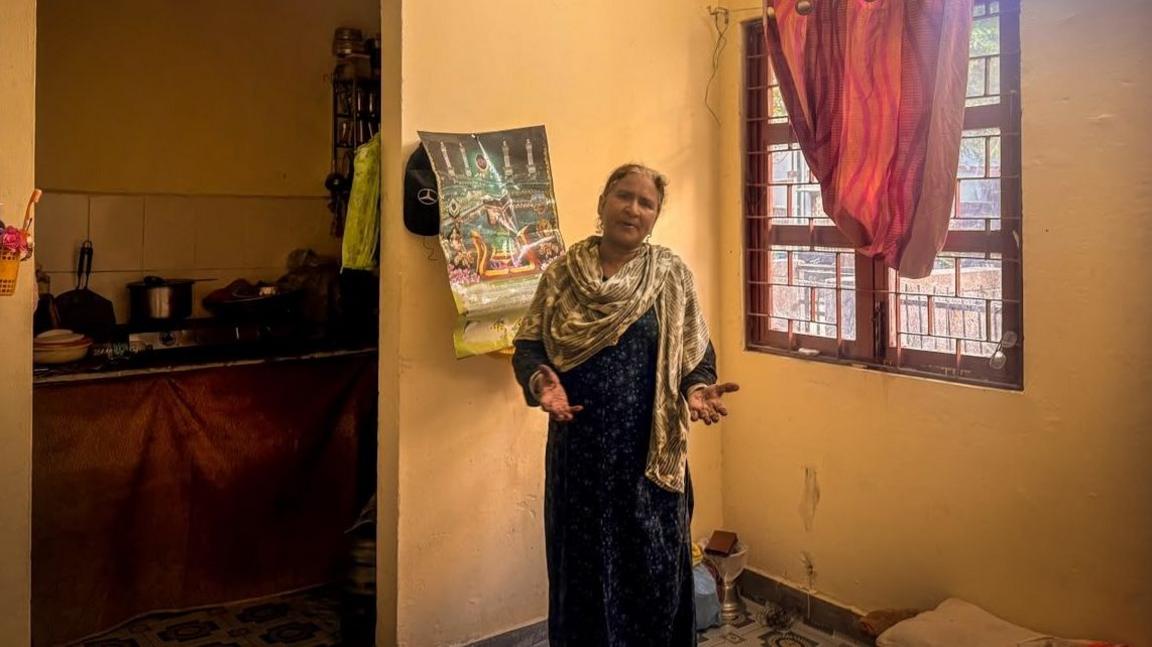
在赛马场,定居点周围的富裕社区提供了微小但至关重要的生计来源——洗碗、打理花园、收集废弃瓶子出售。
At Race Course, the wealth surrounding the settlements offered small but vital ways to earn money - dishes to wash, gardens to tend, discarded bottles to collect and sell.
年迈的寡妇阿赫塔里每天收集矿泉水瓶,收入约100卢比(约合1.05美元;0.80英镑),还将剩余的烙饼晒干作为牛饲料出售。如今,即使这些微薄的收入来源也已消失。
Akhtari, an elderly widow, collected mineral-water bottles for about 100 rupees (about $1.05; £0.80) a day and dried leftover rotis, or flatbreads, to sell as cattle feed. Now even these modest sources of income have disappeared.
“这里的所有人都被驱逐了;大家都很穷、很惨、自己都在挣扎,”阿赫塔里说。“谁会雇别人做家务?”在赛马场时,她一无所有,清真寺的伊玛目或邻居可能会给她买面粉的钱。邻居们会关心她。在新公寓里,她头顶有了屋顶,但几乎没人可依靠。她开始担心万一生病会怎样。
"Everyone living here was evicted; everyone is poor, broken, and struggling themselves," Akhtari says. "Who will hire someone else for housework?" At Race Course, when she had nothing, the mosque's imam or a neighbour might give her money for flour. Her neighbours checked on her. In the new apartment, she has a roof over her head, but few people to fall back on. She has begun to worry about what will happen if she falls ill.
“如果我倒在屋里死掉,甚至没人会知道,”她说。“但愿有人会撞开门发现我。”
"If I collapse and die inside, no one will even know," she says. " Hopefully someone will break down the door and find me."